Dhanasingh Anandhan
MED-EL GmbH, Fürstenweg 77a, 6020, Innsbruck, Austria.
World J Otorhinolaryngol Head Neck Surg. 2020 May 14;7(1):45-53. doi: 10.1016/j.wjorl.2019.12.003. eCollection 2021 Jan.
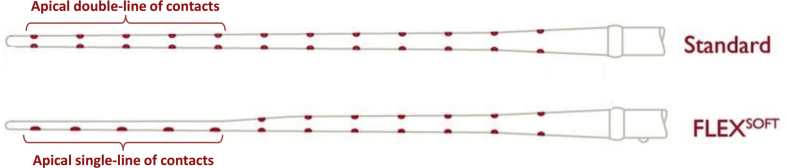
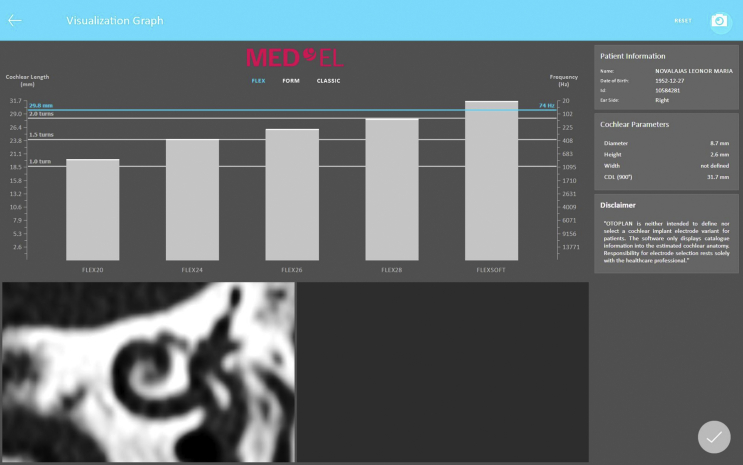
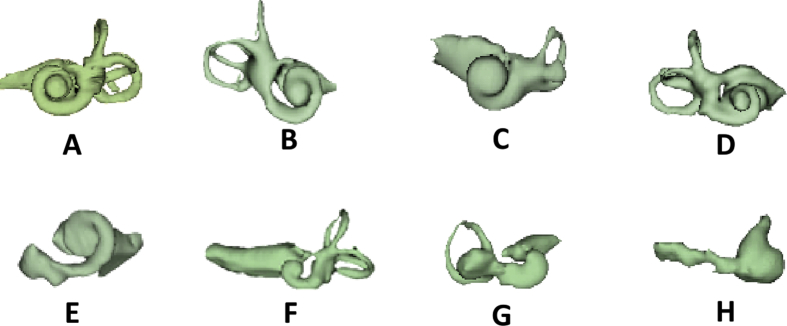
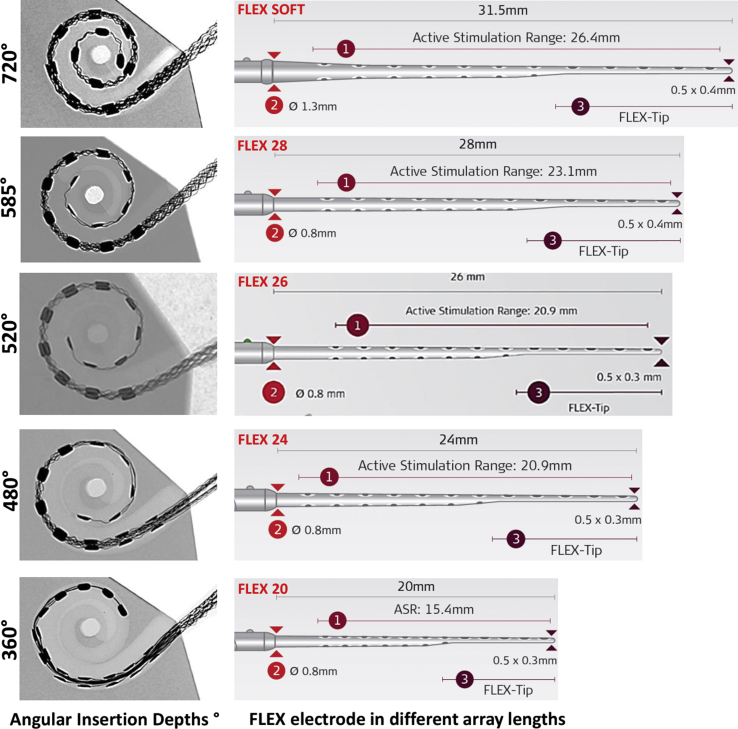
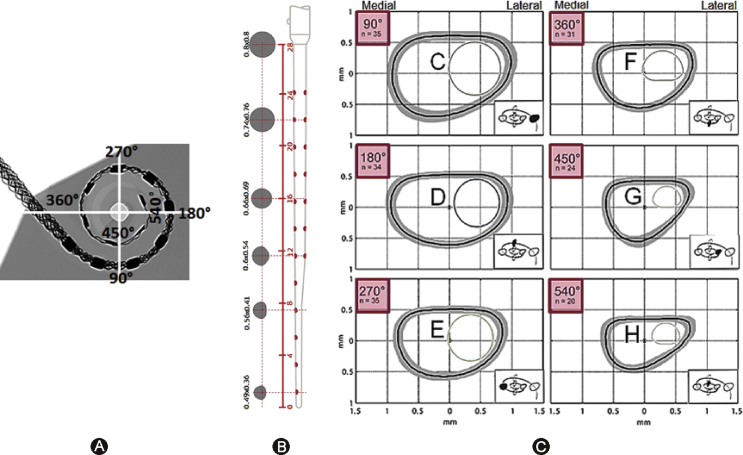
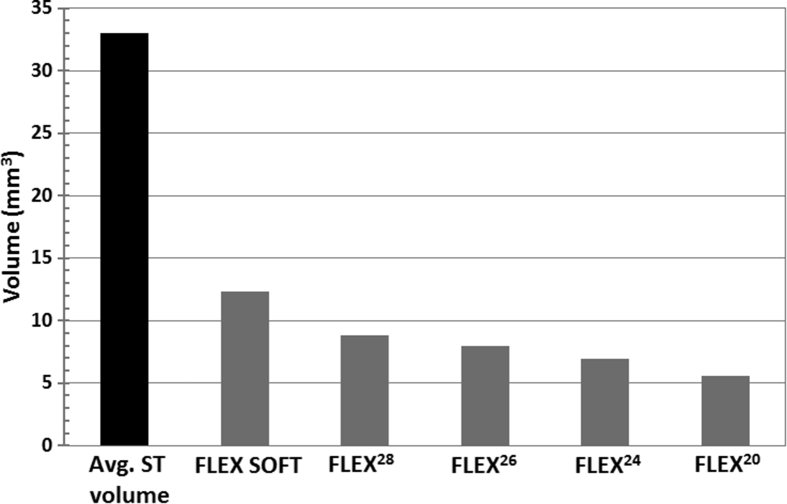
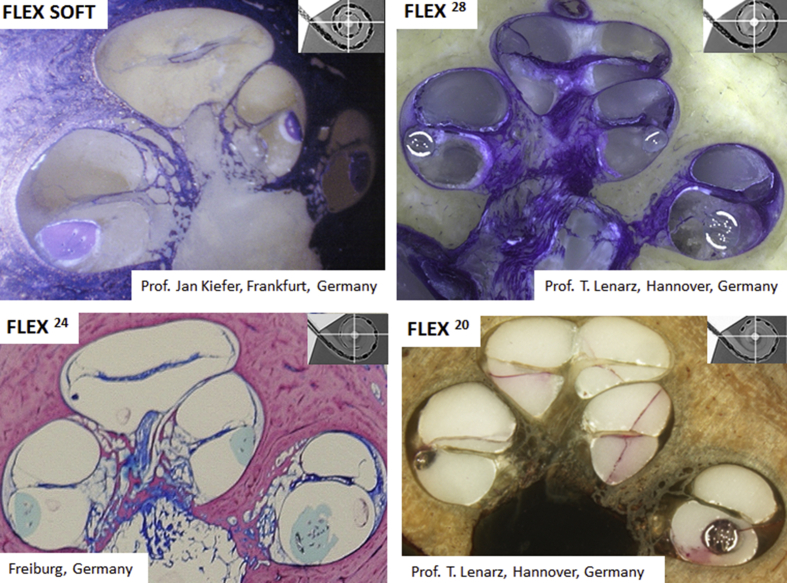
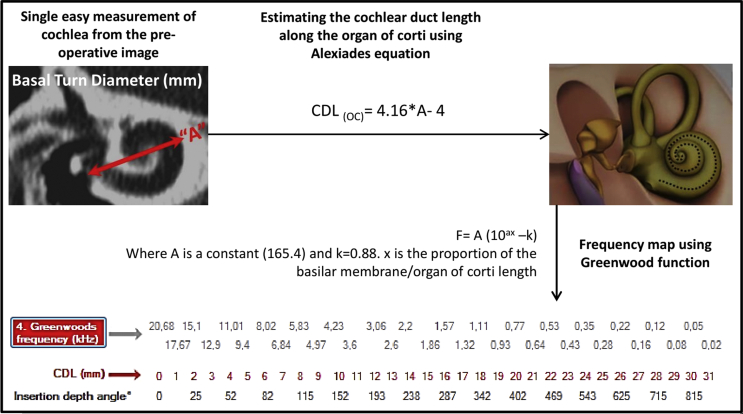
With cochlear implantation (CI) being the standard of care for profoundly deaf cases, more and more patients with low frequency residual hearing are currently being treated with CI. In view of preserving the residual hearing, the ultimate aim of both the surgeons and the CI companies is to achieve zero-degree of electrode insertion trauma. Variations in the size and shape of cochlea, cross-sectional dimensions of ST, electrode insertion techniques with and without metal stylet rod and the experience level of the operating surgeons, all play a role in the electrode array related insertion trauma. An effective electrode design must include flexible array to accommodate the cochlear shape variation, electrode with variety of array lengths to support the concept of cochlear size specific electrode array and finally smaller cross-sectional dimensions of electrode array in matching the cross-sectional dimensions of ST. As per published reports, FLEX electrode array design offers minimal degree of electrode insertion trauma along with the possibility of patient specific electrode array length matching their cochlear size. Looking at the cross-sectional dimensions of FLEX electrode array along with its volume, it appear to be highly safe to the cochlea by not taking too much volume inside the ST. To offer additional support, otological pre-planning software tool like OTOPLAN is now clinically available in measuring the cochlear size in finding the best electrode array match along with the possibilities of anatomy based post-operative speech processor fitting.
随着人工耳蜗植入(CI)成为极重度聋病例的标准治疗方法,目前越来越多低频残余听力患者正在接受CI治疗。鉴于保留残余听力,外科医生和CI公司的最终目标是实现零程度的电极插入创伤。耳蜗的大小和形状、蜗管的横截面尺寸、有无金属导丝棒的电极插入技术以及手术医生的经验水平,都在与电极阵列相关的插入创伤中发挥作用。一种有效的电极设计必须包括灵活的阵列以适应耳蜗形状变化、具有多种阵列长度的电极以支持耳蜗大小特定电极阵列的概念,最后是电极阵列较小的横截面尺寸以匹配蜗管的横截面尺寸。根据已发表的报告,FLEX电极阵列设计提供了最小程度的电极插入创伤,同时有可能实现患者特定的电极阵列长度与他们的耳蜗大小相匹配。从FLEX电极阵列的横截面尺寸及其体积来看,它在蜗管内占用的体积不大,对耳蜗似乎非常安全。为提供更多支持,像OTOPLAN这样的耳科术前规划软件工具现在已在临床上可用,用于测量耳蜗大小以找到最佳电极阵列匹配,以及基于解剖结构进行术后言语处理器适配的可能性。