School of Physiology, Pharmacology and Neuroscience, University of Bristol, Biomedical Sciences Building, University Walk, Bristol, BS8 1TD, UK.
School of Biological Sciences, University of Bristol, Life Sciences Building, Tyndall Avenue, Bristol, BS8 1TQ, UK.
Sci Rep. 2021 Jan 21;11(1):2061. doi: 10.1038/s41598-021-81548-2.
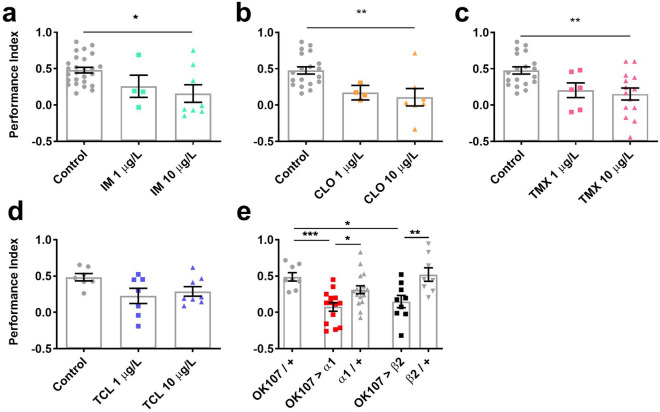
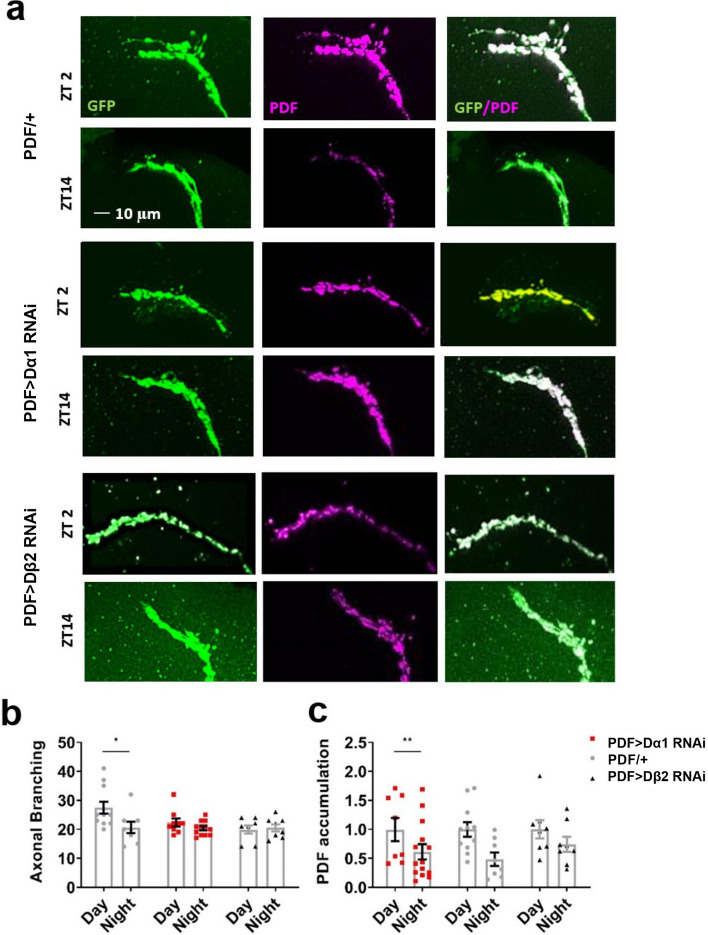
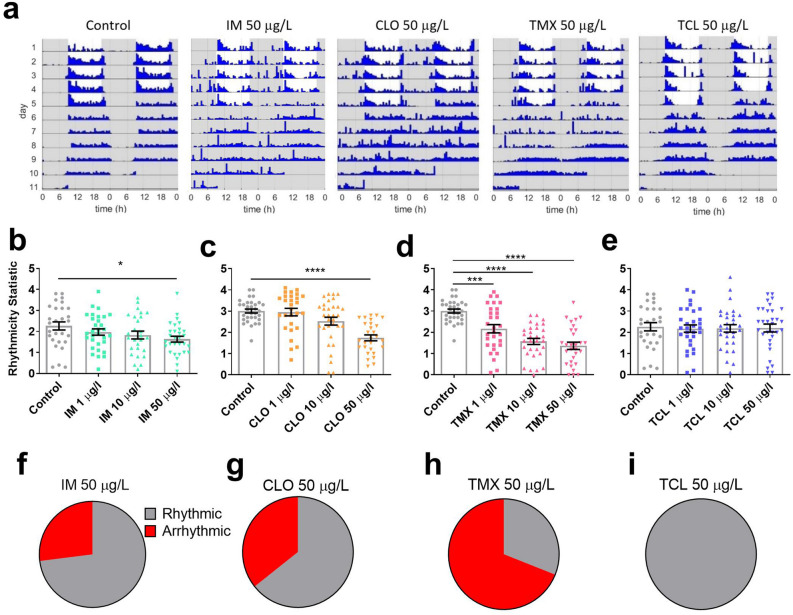
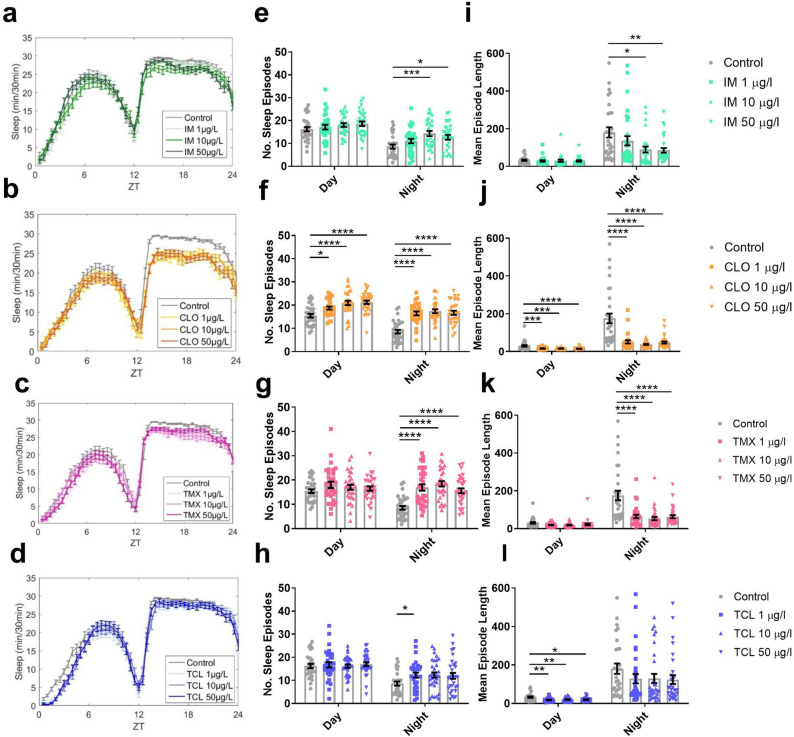
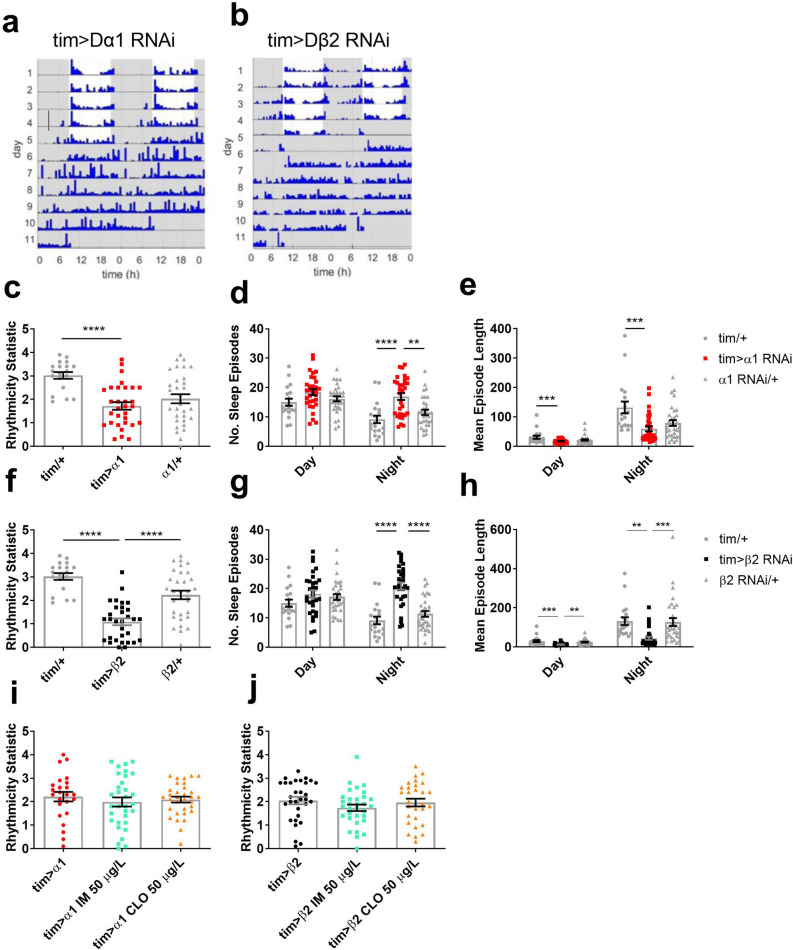
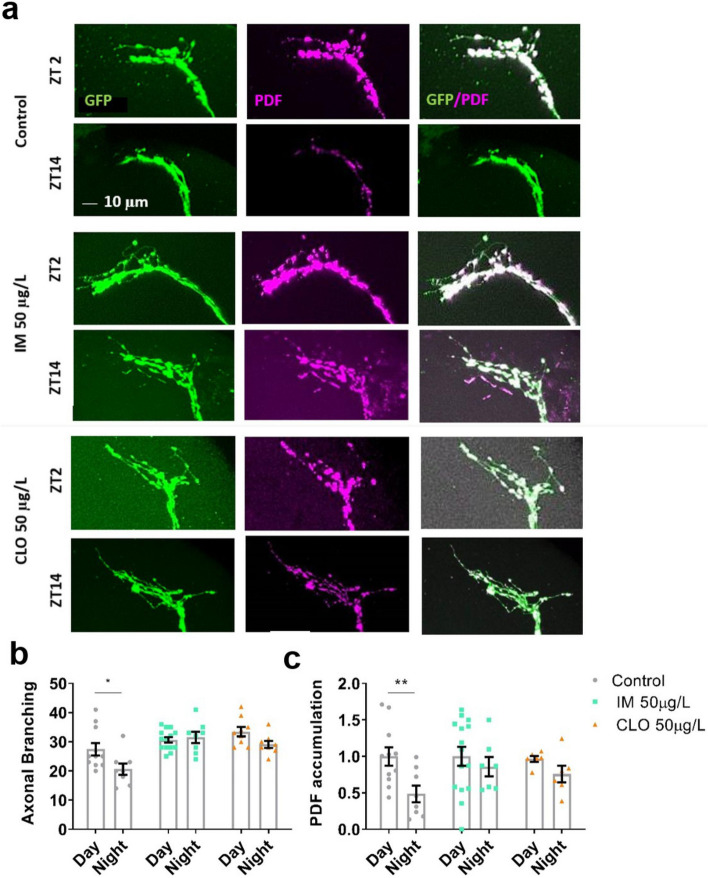
Globally, neonicotinoids are the most used insecticides, despite their well-documented sub-lethal effects on beneficial insects. Neonicotinoids are nicotinic acetylcholine receptor agonists. Memory, circadian rhythmicity and sleep are essential for efficient foraging and pollination and require nicotinic acetylcholine receptor signalling. The effect of field-relevant concentrations of the European Union-banned neonicotinoids: imidacloprid, clothianidin, thiamethoxam and thiacloprid were tested on Drosophila memory, circadian rhythms and sleep. Field-relevant concentrations of imidacloprid, clothianidin and thiamethoxam disrupted learning, behavioural rhythmicity and sleep whilst thiacloprid exposure only affected sleep. Exposure to imidacloprid and clothianidin prevented the day/night remodelling and accumulation of pigment dispersing factor (PDF) neuropeptide in the dorsal terminals of clock neurons. Knockdown of the neonicotinoid susceptible Dα1 and Dβ2 nicotinic acetylcholine receptor subunits in the mushroom bodies or clock neurons recapitulated the neonicotinoid like deficits in memory or sleep/circadian behaviour respectively. Disruption of learning, circadian rhythmicity and sleep are likely to have far-reaching detrimental effects on beneficial insects in the field.
全球范围内,新烟碱类杀虫剂的使用最为广泛,尽管它们对有益昆虫具有明确的亚致死效应。新烟碱类杀虫剂是烟碱型乙酰胆碱受体激动剂。记忆、昼夜节律和睡眠对于高效觅食和授粉至关重要,而这需要烟碱型乙酰胆碱受体信号传导。本研究测试了欧盟禁用的新烟碱类杀虫剂:吡虫啉、噻虫嗪、噻虫胺和噻虫啉在果蝇记忆、昼夜节律和睡眠方面的田间相关浓度效应。田间相关浓度的吡虫啉、噻虫嗪和噻虫胺会破坏学习、行为节律和睡眠,而噻虫啉暴露仅会影响睡眠。暴露于吡虫啉和噻虫嗪会阻止生物钟神经元背侧末端的黑化分散因子(PDF)神经肽的昼夜重塑和积累。在蘑菇体或生物钟神经元中敲低对新烟碱类杀虫剂敏感的 Dα1 和 Dβ2 烟碱型乙酰胆碱受体亚基,分别再现了记忆或睡眠/昼夜行为方面的类似新烟碱类杀虫剂缺陷。学习、昼夜节律和睡眠的破坏可能会对田间有益昆虫产生深远的不利影响。