Orthopaedic Registrar, Chelsea and Westminster Hospital, London, UK.
Orthopaedic Registrar, Basingstoke and North Hampshire Hospital, Basingstoke, UK.
J Orthop Surg Res. 2021 Jan 22;16(1):78. doi: 10.1186/s13018-021-02222-x.
Periprosthetic fractures of the distal femur above a total knee arthroplasty (TKA) have traditionally been managed by locking compression plating (LCP). This technique is technically demanding and is associated with high rates of non-union and revision. More recently, retrograde intramedullary nailing (RIMN) has been proposed as an acceptable alternative. This meta-analysis aims to evaluate clinical outcomes in patients with periprosthetic supracondylar femoral fractures who were treated with LCP and RIMN.
An up-to-date literature search was carried out using the pre-defined search strategy. All studies that met the inclusion criteria were assessed for methodological quality with the Cochrane's collaboration tool. Operative time, functional score, time-to-union, non-union rates and revision rates were all considered.
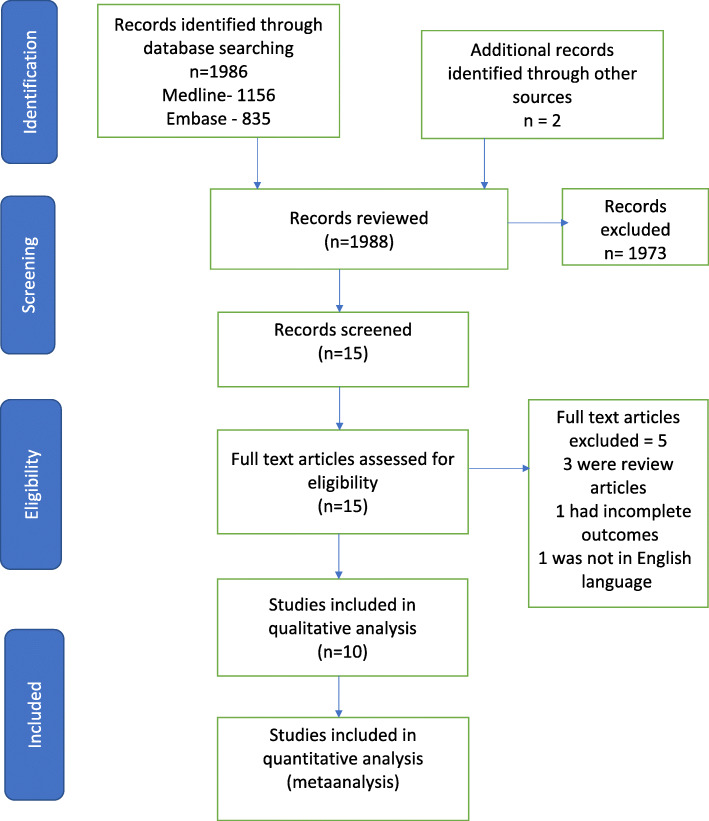
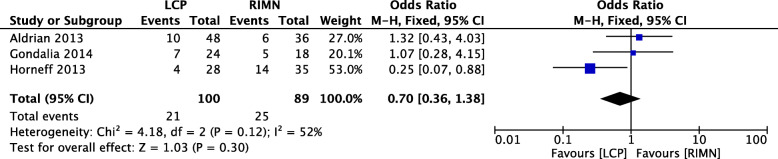
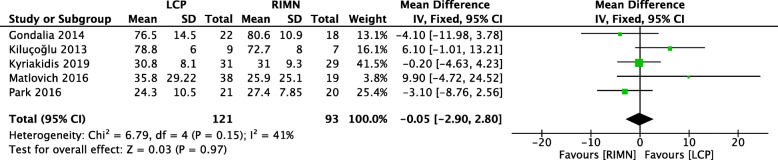
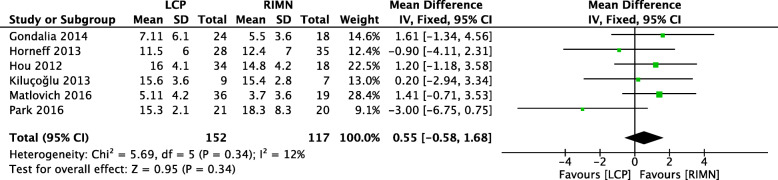
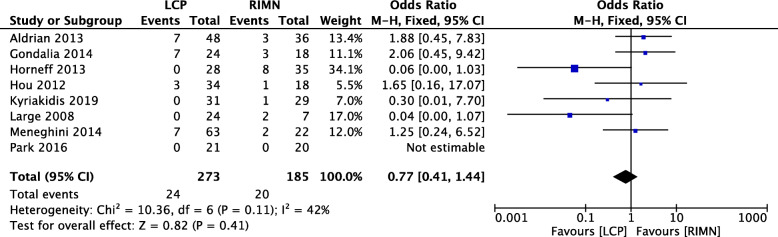
Ten studies with a total of 531 periprosthetic fractures were included. This meta-analysis has suggested that there is no significant difference in any of the outcome measures assessed. Further, more extensive literature is required on the subject to draw more robust conclusions.
全膝关节置换术(TKA)上方的股骨远端假体周围骨折传统上采用锁定加压钢板(LCP)治疗。该技术技术要求高,且与较高的不愈合率和翻修率相关。最近,逆行髓内钉(RIMN)已被提议作为一种可接受的替代方法。本荟萃分析旨在评估采用 LCP 和 RIMN 治疗的股骨假体周围髁上骨折患者的临床结果。
使用预先定义的搜索策略进行了最新的文献检索。所有符合纳入标准的研究均采用 Cochrane 协作工具评估其方法学质量。均考虑了手术时间、功能评分、愈合时间、不愈合率和翻修率。
共纳入 10 项研究,总计 531 例假体周围骨折。该荟萃分析表明,在评估的任何结果测量指标上均无显著差异。此外,需要更广泛的文献来得出更有力的结论。