Department of Epidemiology, Columbia University Mailman School of Public Health, New York, NY, USA.
Department of Epidemiology, Harvard T.H. Chan School of Public Health, Boston, MA, USA.
Mol Psychiatry. 2021 May;26(5):1696-1705. doi: 10.1038/s41380-020-00996-w. Epub 2021 Jan 22.
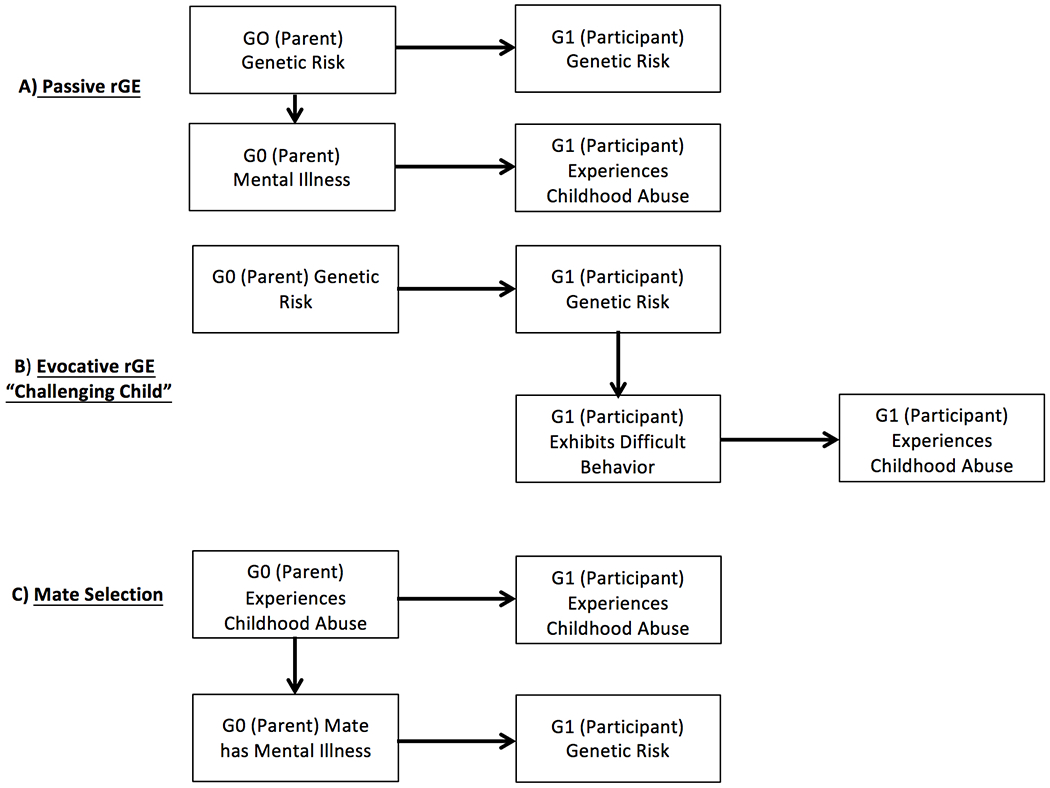
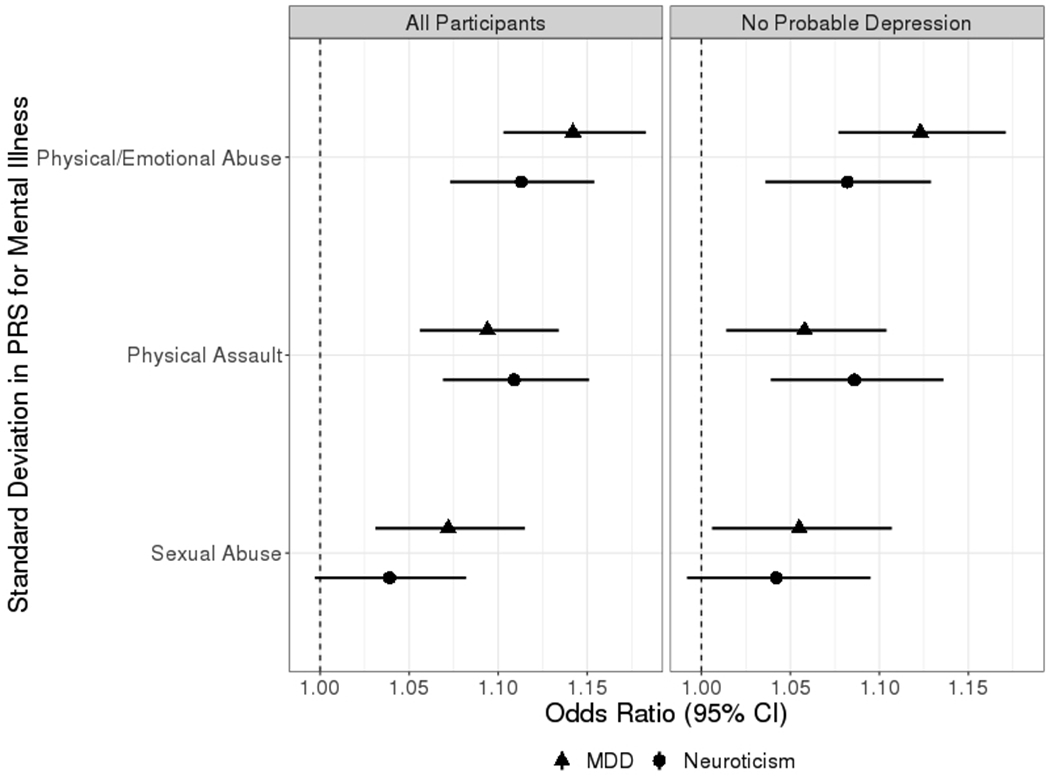
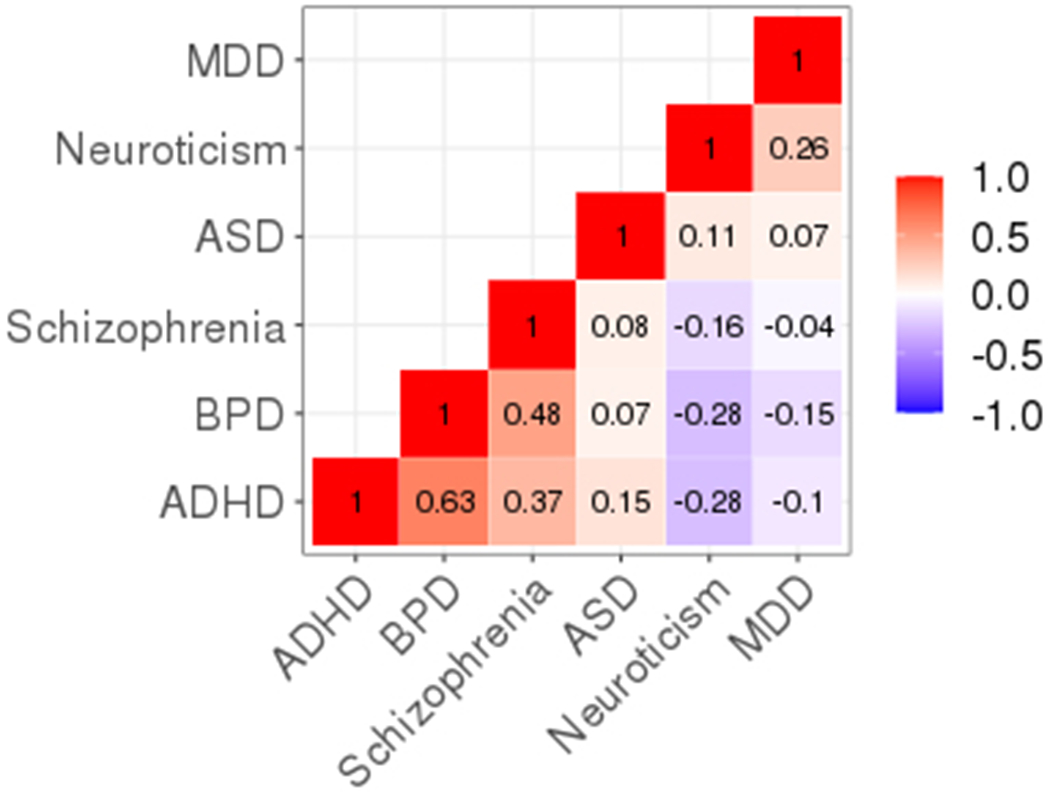
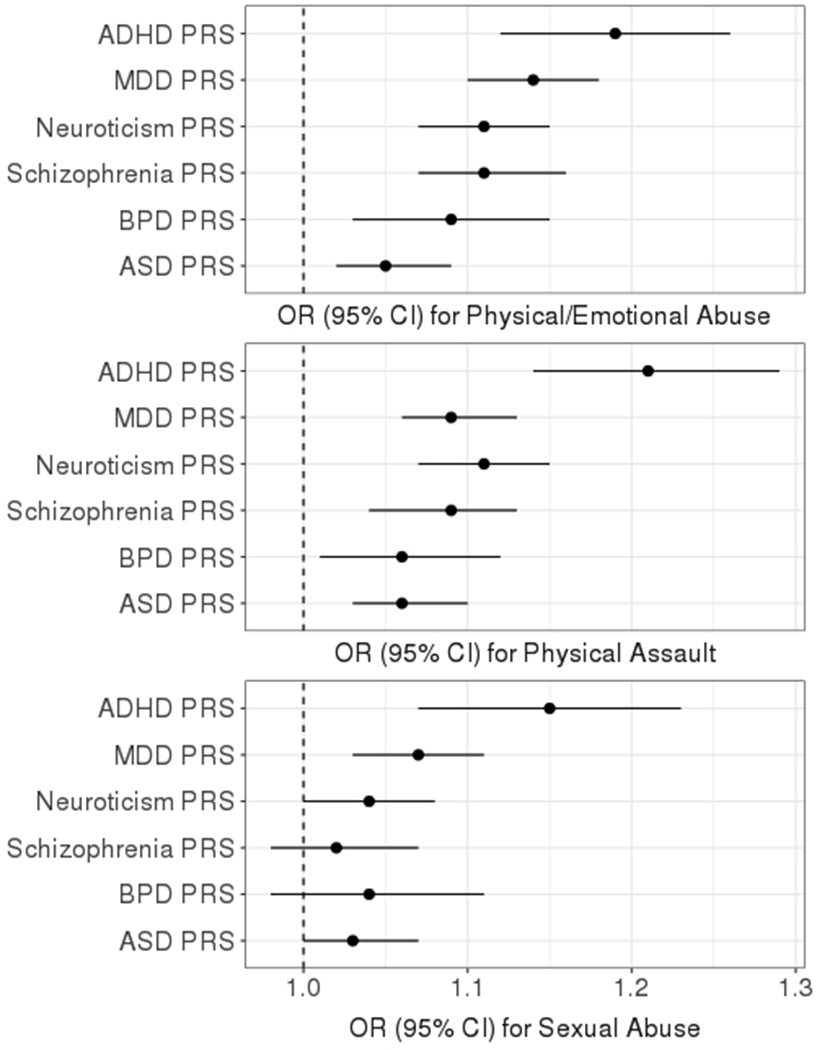
People who experience childhood abuse are at increased risk of mental illness. Twin studies suggest that inherited genetic risk for mental illness may account for some of these associations. Yet, the hypothesis that individuals who have experienced childhood abuse may carry genetic loading for mental illness has never been tested with genetic data. Using polygenic risk scores for six psychiatric disorders-attention-deficit hyperactivity disorder (ADHD), autism spectrum disorder (ASD), bipolar disorder (BPD), major depressive disorder (MDD), neuroticism, and schizophrenia-we tested whether genetic risk for mental illness was associated with increased risk of experiencing three types of childhood abuse: physical/emotional abuse, physical assault, and sexual abuse, in a cohort of white non-Hispanic women (n = 11,315). ADHD and MDD genetic risk scores were associated with a higher risk of experiencing each type of childhood abuse, while neuroticism, schizophrenia, BPD, and ASD genetic scores were associated with a higher risk of experiencing physical/emotional abuse and physical assault, but not sexual abuse. Sensitivity analyses examining potential bias from the differential recall of childhood trauma, parental socioeconomic status, and population stratification were consistent with the main findings. A one-standard-deviation increase in genetic risk for mental illness was associated with a modestly elevated risk of experiencing childhood abuse (OR range: 1.05-1.19). Therefore, inherited genetic risk may partly account for the association of childhood abuse with mental illness. In addition, future treatments for mental illness will benefit from taking into consideration the co-occurrence of childhood trauma and genetic loading.
经历过童年虐待的人患精神疾病的风险增加。双胞胎研究表明,精神疾病的遗传风险可能是这些关联的部分原因。然而,经历过童年虐待的个体可能携带精神疾病遗传负荷的假设从未通过遗传数据进行过测试。我们使用六种精神障碍(注意缺陷多动障碍 [ADHD]、自闭症谱系障碍 [ASD]、双相情感障碍 [BPD]、重度抑郁症 [MDD]、神经质和精神分裂症)的多基因风险评分,来测试精神疾病的遗传风险是否与经历三种类型的童年虐待有关:身体/情感虐待、身体攻击和性虐待,该研究队列为白人非西班牙裔女性(n=11315)。ADHD 和 MDD 的遗传风险评分与每种类型的童年虐待风险增加相关,而神经质、精神分裂症、BPD 和 ASD 的遗传评分与身体/情感虐待和身体攻击的风险增加相关,但与性虐待无关。检查童年创伤的差异回忆、父母社会经济地位和人群分层潜在偏差的敏感性分析结果与主要发现一致。遗传风险增加一个标准差与经历童年虐待的风险略有增加相关(OR 范围:1.05-1.19)。因此,遗传风险可能部分解释了童年虐待与精神疾病的关联。此外,考虑到童年创伤和遗传负荷的同时发生,未来的精神疾病治疗将受益于此。