Department of Laboratory Medicine, Karolinska Institutet, 141 52 Huddinge, Sweden.
Discovery Sciences, BioPharmaceuticals R&D Unit, AstraZeneca, Gothenburg, Sweden.
Mol Ther. 2021 May 5;29(5):1903-1917. doi: 10.1016/j.ymthe.2021.01.024. Epub 2021 Jan 21.
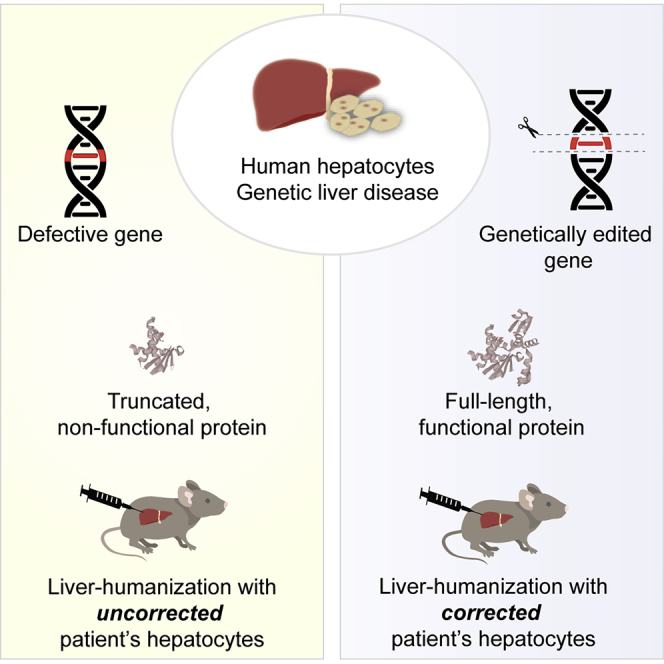
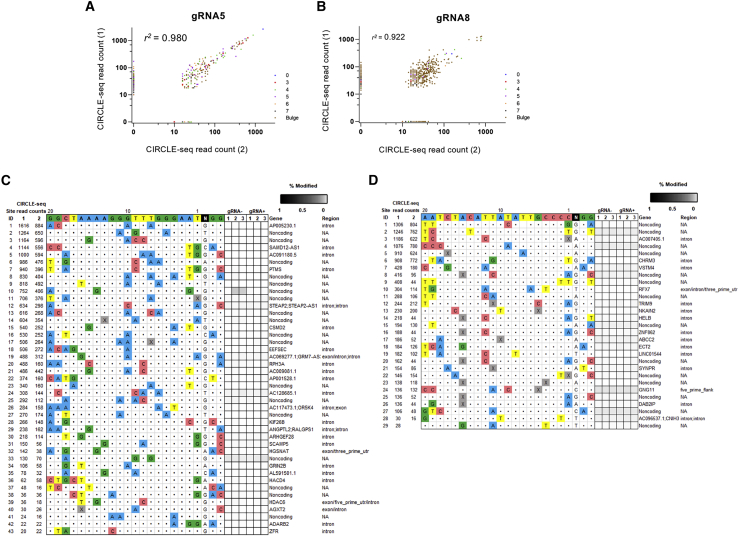
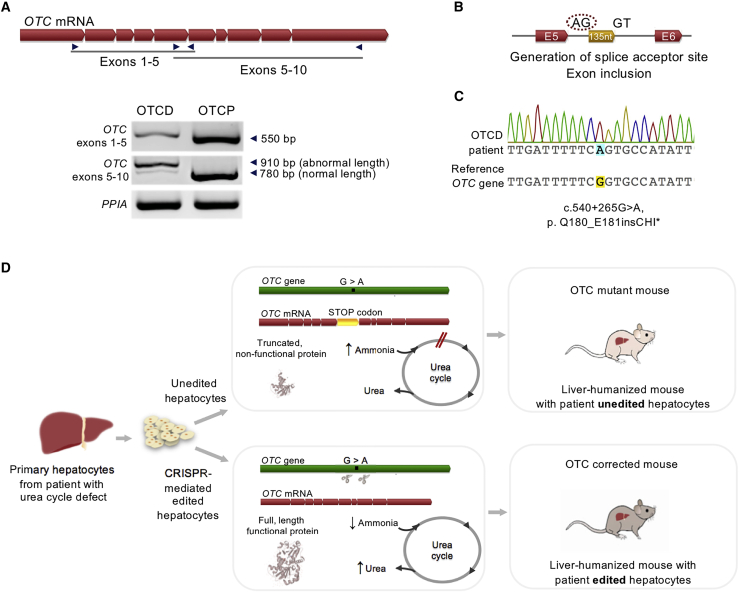
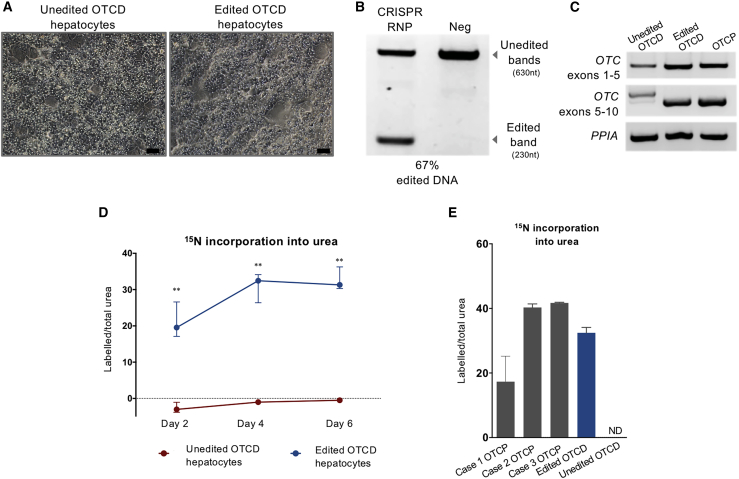
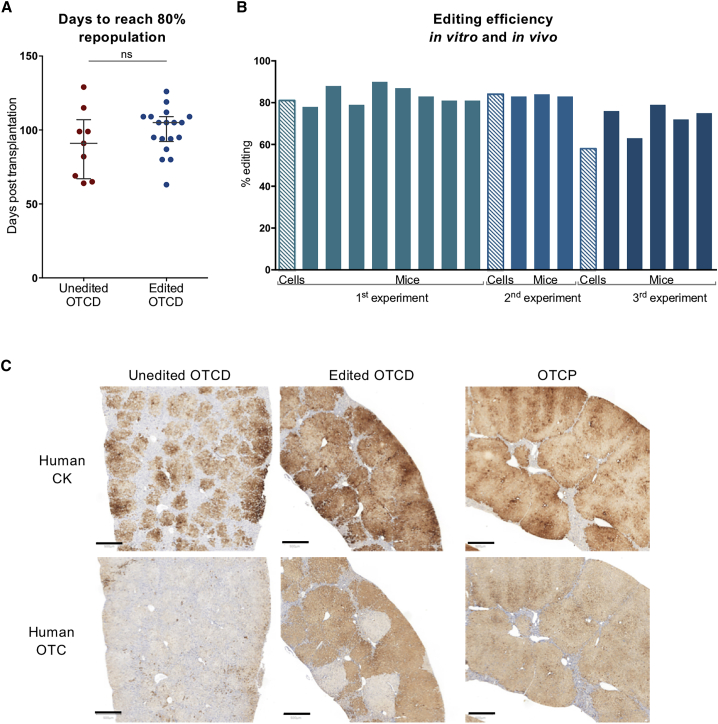
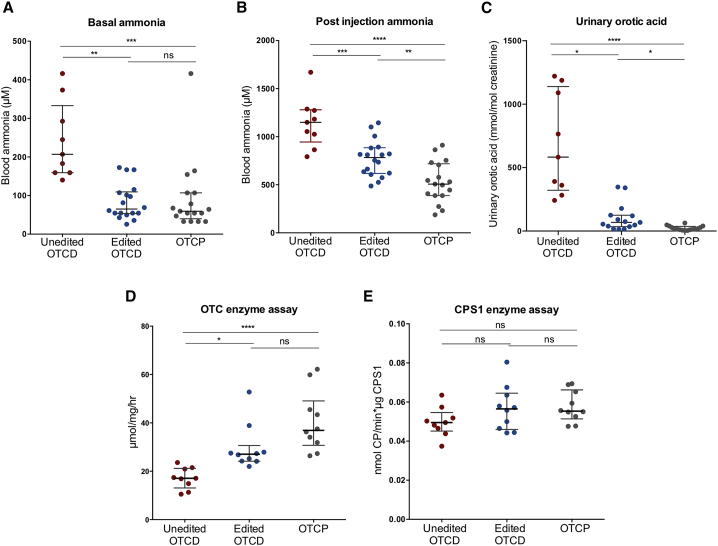
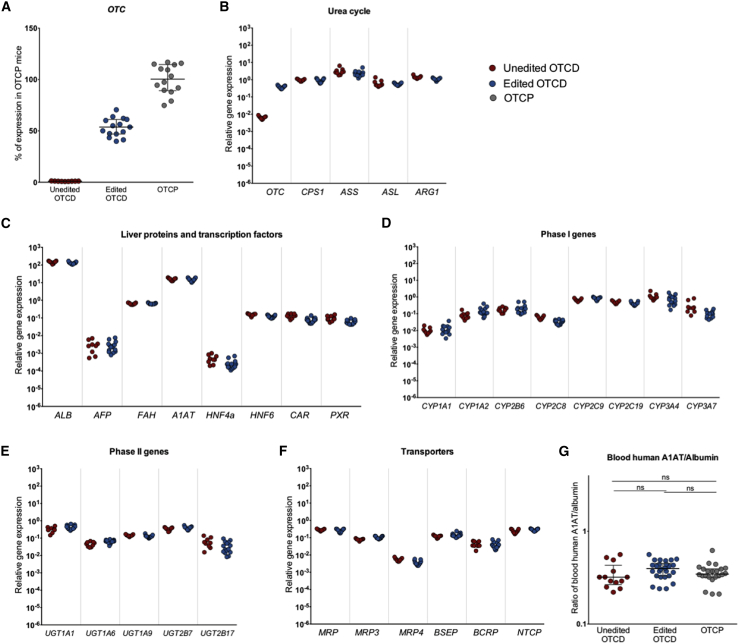
Ornithine transcarbamylase deficiency (OTCD) is a monogenic disease of ammonia metabolism in hepatocytes. Severe disease is frequently treated by orthotopic liver transplantation. An attractive approach is the correction of a patient's own cells to regenerate the liver with gene-repaired hepatocytes. This study investigates the efficacy and safety of ex vivo correction of primary human hepatocytes. Hepatocytes isolated from an OTCD patient were genetically corrected ex vivo, through the deletion of a mutant intronic splicing site achieving editing efficiencies >60% and the restoration of the urea cycle in vitro. The corrected hepatocytes were transplanted into the liver of FRGN mice and repopulated to high levels (>80%). Animals transplanted and liver repopulated with genetically edited patient hepatocytes displayed normal ammonia, enhanced clearance of an ammonia challenge and OTC enzyme activity, as well as lower urinary orotic acid when compared to mice repopulated with unedited patient hepatocytes. Gene expression was shown to be similar between mice transplanted with unedited or edited patient hepatocytes. Finally, a genome-wide screening by performing CIRCLE-seq and deep sequencing of >70 potential off-targets revealed no unspecific editing. Overall analysis of disease phenotype, gene expression, and possible off-target editing indicated that the gene editing of a severe genetic liver disease was safe and effective.
鸟氨酸氨甲酰基转移酶缺乏症(OTCD)是一种肝细胞氨代谢的单基因疾病。严重的疾病通常通过原位肝移植治疗。一种有吸引力的方法是纠正患者自身的细胞,用基因修复的肝细胞再生肝脏。本研究探讨了体外纠正原代人肝细胞的疗效和安全性。通过删除一个突变的内含子剪接位点,从 OTCD 患者中分离出的肝细胞在体外进行了基因纠正,编辑效率>60%,并在体外恢复了尿素循环。经校正的肝细胞被移植到 FRGN 小鼠的肝脏中,并以高水平(>80%)进行再定植。与用未经编辑的患者肝细胞再定植的小鼠相比,用基因编辑的患者肝细胞移植和肝脏再定植的动物显示出正常的氨水平、增强的氨挑战清除率和 OTC 酶活性,以及较低的尿嘧啶酸。与用未经编辑的患者肝细胞移植的小鼠相比,基因表达显示出相似性。最后,通过进行 CIRCLE-seq 和对>70 个潜在脱靶的深度测序进行全基因组筛选,未发现非特异性编辑。疾病表型、基因表达和可能的脱靶编辑的综合分析表明,严重遗传性肝病的基因编辑是安全有效的。