Fleury Eduardo, Nimir Cristiane, D'Alessandro Gabriel Salum
Service of Radiology, IBCC - Instituto Brasileiro de Controle do Câncer, São Paulo, SP, Brazil.
Service of Pathology, FEMME - Laboratório da Mulher, São Paulo, SP, Brazil.
Breast Cancer (Dove Med Press). 2021 Jan 15;13:45-58. doi: 10.2147/BCTT.S294166. eCollection 2021.
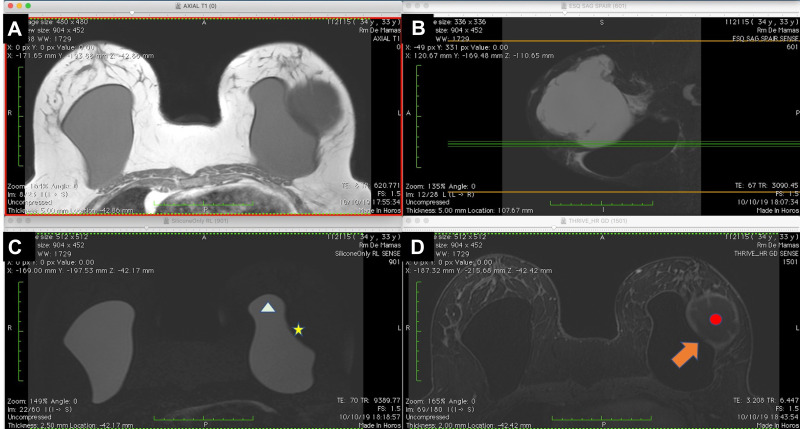
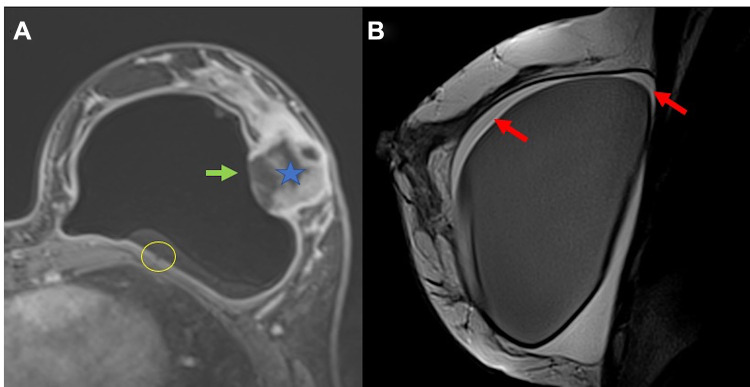
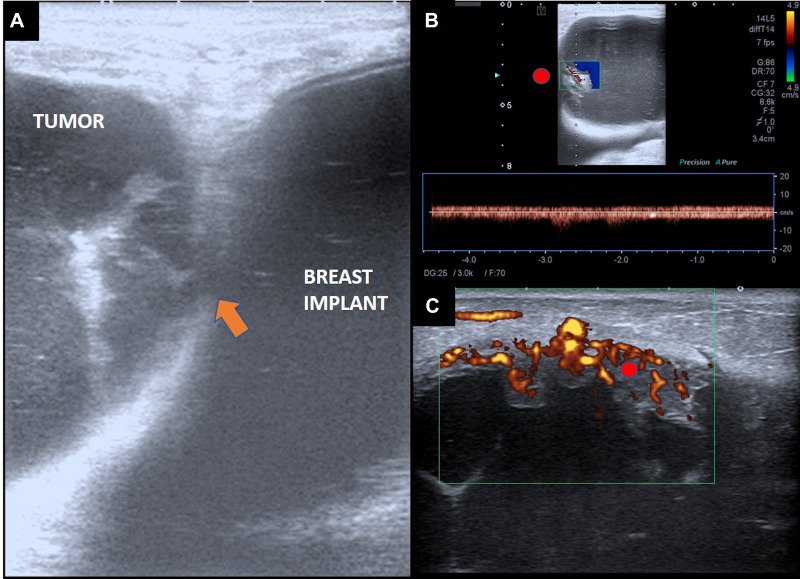
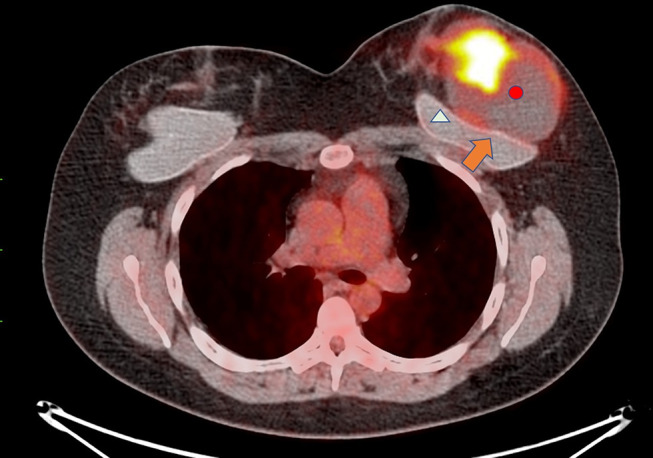
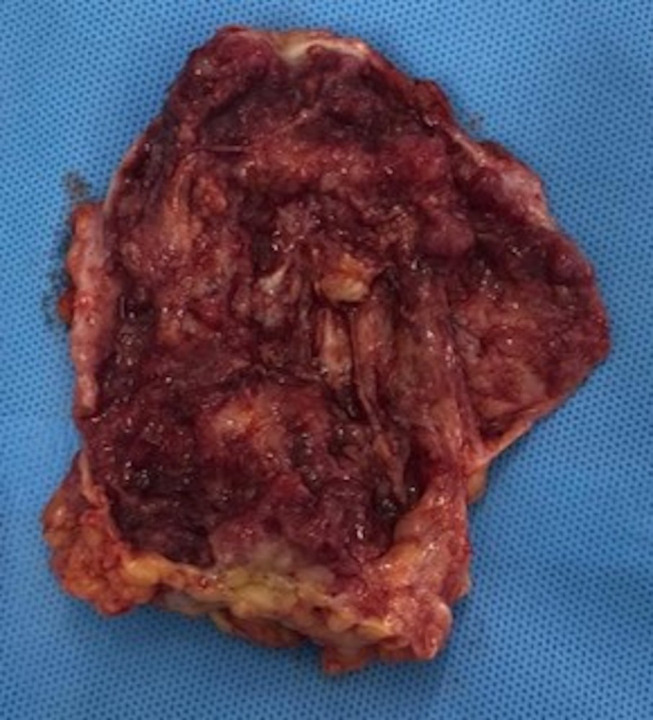
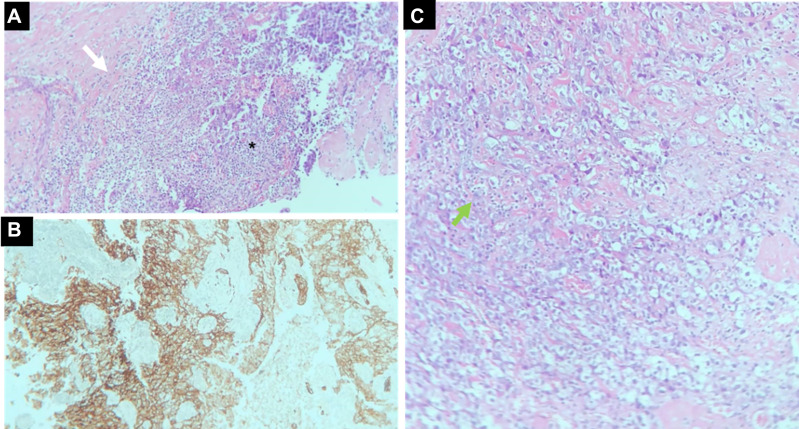
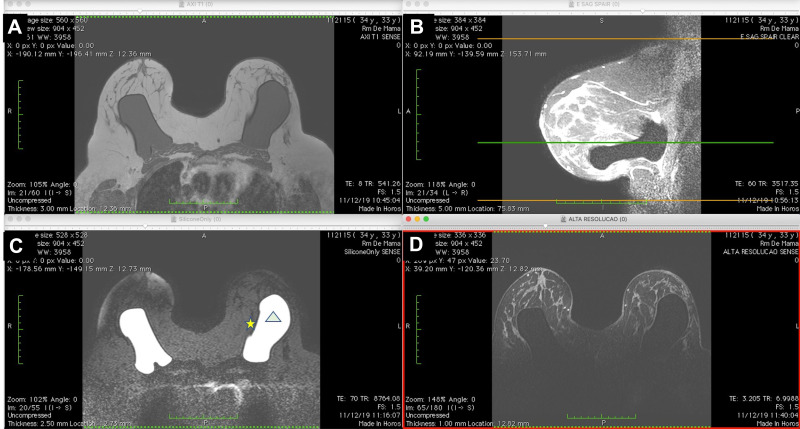
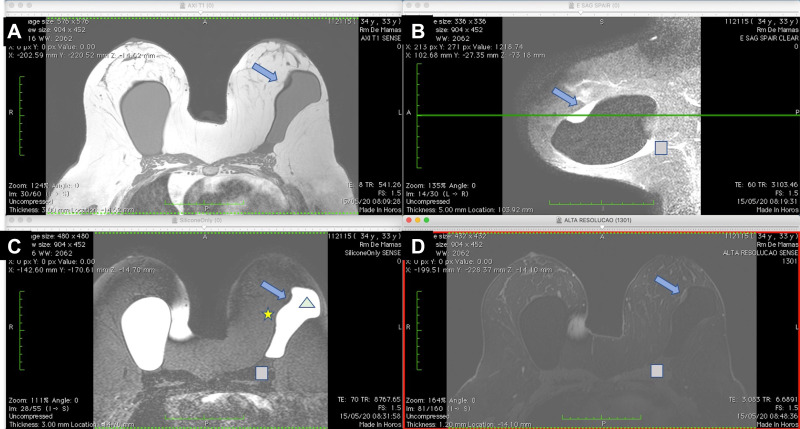
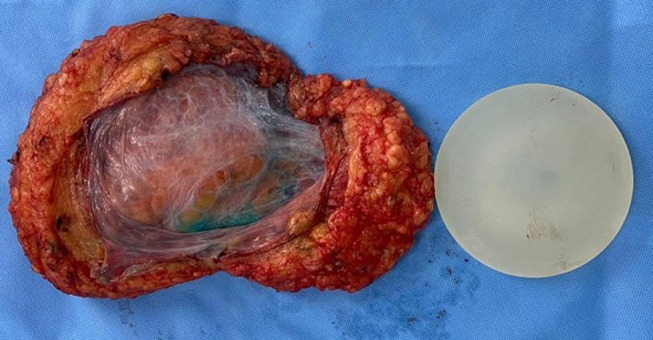
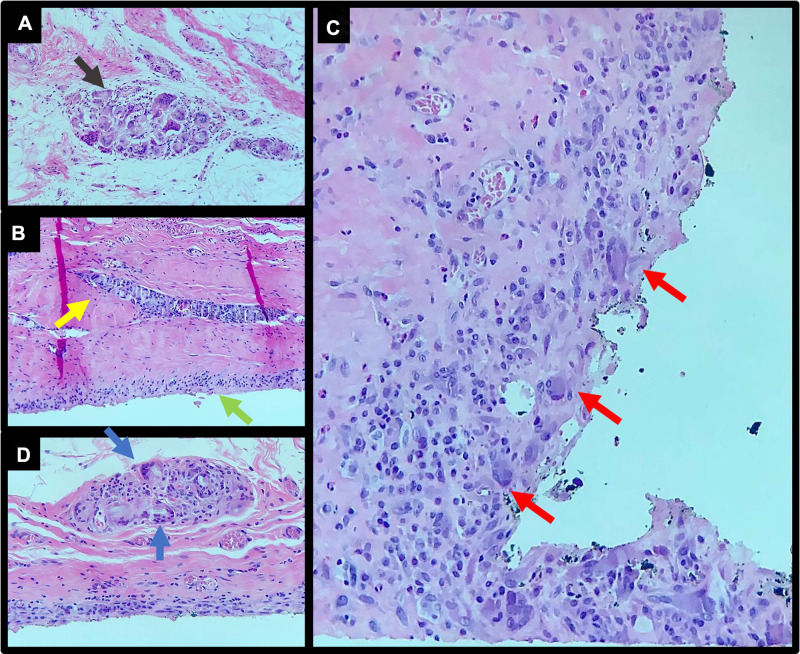
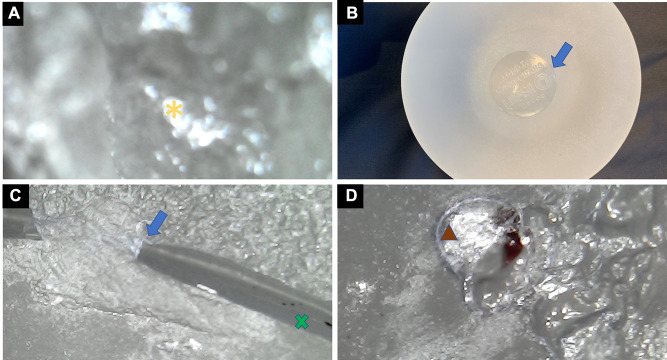
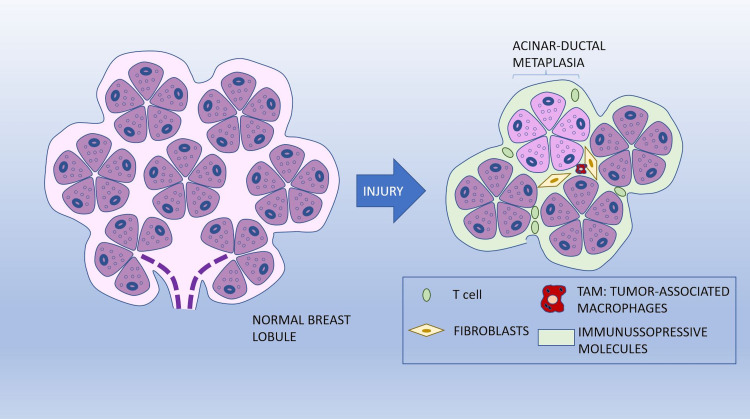
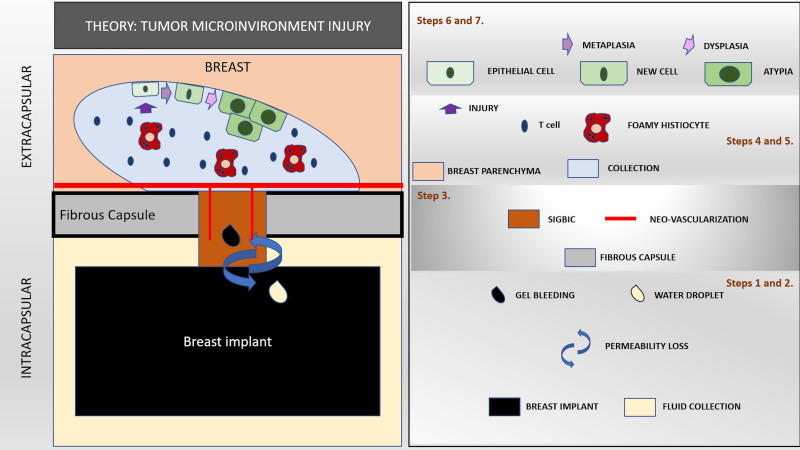
Complications related to breast implants have received much attention recently. Breast implant-associated anaplastic large cell lymphoma, silicone-induced granuloma of breast implant capsule, and breast implant illness are the main complications reported in the medical literature. However, the literature contains limited evidence regarding the possibility of silicone implants eliciting breast carcinoma. In this manuscript, we propose a theory in which the immune response to silicone breast implant gel bleeding acts as a triggering point for tumor oncogenesis in breast tissue. This hypothesis is derived from our findings of a case of invasive and undifferentiated medullary carcinoma in a patient with a silicone breast implant. The following concepts have been used to support this theory: 1) silicone bleeding from intact breast implants; 2) metaplasia: an adaptation to injury and precursor to dysplasia and cancer; 3) T-cell dysfunction in cancer immunity; 4) inhibitory cells in the tumor microenvironment (TME); 5) morphogenesis and bauplan; and 6) concepts underlying medullary carcinoma. We propose that the inflammatory process in response to silicone particles in the pericapsular glandular tissue favors the development of cellular mutations in specialized epithelial cells. This reverse morphogenesis could have resulted in breast carcinoma of the medullary type in the present case.
与乳房植入物相关的并发症近来备受关注。乳房植入物相关间变性大细胞淋巴瘤、硅胶诱导的乳房植入物包膜肉芽肿以及乳房植入物疾病是医学文献中报道的主要并发症。然而,关于硅胶植入物引发乳腺癌可能性的文献证据有限。在本论文中,我们提出一种理论,即对硅胶乳房植入物凝胶渗漏的免疫反应是乳腺组织肿瘤发生的触发点。这一假设源于我们对一名患有硅胶乳房植入物的患者发生浸润性未分化髓样癌病例的研究结果。以下概念被用于支持这一理论:1)完整乳房植入物的硅胶渗漏;2)化生:对损伤的适应性变化以及发育异常和癌症的前驱病变;3)癌症免疫中的T细胞功能障碍;4)肿瘤微环境(TME)中的抑制性细胞;5)形态发生和躯体模式;6)髓样癌的相关概念。我们认为,包膜周围腺组织中对硅胶颗粒的炎症反应过程有利于特殊上皮细胞发生细胞突变。这种反向形态发生可能导致了本例中的髓样型乳腺癌。