Parsons Sean P, Huizinga Jan D
Department of Medicine, Farncombe Family Digestive Health Research Institute, McMaster University, Hamilton, ON, Canada.
Department of Medicine and School of Biomedical Engineering, Farncombe Family Digestive Health Research Institute, McMaster University, Hamilton, ON, Canada.
Front Neurosci. 2021 Jan 7;14:592664. doi: 10.3389/fnins.2020.592664. eCollection 2020.
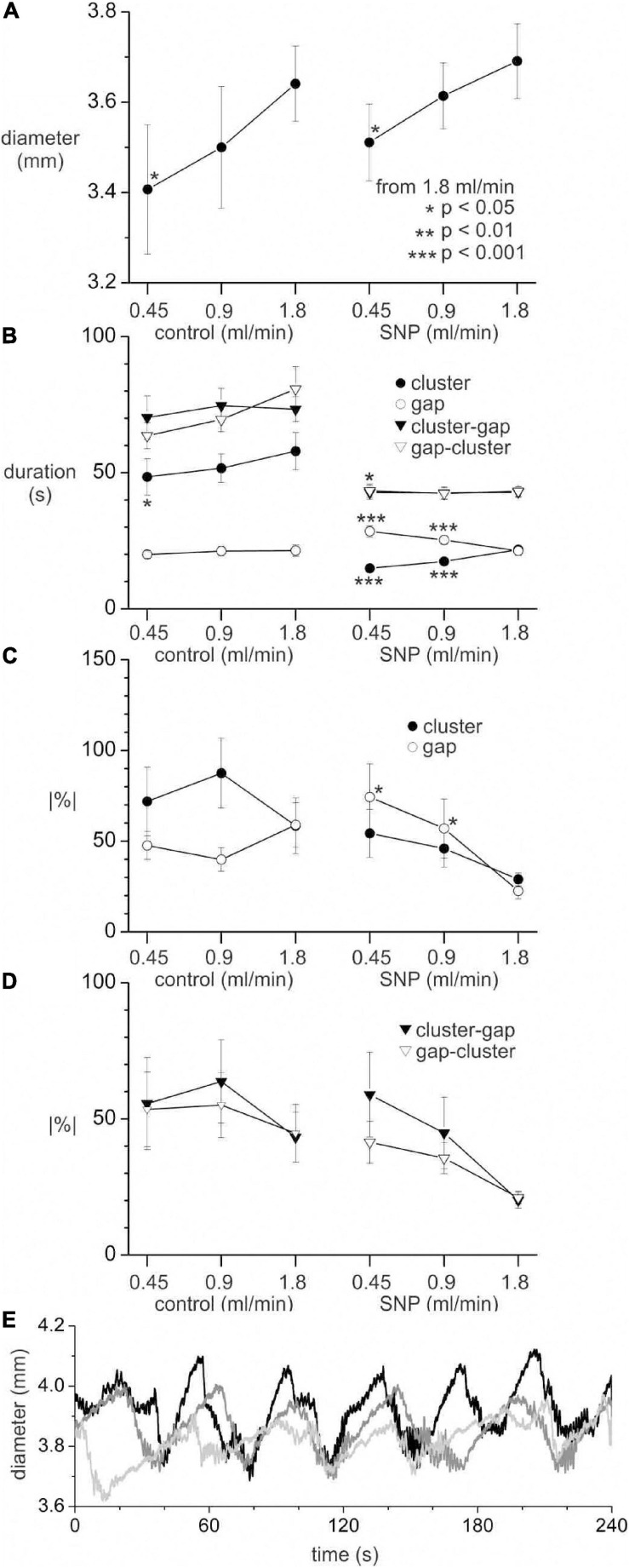
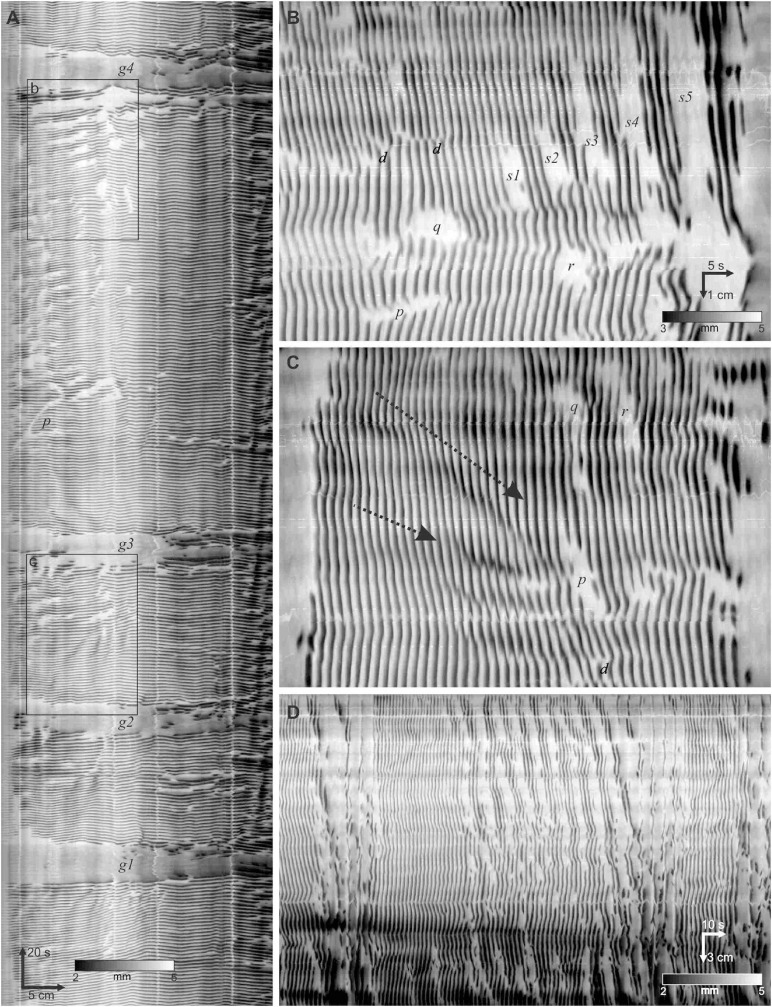
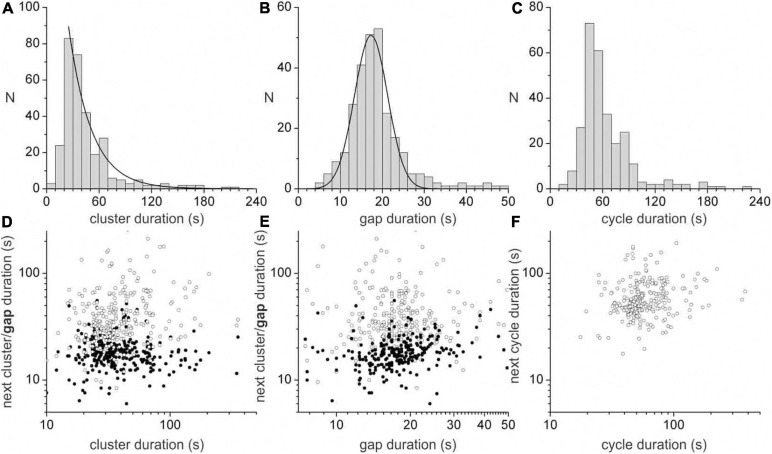
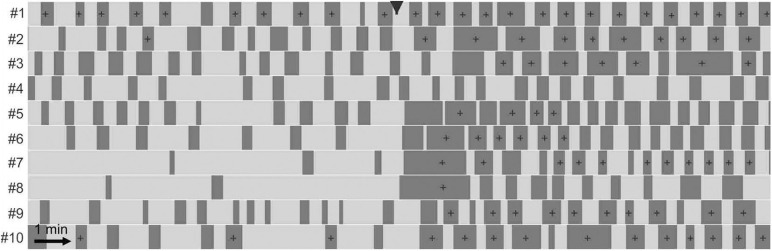
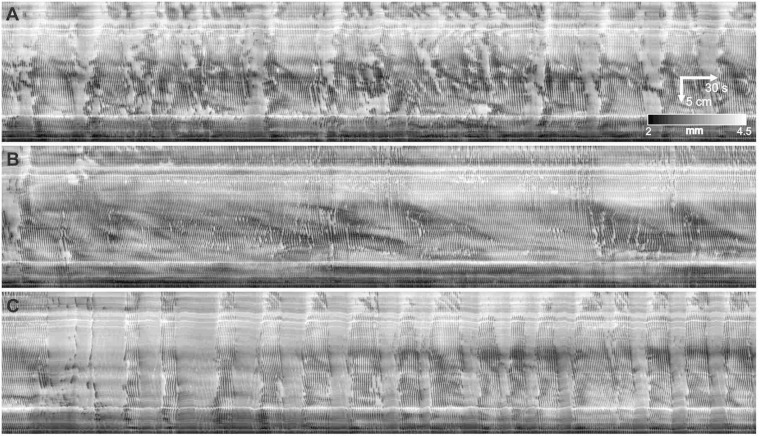
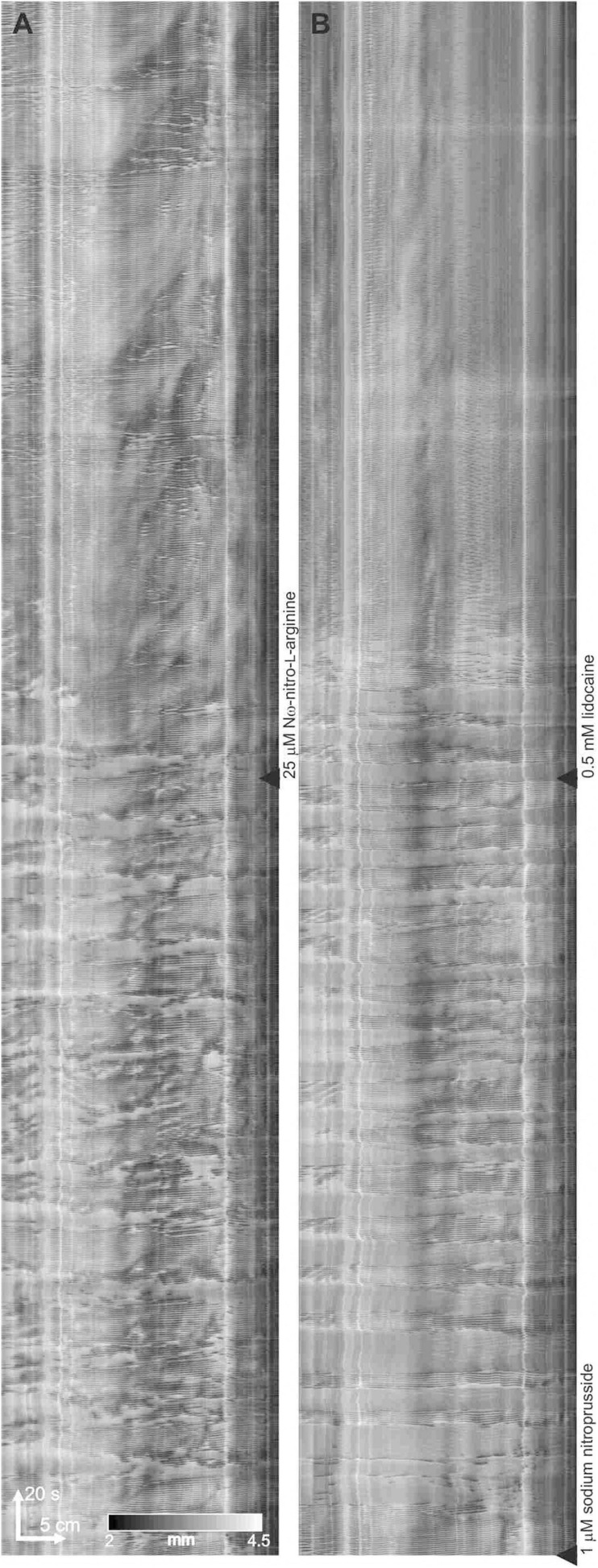
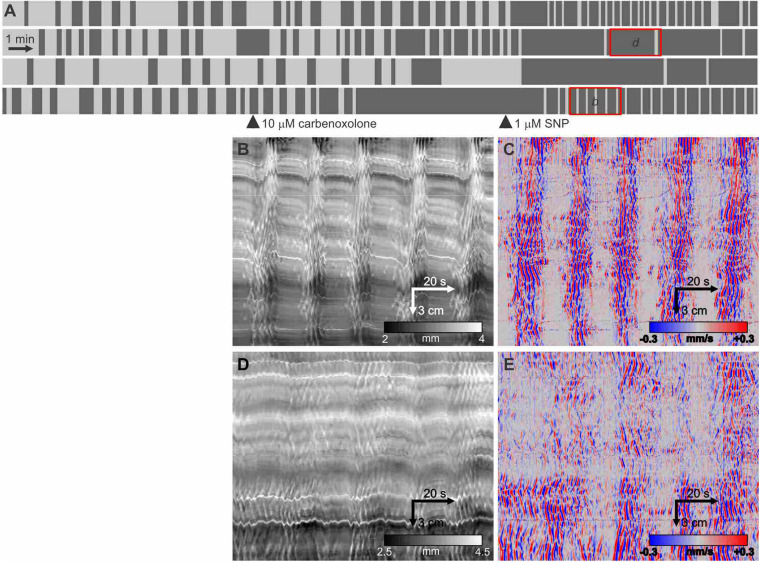
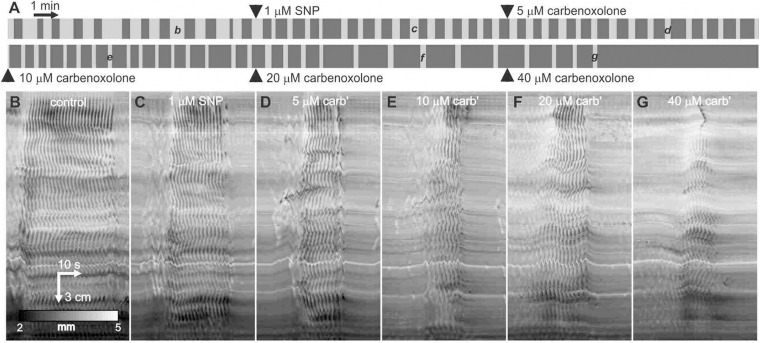
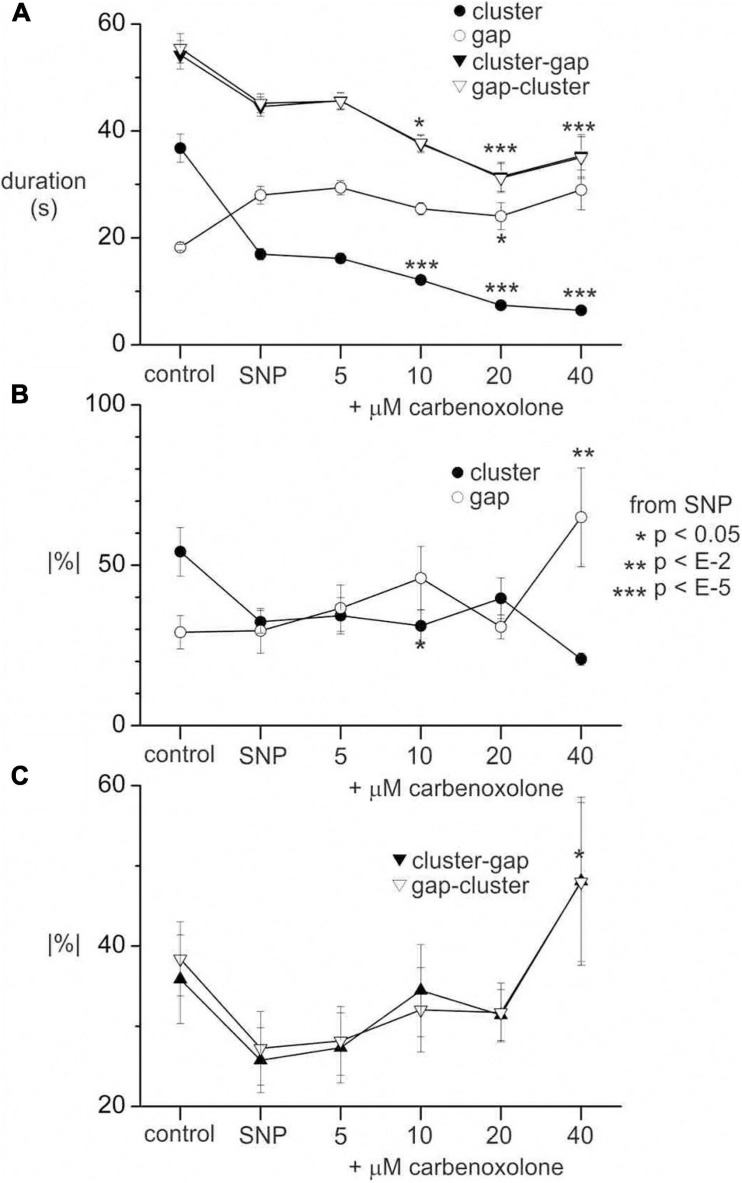
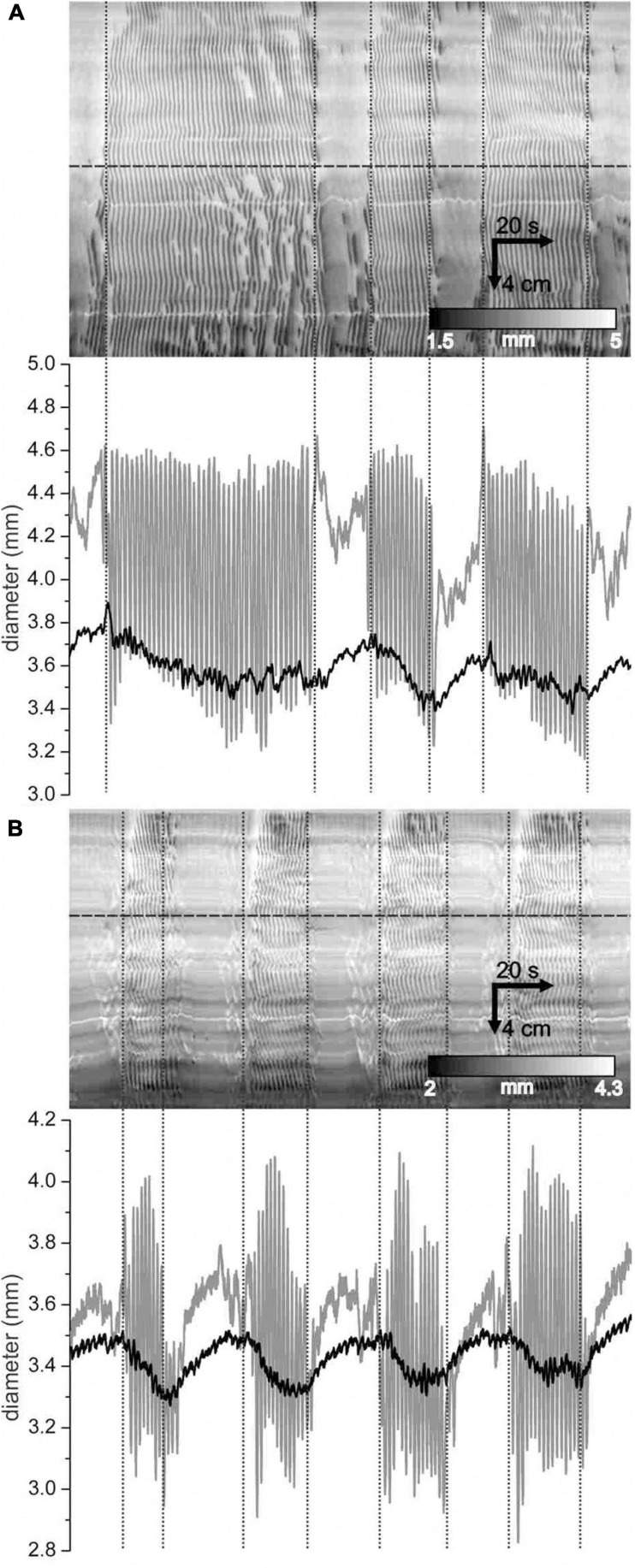
Nitrergic nerves have been proposed to play a critical role in the orchestration of peristaltic activities throughout the gastrointestinal tract. In the present study, we investigated the role of nitric oxide, using spatiotemporal mapping, in peristaltic activity of the whole mouse intestine. We identified a propulsive motor pattern in the form of propagating myogenic contractions, that are clustered by the enteric nervous system into a minute rhythm that is dependent on nitric oxide. The cluster formation was abolished by TTX, lidocaine and nitric oxide synthesis inhibition, whereas the myogenic contractions, occurring at the ICC-MP initiated slow wave frequency, remained undisturbed. Cluster formation, inhibited by block of nitric oxide synthesis, was fully restored in a highly regular rhythmic fashion by a constant level of nitric oxide generated by sodium nitroprusside; but the action of sodium nitroprusside was inhibited by lidocaine indicating that it was relying on neural activity, but not rhythmic nitrergic nerve activity. Hence, distention-induced activity of cholinergic nerves and/or a co-factor within nitrergic nerves such as ATP is also a requirement for the minute rhythm. Cluster formation was dependent on distention but was not evoked by a distention reflex. Block of gap junction conductance by carbenoxolone, dose dependently inhibited, and eventually abolished clusters and contraction waves, likely associated, not with inhibition of nitrergic innervation, but by abolishing ICC network synchronization. An intriguing feature of the clusters was the presence of bands of rhythmic inhibitions at 4-8 cycles/min; these inhibitory patches occurred in the presence of tetrodotoxin or lidocaine and hence were not dependent on nitrergic nerves. We propose that the minute rhythm is generated by nitric oxide-induced rhythmic depolarization of the musculature via ICC-DMP.
有人提出,含氮能神经在整个胃肠道蠕动活动的协调中起关键作用。在本研究中,我们利用时空映射研究了一氧化氮在整个小鼠肠道蠕动活动中的作用。我们确定了一种推进性运动模式,其形式为传播性肌源性收缩,这种收缩被肠神经系统聚集成一种依赖于一氧化氮的分钟节律。TTX、利多卡因和一氧化氮合成抑制可消除簇形成,而发生在ICC-MP起始慢波频率的肌源性收缩不受影响。一氧化氮合成阻断抑制的簇形成,通过硝普钠产生的恒定水平的一氧化氮以高度规则的节律方式完全恢复;但硝普钠的作用被利多卡因抑制,表明其依赖于神经活动,而非节律性含氮能神经活动。因此,扩张诱导的胆碱能神经活动和/或含氮能神经内的一种辅助因子(如ATP)也是产生分钟节律的必要条件。簇形成依赖于扩张,但不是由扩张反射诱发的。羧苄青霉素阻断缝隙连接电导,剂量依赖性地抑制并最终消除簇和收缩波,这可能与抑制含氮能神经支配无关,而是通过消除ICC网络同步。簇的一个有趣特征是存在4-8次/分钟的节律性抑制带;这些抑制斑在存在河豚毒素或利多卡因的情况下出现,因此不依赖于含氮能神经。我们提出,分钟节律是由一氧化氮通过ICC-DMP诱导肌肉组织的节律性去极化产生的。