Zhang Dai, Zheng Yi, Yang Si, Li Yiche, Wang Meng, Yao Jia, Deng Yujiao, Li Na, Wei Bajin, Wu Ying, Zhu Yuyao, Li Hongtao, Dai Zhijun
Department of Breast Surgery, The First Affiliated Hospital, College of Medicine, Zhejiang University, Hangzhou, China.
Department of Oncology, The Second Affiliated Hospital of Xi'an Jiaotong University, Xi'an, China.
Front Oncol. 2021 Jan 8;10:596087. doi: 10.3389/fonc.2020.596087. eCollection 2020.
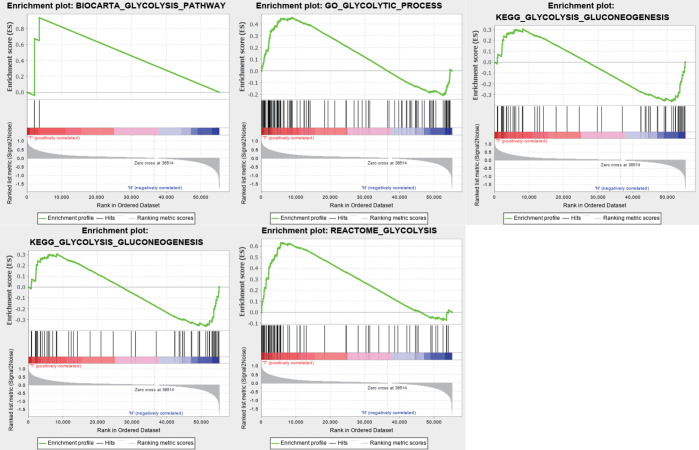
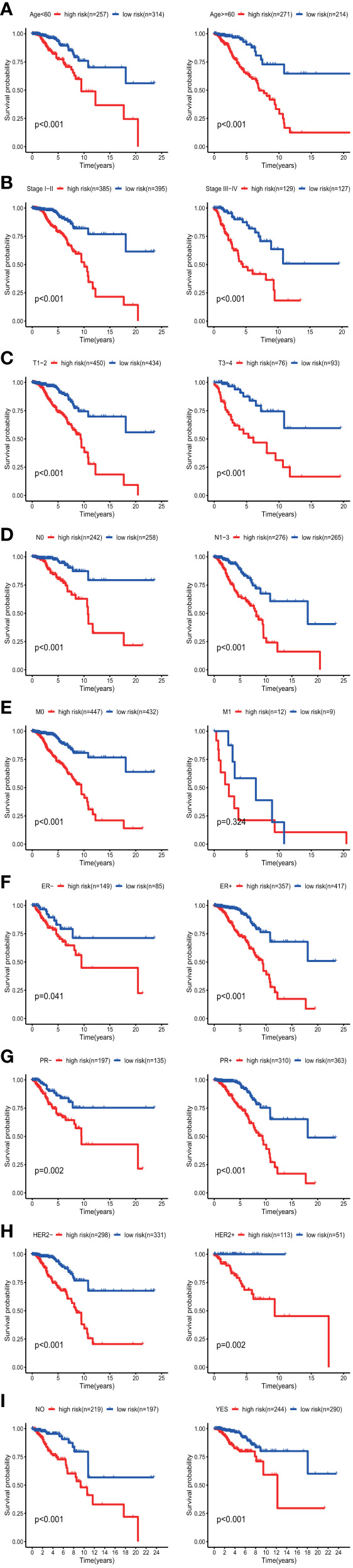
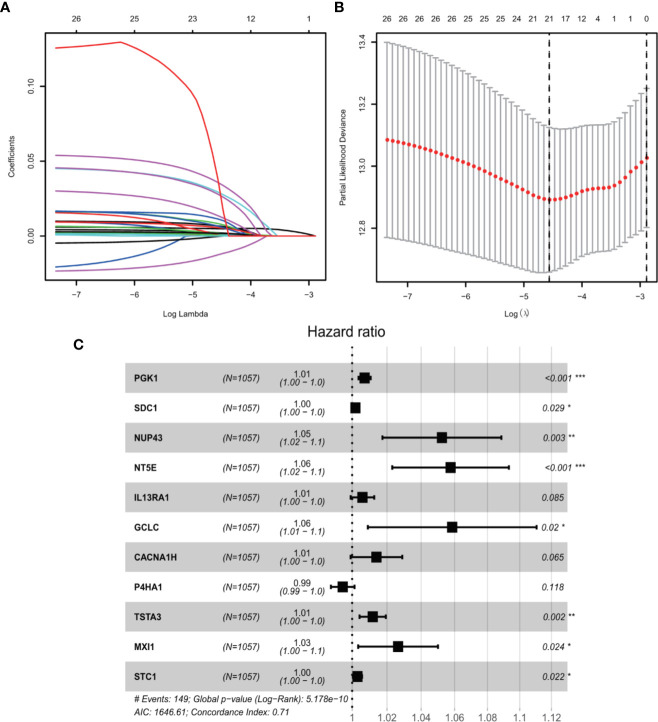
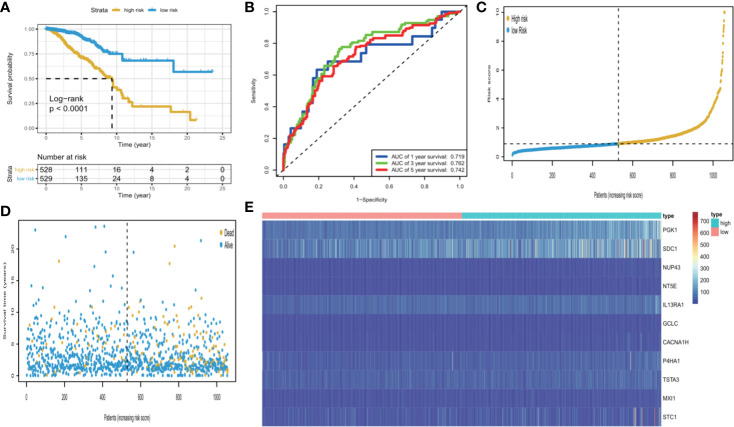
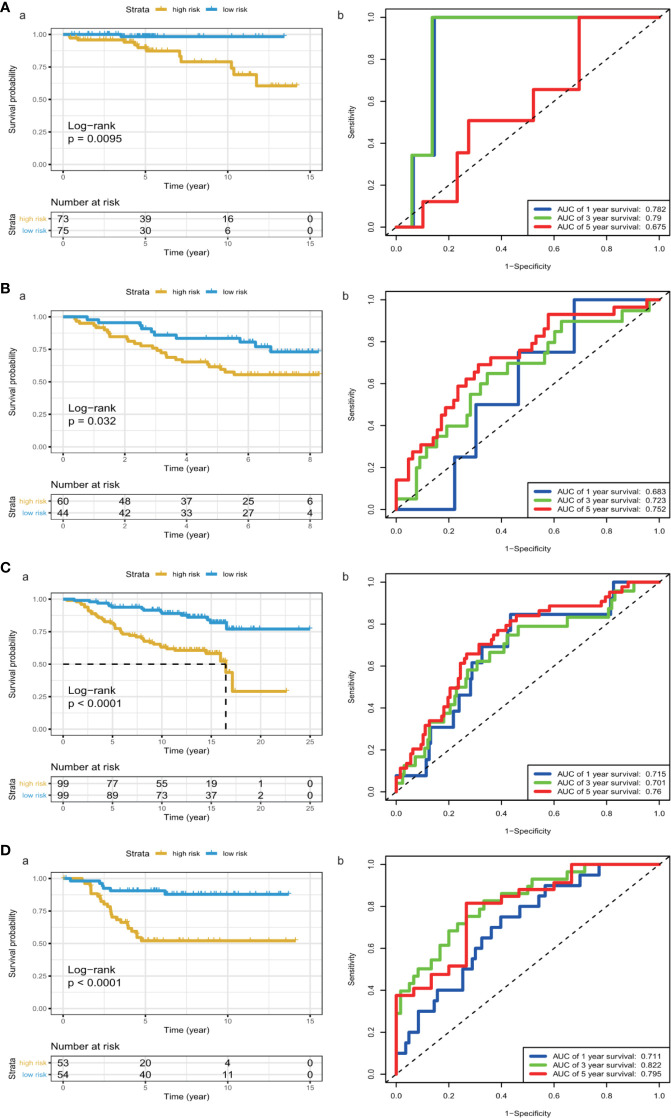
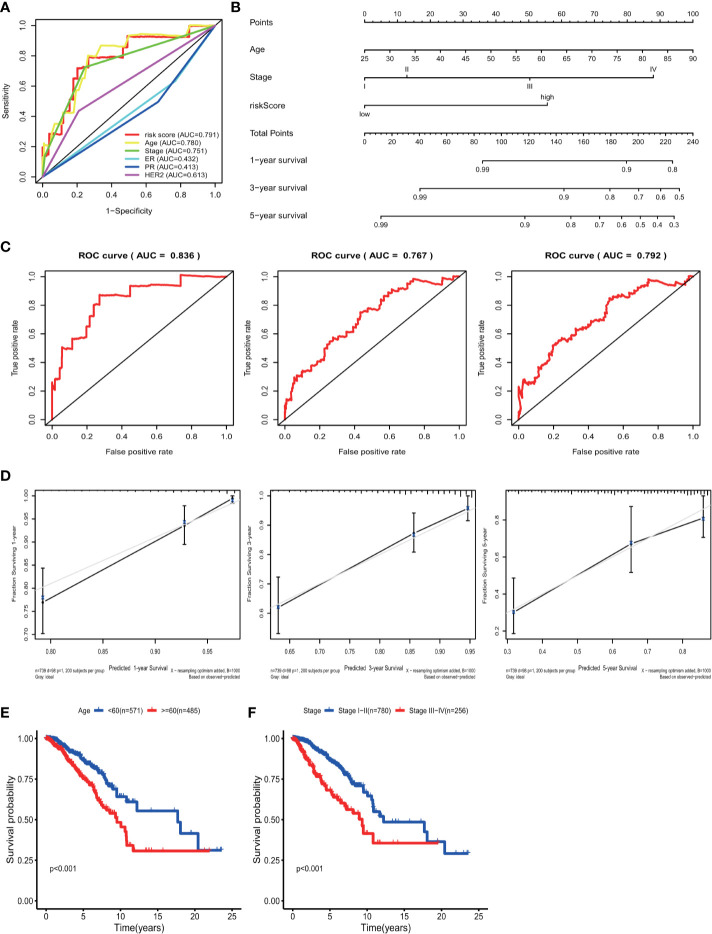
To identify a glycolysis-related gene signature for the evaluation of prognosis in patients with breast cancer, we analyzed the data of a training set from TCGA database and four validation cohorts from the GEO and ICGC databases which included 1,632 patients with breast cancer. We conducted GSEA, univariate Cox regression, LASSO, and multiple Cox regression analysis. Finally, an 11gene signature related to glycolysis for predicting survival in patients with breast cancer was developed. And Kaplan-Meier analysis and ROC analyses suggested that the signature showed a good prognostic ability for BC in the TCGA, ICGC, and GEO datasets. The analyses of univariate Cox regression and multivariate Cox regression revealed that it's an important prognostic factor independent of multiple clinical features. Moreover, a prognostic nomogram, combining the gene signature and clinical characteristics of patients, was constructed. These findings provide insights into the identification of breast cancer patients with a poor prognosis.
为了识别用于评估乳腺癌患者预后的糖酵解相关基因特征,我们分析了来自TCGA数据库的一个训练集以及来自GEO和ICGC数据库的四个验证队列的数据,这些数据包含1632例乳腺癌患者。我们进行了基因集富集分析(GSEA)、单变量Cox回归、套索(LASSO)和多变量Cox回归分析。最终,开发出了一个与糖酵解相关的11基因特征,用于预测乳腺癌患者的生存情况。Kaplan-Meier分析和ROC分析表明,该特征在TCGA、ICGC和GEO数据集中对乳腺癌具有良好的预后预测能力。单变量Cox回归和多变量Cox回归分析显示,它是一个独立于多种临床特征的重要预后因素。此外,构建了一个结合基因特征和患者临床特征的预后列线图。这些发现为识别预后不良的乳腺癌患者提供了思路。