Department of Pathogenic Microbiology and Immunology, School of Basic Medical Sciences, Xi'an Jiaotong University, Xi'an, 710061 Shaanxi, China.
Health Science Center, Xi'an Jiaotong University, Xi'an, 710061 Shaanxi, China.
Biomed Res Int. 2021 Jan 4;2021:5320941. doi: 10.1155/2021/5320941. eCollection 2021.
Mesothelioma (MESO) is a rare tumor derived from mesothelium cells. The aim of this study was to explore key candidate genes and potential molecular mechanisms for mesothelioma through bioinformatics analysis.
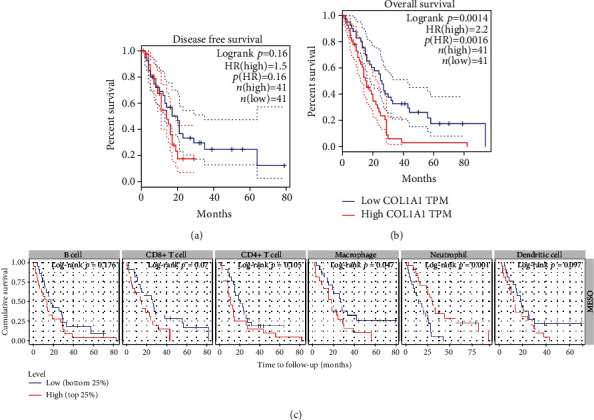
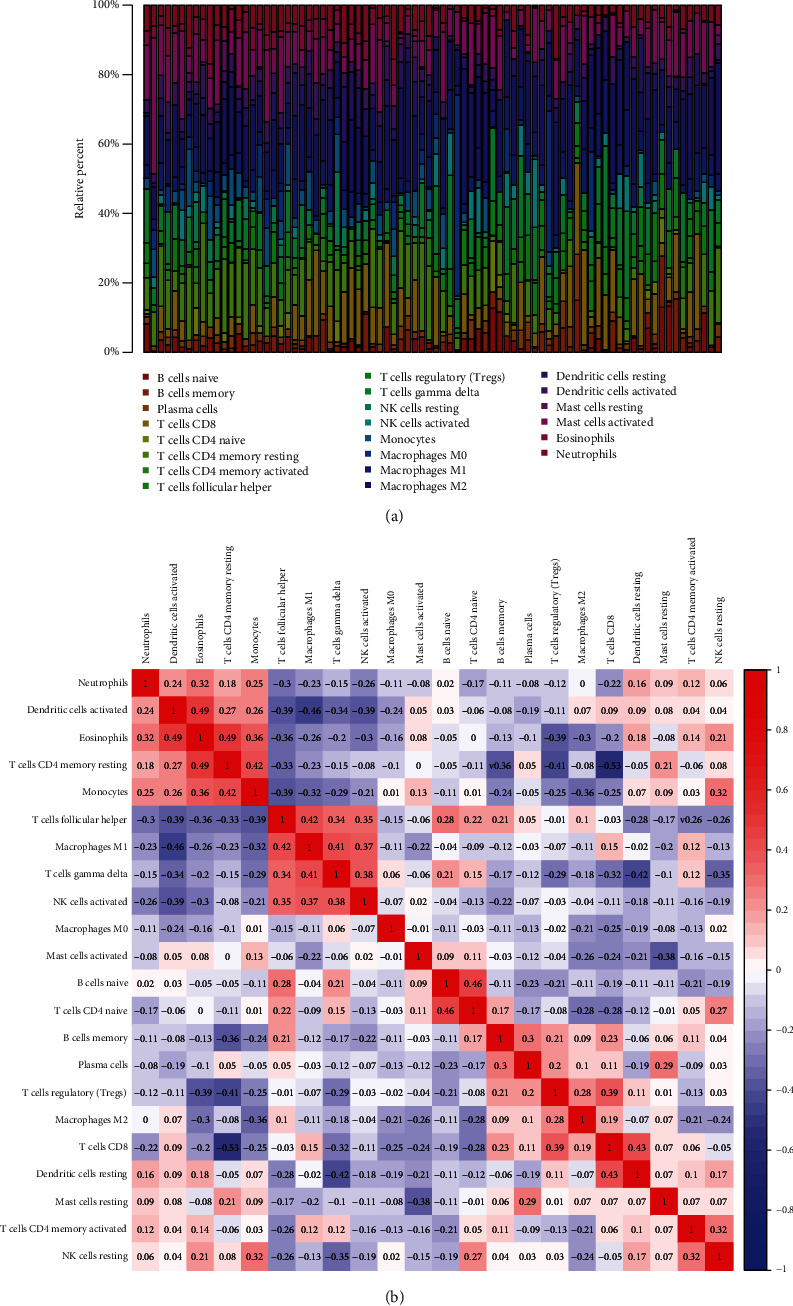
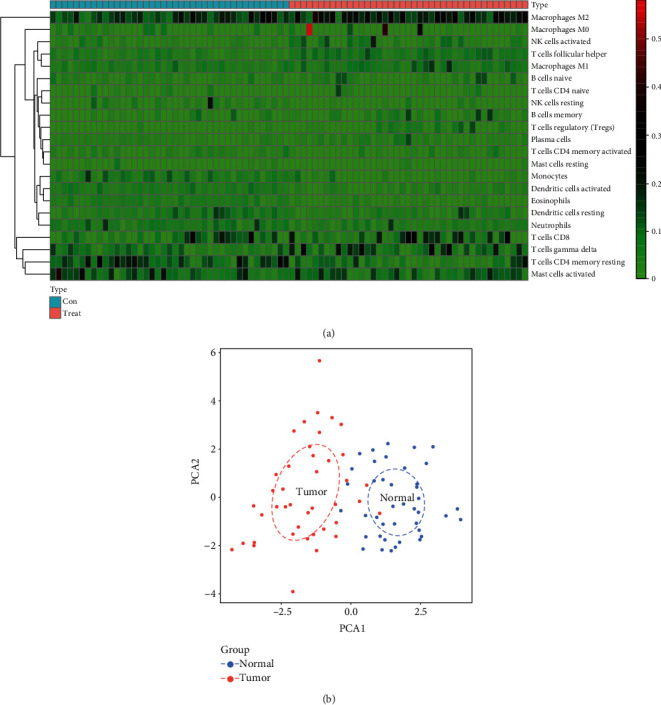
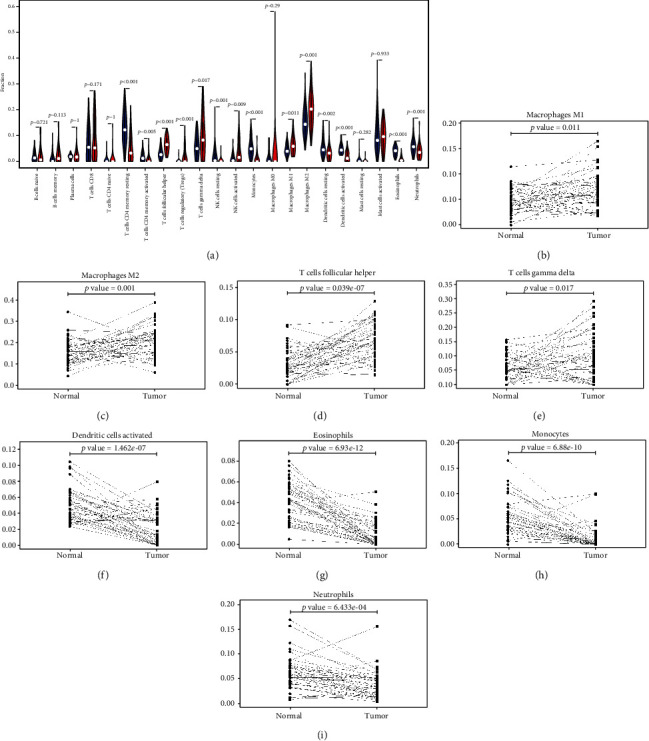
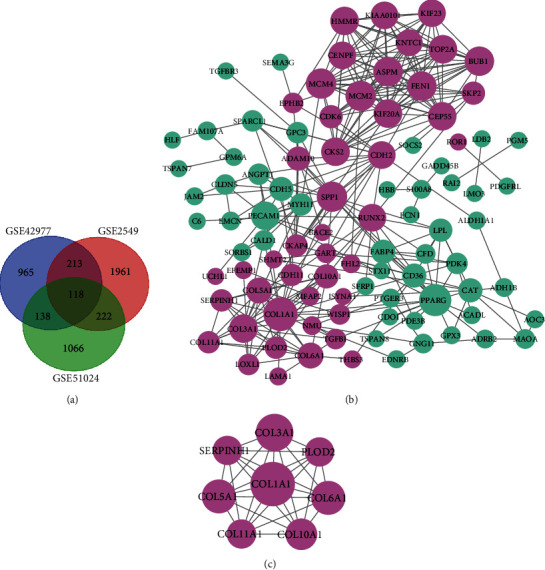
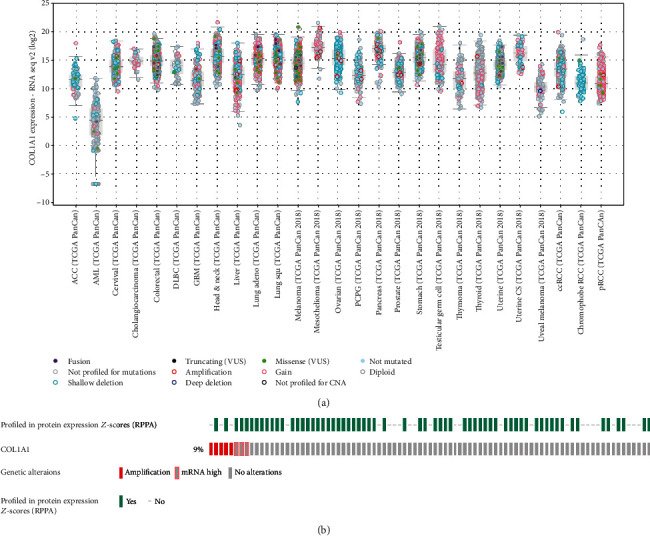
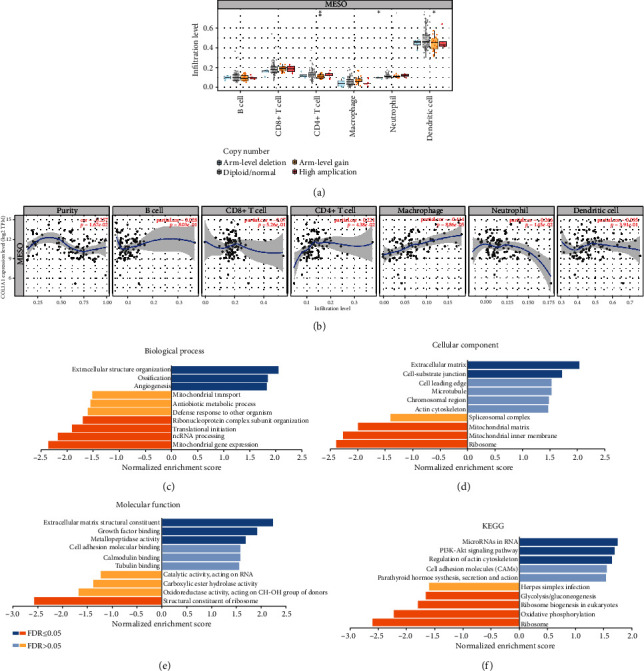
The MESO expression profiles came from the Gene Expression Omnibus (GEO) and The Cancer Genome Atlas (TCGA) databases. The differences in the infiltration levels of immune cells between MESO and normal tissues were assessed using CIBERSORT. Differentially expressed genes (DEGs) were identified by comprehensive analysis of multiple datasets. A protein-protein interaction (PPI) network was constructed, and a hub gene COL1A1 was selected for MESO. The expression and mutation of COL1A1 in MESO were analyzed in the cBioPortal database. The correlation between COL1A1 expression and immune cell infiltration was evaluated using the TIMER database. Gene Set Enrichment Analysis (GSEA) of COL1A1 was then performed. Finally, Kaplan-Meier survival analysis was presented to predict the survival times between high and low COL1A1 expression groups for MESO patients.
There were distinct differences in the infiltration levels of immune cells between MESO and normal tissues. A total of 118 DEGs were identified by comprehensively analyzing three expression profile datasets. COL1A1, a hub gene, was identified to be highly expressed in MESO compared to normal tissues. COL1A1 genetic mutation occurred in 9% of MESO samples, and amplification was the most common type of mutation. COL1A1 expression was significantly correlated to the infiltration levels of CD4+ T cells, macrophages, and neutrophils. GSEA results indicated that COL1A1 could be involved in key biological processes and pathways like extracellular matrix and PI3K-Akt pathway. Patients with high COL1A1 expression usually experienced shorten overall survival time than those with its low expression.
Our findings revealed that COL1A1 could become a potential prognostic biomarker for MESO, which was significantly related to immune cell infiltration.
间皮瘤(MESO)是一种来源于间皮细胞的罕见肿瘤。本研究旨在通过生物信息学分析,探讨间皮瘤的关键候选基因和潜在分子机制。
MESO 的表达谱来自基因表达综合数据库(GEO)和癌症基因组图谱(TCGA)数据库。使用 CIBERSORT 评估 MESO 与正常组织之间免疫细胞浸润水平的差异。通过对多个数据集的综合分析,确定差异表达基因(DEGs)。构建蛋白质-蛋白质相互作用(PPI)网络,并选择 MESO 的关键基因 COL1A1。在 cBioPortal 数据库中分析 MESO 中 COL1A1 的表达和突变。使用 TIMER 数据库评估 COL1A1 表达与免疫细胞浸润的相关性。然后对 COL1A1 进行基因集富集分析(GSEA)。最后,通过 Kaplan-Meier 生存分析预测 MESO 患者高、低 COL1A1 表达组之间的生存时间。
MESO 与正常组织之间免疫细胞浸润水平存在明显差异。通过综合分析三个表达谱数据集,共鉴定出 118 个 DEGs。COL1A1 是一个关键基因,在 MESO 中表达水平明显高于正常组织。COL1A1 基因发生突变的比例在 MESO 样本中为 9%,最常见的突变类型是扩增。COL1A1 表达与 CD4+T 细胞、巨噬细胞和中性粒细胞的浸润水平显著相关。GSEA 结果表明,COL1A1 可能参与细胞外基质和 PI3K-Akt 通路等关键生物学过程和途径。COL1A1 高表达的患者总生存时间通常比低表达的患者短。
本研究结果表明,COL1A1 可能成为间皮瘤的一个潜在预后生物标志物,与免疫细胞浸润密切相关。