Department of Biological Sciences, Sungkyunkwan University, Suwon, Korea.
Aquaculture Management Division, National Institute of Fisheries Science, Busan, South Korea.
Nat Ecol Evol. 2021 Mar;5(3):360-368. doi: 10.1038/s41559-020-01378-9. Epub 2021 Jan 25.
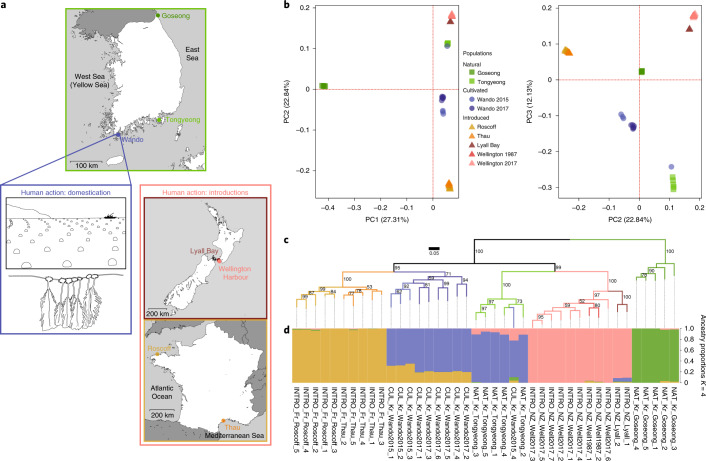
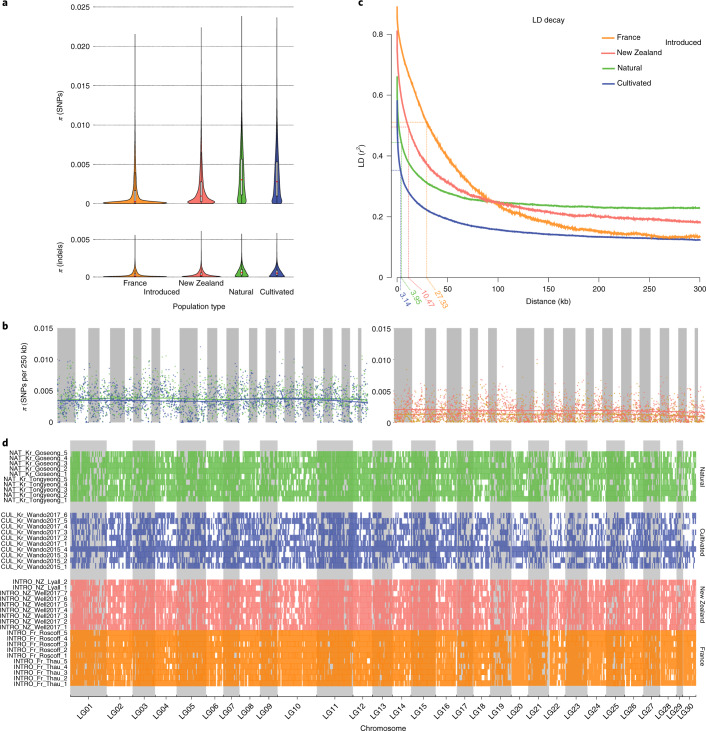
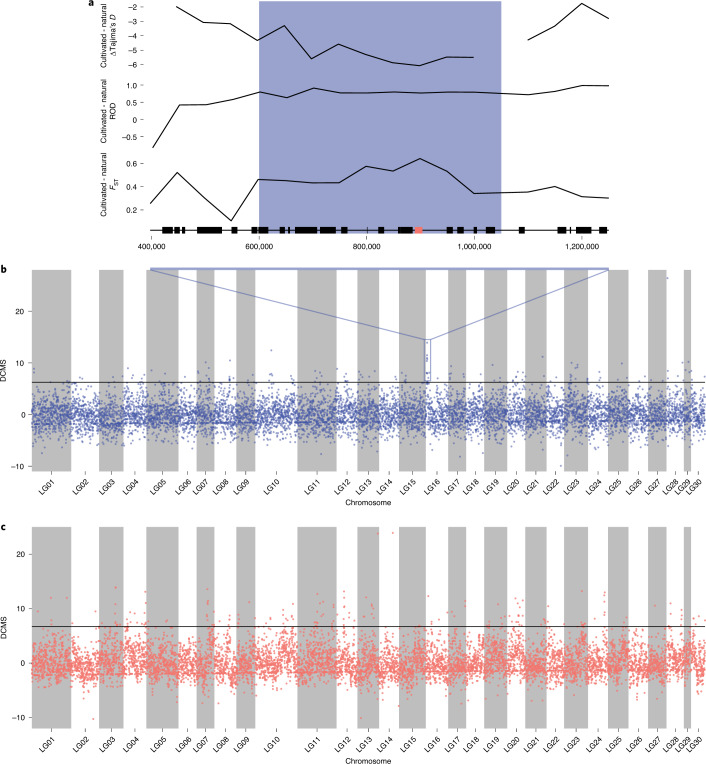
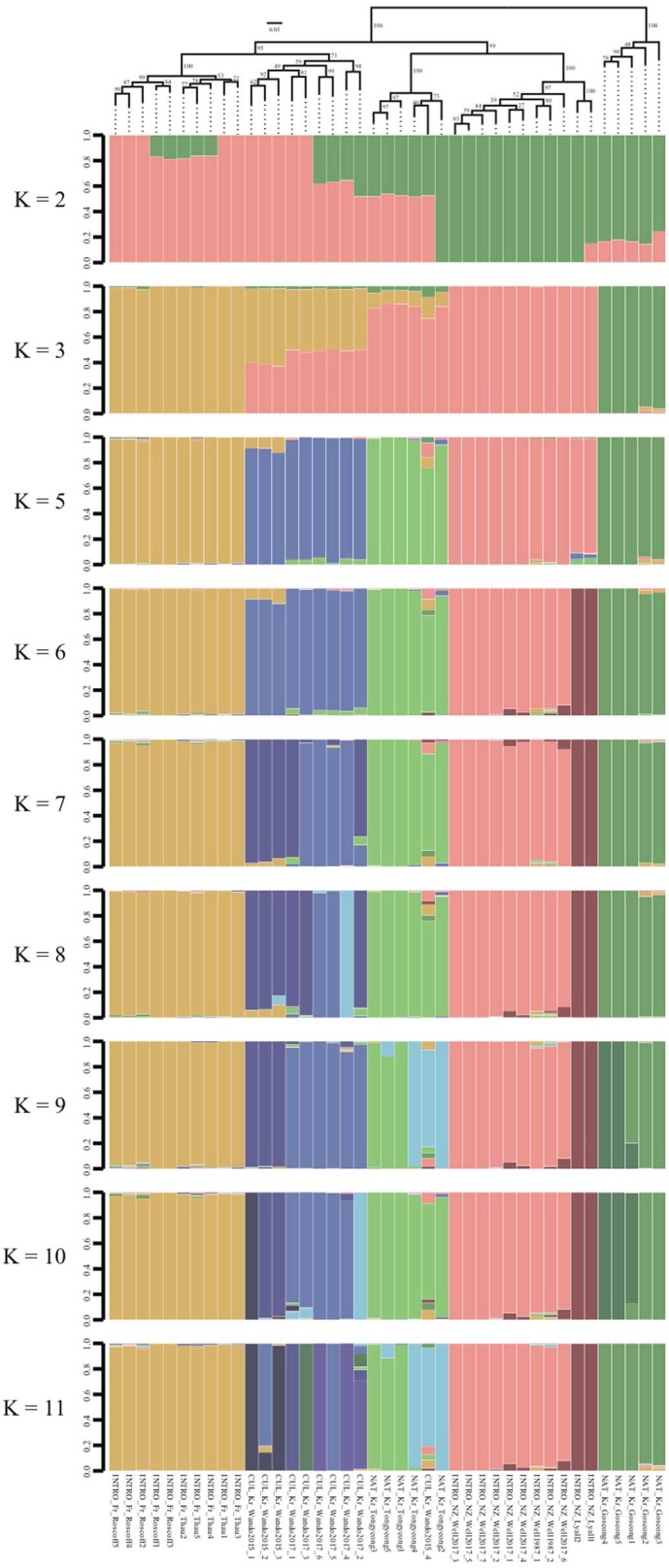
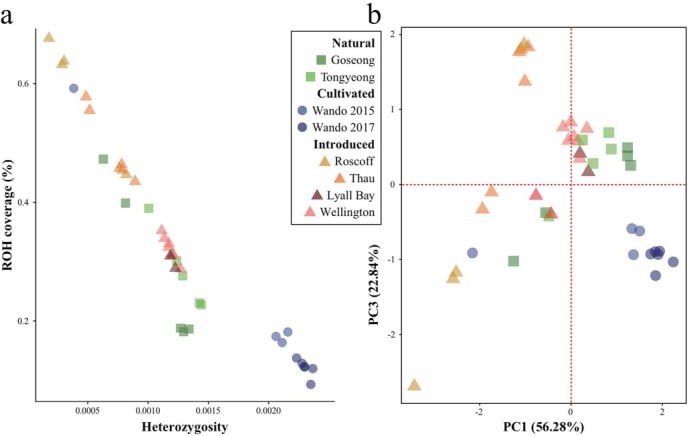
Human activity is an important driver of ecological and evolutionary change on our planet. In particular, domestication and biological introductions have important and long-lasting effects on species' genomic architecture and diversity. However, genome-wide analysis of independent domestication and introduction events within a single species has not previously been performed. The Pacific kelp Undaria pinnatifida provides such an opportunity because it has been cultivated in its native range in Northeast Asia but also introduced to four other continents in the past 50 years. Here we present the results of a genome-wide analysis of natural, cultivated and introduced populations of U. pinnatifida to elucidate human-driven evolutionary change. We demonstrate that these three categories of origin can be distinguished at the genome level, reflecting the combined influence of neutral (demography and migration) and non-neutral (selection) processes.
人类活动是地球生态和进化变化的重要驱动因素。特别是,驯化和生物引种对物种的基因组结构和多样性具有重要而持久的影响。然而,以前没有在一个单一物种内对独立的驯化和引种事件进行全基因组分析。太平洋巨藻裙带菜提供了这样一个机会,因为它在其东北亚的原生范围内被栽培,但在过去 50 年中也被引入到其他四个大陆。在这里,我们呈现了对裙带菜自然种群、栽培种群和引种种群的全基因组分析结果,以阐明人类驱动的进化变化。我们证明,这三个起源类别可以在基因组水平上区分开来,反映了中性(人口和迁移)和非中性(选择)过程的综合影响。