Lombardelli Claudio, Benucci Ilaria, Mazzocchi Caterina, Esti Marco
Department of Agriculture and Forestry Science (DAFNE), Tuscia University, via S. Camillo de Lellis snc, 01100 Viterbo, Italy.
Foods. 2021 Jan 24;10(2):236. doi: 10.3390/foods10020236.
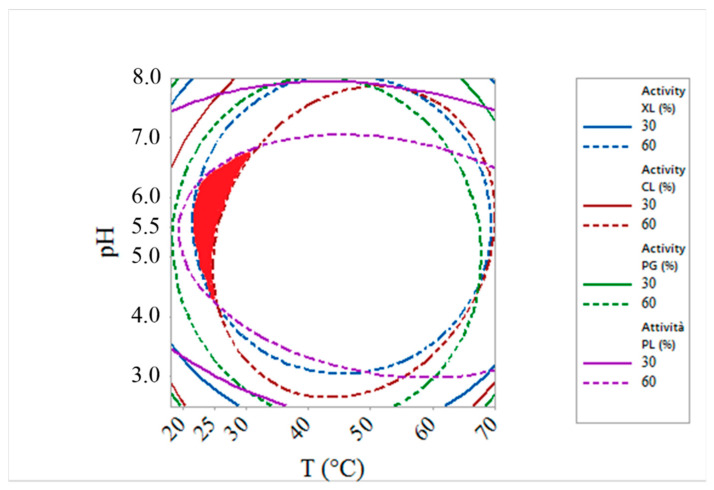
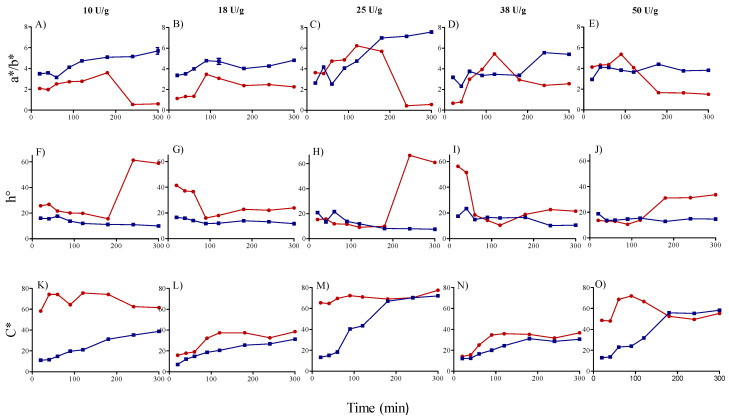
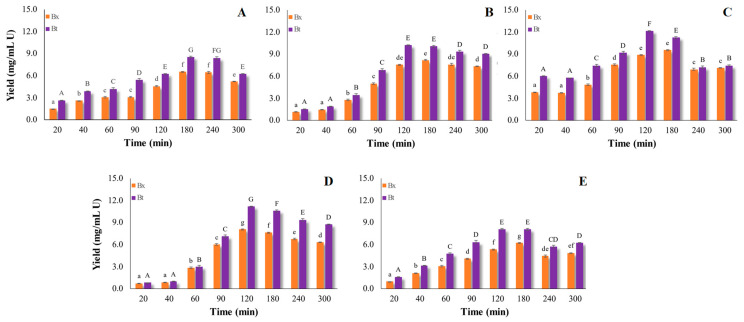
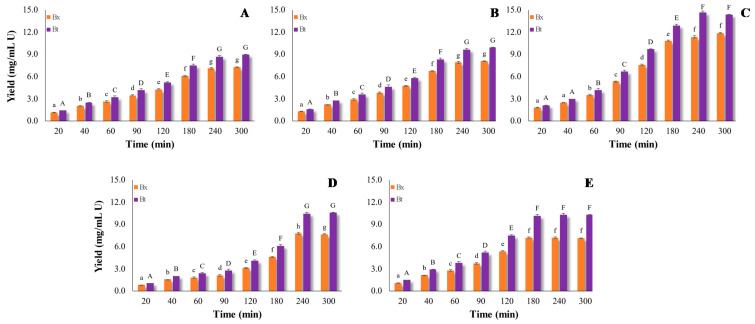
Food waste management plays a central role in the circular economy. To our knowledge, only a few studies have investigated the use of unsold fruit and vegetables from supermarkets as a substitute source for the extraction of natural colorants. Thus, the aim of this paper was to suggest a green, tailored protocol that avoids the use of organic solvents for the recovery of betalains from unsold red beets for use as a food colorant. The recovery of such pigments was carried out by a tailored enzymatic mix, blended considering the polysaccharide composition of the beetroot cell wall; thus, it consisted of: cellulase (37%), xylanase (35%), and pectinase (28%). The enzyme-assisted extraction protocol was optimized, and the most suitable conditions (in terms of pigment yield and color attributes) for the recovery of betalains from unsold beets appeared to be: 25 U/g total dose of enzymatic mix, temperature 25 °C, and processing time 240 min.
食物垃圾管理在循环经济中起着核心作用。据我们所知,仅有少数研究调查了将超市未售出的水果和蔬菜用作提取天然色素的替代来源。因此,本文的目的是提出一种绿色的、量身定制的方案,该方案避免使用有机溶剂从未售出的红甜菜中回收甜菜红素用作食品色素。此类色素的回收是通过一种量身定制的酶混合物进行的,该混合物是根据甜菜根细胞壁的多糖组成调配而成;因此,它由以下成分组成:纤维素酶(37%)、木聚糖酶(35%)和果胶酶(28%)。对酶辅助提取方案进行了优化,从未售出的甜菜中回收甜菜红素的最合适条件(就色素产量和颜色属性而言)似乎是:酶混合物总剂量25 U/g、温度25°C以及处理时间240分钟。