General Surgery Department, Hangzhou Fuyang District First People's Hospital, Hangzhou, People's Republic of China.
School of Basic Medicine, Peking University, Beijing, People's Republic of China.
Technol Cancer Res Treat. 2021 Jan-Dec;20:1533033820979669. doi: 10.1177/1533033820979669.
Rhabdomyosarcoma is the most common soft tissue tumor in children. Rhabdomyosarcoma commonly results in pain and bleeding caused by tumor compression and is prone to early metastasis and recurrence, which can seriously affect the therapeutic outcomes and long-term prognosis. Up to 37.7% of rhabdomyosarcomas may metastasize. Therefore, the molecular mechanisms underlying rhabdomyosarcoma must be explored to identify an effective target for its early diagnosis and specific treatment.
A dataset of 18 rhabdomyosarcoma tissue samples and 6 healthy skeletal muscle samples was downloaded. Differentially expressed genes between rhabdomyosarcoma and healthy tissue samples were identified by GEO2R. Kyoto Encyclopedia of Genes and Genomes and gene ontology pathway enrichment analyses were performed. A protein-protein interaction network was constructed, and hub genes were identified. Expression and survival analyses of hub genes were performed. Additionally, 30 patients with rhabdomyosarcoma were recruited, and overall survival information and samples were collected. Reverse transcription quantitative real-time polymerase chain reaction assays were performed to verify the expression of and in rhabdomyosarcoma tumor tissues. The Kaplan-Meier method was used to explore overall survival based on our clinical data.
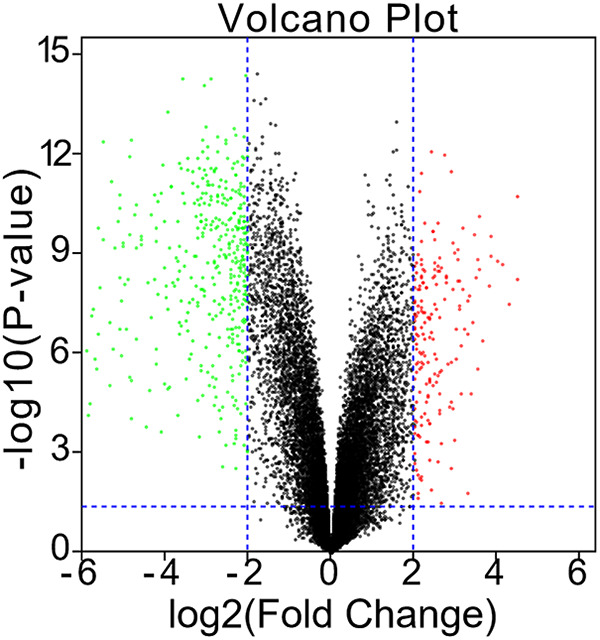
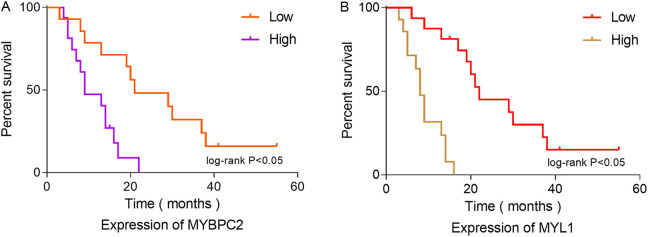
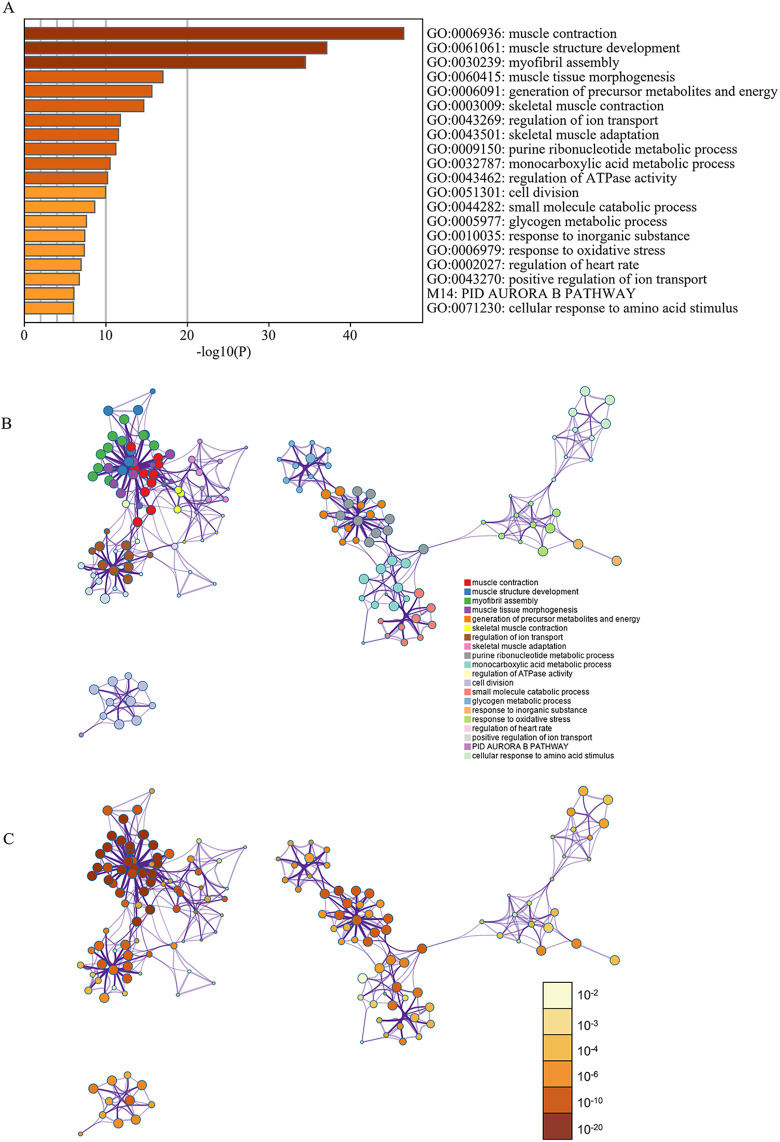
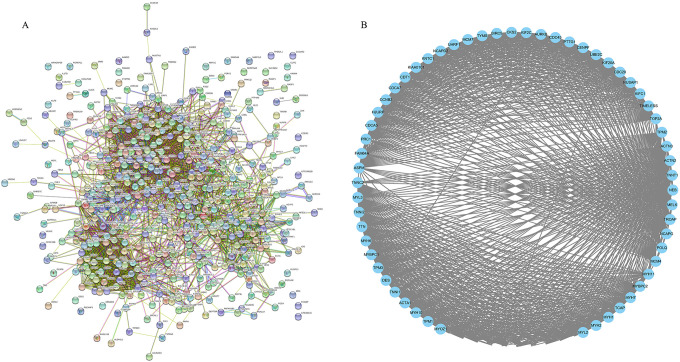
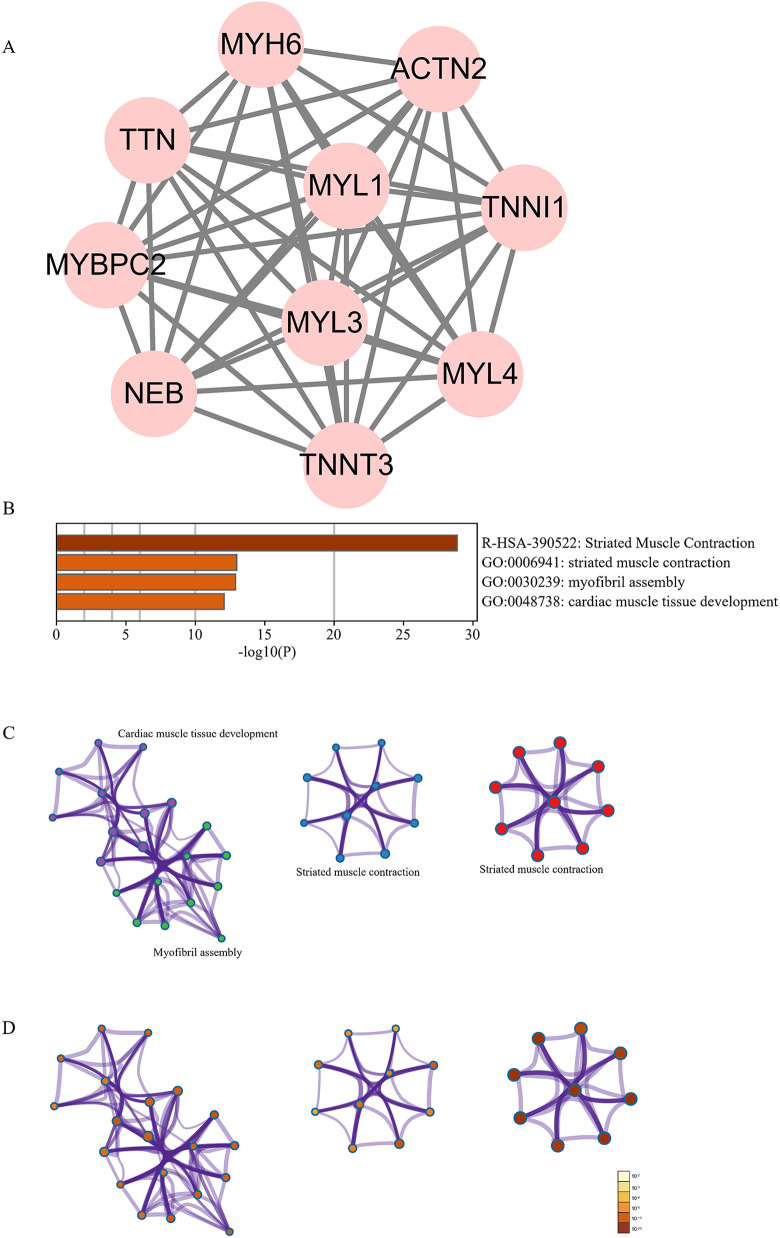
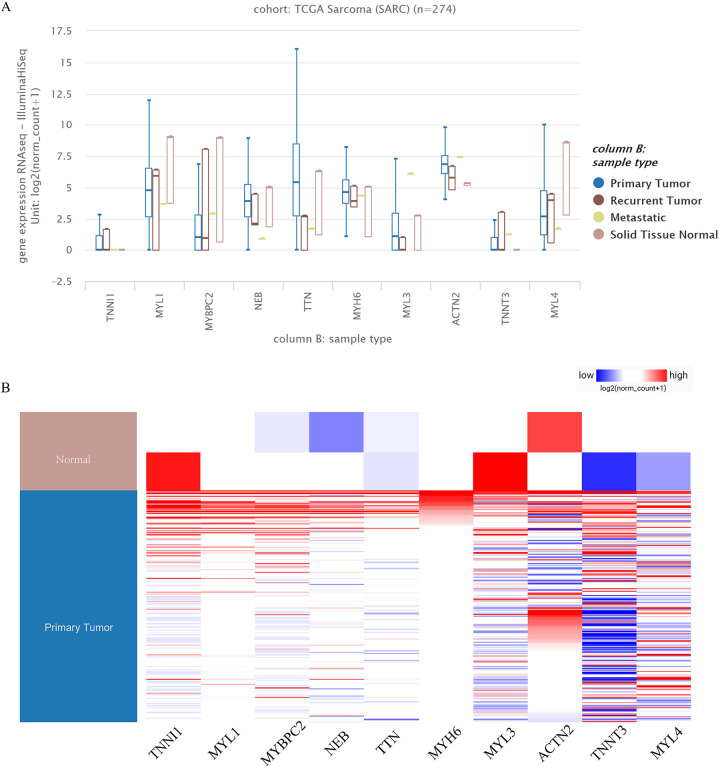
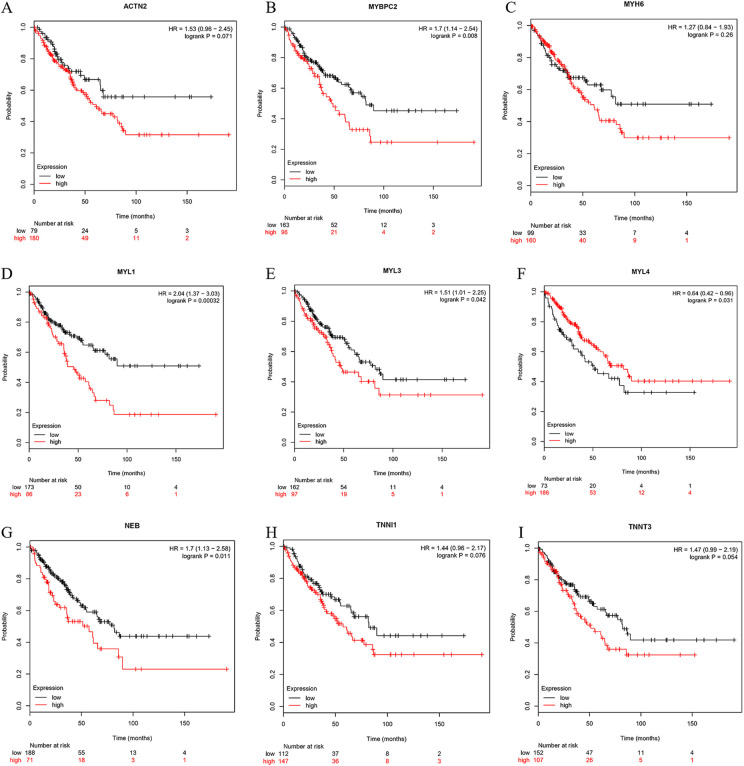
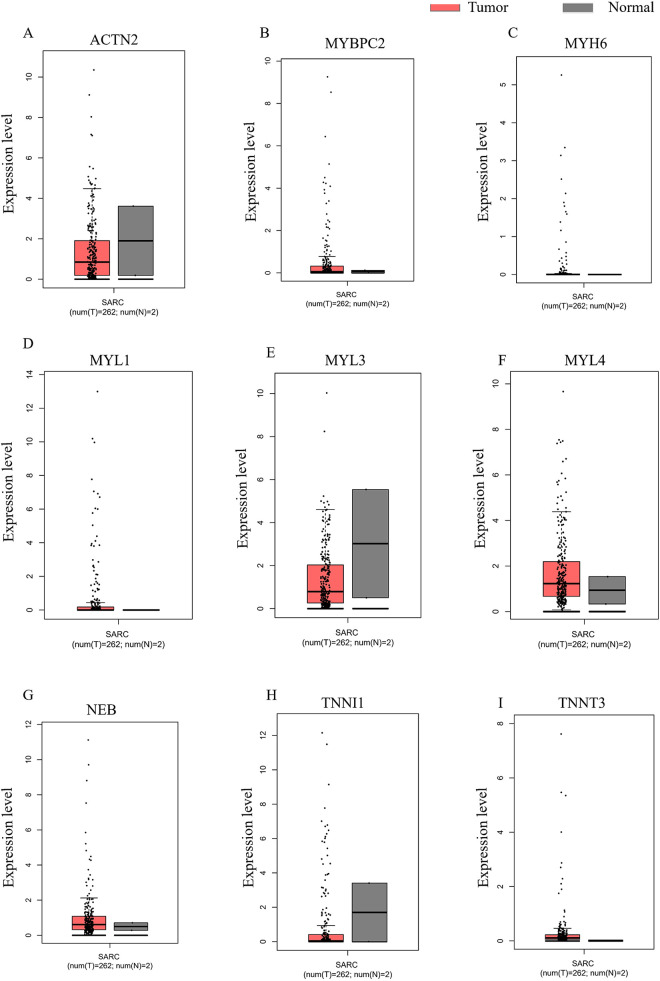
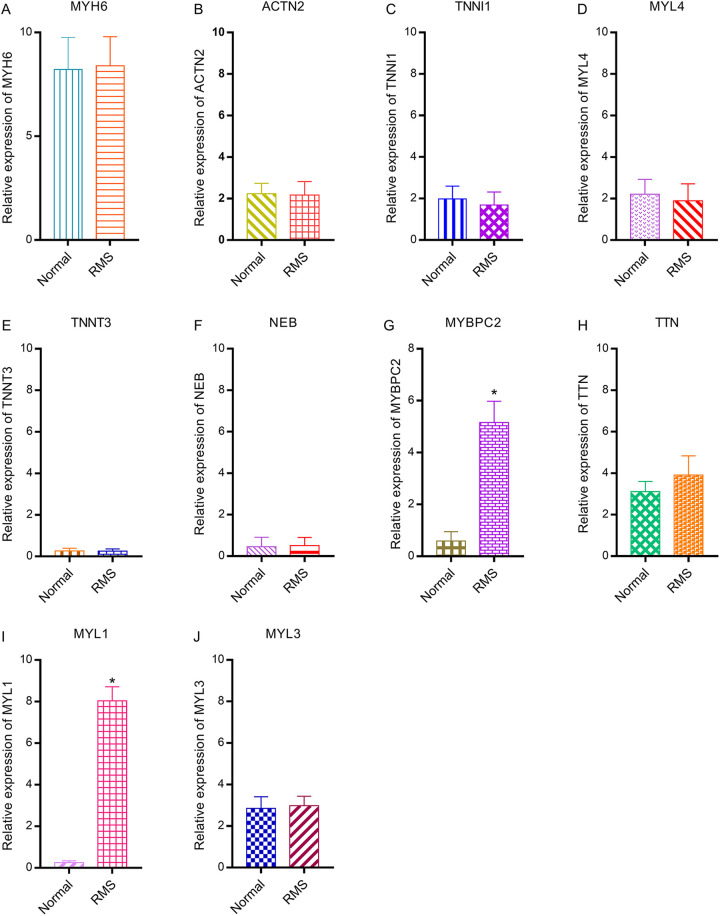
In total, 164 genes were up-regulated and 394 were down-regulated in rhabdomyosarcoma tumor tissues. Gene ontology analysis revealed that variations were predominantly enriched in the cell cycle, muscle contraction, muscle system processes, cytoskeleton, nucleotide binding, and cytoskeletal protein binding. The protein-protein interaction network revealed 3274 edges, and 441 nodes were constructed. Ten hub genes were identified; of these, and were significantly up-regulated in rhabdomyosarcoma. Compared with the healthy group, patients with rhabdomyosarcoma exhibiting high expression of and exhibited significantly worse overall survival.
We found differentially expressed genes between rhabdomyosarcoma and healthy tissue samples. and may be involved in the pathogenesis of rhabdomyosarcoma and therefore deserve further exploration.
横纹肌肉瘤是儿童中最常见的软组织肿瘤。横纹肌肉瘤常因肿瘤压迫导致疼痛和出血,且易早期转移和复发,严重影响治疗效果和长期预后。高达 37.7%的横纹肌肉瘤可能发生转移。因此,必须探索横纹肌肉瘤的分子机制,以确定其早期诊断和特异性治疗的有效靶点。
下载了 18 个横纹肌肉瘤组织样本和 6 个健康骨骼肌样本的数据集。通过 GEO2R 鉴定横纹肌肉瘤与健康组织样本之间的差异表达基因。进行京都基因与基因组百科全书和基因本体论途径富集分析。构建蛋白质-蛋白质相互作用网络,并鉴定枢纽基因。对枢纽基因进行表达和生存分析。此外,招募了 30 名横纹肌肉瘤患者,收集总生存信息和样本。进行逆转录定量实时聚合酶链反应(RT-qPCR)检测以验证 和 在横纹肌肉瘤肿瘤组织中的表达。采用 Kaplan-Meier 方法根据我们的临床数据探讨总生存情况。
横纹肌肉瘤肿瘤组织中共有 164 个基因上调,394 个基因下调。基因本体论分析表明,这些差异主要富集在细胞周期、肌肉收缩、肌肉系统过程、细胞骨架、核苷酸结合和细胞骨架蛋白结合。蛋白质-蛋白质相互作用网络揭示了 3274 条边,构建了 441 个节点。鉴定出 10 个枢纽基因,其中 和 在横纹肌肉瘤中明显上调。与健康组相比,横纹肌肉瘤中 和 表达较高的患者总生存明显较差。
我们发现了横纹肌肉瘤与健康组织样本之间的差异表达基因。 和 可能参与横纹肌肉瘤的发病机制,因此值得进一步探索。