Department of Cancer Biology and Pharmacology, University of Illinois College of Medicine, Peoria.
Department of Neurosurgery, University of Illinois College of Medicine at Peoria.
Theranostics. 2021 Jan 1;11(5):2048-2057. doi: 10.7150/thno.53506. eCollection 2021.
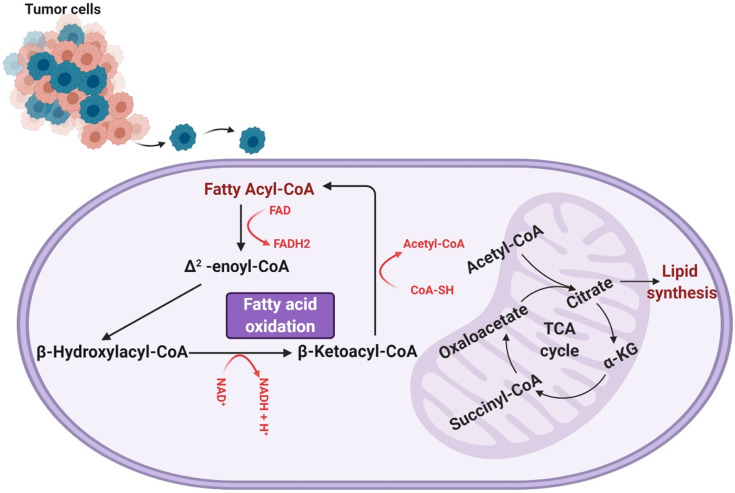
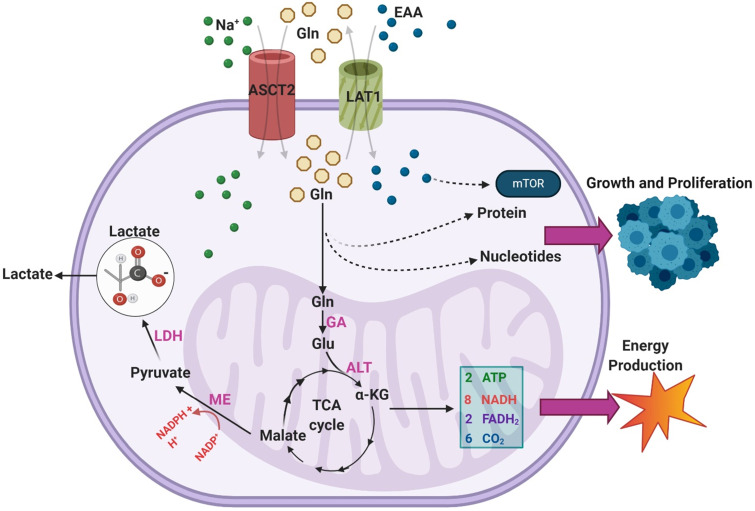
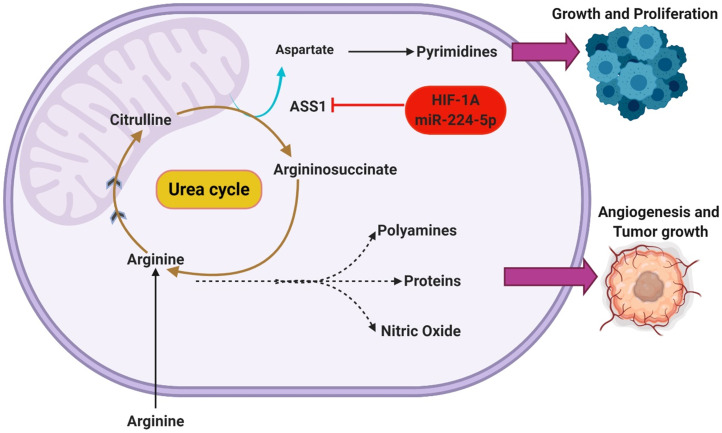
Glioblastoma multiforme (GBM) is the most common malignant brain tumor in adults. With a designation of WHO Grade IV, it is also the most lethal primary brain tumor with a median survival of just 15 months. This is often despite aggressive treatment that includes surgical resection, radiation therapy, and chemotherapy. Based on the poor outcomes and prevalence of the tumor, the demand for innovative therapies continues to represent a pressing issue for clinicians and researchers. In terms of therapies targeting metabolism, the prevalence of the Warburg effect has led to a focus on targeting glucose metabolism to halt tumor progression. While glucose is the dominant source of growth substrate in GBM, a number of unique metabolic pathways are exploited in GBM to meet the increased demand for replication and progression. In this review we aim to explore how metabolites from fatty acid oxidation, the urea cycle, the glutamate-glutamine cycle, and one-carbon metabolism are shunted toward energy producing pathways to meet the high energy demand in GBM. We will also explore how the process of autophagy provides a reservoir of nutrients to support viable tumor cells. By so doing, we aim to establish a foundation of implicated metabolic mechanisms supporting growth and tumorigenesis of GBM within the literature. With the sparse number of therapeutic interventions specifically targeting metabolic pathways in GBM, we hope that this review expands further insight into the development of novel treatment modalities.
多形性胶质母细胞瘤(GBM)是成人中最常见的恶性脑肿瘤。作为世界卫生组织(WHO)分级 IV 级肿瘤,它也是最致命的原发性脑肿瘤,中位生存期仅为 15 个月。这通常是由于包括手术切除、放射治疗和化学治疗在内的积极治疗。鉴于这种疾病的不良预后和高发性,创新疗法的需求继续成为临床医生和研究人员的紧迫问题。在针对代谢的治疗方法方面,由于沃伯格效应(Warburg effect)普遍存在,因此人们的注意力集中在靶向葡萄糖代谢以阻止肿瘤进展上。虽然葡萄糖是 GBM 中生长底物的主要来源,但 GBM 中存在多种独特的代谢途径,以满足复制和进展增加的需求。在本综述中,我们旨在探讨脂肪酸氧化、尿素循环、谷氨酸-谷氨酰胺循环和一碳代谢产生的代谢物如何转向产能途径,以满足 GBM 中的高能量需求。我们还将探讨自噬过程如何为支持存活肿瘤细胞提供营养物质储备。通过这样做,我们旨在为支持 GBM 生长和肿瘤发生的潜在代谢机制提供文献基础。鉴于针对 GBM 代谢途径的治疗干预措施数量稀少,我们希望本综述能进一步深入了解新型治疗方式的发展。