Corazza Ilaria, Gilmore Kendall Jamieson, Menegazzo Francesca, Abols Valts
Management and Healthcare Laboratory (MeS Lab), Institute of Management and EMbeDS, Sant'Anna School of Advanced Studies, Piazza Martiri della Libertà 33, 56127, Pisa, Italy.
Azienda Ospedaliero Universitaria Meyer, Viale Pieraccini 24, 50139, Florence, Italy.
BMC Health Serv Res. 2021 Jan 27;21(1):93. doi: 10.1186/s12913-021-06094-z.
Patient Reported Experience Measures (PREMs) are recognized as an important indicator of high quality care and person-centeredness. PREMs are increasingly adopted for paediatric care, but there is little published evidence on how to administer, collect, and report paediatric PREMs at scale.
This paper describes the development of a PREMs questionnaire and administration system for the Meyer Children's University Hospital in Florence (Meyer) and the Children's Clinical University Hospital in Riga (CCUH). The system continuously recruits participants into the electronic administration model, with surveys completed by caregivers or adolescents at their convenience, post-discharge. We analyse 1661 responses from Meyer and 6585 from CCUH, collected from 1st December 2018 to 21st January 2020. Quantitative and qualitative experience analyses are included, using Pearson chi-square tests, Fisher's exact tests and narrative evidence from free text responses.
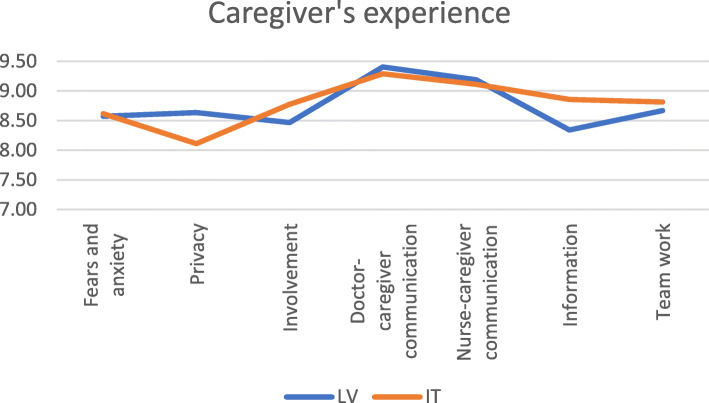
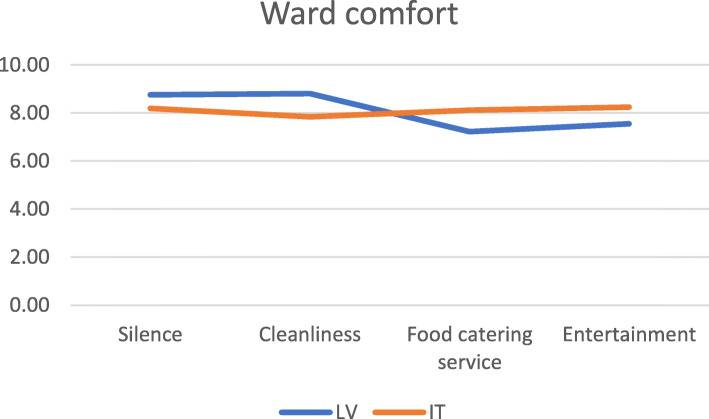
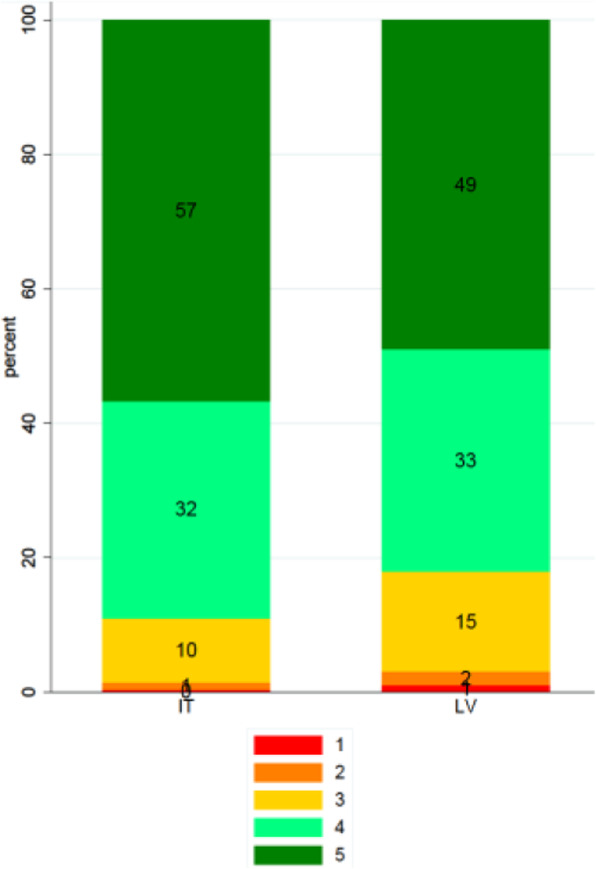
The large populations reached in both countries suggest the continuous, digital collection of paediatric PREMs described is feasible for collecting paediatric PREMs at scale. Overall response rates were 59% in Meyer and 45% in CCUH. There was very low variation in mean scores between the hospitals, with greater clustering of Likert scores around the mean in CCUH and a wider spread in Meyer for a number of items. The significant majority of responses represent the carers' point of view or the perspective of children and adolescents expressed through proxy reporting by carers.
Very similar reported scores may reflect broadly shared preferences among children, adolescents and carers in the two countries, and the ability of both hospitals in this study to meet their expectations. The model has several interesting features: inclusion of a narrative element; electronic administration and completion after discharge from hospital, with high completion rates and easy data management; access for staff and researchers through an online platform, with real time analysis and visualization; dual implementation in two sites in different settings, with comparison and shared learning. These bring new opportunities for the utilization of PREMs for more person-centered and better quality care, although further research is needed in order to access direct reporting by children and adolescents.
患者报告体验指标(PREMs)被认为是高质量护理和以患者为中心的重要指标。PREMs在儿科护理中越来越多地被采用,但关于如何大规模管理、收集和报告儿科PREMs的公开证据很少。
本文描述了佛罗伦萨迈耶儿童医院(Meyer)和里加儿童大学临床医院(CCUH)的PREMs问卷和管理系统的开发。该系统持续招募参与者进入电子管理模式,调查问卷由照顾者或青少年在出院后方便时完成。我们分析了2018年12月1日至2020年1月21日期间从Meyer收集的1661份回复和从CCUH收集的6585份回复。包括定量和定性体验分析,使用Pearson卡方检验、Fisher精确检验以及自由文本回复中的叙述性证据。
两国所涉及的大量人群表明,所描述的儿科PREMs的持续数字化收集对于大规模收集儿科PREMs是可行的。Meyer的总体回复率为59%,CCUH为45%。两家医院之间的平均得分差异非常小,CCUH的李克特得分在平均值周围的聚集程度更高,而Meyer的一些项目得分分布更分散。绝大多数回复代表照顾者的观点或通过照顾者代理报告所表达的儿童和青少年的观点。
非常相似的报告得分可能反映了两国儿童、青少年和照顾者之间广泛共有的偏好,以及本研究中两家医院满足他们期望的能力。该模型有几个有趣的特点:包含叙述元素;出院后通过电子方式管理和完成,完成率高且数据管理方便;工作人员和研究人员可通过在线平台访问,进行实时分析和可视化;在不同环境中的两个地点进行双重实施,便于比较和共同学习。这些为利用PREMs提供了新的机会,以实现更以患者为中心和更高质量的护理,不过为了获取儿童和青少年的直接报告还需要进一步研究。