Department of Neurology, University of Colorado, Aurora, CO Building 400, Mail Stop F429, 12469 E 17th Place, Aurora, CO, 80045, USA.
Department of Neurology, University of Rochester, Rochester, NY, USA.
Curr Neurol Neurosci Rep. 2021 Jan 28;21(3):5. doi: 10.1007/s11910-021-01091-5.
This review summarizes the current state of evidence for palliative care (PC) in movement disorders, describes the application of PC to clinical practice, and suggests future research directions.
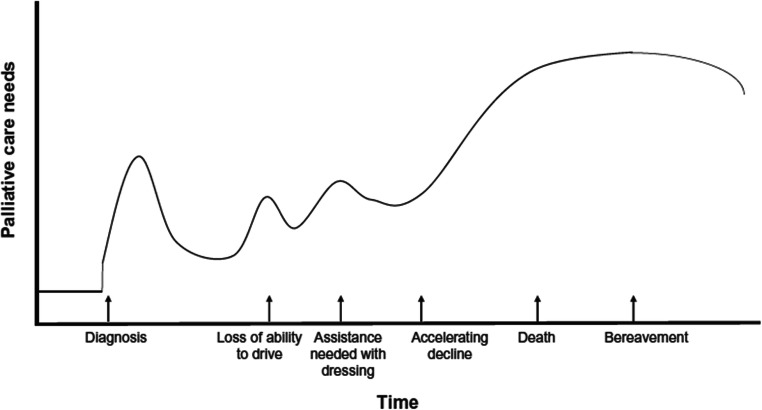
PC needs are common in persons living with movement disorders and their families from the time of diagnosis through end-of-life and contribute to quality of life. Early advance care planning is preferred by patients, impacts outcomes and is promoted by PC frameworks. Systematic assessment of non-motor symptoms, psychosocial needs and spiritual/existential distress may address gaps in current models of care. Several complementary and emerging models of PC may be utilized to meet the needs of this population. A PC approach may identify and improve important patient and caregiver-centered outcomes. As a relatively new application of PC, there is a need for research to adapt, develop and implement approaches to meet the unique needs of this population.
本文总结了目前在运动障碍中开展姑息治疗(PC)的现状,描述了 PC 在临床实践中的应用,并提出了未来的研究方向。
从诊断到生命末期,患有运动障碍的患者及其家属普遍存在 PC 需求,并对生活质量有影响。患者更喜欢提前进行医疗照护计划,这对结局有影响,而 PC 框架可以促进该计划的实施。对非运动症状、心理社会需求和精神/存在困境进行系统评估可能会弥补当前护理模式的差距。几种互补且新兴的 PC 模式可用于满足该人群的需求。PC 方法可以识别和改善重要的患者和照护者为中心的结局。作为 PC 的一个相对较新的应用领域,需要研究来调整、开发和实施方法,以满足该人群的独特需求。