Division of Oxygen Biology, United Centres for Advanced Research and Translational Medicine, Tohoku University Graduate School of Medicine, Seiryo-machi 2-1, Aoba-ku, Sendai, Miyagi 980-8575, Japan; Division of Nephrology, Endocrinology, and Vascular Medicine, Tohoku University Graduate School of Medicine, Japan.
Division of Oxygen Biology, United Centres for Advanced Research and Translational Medicine, Tohoku University Graduate School of Medicine, Seiryo-machi 2-1, Aoba-ku, Sendai, Miyagi 980-8575, Japan.
EBioMedicine. 2021 Feb;64:103209. doi: 10.1016/j.ebiom.2021.103209. Epub 2021 Jan 25.
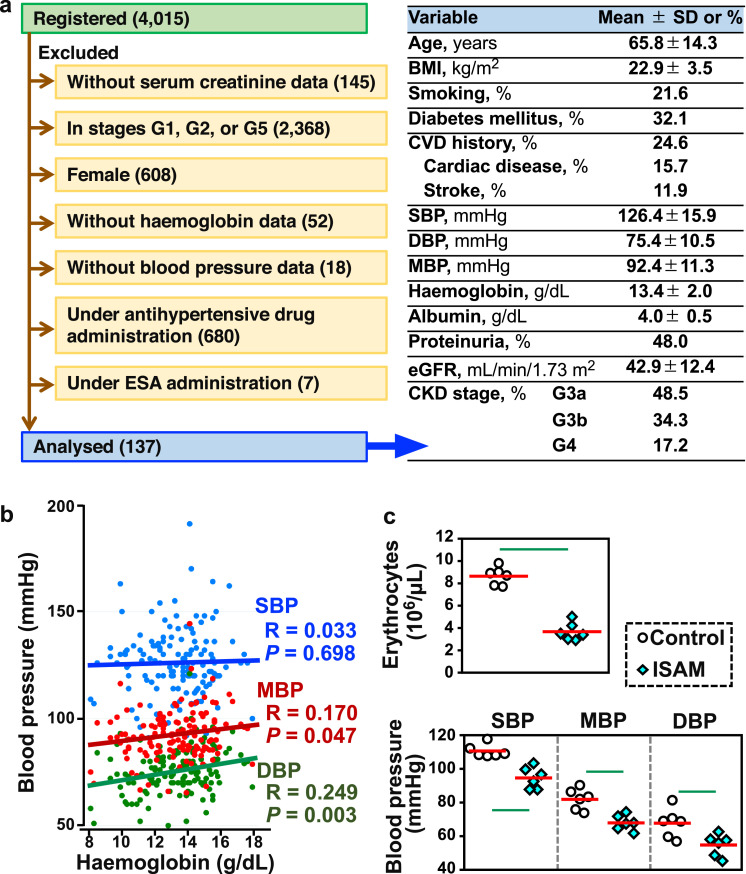
Erythrocyte mass contributes to maintaining systemic oxygen delivery and blood viscosity, with the latter being one of the determinants of blood pressure. However, the physiological response to blood pressure changes under anaemic conditions remain unknown.
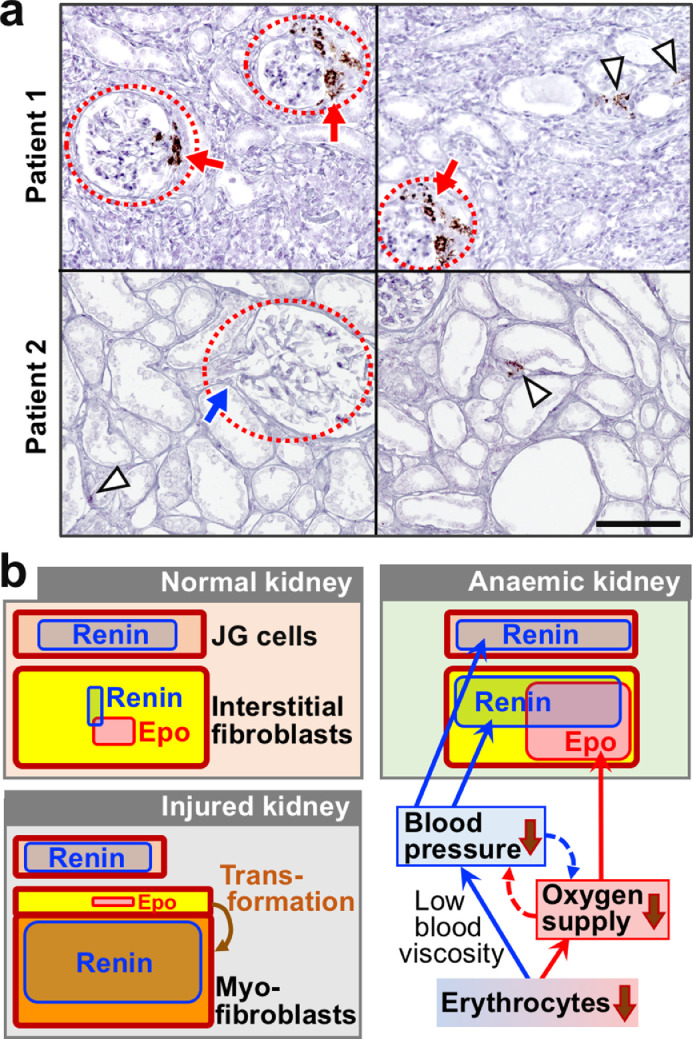
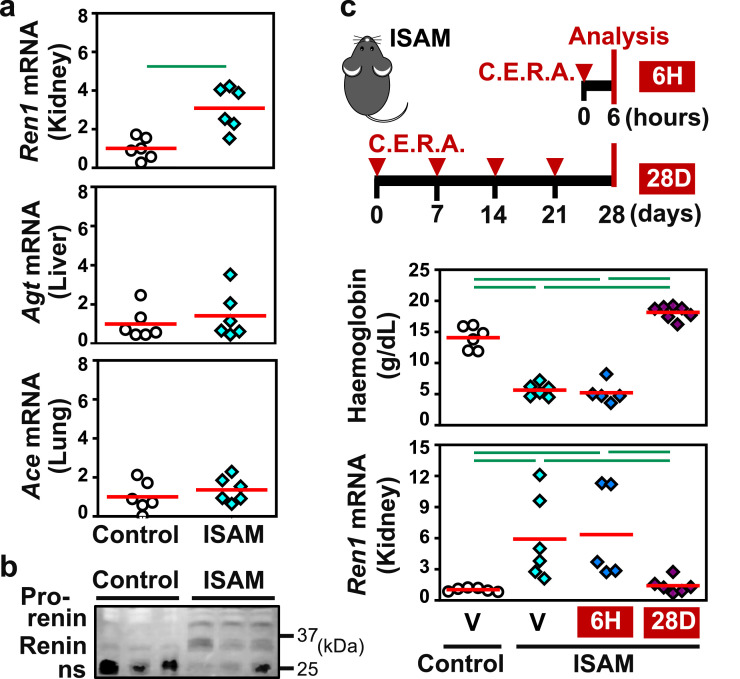
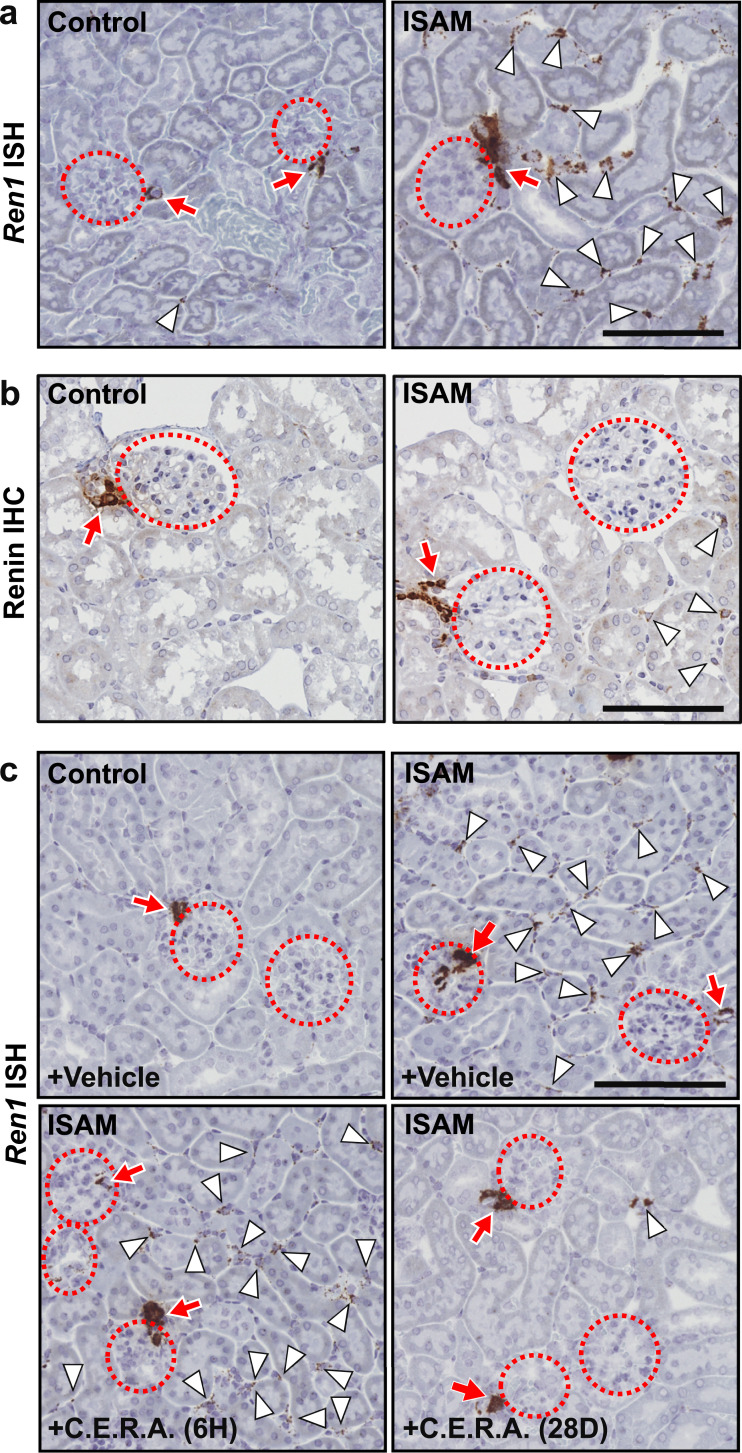
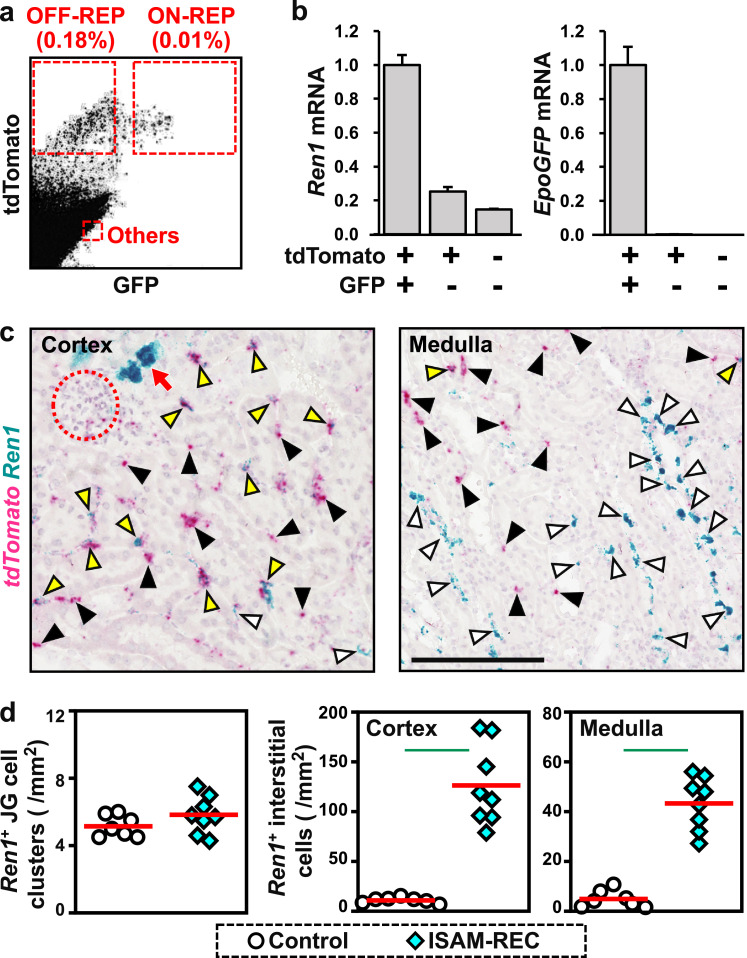
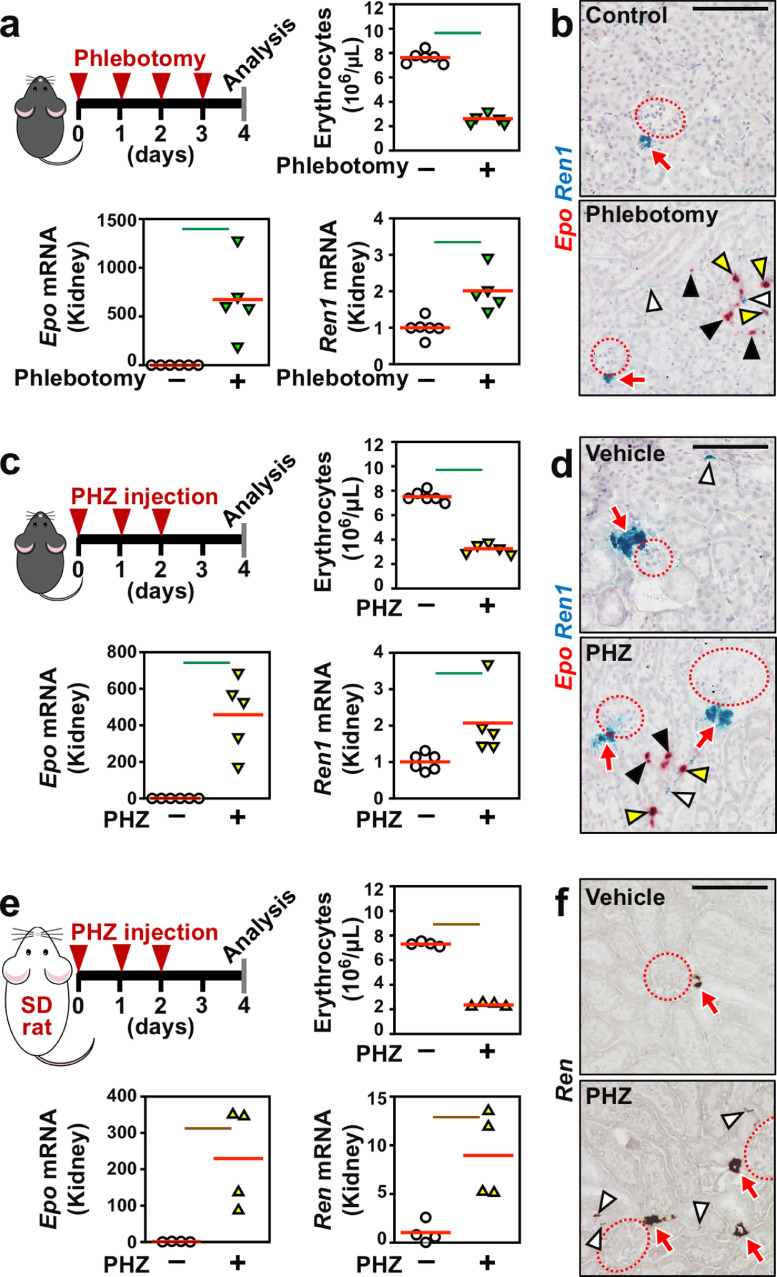
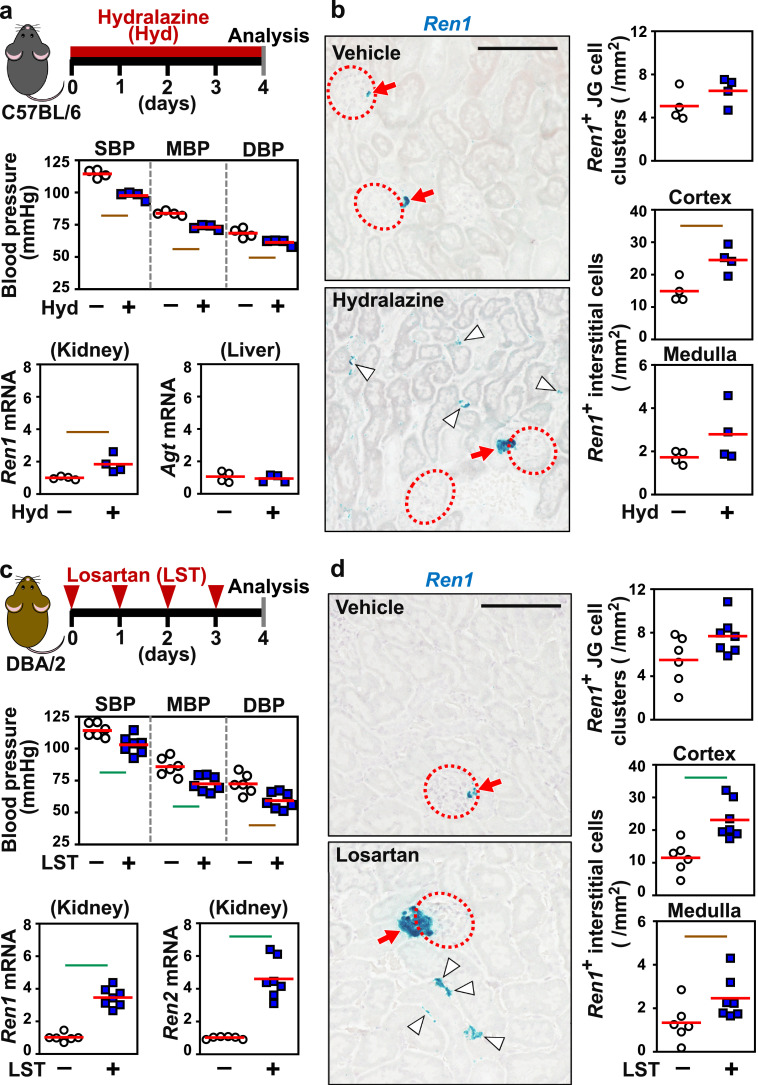
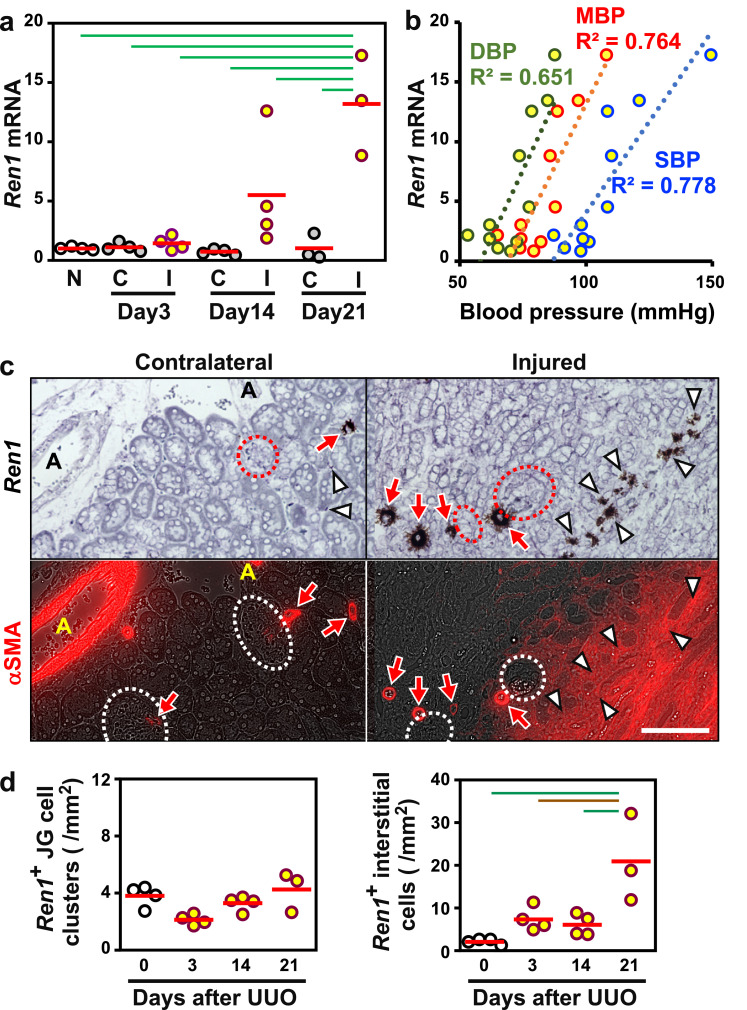
We show that anaemia decreases blood pressure in human patients and mouse models. Analyses of pathways related to blood pressure regulation demonstrate that anaemia enhances the expression of the gene encoding the vasopressor substance renin in kidneys. Although kidney juxtaglomerular cells are known to continuously produce renin, renal interstitial fibroblasts are identified in the present study as a novel site of renin induction under anaemic hypotensive conditions in mice and rats. Notably, some renal interstitial fibroblasts are found to simultaneously express renin and the erythroid growth factor erythropoietin in the anaemic mouse kidney. Antihypertensive agents but not hypoxic stimuli induced interstitial renin expression, suggesting that blood pressure reduction triggers interstitial renin induction in anaemic mice. The interstitial renin expression was also detected in injured fibrotic kidneys of the mouse and human, and the renin-expressing interstitial cells in murine fibrotic kidneys were identified as myofibroblasts originating from renal interstitial fibroblasts. Since the elevated expression levels of renin in fibrotic kidneys along with progression of renal fibrosis were well correlated to the systemic blood pressure increase, the renal interstitial renin production seemed to affect systemic blood pressure.
Renal interstitial fibroblasts function as central controllers of systemic oxygen delivery by producing both renin and erythropoietin.
Grants-in-Aid from Japan Society for the Promotion of Science (JSPS) KAKENHI (17K19680, 15H04691, and 26111002) and the Takeda Science Foundation.
红细胞质量有助于维持全身氧输送和血液粘度,后者是血压的决定因素之一。然而,在贫血条件下对血压变化的生理反应尚不清楚。
我们表明,贫血会降低人类患者和小鼠模型的血压。与血压调节相关途径的分析表明,贫血增强了编码血管加压物质肾素的基因在肾脏中的表达。尽管已知肾脏球旁细胞会持续产生肾素,但本研究在小鼠和大鼠中发现,在贫血性低血压条件下,肾间质成纤维细胞是肾素诱导的一个新部位。值得注意的是,在贫血小鼠的肾脏中发现一些肾间质成纤维细胞同时表达肾素和红细胞生成因子促红细胞生成素。抗高血压药物而不是缺氧刺激诱导间质肾素表达,表明血压降低会触发贫血小鼠间质肾素诱导。间质肾素表达也在小鼠和人类受损纤维化肾脏中检测到,并且在小鼠纤维化肾脏中表达肾素的间质细胞被鉴定为源自肾间质成纤维细胞的肌成纤维细胞。由于纤维化肾脏中肾素表达水平升高与肾脏纤维化进展相关,与全身性血压升高密切相关,因此肾脏间质肾素的产生似乎会影响全身性血压。
肾间质成纤维细胞通过产生肾素和促红细胞生成素来充当全身氧输送的中枢控制器。
日本学术振兴会(JSPS)科学研究补助金(17K19680、15H04691 和 26111002)和武田科学基金会。