Department of Integrated Biosciences, Graduate School of Frontier Sciences, The University of Tokyo, Kashiwa 277-8562, Japan.
Nutrients. 2021 Jan 27;13(2):397. doi: 10.3390/nu13020397.
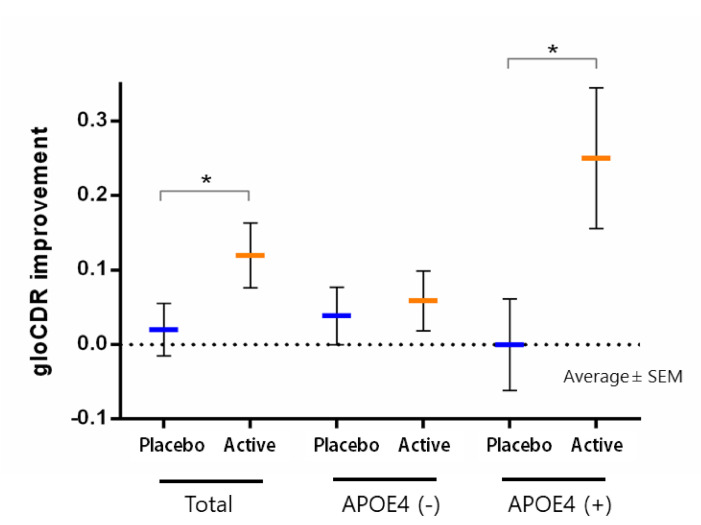
The worldwide increase in the number of patients with dementia is becoming a growing problem, while Alzheimer's disease (AD), a primary neurodegenerative disorder, accounts for more than 70% of all dementia cases. Research on the prevention or reduction of AD occurrence through food ingredients has been widely conducted. In particular, histidine-containing dipeptides, also known as imidazole dipeptides derived from meat, have received much attention. Imidazole dipeptides are abundant in meats such as poultry, fish, and pork. As evidenced by data from recent human intervention trials conducted worldwide, daily supplementation of carnosine and anserine, which are both imidazole dipeptides, can improve memory loss in the elderly and reduce the risk of developing AD. This article also summarizes the latest researches on the biochemical properties of imidazole dipeptides and their effects on animal models associated with age-related cognitive decline. In this review, we focus on the results of human intervention studies using supplements of poultry-derived imidazole dipeptides, including anserine and carnosine, affecting the preservation of cognitive function in the elderly, and discuss how imidazole dipeptides act in the brain to prevent age-related cognitive decline and the onset of dementia.
全球痴呆症患者数量的增加正在成为一个日益严重的问题,而阿尔茨海默病(AD)作为一种主要的神经退行性疾病,占所有痴呆症病例的 70%以上。通过食物成分预防或减少 AD 发生的研究已经广泛开展。特别是含组氨酸的二肽,也称为源自肉类的咪唑二肽,受到了广泛关注。咪唑二肽在禽肉、鱼肉和猪肉等肉类中含量丰富。最近在全球范围内进行的人类干预试验的数据表明,每天补充肌肽和鹅肌肽(均为咪唑二肽)可以改善老年人的记忆力丧失,并降低患 AD 的风险。本文还总结了咪唑二肽的生化特性及其对与年龄相关的认知能力下降相关的动物模型的最新研究。在这篇综述中,我们重点介绍了使用禽肉来源的咪唑二肽(包括鹅肌肽和肌肽)补充剂对老年人认知功能保存的影响的人类干预研究结果,并讨论了咪唑二肽如何在大脑中发挥作用,以预防与年龄相关的认知能力下降和痴呆症的发生。