College of Animal Science and Technology, Northeast Agricultural University, Harbin 150030, PR China; Division of Avian Infectious Diseases, State Key Laboratory of Veterinary Biotechnology, Harbin Veterinary Research Institute, The Chinese Academy of Agricultural Sciences, Harbin 150001, The People's Republic of China.
Division of Avian Infectious Diseases, State Key Laboratory of Veterinary Biotechnology, Harbin Veterinary Research Institute, The Chinese Academy of Agricultural Sciences, Harbin 150001, The People's Republic of China.
Poult Sci. 2021 Feb;100(2):603-614. doi: 10.1016/j.psj.2020.11.045. Epub 2020 Nov 28.
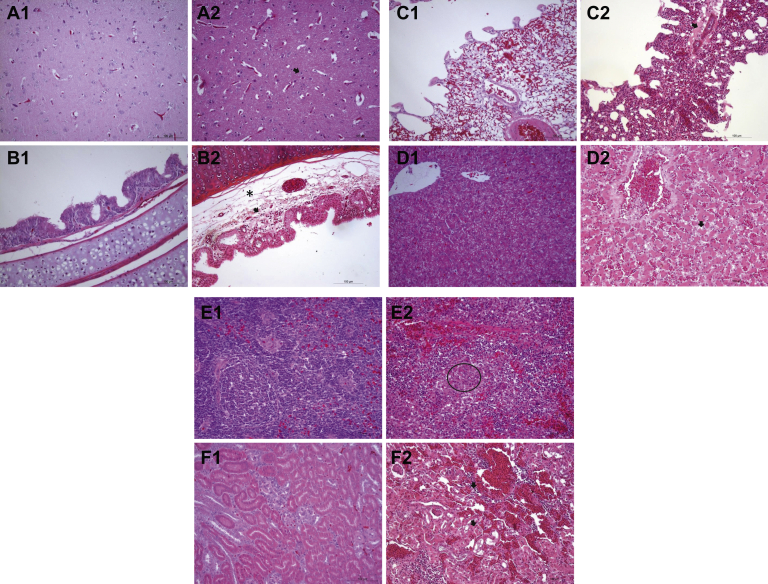
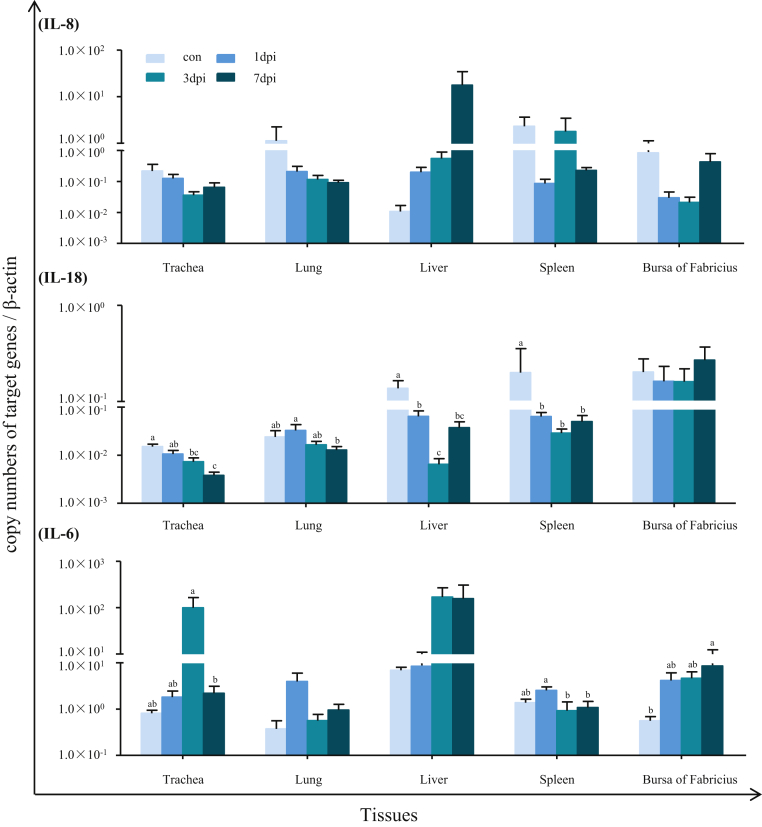
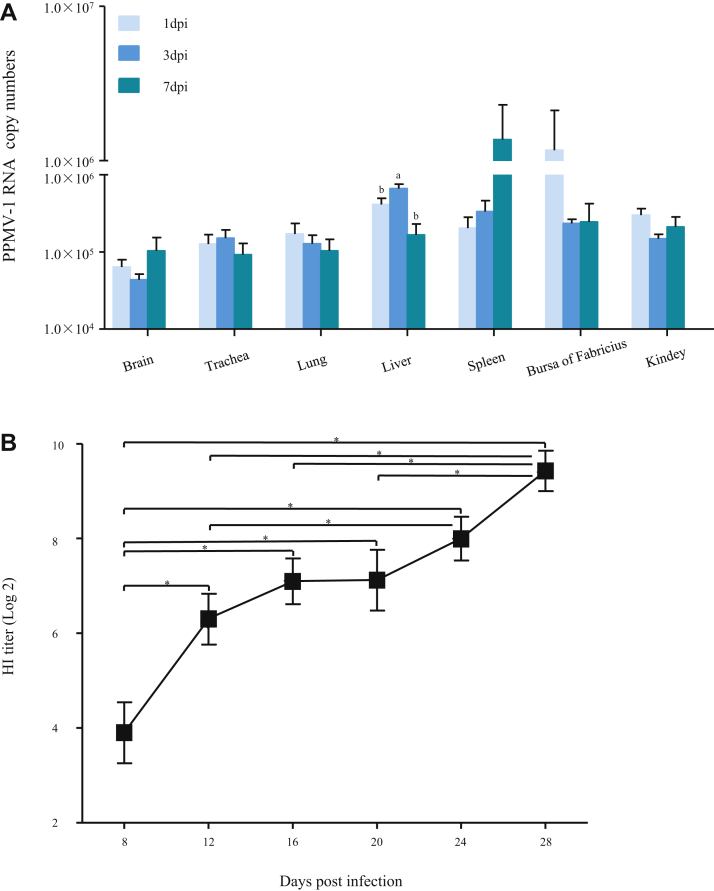
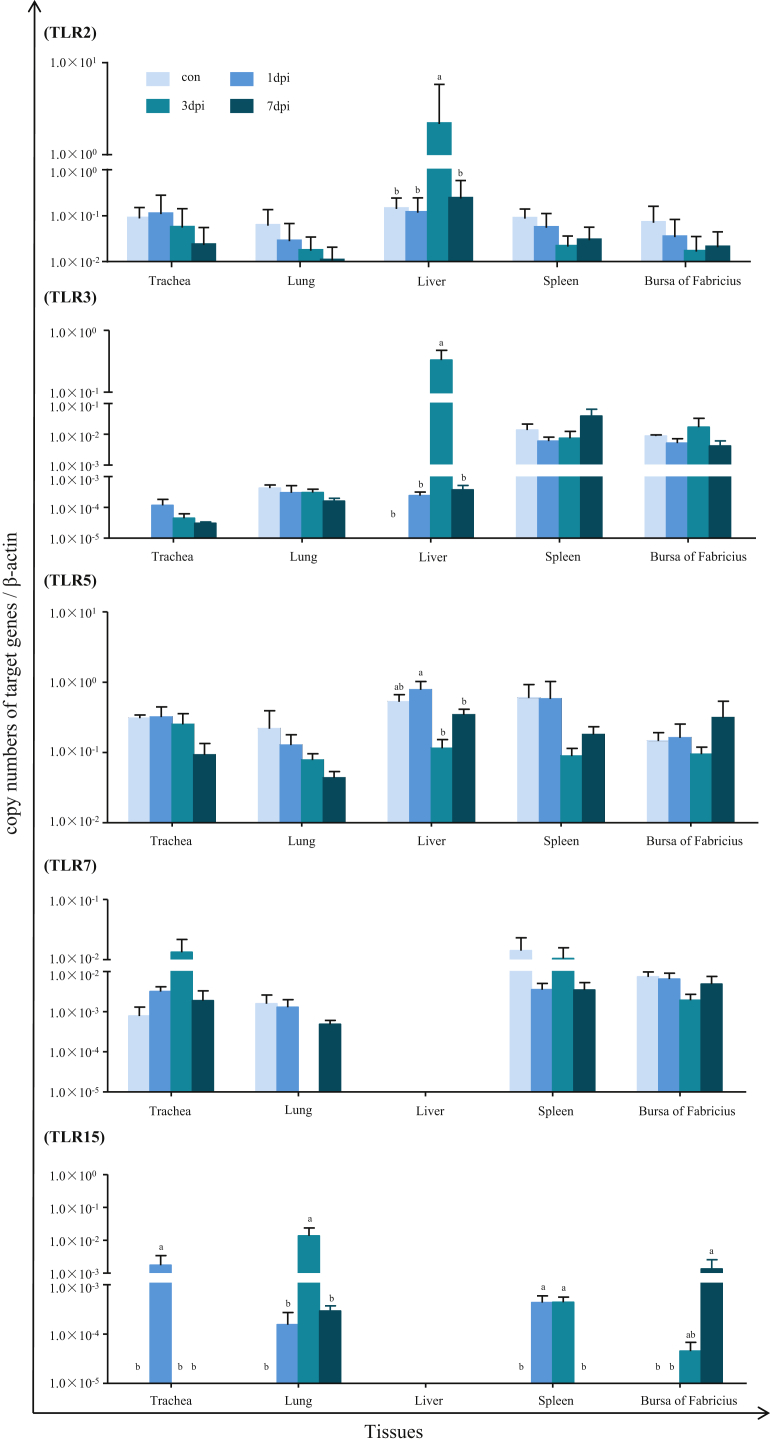
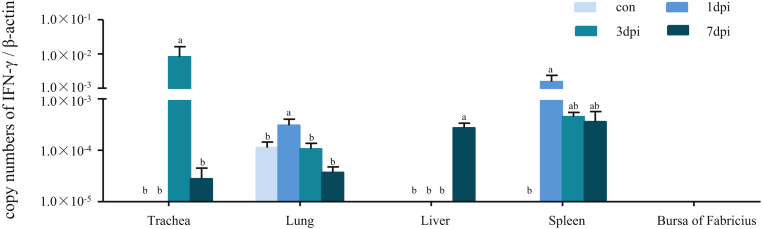
Pigeon paramyxovirus type 1 (PPMV-1) is a globally distributed, virulent member of the avian paramyxovirus type-1. The PPMV-1-associated disease poses a great threat to the pigeon industry. The innate immune response is crucial for antiviral infections and revealing the pathogenic mechanisms of PPMV-1. In this study, we evaluated the pathogenicity of a PPMV-1 strain LHLJ/110822 in one-month-old domestic pigeons, as well as the host immune responses in PPMV-1-infected pigeons. We observed typically clinical sign in infected pigeons by 3 dpi. The morbidity rate and the mortality in pigeons inoculated with the PPMV-1 strain were up to 100% and 30%, respectively. The virus could replicate in all of the examined tissues, namely trachea, lung, liver, spleen, and bursa of Fabricius. In addition, the infected pigeons had developed anti-PPMV-1 antibodies as early as 8 dpi; and the antibody level increased over the time in this study. The expression level of toll-like receptor (TLR) 2, TLR3 TLR15, IFN-γ, and IL-6 were significantly upregulated by the PPMV-1 infection in some tissues of pigeons. By contrast, PPMV-1 infection results in downregulation of IL-18 expression in most of investigated tissues except for bursa of Fabricius in this study. The current results confirmed that this virus could replicate in pigeons and induce host immune responses, then leading to produce serum antibody titers. Meanwhile, the PPMV-1 infection induces strong innate immune responses and intense inflammatory responses at early stage in pigeon which may associate with the viral pathogenesis.
鸽禽Ⅰ型副黏病毒(PPMV-1)是一种广泛分布的、具有高致病性的禽副黏病毒 1 型。该病毒与鸽相关疾病对鸽业构成了巨大威胁。先天免疫反应对于抗病毒感染和揭示 PPMV-1 的致病机制至关重要。在本研究中,我们评估了一株 PPMV-1 分离株 LHLJ/110822 在家鸽中的致病性,以及感染 PPMV-1 的鸽的宿主免疫反应。我们观察到感染鸽在 3dpi 时出现典型的临床症状。接种 PPMV-1 株的鸽发病率和死亡率分别高达 100%和 30%。病毒可在所有检测的组织中复制,包括气管、肺、肝、脾和法氏囊。此外,感染鸽在 8dpi 时就已产生抗 PPMV-1 抗体;并且在本研究中,抗体水平随时间增加。PPMV-1 感染可显著上调鸽某些组织中 TLR2、TLR3、TLR15、IFN-γ和 IL-6 的表达水平。相比之下,除了法氏囊外,PPMV-1 感染导致大多数组织中 IL-18 的表达下调。本研究证实,该病毒可在家鸽中复制并诱导宿主免疫反应,从而产生血清抗体滴度。同时,PPMV-1 感染在早期诱导强烈的先天免疫反应和强烈的炎症反应,这可能与病毒的发病机制有关。