Shevick Sophia L, Wilson Conner V, Kotesova Simona, Kim Dongyoung, Holland Patrick L, Shenvi Ryan A
Department of Chemistry , Scripps Research , 10550 North Torrey Pines Road , La Jolla , CA 92037 , USA.
Department of Chemistry , Yale University , 225 Prospect St. , New Haven , CT 06511 , USA.
Chem Sci. 2020 Sep 29;11(46):12401-12422. doi: 10.1039/d0sc04112b. eCollection 2020 Dec 14.
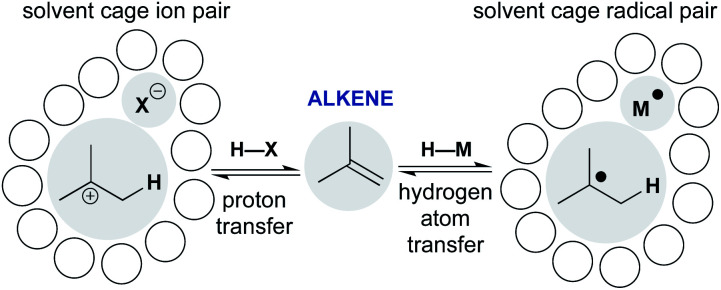
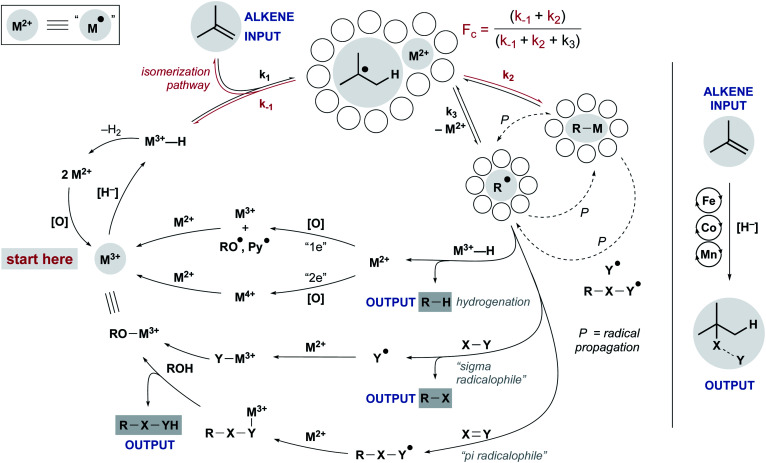
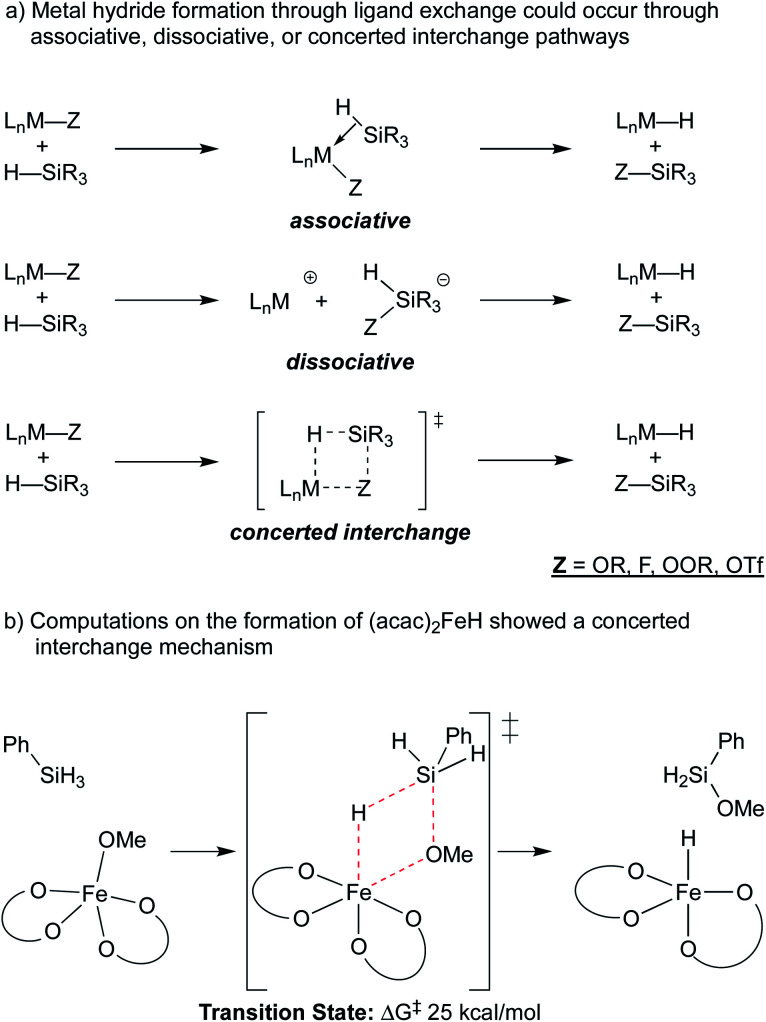
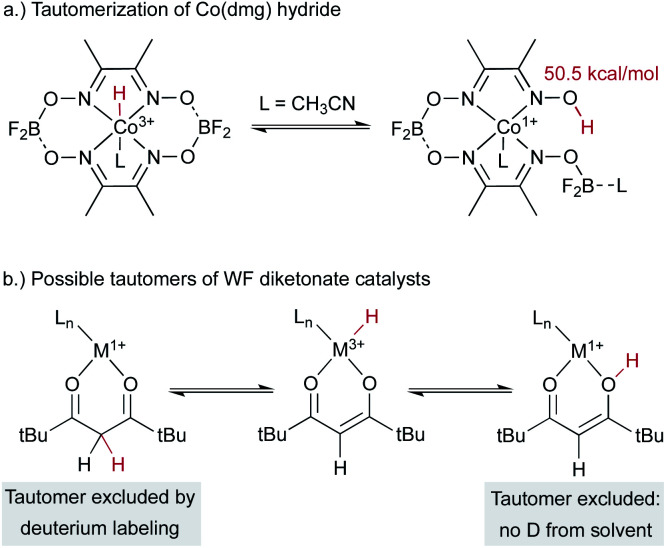
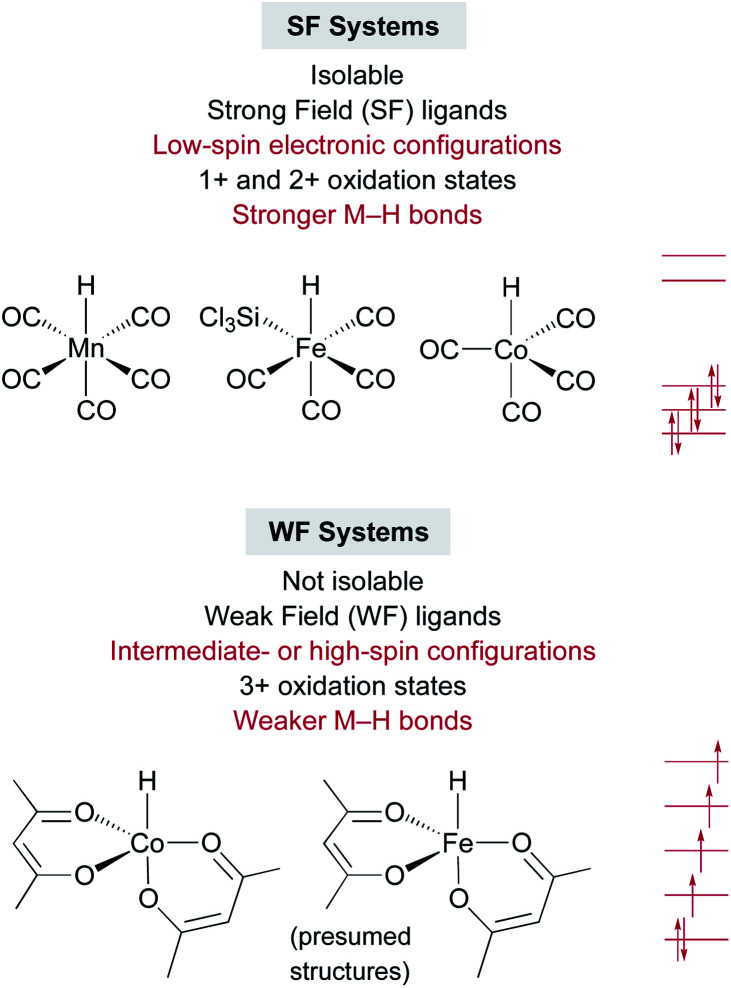
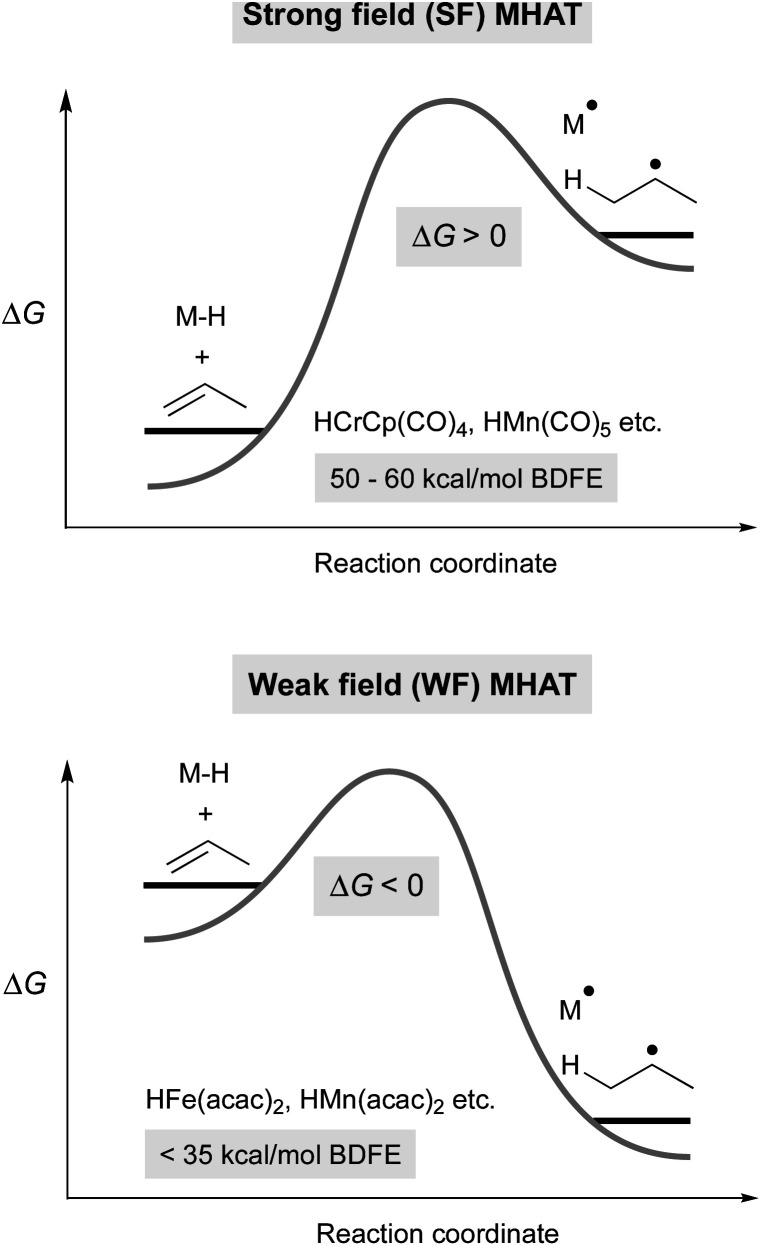
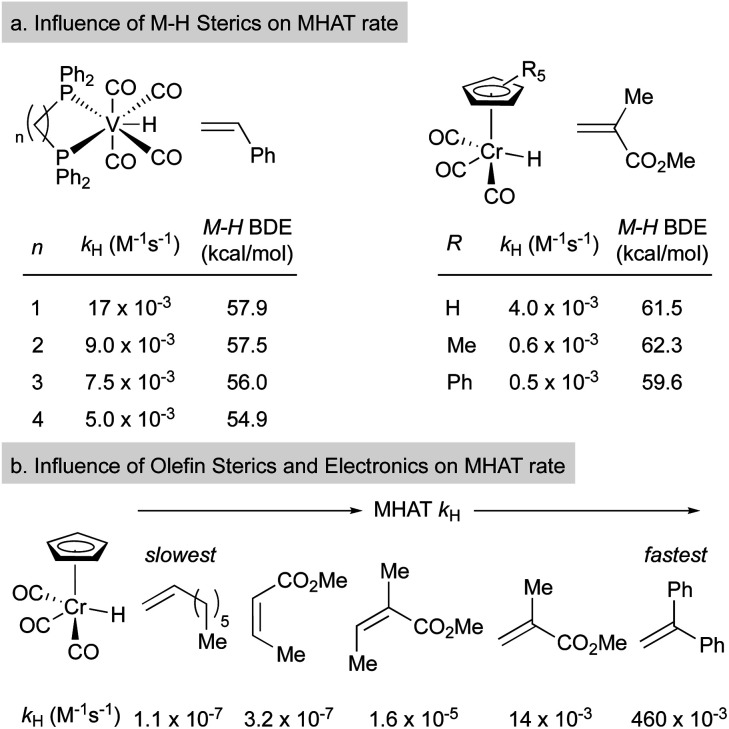
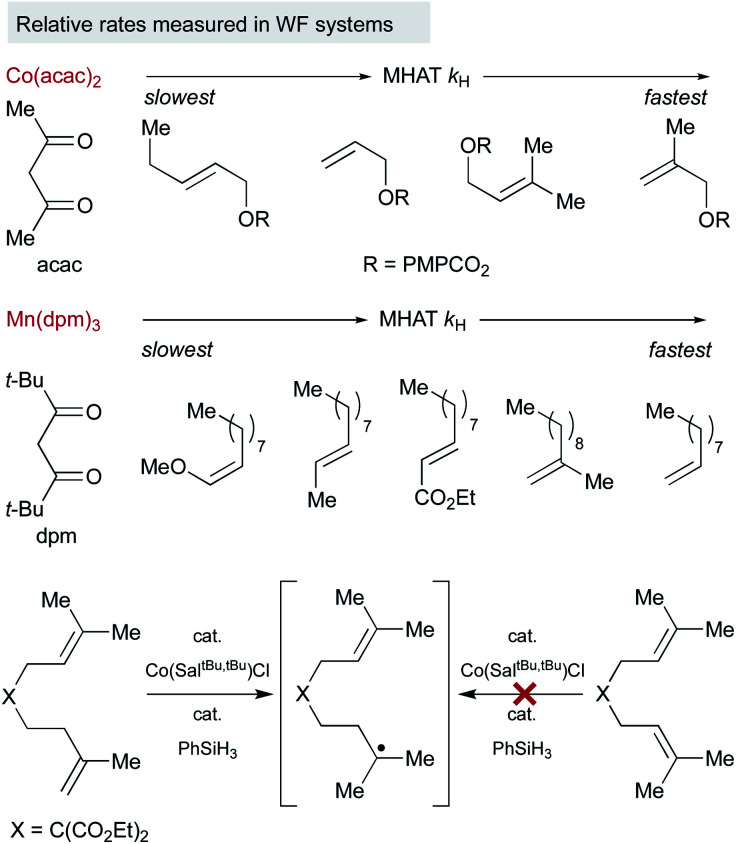
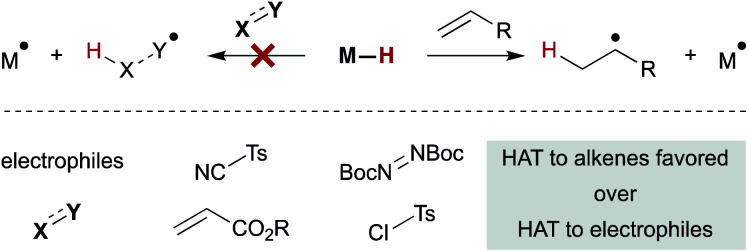
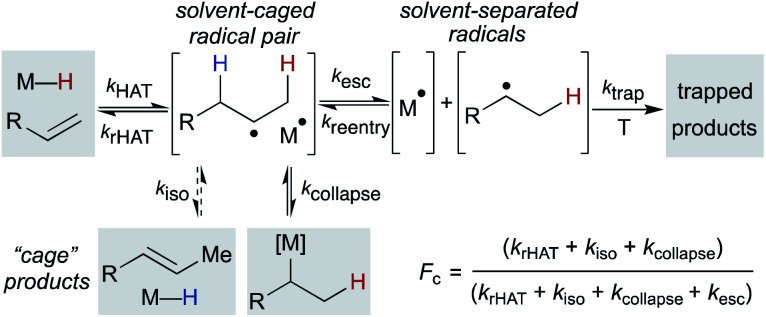
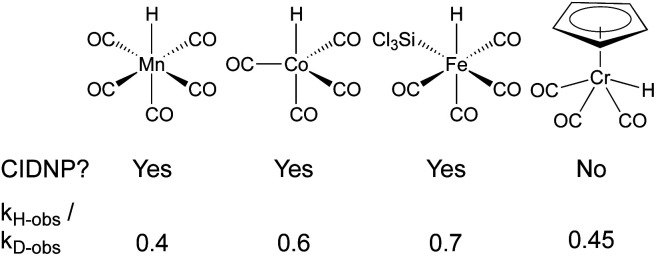
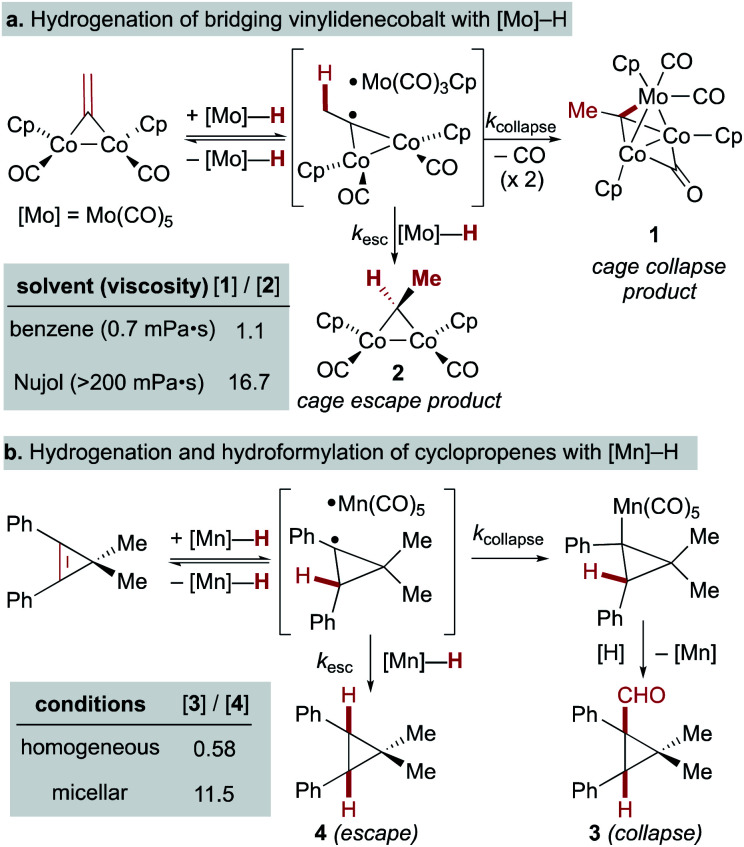
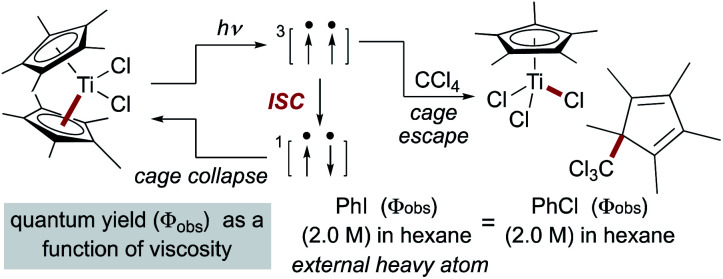
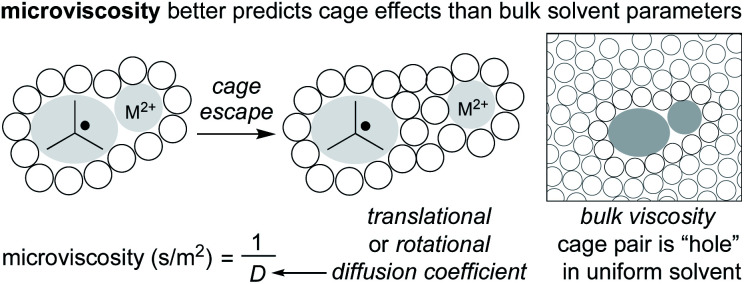
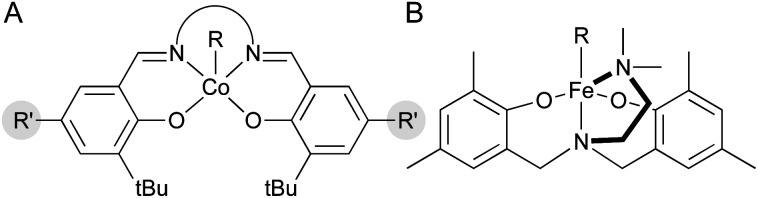
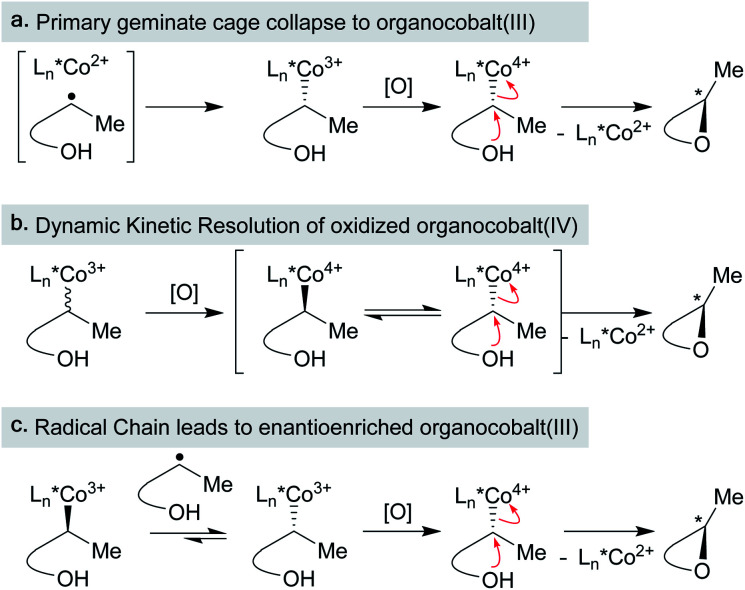
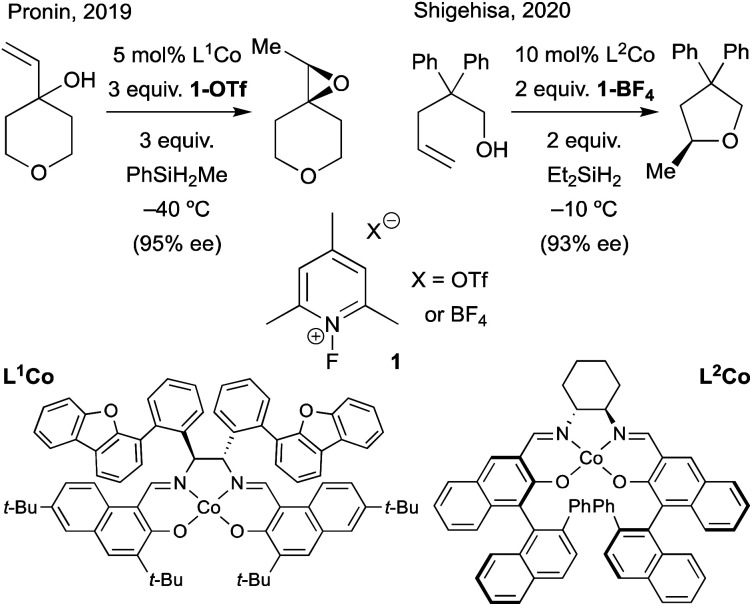
Hydrogen atom transfer from a metal hydride (MHAT) has emerged as a powerful, if puzzling, technique in chemical synthesis. In catalytic MHAT reactions, earth-abundant metal complexes generate stabilized and unstabilized carbon-centered radicals from alkenes of various substitution patterns with robust chemoselectivity. This perspective combines organic and inorganic perspectives to outline challenges and opportunities, and to propose working models to assist further developments. We attempt to demystify the putative intermediates, the basic elementary steps, and the energetic implications, especially for cage pair formation, collapse and separation. Distinctions between catalysts with strong-field (SF) and weak-field (WF) ligand environments may explain some differences in reactivity and selectivity, and provide an organizing principle for kinetics that transcends the typical thermodynamic analysis. This blueprint should aid practitioners who hope to enter and expand this exciting area of chemistry.
金属氢化物氢原子转移(MHAT)已成为化学合成中一种强大但令人费解的技术。在催化MHAT反应中,储量丰富的金属配合物能从各种取代模式的烯烃中生成稳定和不稳定的碳中心自由基,且具有很强的化学选择性。本综述结合有机和无机的观点,概述了挑战与机遇,并提出了有助于进一步发展的工作模型。我们试图揭开假定中间体、基本基元步骤以及能量影响的神秘面纱,特别是关于笼对的形成、分解和分离。具有强场(SF)和弱场(WF)配体环境的催化剂之间的差异可能解释了反应性和选择性上的一些不同,并为超越典型热力学分析的动力学提供了一个组织原则。这一蓝图应有助于希望进入并拓展这一令人兴奋的化学领域的从业者。