Boler-Parseghian Center for Rare and Neglected Disease, University of Notre Dame, Notre Dame, Indiana, United States of America.
Department of Biological Sciences, University of Notre Dame, Notre Dame, Indiana, United State of America.
PLoS Genet. 2021 Feb 1;17(2):e1009307. doi: 10.1371/journal.pgen.1009307. eCollection 2021 Feb.
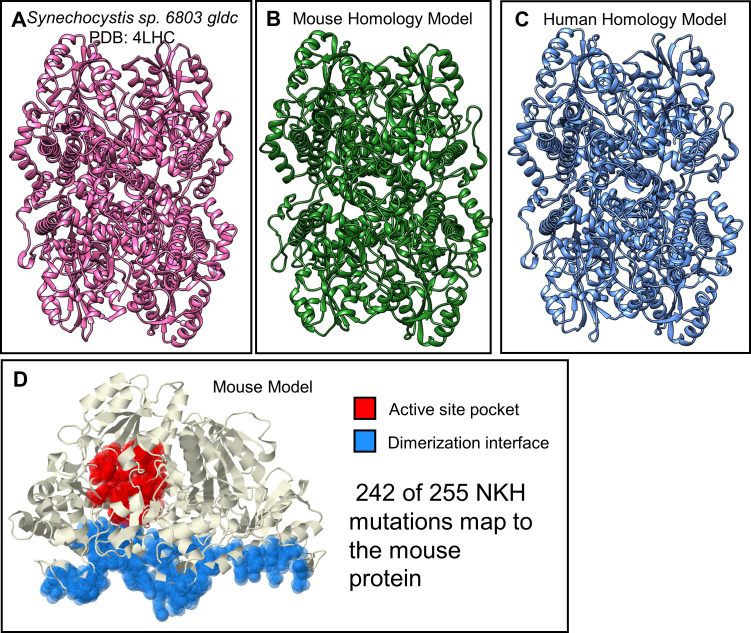
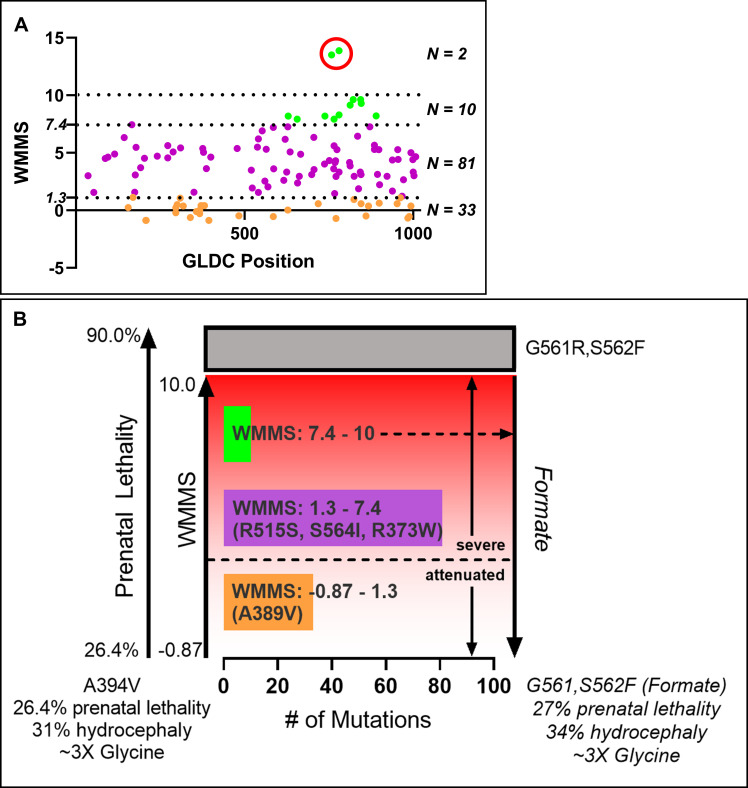
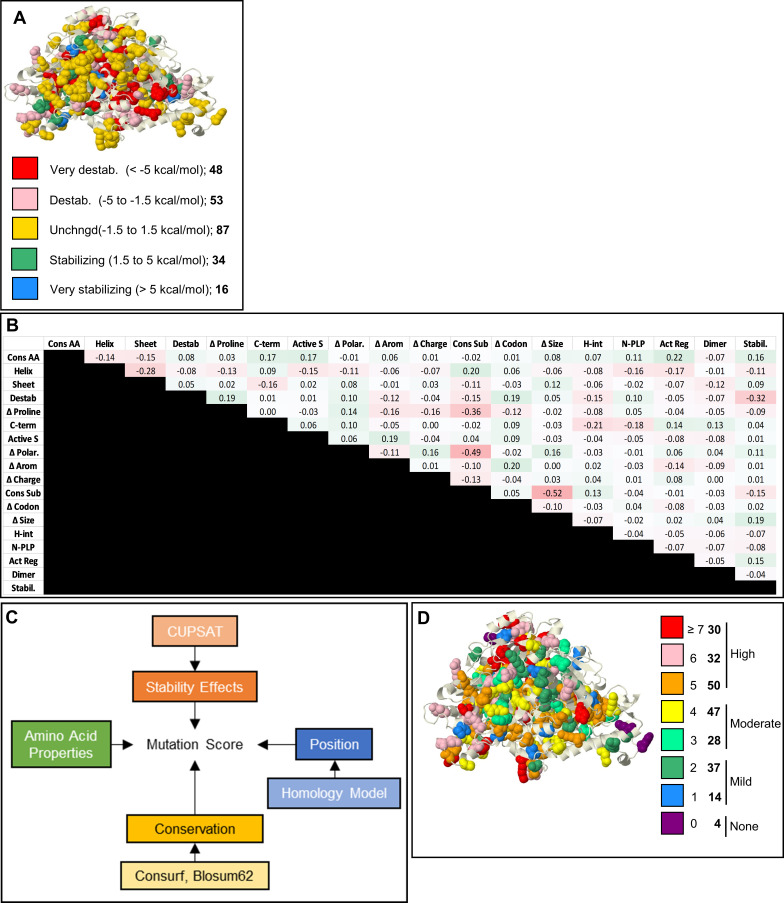
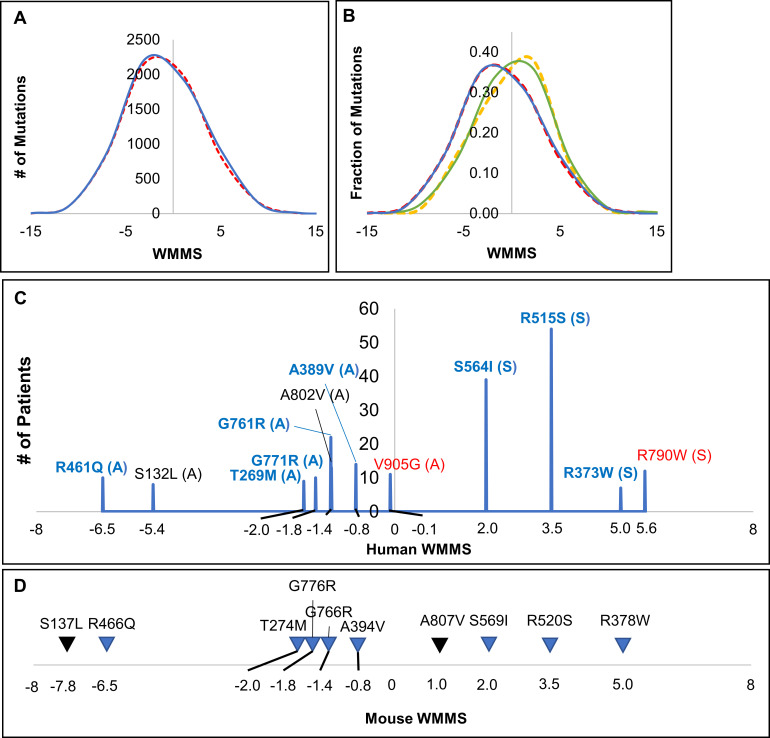
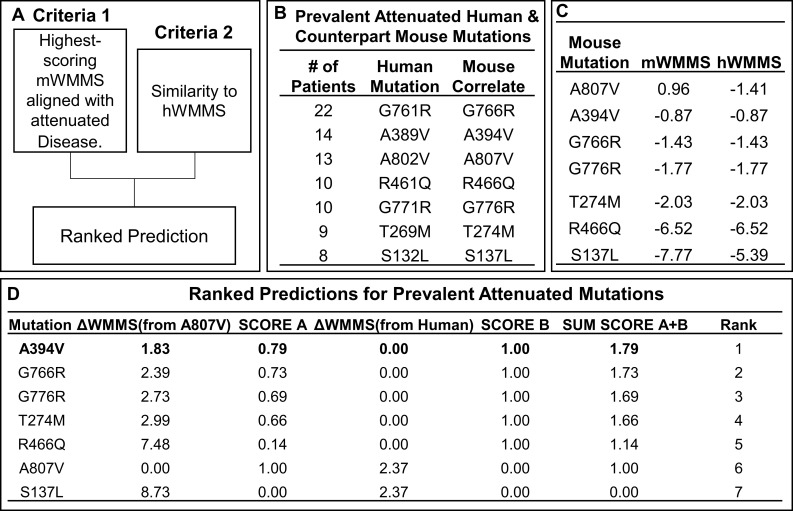
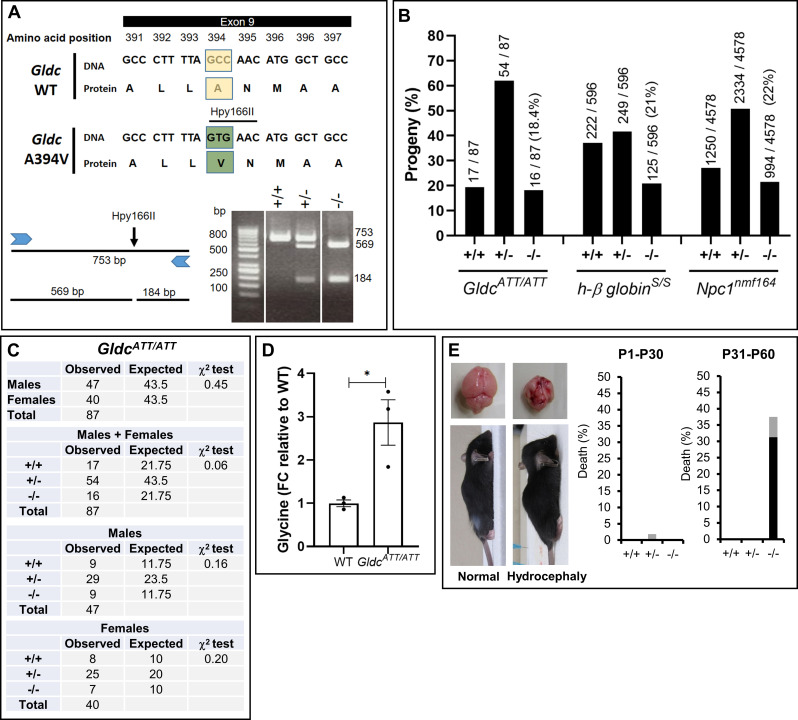
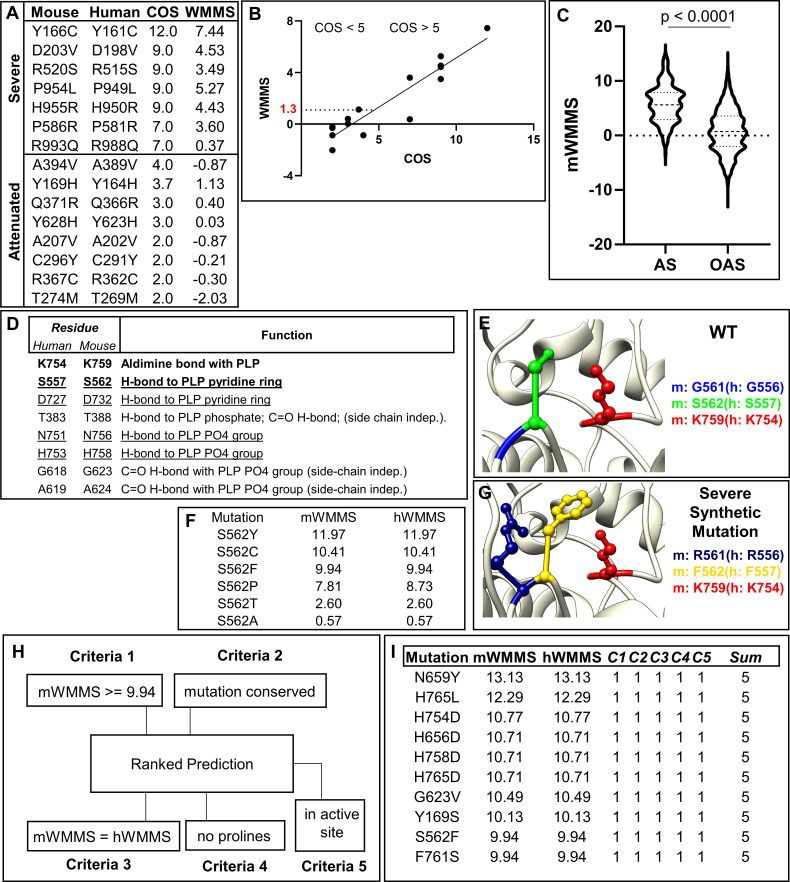
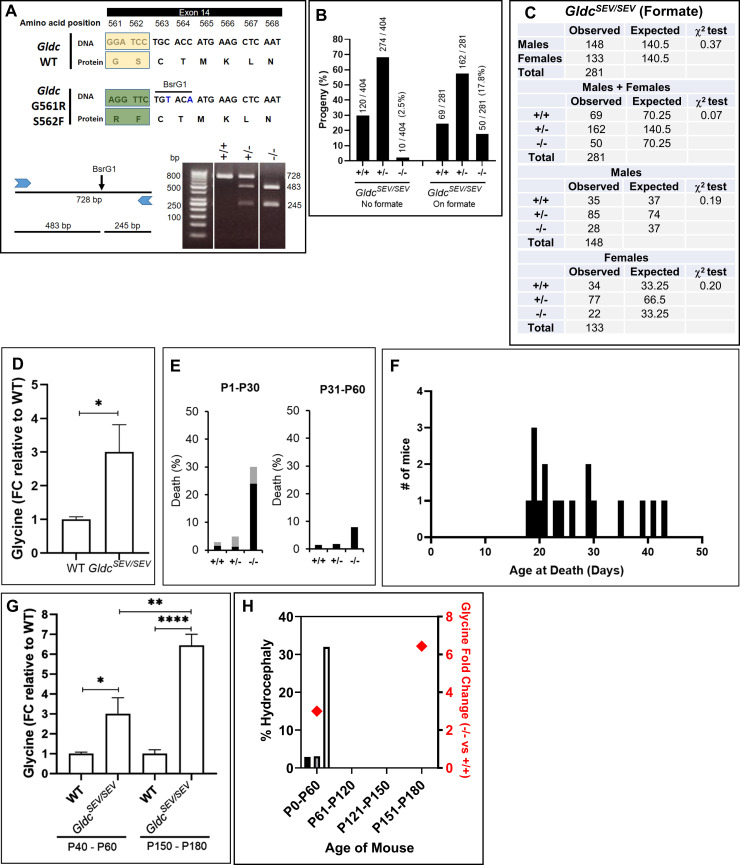
Hundreds of mutations in a single gene result in rare diseases, but why mutations induce severe or attenuated states remains poorly understood. Defect in glycine decarboxylase (GLDC) causes Non-ketotic Hyperglycinemia (NKH), a neurological disease associated with elevation of plasma glycine. We unified a human multiparametric NKH mutation scale that separates severe from attenuated neurological disease with new in silico tools for murine and human genome level-analyses, gathered in vivo evidence from mice engineered with top-ranking attenuated and a highly pathogenic mutation, and integrated the data in a model of pre- and post-natal disease outcomes, relevant for over a hundred major and minor neurogenic mutations. Our findings suggest that highly severe neurogenic mutations predict fatal, prenatal disease that can be remedied by metabolic supplementation of dams, without amelioration of persistent plasma glycine. The work also provides a systems approach to identify functional consequences of mutations across hundreds of genetic diseases. Our studies provide a new framework for a large scale understanding of mutation functions and the prediction that severity of a neurogenic mutation is a direct measure of pre-natal disease in neurometabolic NKH mouse models. This framework can be extended to analyses of hundreds of monogenetic rare disorders where the underlying genes are known but understanding of the vast majority of mutations and why and how they cause disease, has yet to be realized.
数百种基因突变可导致罕见疾病,但为什么突变会导致严重或轻微的疾病状态仍不清楚。甘氨酸脱羧酶(GLDC)缺陷会导致非酮症高甘氨酸血症(NKH),这是一种与血浆甘氨酸升高相关的神经疾病。我们使用新的计算工具对人类和鼠基因组水平进行分析,统一了人类多参数 NKH 突变量表,将严重和轻微的神经疾病区分开来,这些工具汇集了具有排名靠前的减弱和高度致病性突变的工程化小鼠的体内证据,并将数据整合到产前和产后疾病结果模型中,该模型与超过一百种主要和次要的神经源性突变相关。我们的研究结果表明,高度严重的神经源性突变预示着致命的产前疾病,可通过对母体进行代谢补充来治疗,但不能改善持续的血浆甘氨酸水平。这项工作还提供了一种系统方法,可以识别数百种遗传疾病中突变的功能后果。我们的研究为大规模了解突变功能提供了一个新的框架,并预测神经源性突变的严重程度是神经代谢性 NKH 小鼠模型中产前疾病的直接衡量标准。该框架可以扩展到对数百种已知潜在基因的单基因罕见疾病的分析,尽管对绝大多数突变及其导致疾病的原因和方式仍缺乏了解。