Department of Mathematics, Clarkson University, Potsdam, NY 13699, USA.
Center for Population Health and Aging, Texas A&M University, College Station, TX 77843, USA.
Nutrients. 2021 Jan 28;13(2):412. doi: 10.3390/nu13020412.
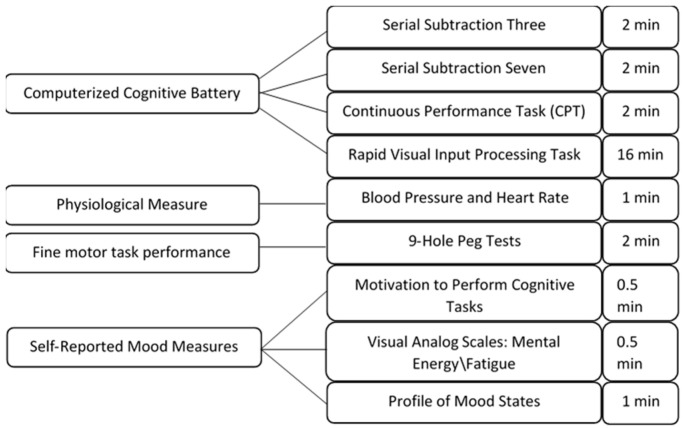
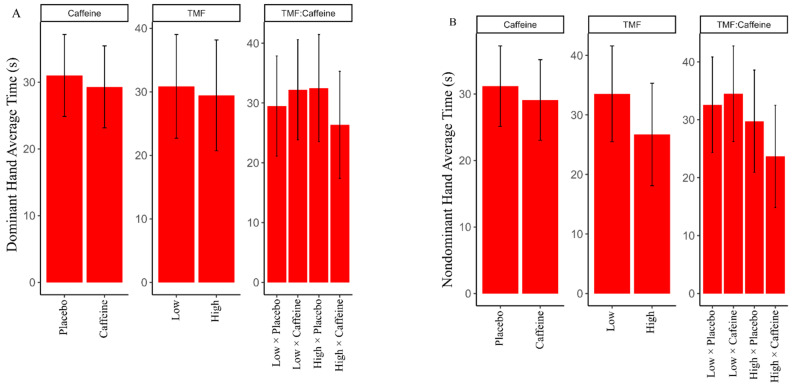
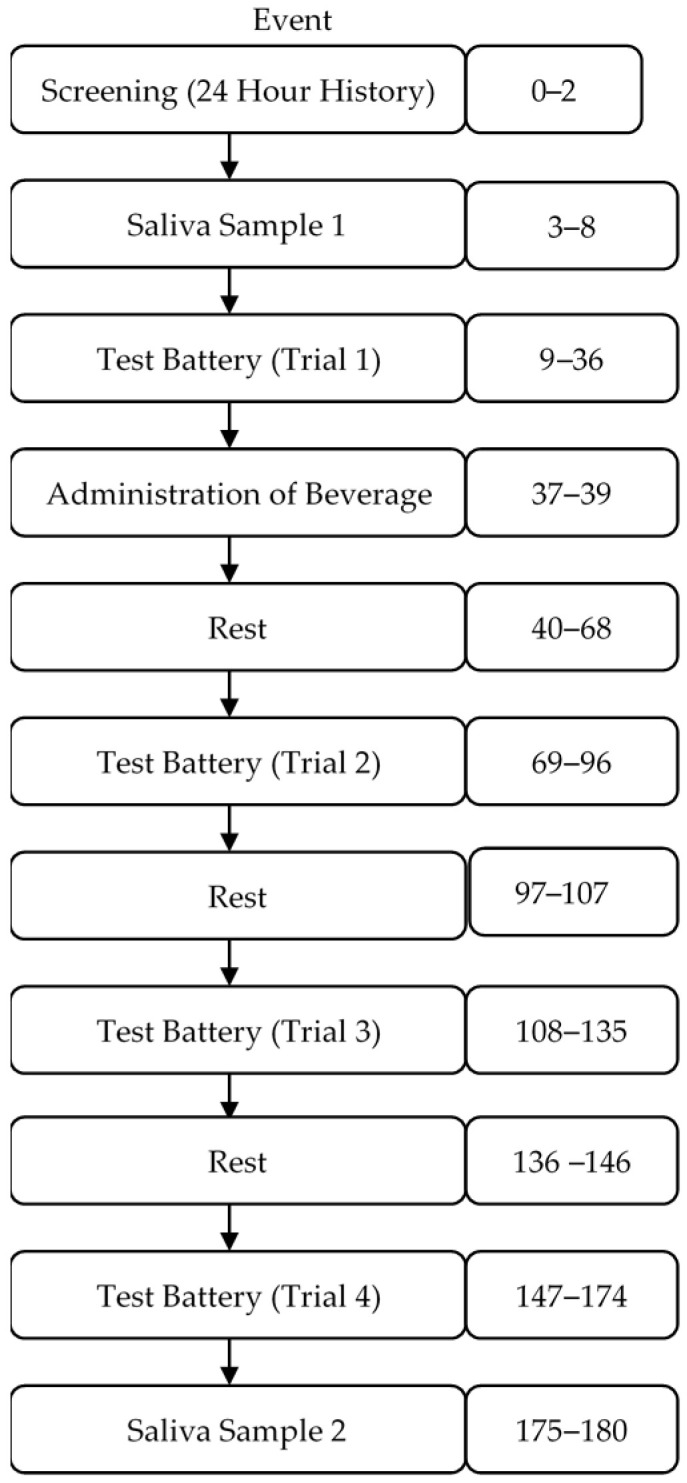
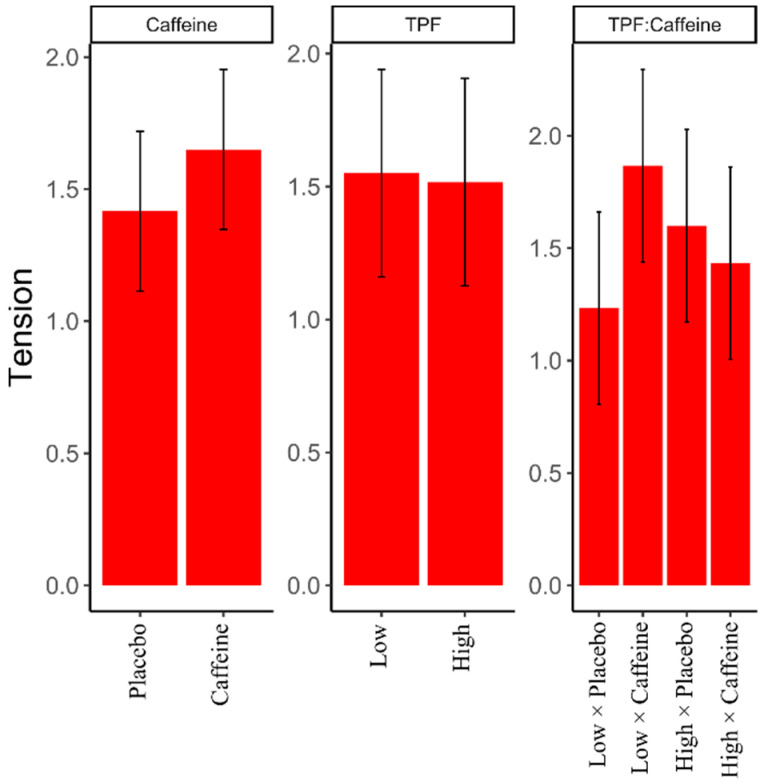
Multiple studies suggest that genetic polymorphisms influence the neurocognitive effects of caffeine. Using data collected from a double-blinded, within-participants, randomized, cross-over design, this study examined the effects of trait (long-standing pre-disposition) mental and physical energy and fatigue to changes in moods (Profile of Mood Survey-Short Form (POMS-SF), state mental and physical energy and fatigue survey), cognitive (serial subtractions of 3 (SS3) and 7 (SS7)), and fine-motor task (nine-hole peg test) performance after consuming a caffeinated beverage and a non-caffeinated placebo. Results indicate that trait mental and physical fatigue and mental energy modified the effects of caffeine on vigor, tension-anxiety, physical, and mental fatigue. Additionally, we report that those who were high trait physical and mental fatigue and low-trait mental energy reported the greatest benefit of caffeine on the SS3 and SS7, while those who were high trait mental and physical fatigue reported the greatest benefit of consuming caffeine on fine-motor task performance. The results of our study suggest that trait mental and physical fatigue and mental energy modify the acute effects of caffeine among a group of healthy, young adults and should be measured and controlled for by researchers who choose to study the effects of caffeine on acute moods and cognitive and fine-motor task performance.
多项研究表明,遗传多态性会影响咖啡因对神经认知的影响。本研究采用双盲、内参与者、随机、交叉设计,使用从双盲、内参与者、随机、交叉设计中收集的数据,考察了特质(长期存在的倾向)心理和身体能量和疲劳对情绪变化(心境剖面图-短式(POMS-SF)、状态心理和身体能量和疲劳调查)、认知(连续 3 次(SS3)和 7 次(SS7)减法)和精细运动任务(九孔钉测试)的影响在饮用含咖啡因饮料和不含咖啡因安慰剂后表现。结果表明,特质心理和身体疲劳以及心理能量会改变咖啡因对活力、紧张焦虑、身体和心理疲劳的影响。此外,我们报告说,那些具有高特质身体和心理疲劳以及低特质心理能量的人报告说,咖啡因对 SS3 和 SS7 的影响最大,而那些具有高特质心理和身体疲劳的人则报告说,咖啡因对精细运动任务表现的影响最大。我们的研究结果表明,特质心理和身体疲劳以及心理能量会改变健康年轻成年人中咖啡因的急性影响,因此,选择研究咖啡因对急性情绪、认知和精细运动任务表现影响的研究人员应该测量和控制这些因素。