Department of Biostatistics, Harvard T.H. Chan School of Public Health, Boston, Massachusetts.
Department of Statistics and Data Sciences, University of Texas, Austin, Texas.
Biometrics. 2022 Jun;78(2):730-741. doi: 10.1111/biom.13436. Epub 2021 Feb 16.
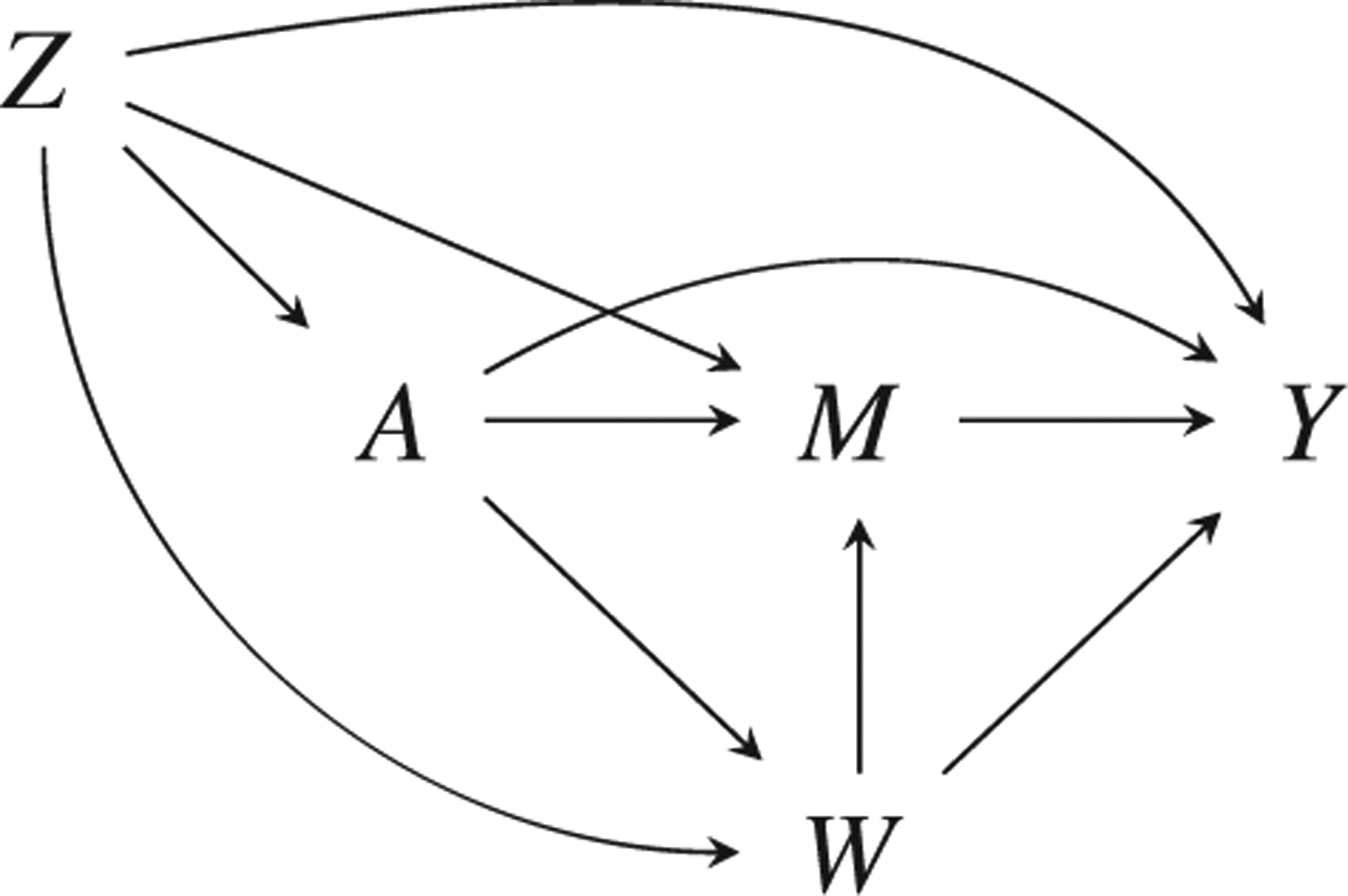
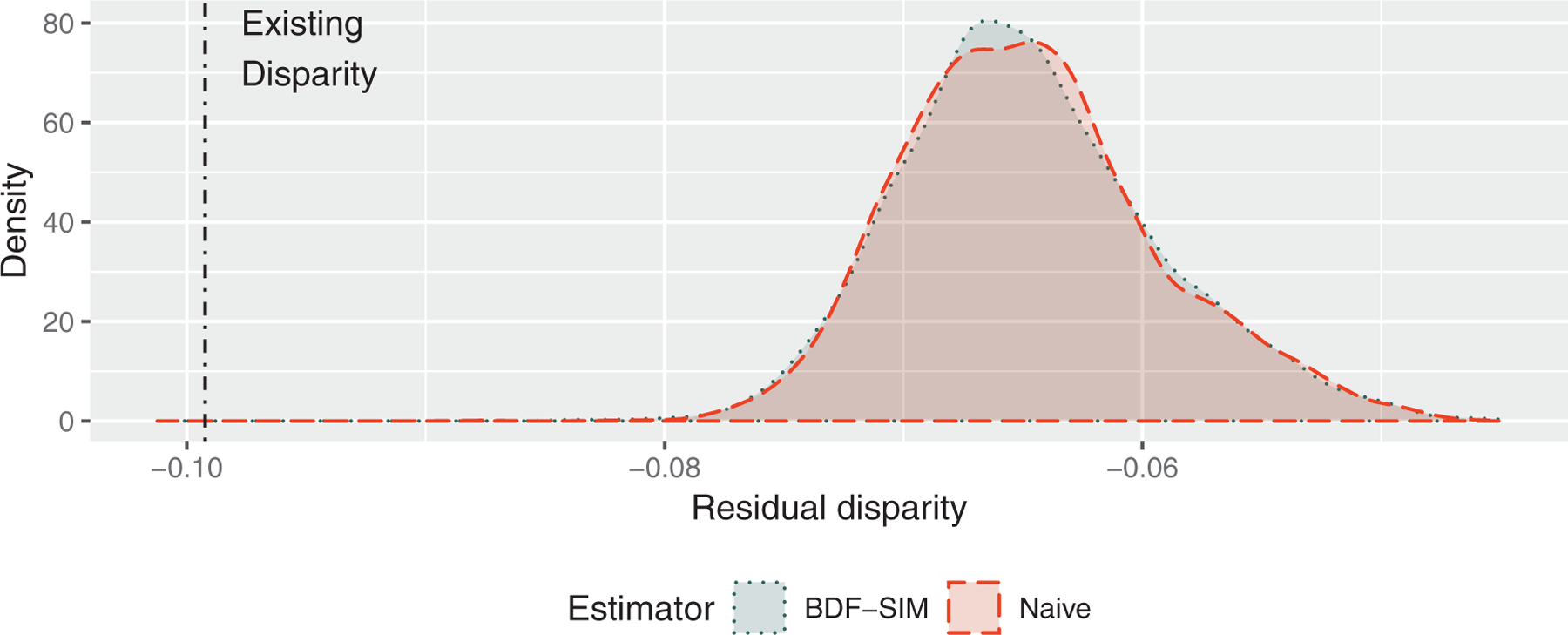
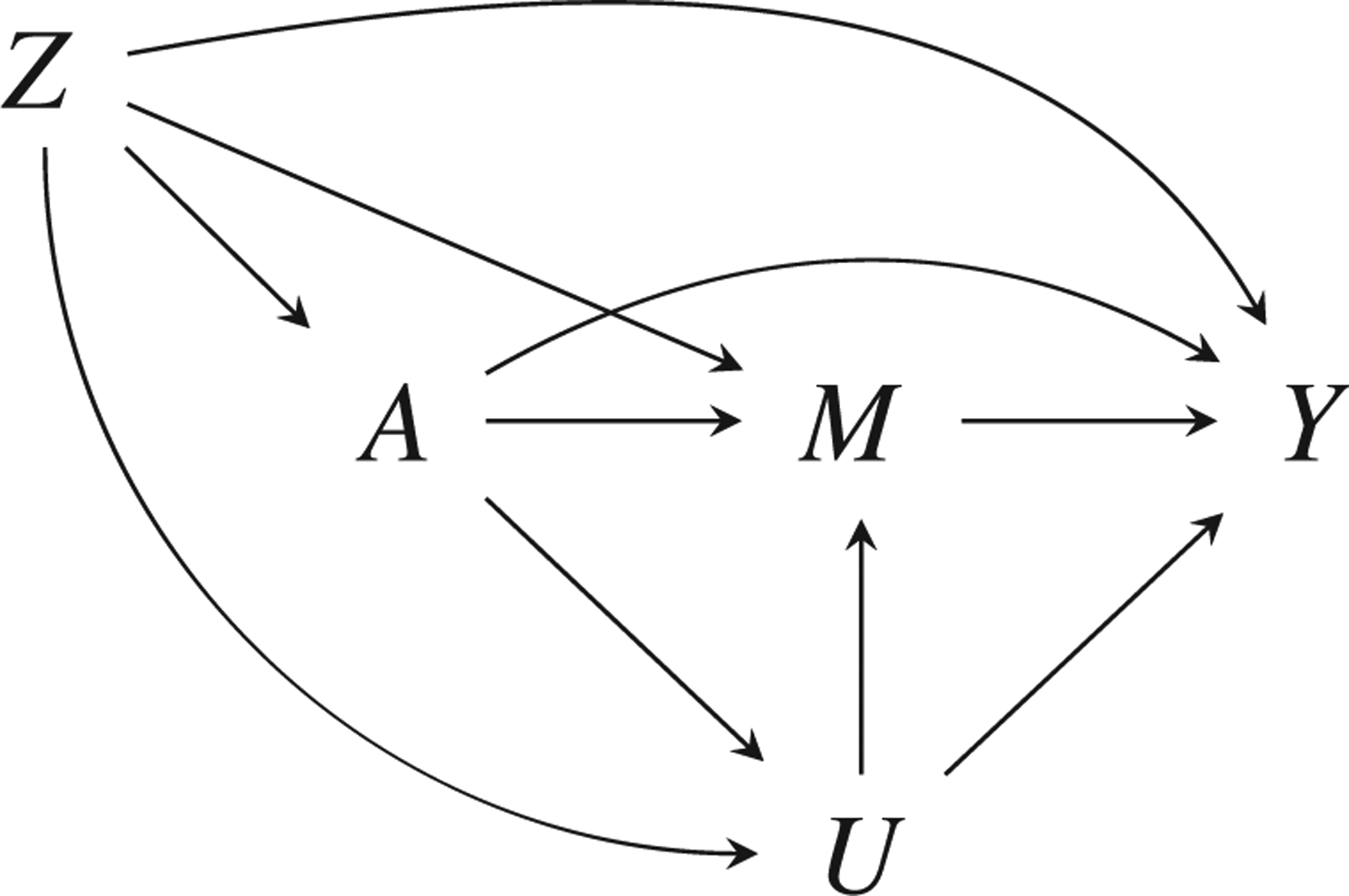
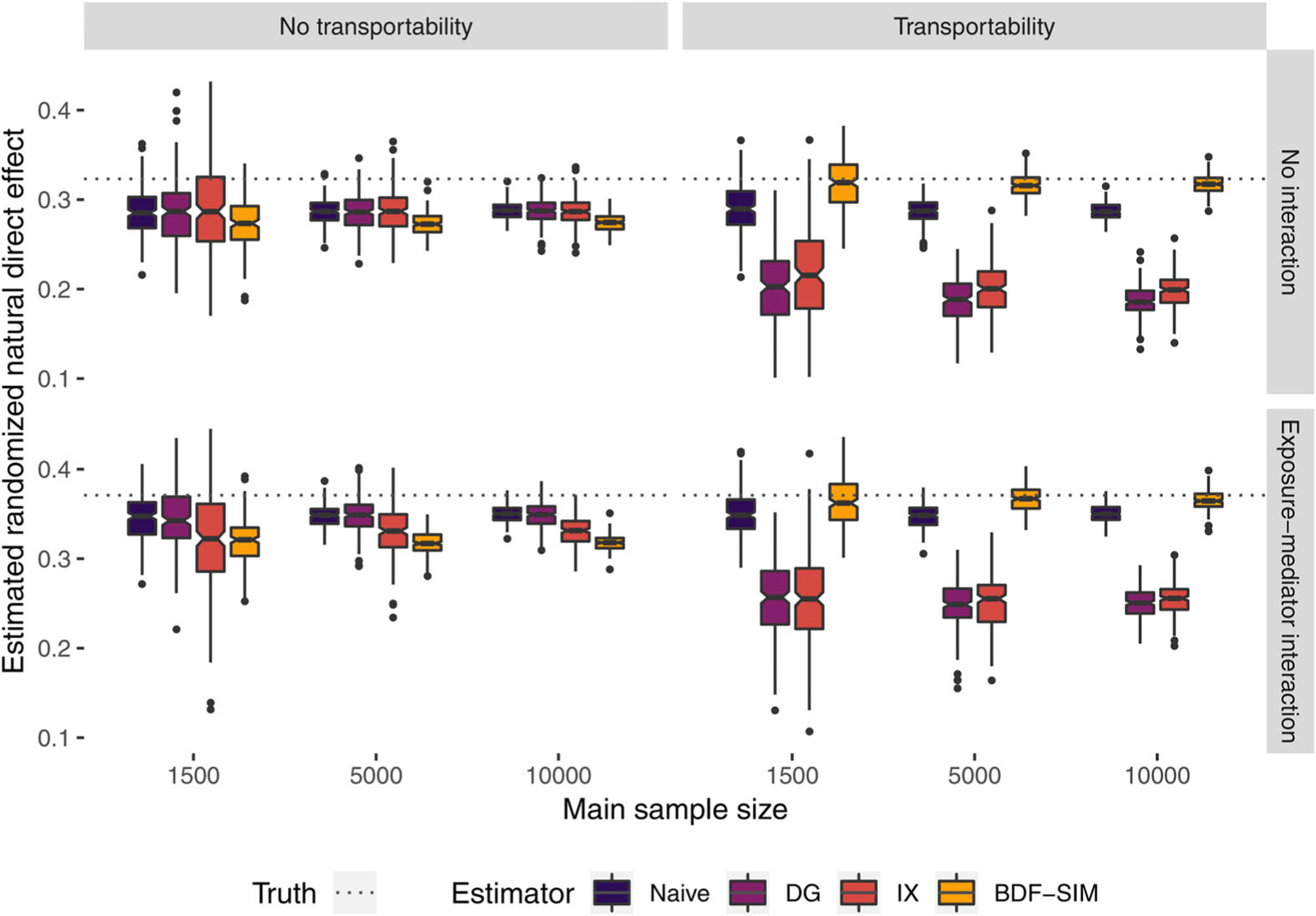
Bayesian causal inference offers a principled approach to policy evaluation of proposed interventions on mediators or time-varying exposures. Building on the Bayesian g-formula method introduced by Keil et al., we outline a general approach for the estimation of population-level causal quantities involving dynamic and stochastic treatment regimes, including regimes related to mediation estimands such as natural direct and indirect effects. We further extend this approach to propose a Bayesian data fusion (BDF), an algorithm for performing probabilistic sensitivity analysis when a confounder unmeasured in a primary data set is available in an external data source. When the relevant relationships are causally transportable between the two source populations, BDF corrects confounding bias and supports causal inference and decision-making within the main study population without sharing of the individual-level external data set. We present results from a simulation study comparing BDF to two common frequentist correction methods for unmeasured mediator-outcome confounding bias in the mediation setting. We use these methods to analyze data on the role of stage at cancer diagnosis in contributing to Black-White colorectal cancer survival disparities.
贝叶斯因果推断为评估拟议干预措施对中介或时变暴露的政策提供了一种原则性方法。基于 Keil 等人引入的贝叶斯 g 公式方法,我们概述了一种用于估计涉及动态和随机治疗方案的人群水平因果量的一般方法,包括与中介估计量相关的方案,如自然直接和间接效应。我们进一步扩展了这种方法,提出了一种贝叶斯数据融合 (BDF),这是一种当主要数据集未测量混杂因素在外部数据源中可用时执行概率敏感性分析的算法。当两个源人群之间的相关关系可以因果传递时,BDF 可以纠正混杂偏差,并在主要研究人群中支持因果推断和决策,而无需共享外部数据集的个体层面信息。我们从一项模拟研究中展示了结果,该研究将 BDF 与两种常见的在中介设置中纠正未测量中介-结局混杂偏差的频率派校正方法进行了比较。我们使用这些方法来分析癌症诊断阶段在导致黑人和白人结直肠癌生存差异中的作用的数据。