Department of Surgery, Donnelly Centre, University of Toronto, Toronto, Ontario, Canada.
Institute of Medical Sciences, University of Toronto, Toronto, Ontario, Canada.
Stem Cells. 2021 Jun;39(6):776-786. doi: 10.1002/stem.3344. Epub 2021 Feb 10.
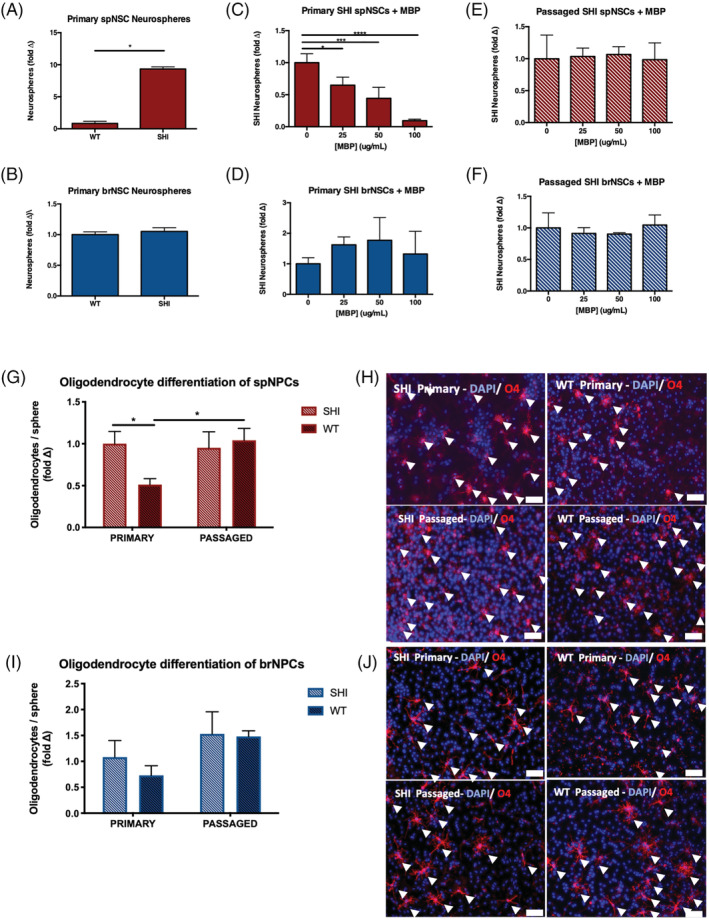
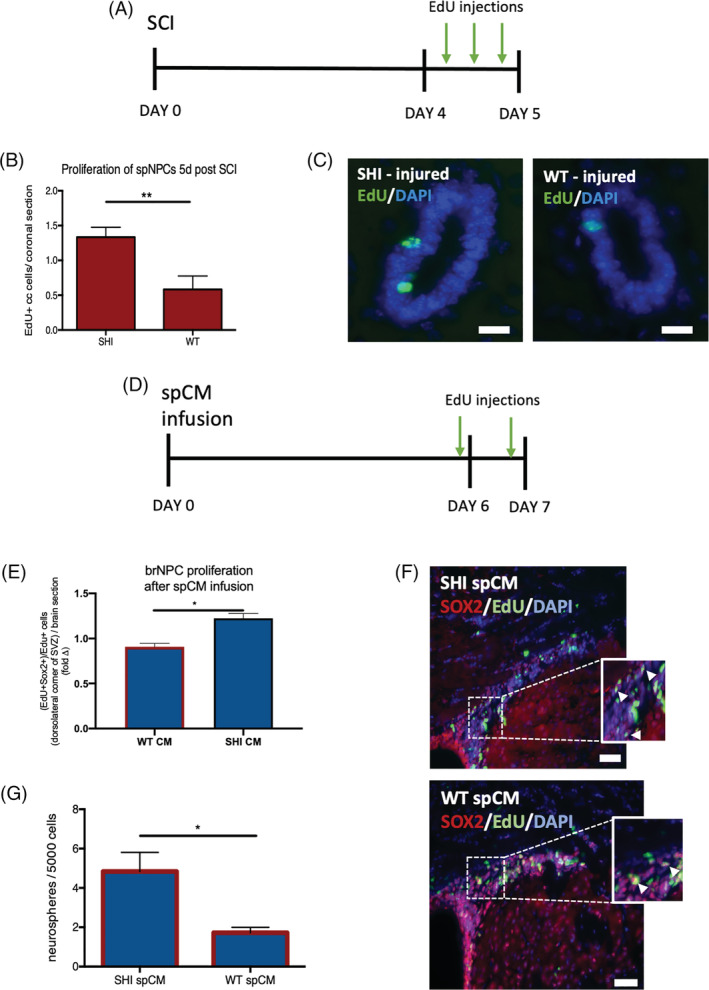
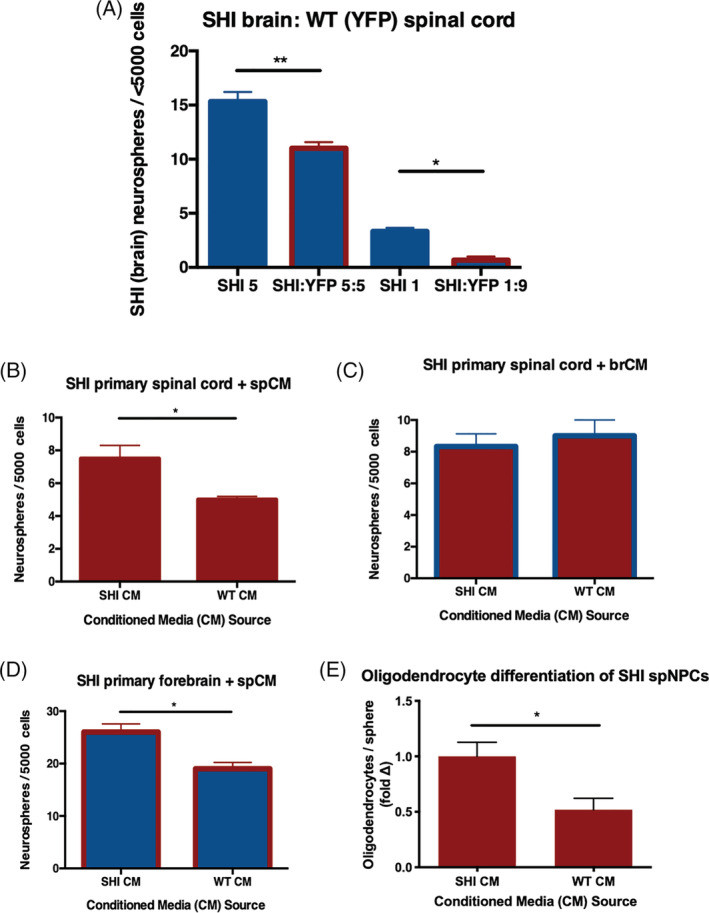
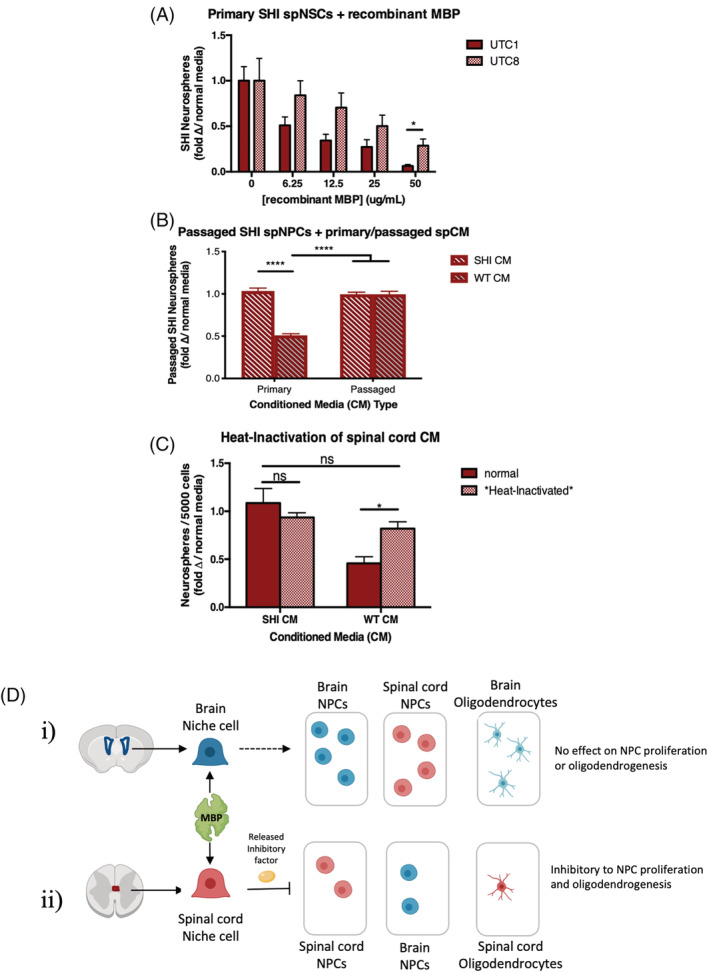
Neural stem and progenitor cells (collectively termed neural precursor cells [NPCs]) are found along the ventricular neuraxis extending from the spinal cord to the forebrain in regionally distinct niches comprised of different cell types, architecture, and cell-cell interactions. An understanding of the factors that regulate NPC behavior is critical for developing therapeutics to repair the injured central nervous system. Herein, we demonstrate that myelin basic protein (MBP), the major cytoplasmic protein constituent of the myelin sheath in oligodendrocytes, can regulate NPC behavior. Under physiological conditions, NPCs are not in contact with intracellular MBP; however, upon injury, MBP is released into the neural parenchyma. We reveal that MBP presented in a spinal cord niche is inhibitory to NPC proliferation. This inhibitory effect is regionally distinct as spinal cord NPCs, but not forebrain-derived NPCs, are inhibited by MBP. We performed coculture and conditioned media experiments that reveal the stem cell niche is a key regulator of MBP's inhibitory actions on NPCs. The inhibition is mediated by a heat-labile protein released by spinal cord niche cells, but not forebrain niche cells. However, forebrain NPCs are also inhibited by the spinal cord derived factor as revealed following in vivo infusion of the spinal cord niche-derived conditioned media. Moreover, we show that MBP inhibits oligodendrogenesis from NPCs. Together, these findings highlight the role of MBP and the regionally distinct microenvironment in regulating NPC behavior which has important implications for stem cell-based regenerative strategies.
神经干细胞和祖细胞(统称为神经前体细胞[NPCs])存在于从脊髓延伸到大脑前区的脑室神经轴上,位于由不同细胞类型、结构和细胞-细胞相互作用组成的区域特化的龛位中。了解调节 NPC 行为的因素对于开发修复中枢神经系统损伤的治疗方法至关重要。本文中,我们证明了少突胶质细胞髓鞘碱性蛋白(MBP)——髓鞘细胞质中的主要蛋白成分——可以调节 NPC 的行为。在生理条件下,NPC 不与细胞内的 MBP 接触;然而,在损伤时,MBP 会被释放到神经实质中。我们发现,在脊髓龛位中呈现的 MBP 对 NPC 的增殖具有抑制作用。这种抑制作用具有区域特异性,因为脊髓 NPC 而非前脑源性 NPC 被 MBP 抑制。我们进行了共培养和条件培养基实验,揭示了干细胞龛位是 MBP 对 NPC 抑制作用的关键调节因子。这种抑制作用是由脊髓龛位细胞释放的热不稳定蛋白介导的,但不是由前脑龛位细胞介导的。然而,正如在体内输注脊髓龛位来源的条件培养基后所揭示的那样,前脑 NPC 也被脊髓衍生的因子抑制。此外,我们还表明 MBP 抑制 NPC 向少突胶质细胞的分化。总之,这些发现强调了 MBP 和区域特化的微环境在调节 NPC 行为中的作用,这对基于干细胞的再生策略具有重要意义。