Mahendiratta Saniya, Bansal Seema, Sarma Phulen, Kumar Harish, Choudhary Gajendra, Kumar Subodh, Prakash Ajay, Sehgal Rakesh, Medhi Bikash
Department of Pharmacology, Postgraduate Institute of Medical Education and Research, Chandigarh, India.
Post Graduate Institute of Medical Education and Research, Chandigarh, India.
Biomed Pharmacother. 2021 May;137:111300. doi: 10.1016/j.biopha.2021.111300. Epub 2021 Jan 28.
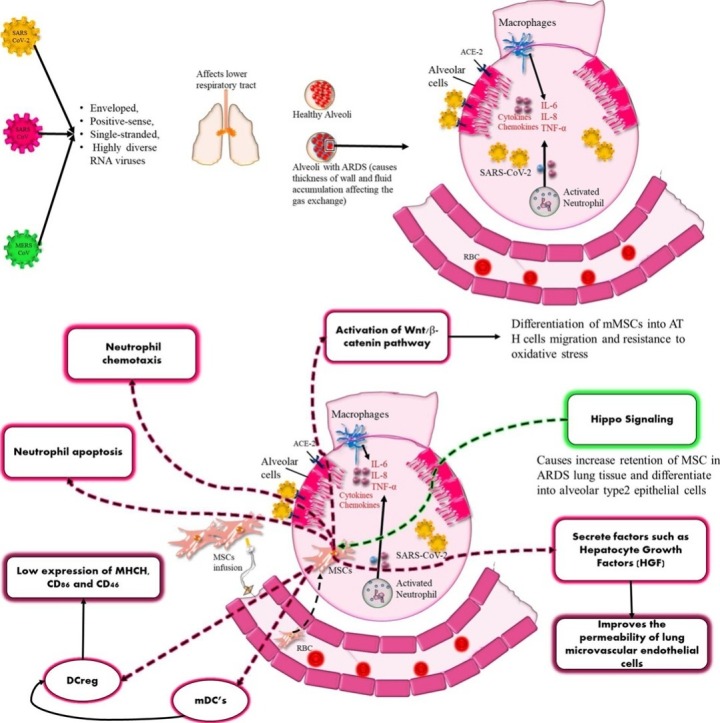
SARS-CoV-2, which majorly affects the lungs and respiratory tract is thought due to dysregulation of the immune system which causes an immense imbalance of the cytokines. However, till now no standard treatment has been developed in treating the disease. On the other hand, it becomes important to prevent the acute respiratory tract infection due to COVID-19 which is the most dangerous phase leading to increased mortality. Hence this systematic review has been framed by pooling the available data of the use of stem cells in SARS-CoV-2, SARS-CoV, MERS-CoV and ARDS.
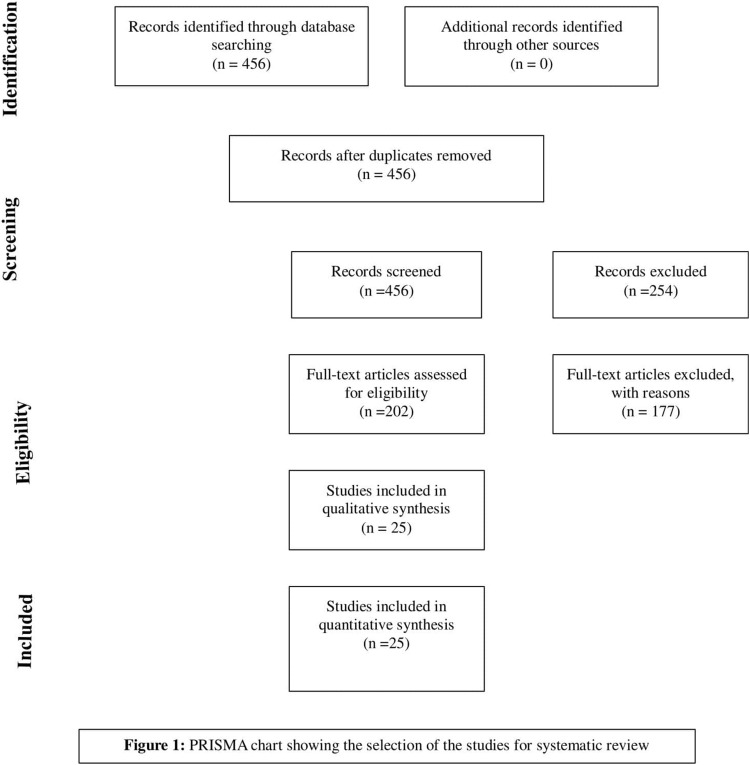
6 literature databases (PubMed, EMBASE, Scopus, Google Scholar, Clinicaltrials.gov, and Clinical trial registry of India) were searched for relevant studies till 10th August 2020 using keywords stem cells, mesenchymal stem cells, cell therapy, SARS CoV-2, SARS Coronavirus, Coronavirus 2, COVID-19, nCoV-19, Novel Coronavirus, MERS CoV, ARDS, acute respiratory distress syndrome.
The observations of this systematic review suggest capability of MSCs in reducing the systemic inflammation and protecting against SARS-CoV-2 as evidenced by the available clinical data.
MSCs can overcome the clinical challenges currently faced by SARS-CoV-2 infected patients, specifically who are seriously ill and not responding to conventional therapies. Though the available clinical data is motivating, still predicting the therapeutic potential of MSCs will be too early in COVID-19. Hence, further studies in a larger cohort of patients becomes a prerequisite to validate their potential efficacy.
严重急性呼吸综合征冠状病毒2(SARS-CoV-2)主要影响肺部和呼吸道,被认为是由于免疫系统失调导致细胞因子严重失衡所致。然而,到目前为止,尚未开发出治疗该疾病的标准疗法。另一方面,预防新型冠状病毒肺炎(COVID-19)引起的急性呼吸道感染变得至关重要,因为这是导致死亡率增加的最危险阶段。因此,本系统评价通过汇总干细胞在SARS-CoV-2、SARS-CoV、中东呼吸综合征冠状病毒(MERS-CoV)和急性呼吸窘迫综合征(ARDS)中应用的现有数据而制定。
检索6个文献数据库(PubMed、EMBASE、Scopus、谷歌学术、Clinicaltrials.gov和印度临床试验注册中心),使用关键词“干细胞”“间充质干细胞”“细胞疗法”“SARS-CoV-2”“SARS冠状病毒”“冠状病毒2”“COVID-19”“nCoV-19”“新型冠状病毒”“MERS-CoV”“ARDS”“急性呼吸窘迫综合征”,检索截至2020年8月10日的相关研究。
本系统评价的观察结果表明,现有临床数据证明间充质干细胞有能力减轻全身炎症并预防SARS-CoV-2感染。
间充质干细胞可以克服SARS-CoV-2感染患者目前面临的临床挑战,特别是那些病情严重且对传统疗法无反应的患者。尽管现有临床数据令人鼓舞,但在COVID-19中预测间充质干细胞的治疗潜力仍为时过早。因此,在更大规模的患者队列中进行进一步研究是验证其潜在疗效的先决条件。