Jahan Sulltana, Karim Md Emranul, Chowdhury Ezharul Hoque
Jeffrey Cheah School of Medicine and Health Sciences, Monash University Malaysia, Jalan Lagoon Selatan, Bandar Sunway, Petaling Jaya 47500, Malaysia.
Biomedicines. 2021 Jan 26;9(2):114. doi: 10.3390/biomedicines9020114.
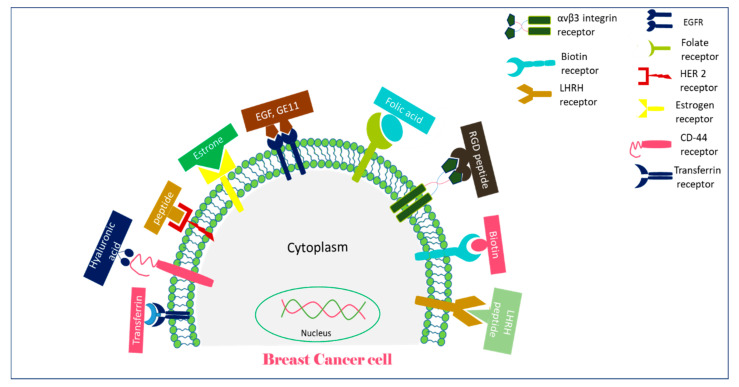
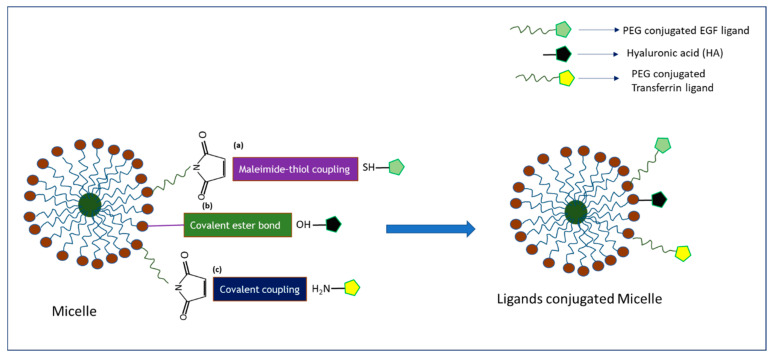
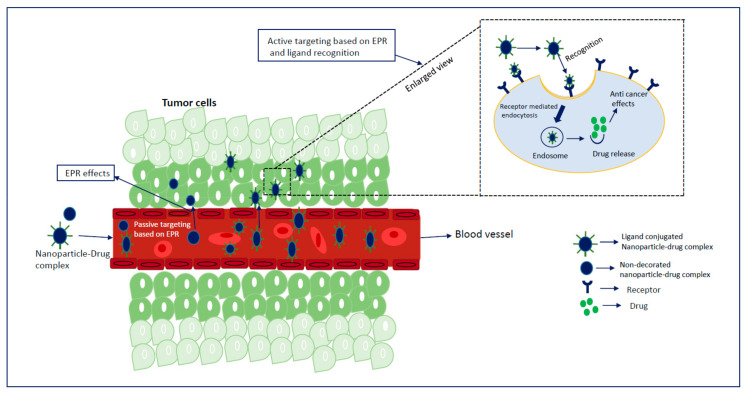
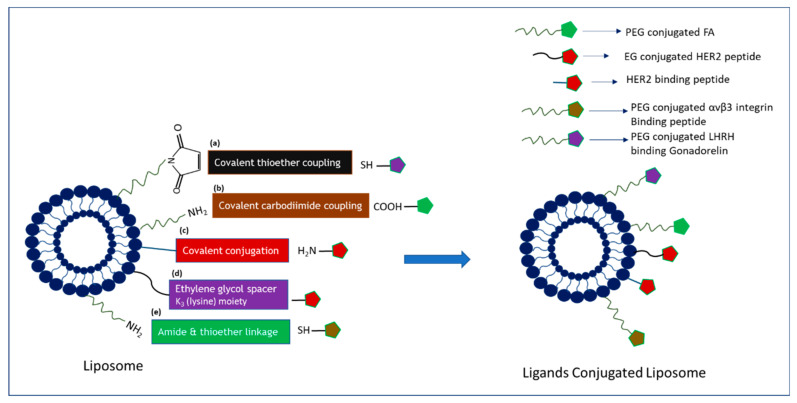
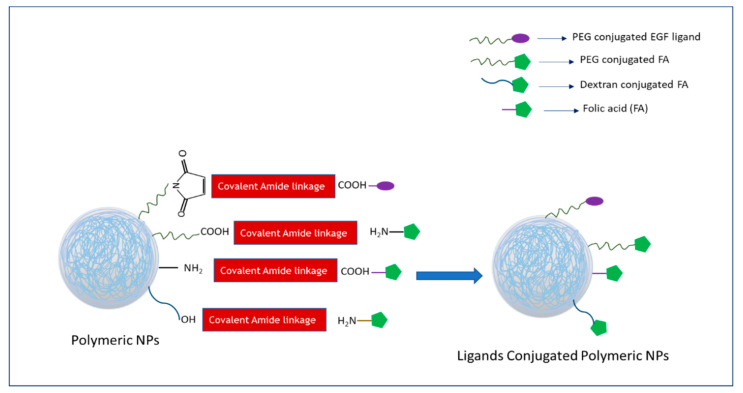
The journey of chemotherapeutic drugs from the site of administration to the site of action is confronted by several factors including low bioavailability, uneven distribution in major organs, limited accessibility of drug molecules to the distant tumor tissues, and lower therapeutic indexes. These unavoidable features of classical chemotherapeutics necessitate an additional high, repetitive dose of drugs to obtain maximum therapeutic responses with the result of unintended adverse side effects. An erratic tumor microenvironment, notable drawbacks of conventional chemotherapy, and multidrug-resistant mechanisms of breast cancer cells warrant precisely designed therapeutics for the treatment of cancers. In recent decades, nanoparticles have been deployed for the delivery of standard anticancer drugs to maximize the therapeutic potency while minimizing the adverse effects to increase the quality and span of life. Several organic and inorganic nanoplatforms that have been designed exploiting the distinctive features of the tumor microenvironment and tumor cells offer favorable physicochemical properties and pharmacokinetic profiles of a parent drug, with delivery of higher amounts of the drug to the pathological site and its controlled release, thereby improving the balance between its efficacy and toxicity. Advances to this front have included design and construction of targeted nanoparticles by conjugating homing devices like peptide, ligand, and Fab on the surface of nanomaterials to navigate nanoparticledrug complexes towards the target tumor cell with minimal destruction of healthy cells. Furthermore, actively targeting nanoparticles can facilitate the delivery and cellular uptake of nanoparticle-loaded drug constructs via binding with specific receptors expressed aberrantly on the surface of a tumor cell. Herein, we present an overview of the principle of targeted delivery approaches, exploiting drug-nanoparticle conjugates with multiple targeting moieties to target specific receptors of breast cancer cells and highlighting therapeutic evaluation in preclinical studies. We conclude that an understanding of the translational gap and challenges would show the possible future directions to foster the development of novel targeted nanotherapeutics.
化疗药物从给药部位到作用部位的过程面临着几个因素,包括生物利用度低、在主要器官中分布不均、药物分子难以到达远处的肿瘤组织以及治疗指数较低。经典化疗药物这些不可避免的特性需要额外高剂量、重复给药才能获得最大治疗反应,结果会产生意外的副作用。不稳定的肿瘤微环境、传统化疗的显著缺点以及乳腺癌细胞的多药耐药机制,都需要精确设计的治疗方法来治疗癌症。近几十年来,纳米颗粒已被用于递送标准抗癌药物,以最大限度地提高治疗效果,同时将副作用降至最低,从而提高生活质量和延长寿命。几种利用肿瘤微环境和肿瘤细胞的独特特征设计的有机和无机纳米平台,具有母体药物良好的物理化学性质和药代动力学特征,能够将更多药物递送至病理部位并实现控释,从而改善其疗效与毒性之间的平衡。这方面的进展包括通过在纳米材料表面缀合肽、配体和Fab等归巢装置来设计和构建靶向纳米颗粒,以使纳米颗粒-药物复合物在对健康细胞破坏最小的情况下导向靶肿瘤细胞。此外,主动靶向纳米颗粒可以通过与肿瘤细胞表面异常表达的特定受体结合,促进负载纳米颗粒的药物构建体的递送和细胞摄取。在此,我们概述了靶向递送方法的原理,利用具有多个靶向部分的药物-纳米颗粒缀合物靶向乳腺癌细胞的特定受体,并强调临床前研究中的治疗评估。我们得出结论,了解转化差距和挑战将为促进新型靶向纳米治疗药物的开发指明可能的未来方向。