Lawrencia Dora, Wong See Kiat, Low Darren Yi Sern, Goh Bey Hing, Goh Joo Kheng, Ruktanonchai Uracha Rungsardthong, Soottitantawat Apinan, Lee Learn Han, Tang Siah Ying
Chemical Engineering Discipline, School of Engineering, Monash University Malaysia, Bandar Sunway 47500, Selangor Darul Ehsan, Malaysia.
Biofunctional Molecule Exploratory Research Group, School of Pharmacy, Monash University Malaysia, Bandar Sunway 47500, Selangor Darul Ehsan, Malaysia.
Plants (Basel). 2021 Jan 26;10(2):238. doi: 10.3390/plants10020238.
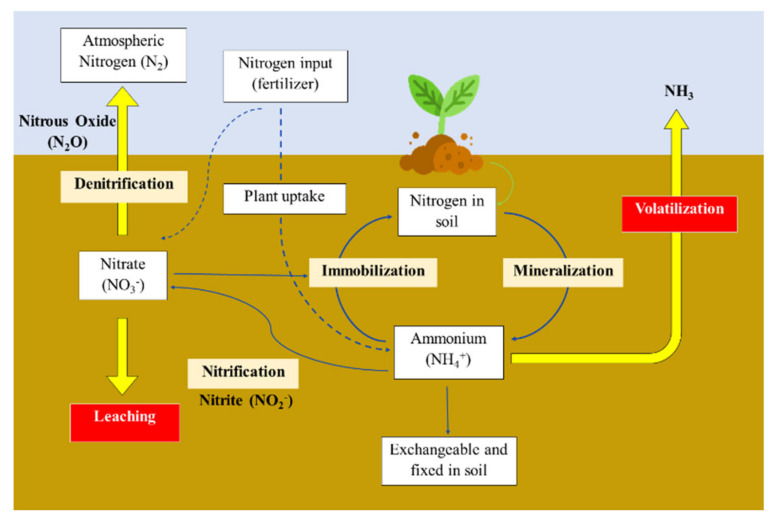
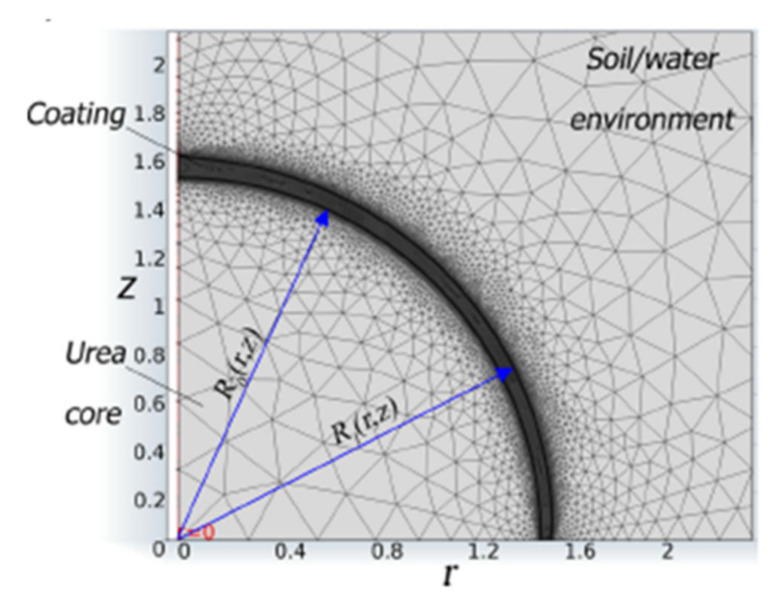
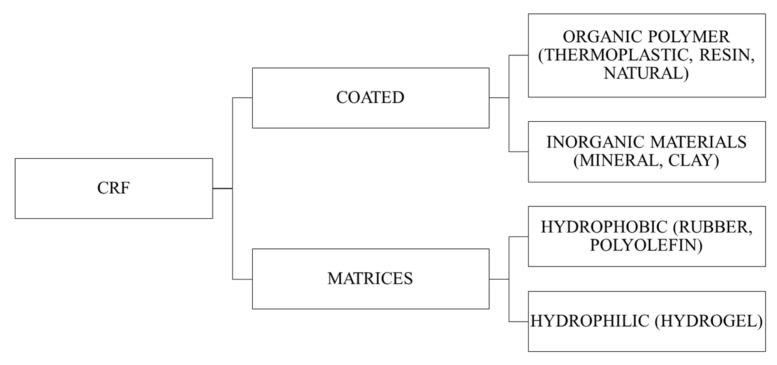
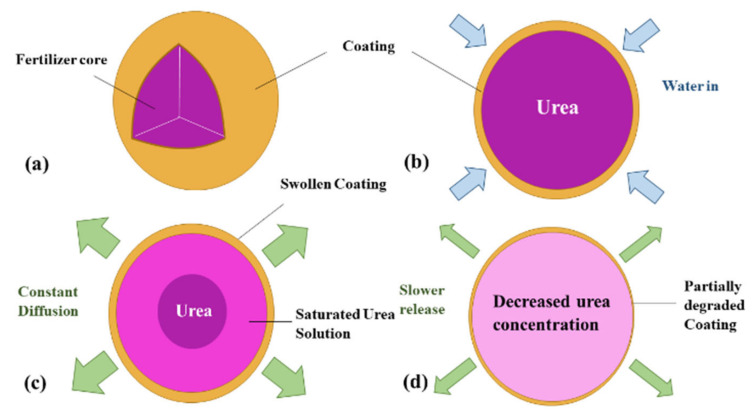
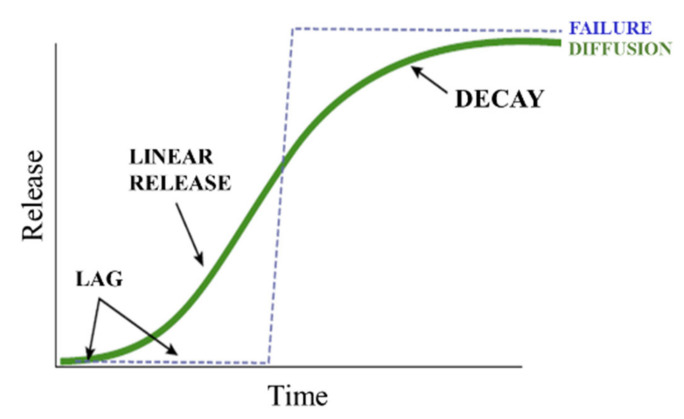
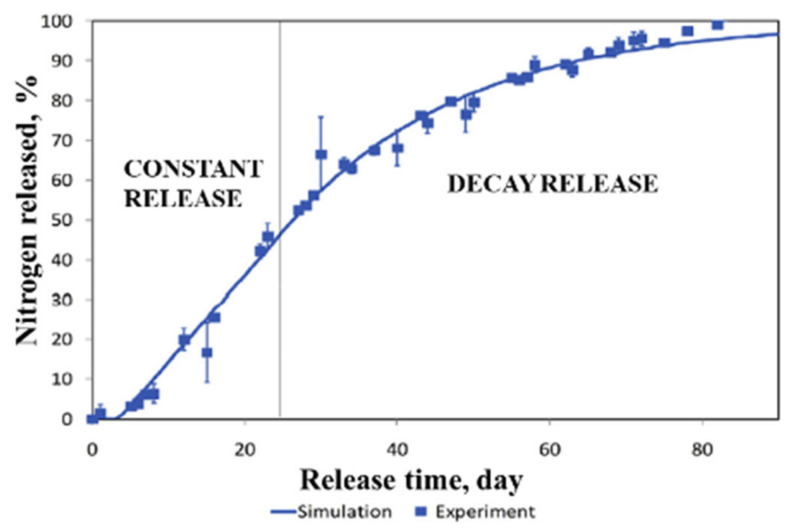
Rising world population is expected to increase the demand for nitrogen fertilizers to improve crop yield and ensure food security. With existing challenges on low nutrient use efficiency (NUE) of urea and its environmental concerns, controlled release fertilizers (CRFs) have become a potential solution by formulating them to synchronize nutrient release according to the requirement of plants. However, the most significant challenge that persists is the "tailing" effect, which reduces the economic benefits in terms of maximum fertilizer utilization. High materials cost is also a significant obstacle restraining the widespread application of CRF in agriculture. The first part of this review covers issues related to the application of conventional fertilizer and CRFs in general. In the subsequent sections, different raw materials utilized to form CRFs, focusing on inorganic and organic materials and synthetic and natural polymers alongside their physical and chemical preparation methods, are compared. Important factors affecting rate of release, mechanism of release and mathematical modelling approaches to predict nutrient release are also discussed. This review aims to provide a better overview of the developments regarding CRFs in the past ten years, and trends are identified and analyzed to provide an insight for future works in the field of agriculture.
预计世界人口的增长将增加对氮肥的需求,以提高作物产量并确保粮食安全。鉴于目前尿素养分利用效率(NUE)较低以及其环境问题,控释肥料(CRFs)通过根据植物需求来配制养分同步释放,已成为一种潜在的解决方案。然而,持续存在的最重大挑战是“拖尾”效应,这在最大程度提高肥料利用率方面降低了经济效益。高材料成本也是限制控释肥料在农业中广泛应用的一个重要障碍。本综述的第一部分涵盖了常规肥料和控释肥料应用的相关问题。在随后的章节中,比较了用于形成控释肥料的不同原材料,重点是无机和有机材料以及合成和天然聚合物,以及它们的物理和化学制备方法。还讨论了影响释放速率、释放机制以及预测养分释放的数学建模方法的重要因素。本综述旨在更好地概述过去十年中控释肥料的发展情况,并识别和分析趋势,以便为农业领域的未来工作提供见解。