Glanville David G, Mullineaux-Sanders Caroline, Corcoran Christopher J, Burger Brian T, Imam Saheed, Donohue Timothy J, Ulijasz Andrew T
Department of Microbiology and Immunology, Loyola University Chicago, Maywood, Illinois, USA.
MRC Centre for Molecular Bacteriology and Infection, Department of Medicine, Imperial College, London, United Kingdom.
mSystems. 2021 Feb 2;6(1):e00933-20. doi: 10.1128/mSystems.00933-20.
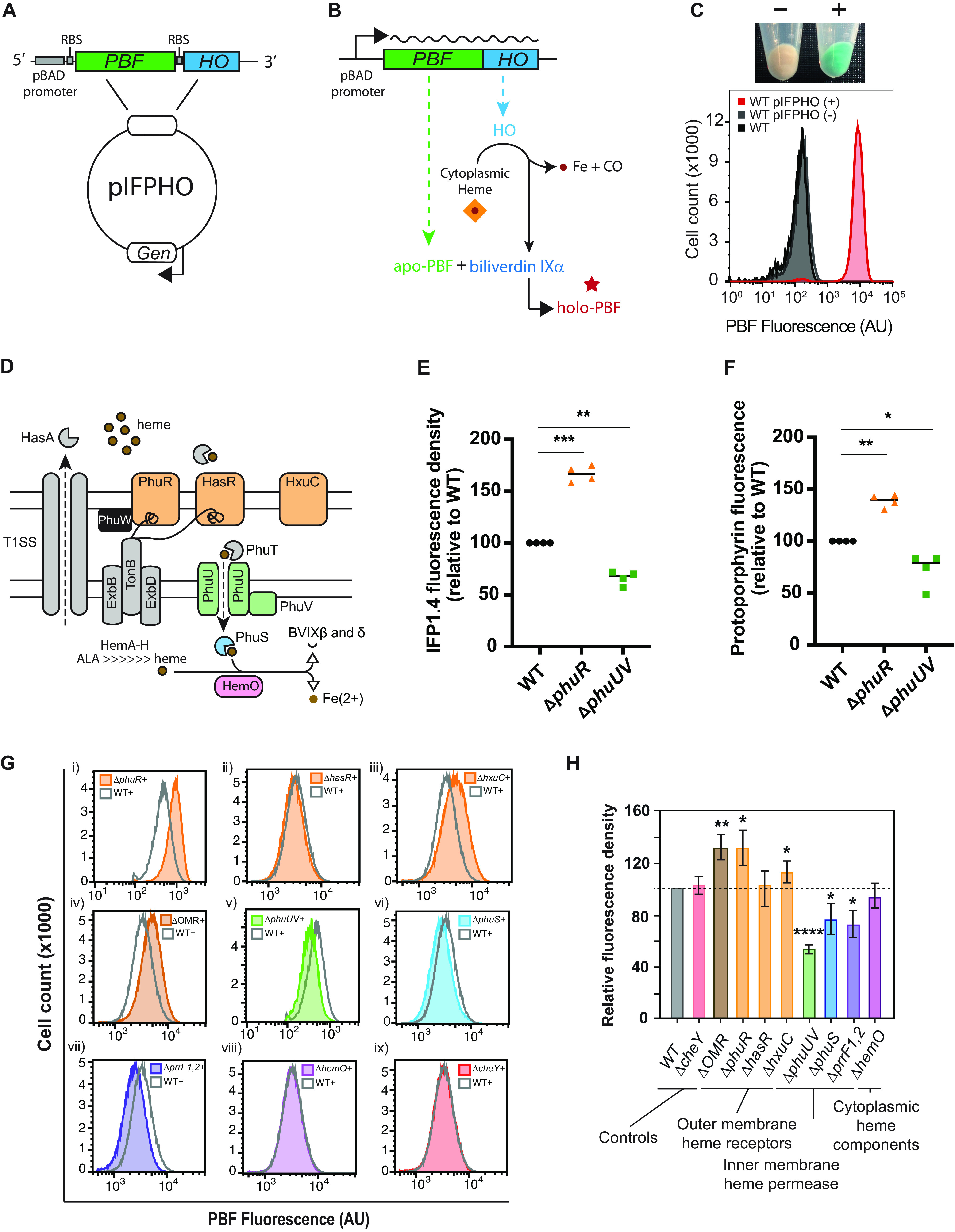
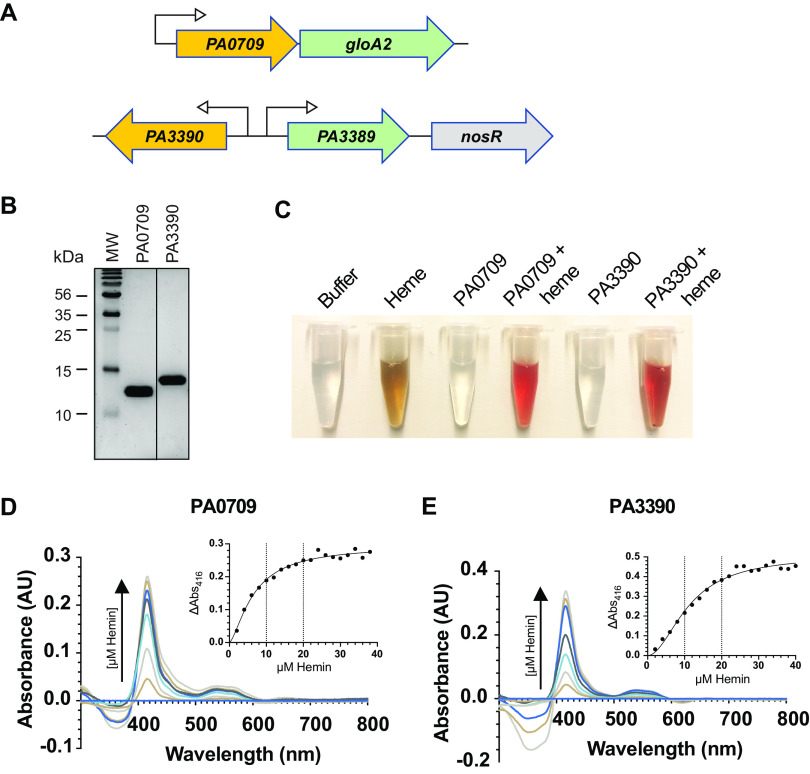
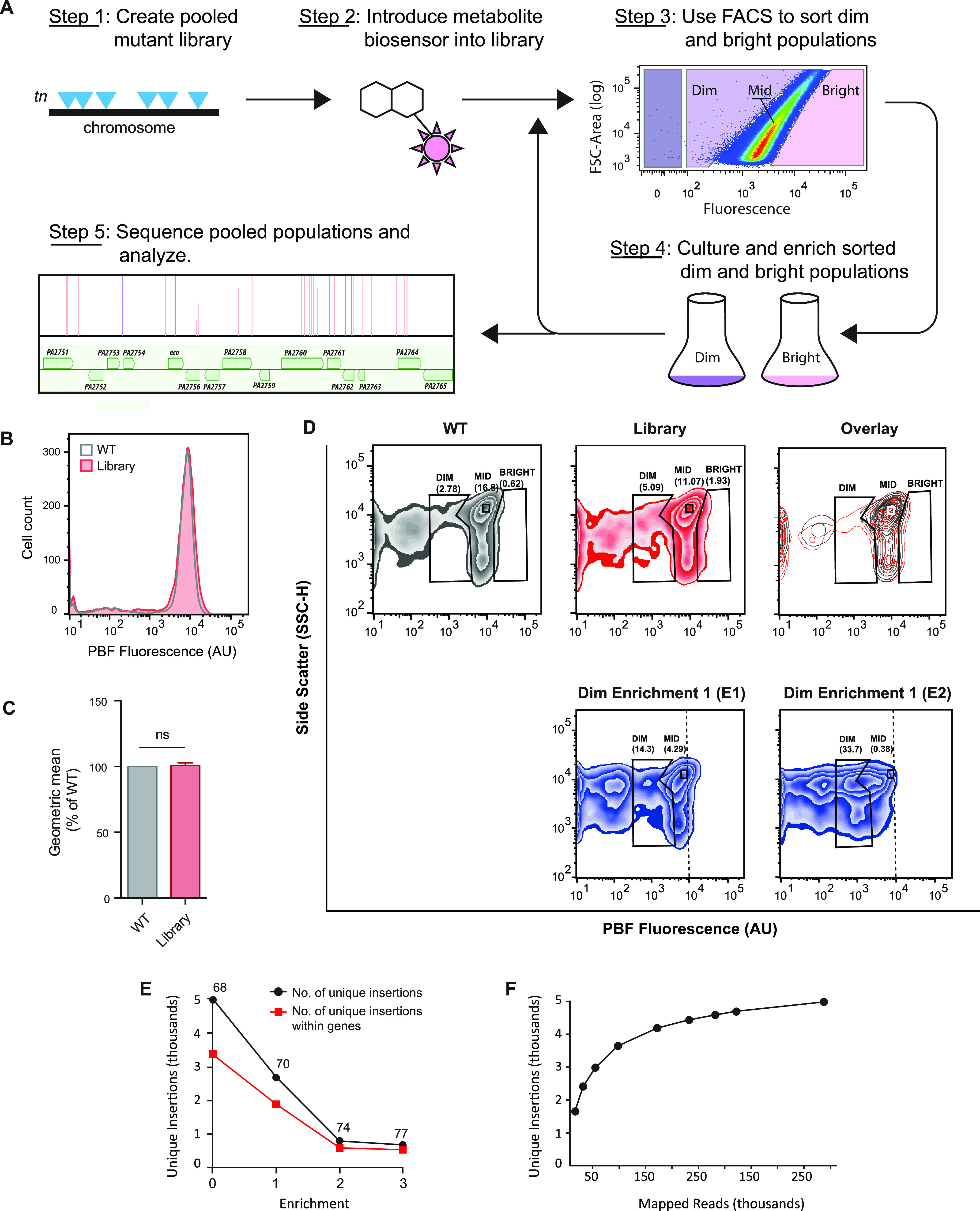
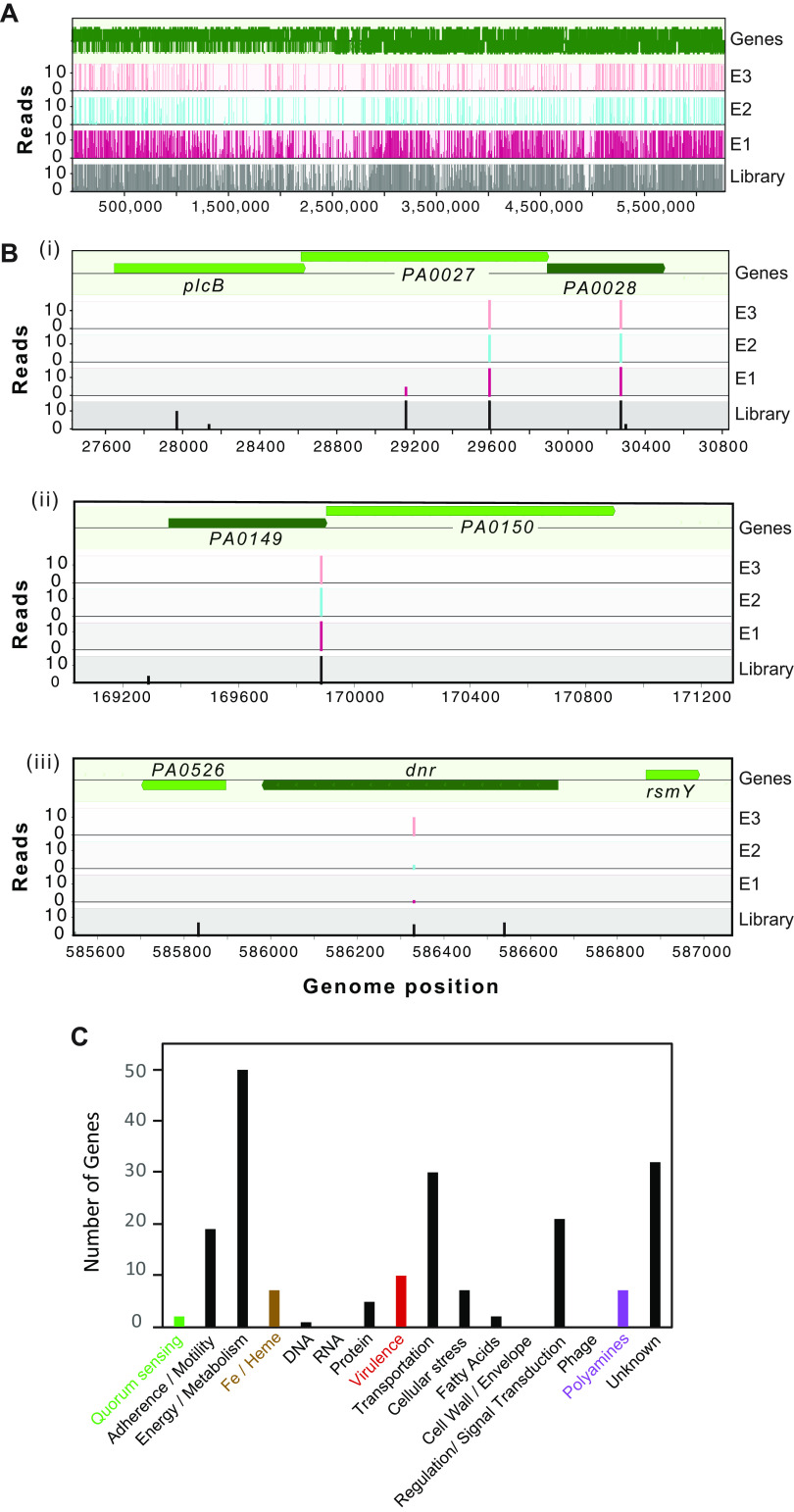
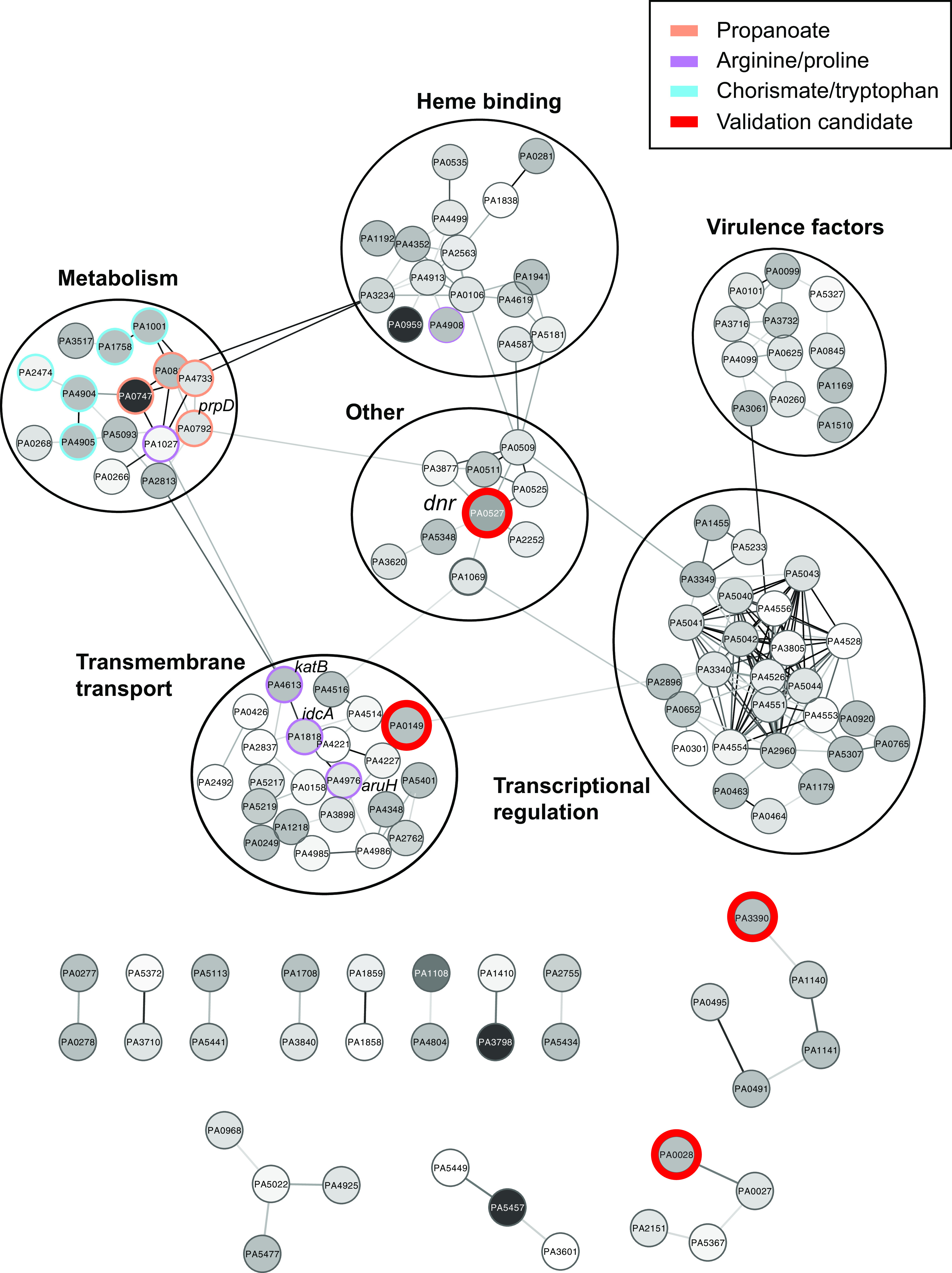
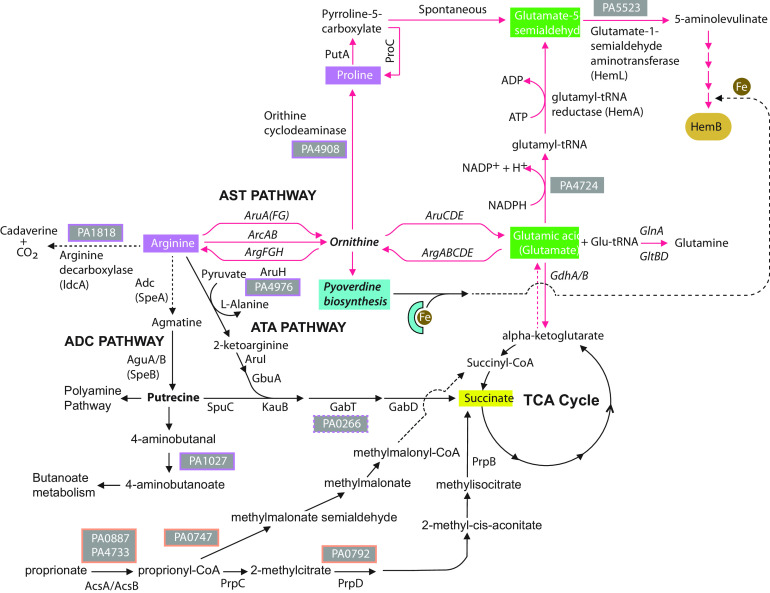
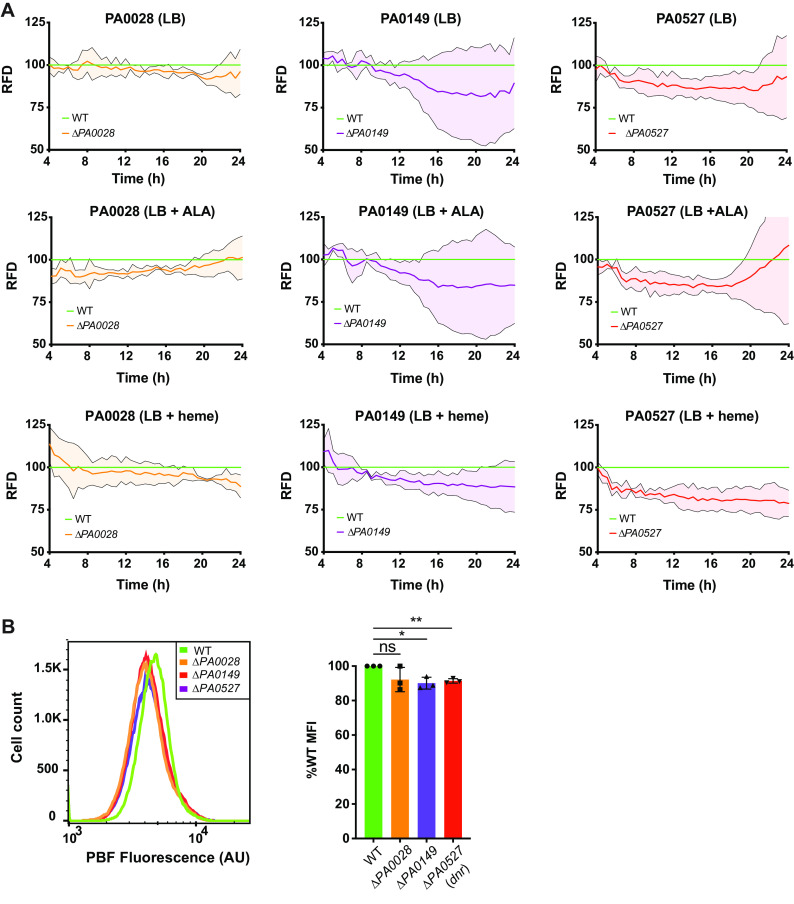
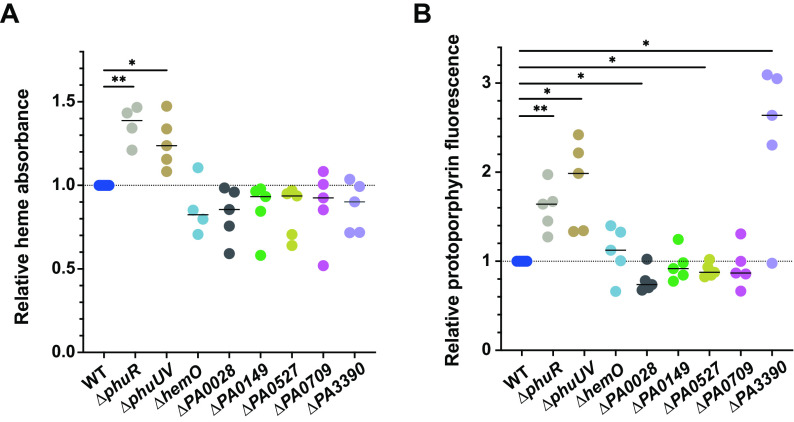
Heme is an essential metabolite for most life on earth. Bacterial pathogens almost universally require iron to infect a host, often acquiring this nutrient in the form of heme. The Gram-negative pathogen is no exception, where heme acquisition and metabolism are known to be crucial for both chronic and acute infections. To unveil unknown genes and pathways that could play a role with heme metabolic flux in this pathogen, we devised an omic-based approach we dubbed "Met-Seq," for abolite-coupled transposon uencing. Met-Seq couples a biosensor with fluorescence-activated cell sorting (FACS) and massively parallel sequencing, allowing for direct identification of genes associated with metabolic changes. In this work, we first construct and validate a heme biosensor for use with and exploit Met-Seq to identify 188 genes that potentially influence intracellular heme levels. Identified genes largely consisted of metabolic pathways not previously associated with heme, including many secreted virulence effectors, as well as 11 predicted small RNAs (sRNAs) and riboswitches whose functions are not currently understood. We verify that five Met-Seq hits affect intracellular heme levels; a predicted extracytoplasmic function (ECF) factor, a phospholipid acquisition system, heme biosynthesis regulator Dnr, and two predicted antibiotic monooxygenase (ABM) domains of unknown function (PA0709 and PA3390). Finally, we demonstrate that PA0709 and PA3390 are novel heme-binding proteins. Our data suggest that Met-Seq could be extrapolated to other biological systems and metabolites for which there is an available biosensor, and provides a new template for further exploration of iron/heme regulation and metabolism in and other pathogens. The ability to simultaneously and more directly correlate genes with metabolite levels on a global level would provide novel information for many biological platforms yet has thus far been challenging. Here, we describe a method to help address this problem, which we dub "Met-Seq" (abolite-coupled Tn uencing). Met-Seq uses the powerful combination of fluorescent biosensors, fluorescence-activated cell sorting (FACS), and next-generation sequencing (NGS) to rapidly identify genes that influence the levels of specific intracellular metabolites. For proof of concept, we create and test a heme biosensor and then exploit Met-Seq to identify novel genes involved in the regulation of heme in the pathogen Met-Seq-generated data were largely comprised of genes which have not previously been reported to influence heme levels in this pathogen, two of which we verify as novel heme-binding proteins. As heme is a required metabolite for host infection in and most other pathogens, our studies provide a new list of targets for potential antimicrobial therapies and shed additional light on the balance between infection, heme uptake, and heme biosynthesis.
血红素是地球上大多数生命所必需的代谢产物。细菌病原体几乎普遍需要铁来感染宿主,通常以血红素的形式获取这种营养物质。革兰氏阴性病原体也不例外,已知血红素的获取和代谢对于慢性和急性感染都至关重要。为了揭示可能在这种病原体中参与血红素代谢通量的未知基因和途径,我们设计了一种基于组学的方法,我们称之为“Met-Seq”,即代谢物偶联转座子测序。Met-Seq将生物传感器与荧光激活细胞分选(FACS)和大规模平行测序相结合,能够直接鉴定与代谢变化相关的基因。在这项工作中,我们首先构建并验证了一种用于[病原体名称未给出]的血红素生物传感器,并利用Met-Seq鉴定了188个可能影响细胞内血红素水平的基因。鉴定出的基因主要由以前与血红素无关的代谢途径组成,包括许多分泌的毒力效应子,以及11个功能目前尚不清楚的预测小RNA(sRNA)和核糖开关。我们验证了5个Met-Seq筛选结果会影响细胞内血红素水平;一个预测的胞外功能(ECF)因子、一个磷脂获取系统、血红素生物合成调节因子Dnr,以及两个功能未知的预测抗生素单加氧酶(ABM)结构域(PA0709和PA3390)。最后,我们证明PA0709和PA3390是新型血红素结合蛋白。我们的数据表明,Met-Seq可以推广到其他有可用生物传感器的生物系统和代谢物,并为进一步探索[病原体名称未给出]和其他病原体中铁/血红素的调节和代谢提供了一个新的模板。在全球范围内同时且更直接地将基因与代谢物水平相关联的能力将为许多生物平台提供新的信息,但迄今为止一直具有挑战性。在这里,我们描述了一种有助于解决这个问题的方法,我们称之为“Met-Seq”(代谢物偶联转座子测序)。Met-Seq利用荧光生物传感器、荧光激活细胞分选(FACS)和下一代测序(NGS)这一强大组合,快速鉴定影响特定细胞内代谢物水平的基因。为了进行概念验证,我们创建并测试了一种血红素生物传感器,然后利用Met-Seq鉴定参与[病原体名称未给出]中血红素调节的新基因。Met-Seq产生的数据主要由以前未报道过影响该病原体中血红素水平的基因组成,其中两个我们验证为新型血红素结合蛋白。由于血红素是[病原体名称未给出]和大多数其他病原体感染宿主所需的代谢产物,我们的研究为潜在的抗菌治疗提供了一个新的靶点清单,并进一步揭示了感染、血红素摄取和血红素生物合成之间的平衡。