Laboratory of Single-Molecule Cell Biology, Graduate School of Biostudies, Kyoto University, Kyoto 606-8501, Japan; Department of Pharmacology, Graduate School of Medicine, Kyoto University, Kyoto 606-8501, Japan; Department of Otolaryngology - Head and Neck Surgery, Graduate School of Medicine, Kyoto University, Kyoto 606-8507, Japan; Laboratory of Molecular Genetics, National Institute on Deafness and Other Communication Disorders, National Institutes of Health, Bethesda, MD 20892, USA.
Laboratory of Single-Molecule Cell Biology, Graduate School of Biostudies, Kyoto University, Kyoto 606-8501, Japan.
Cell Rep. 2021 Feb 2;34(5):108708. doi: 10.1016/j.celrep.2021.108708.
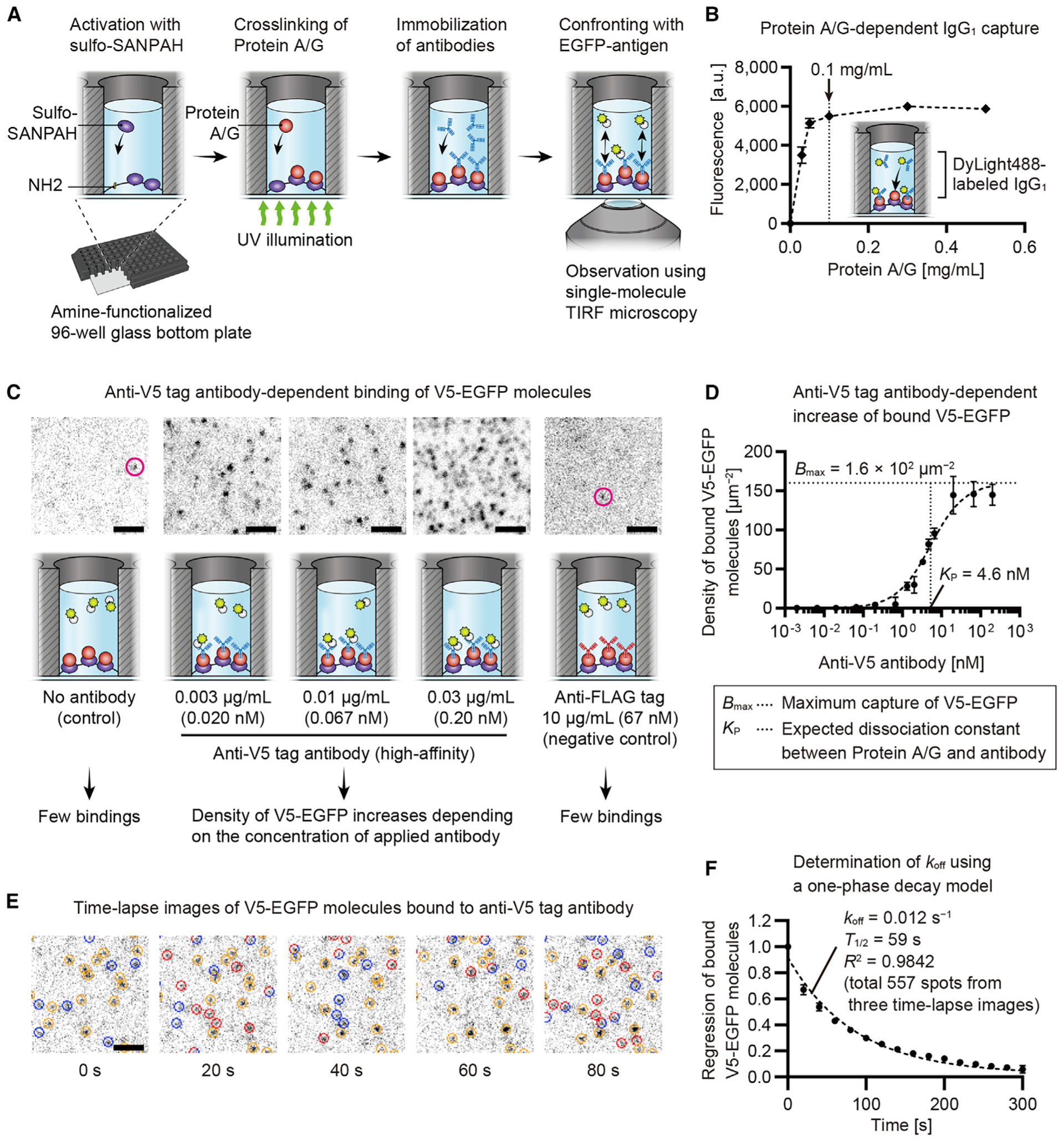
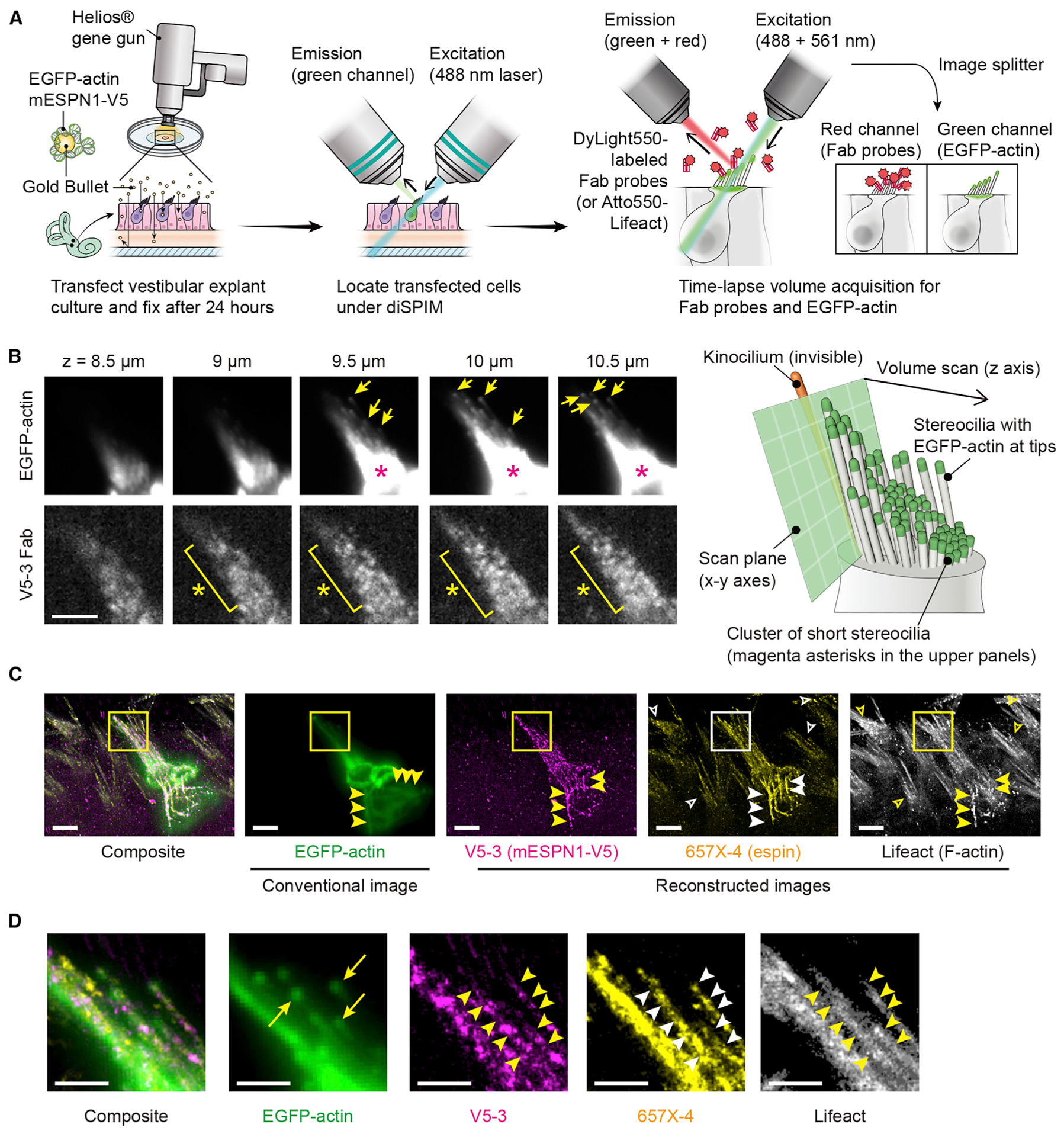
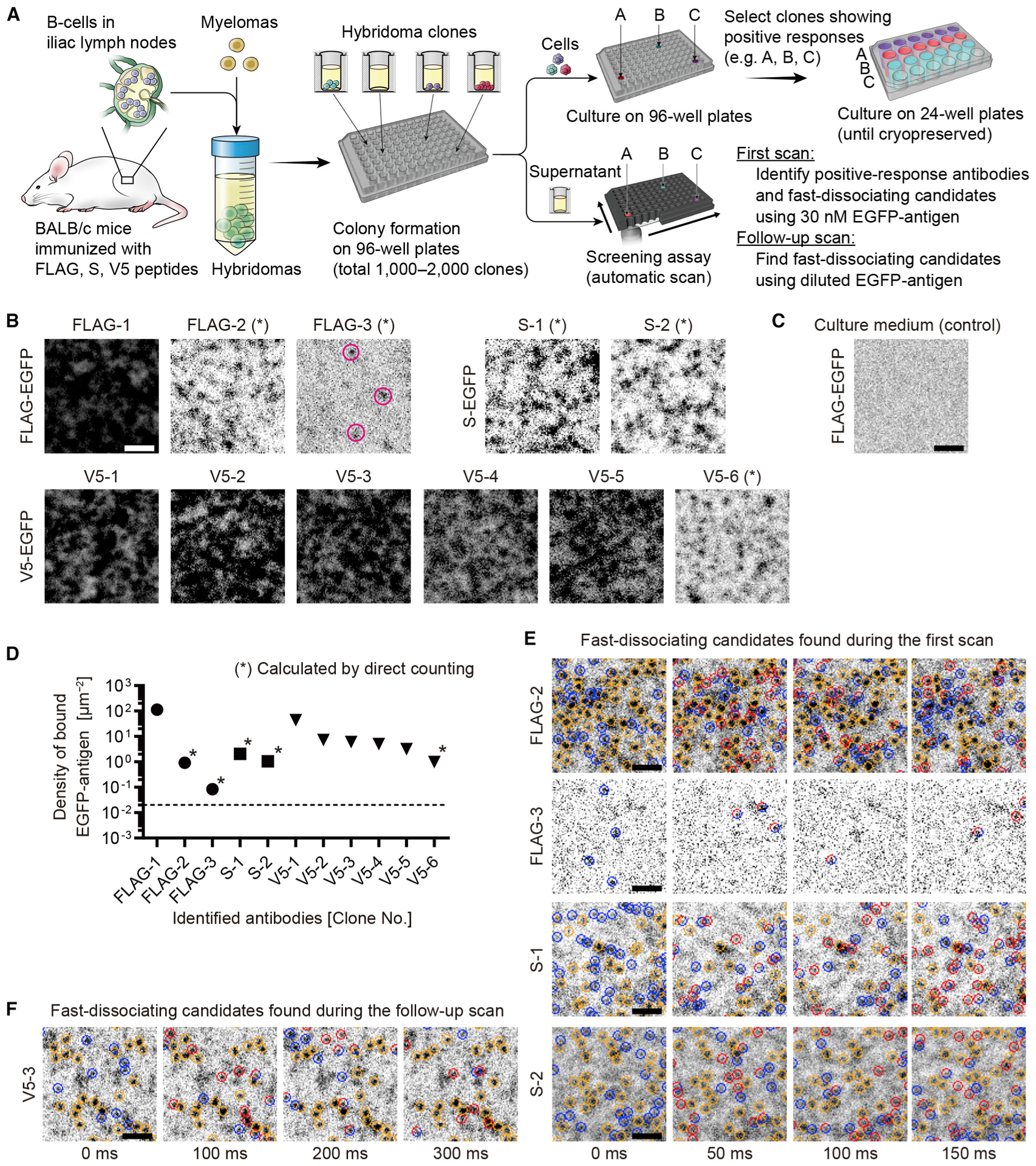
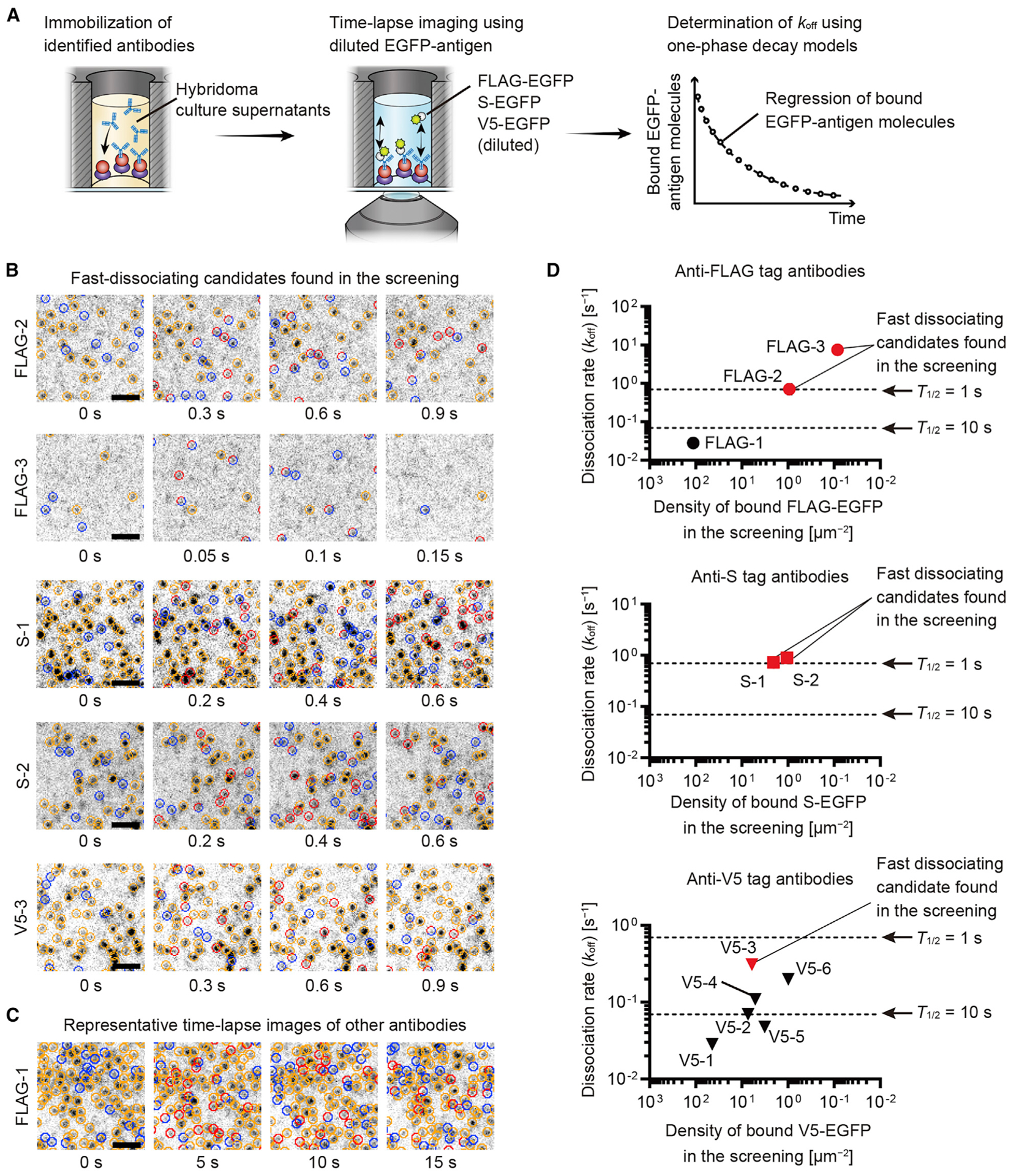
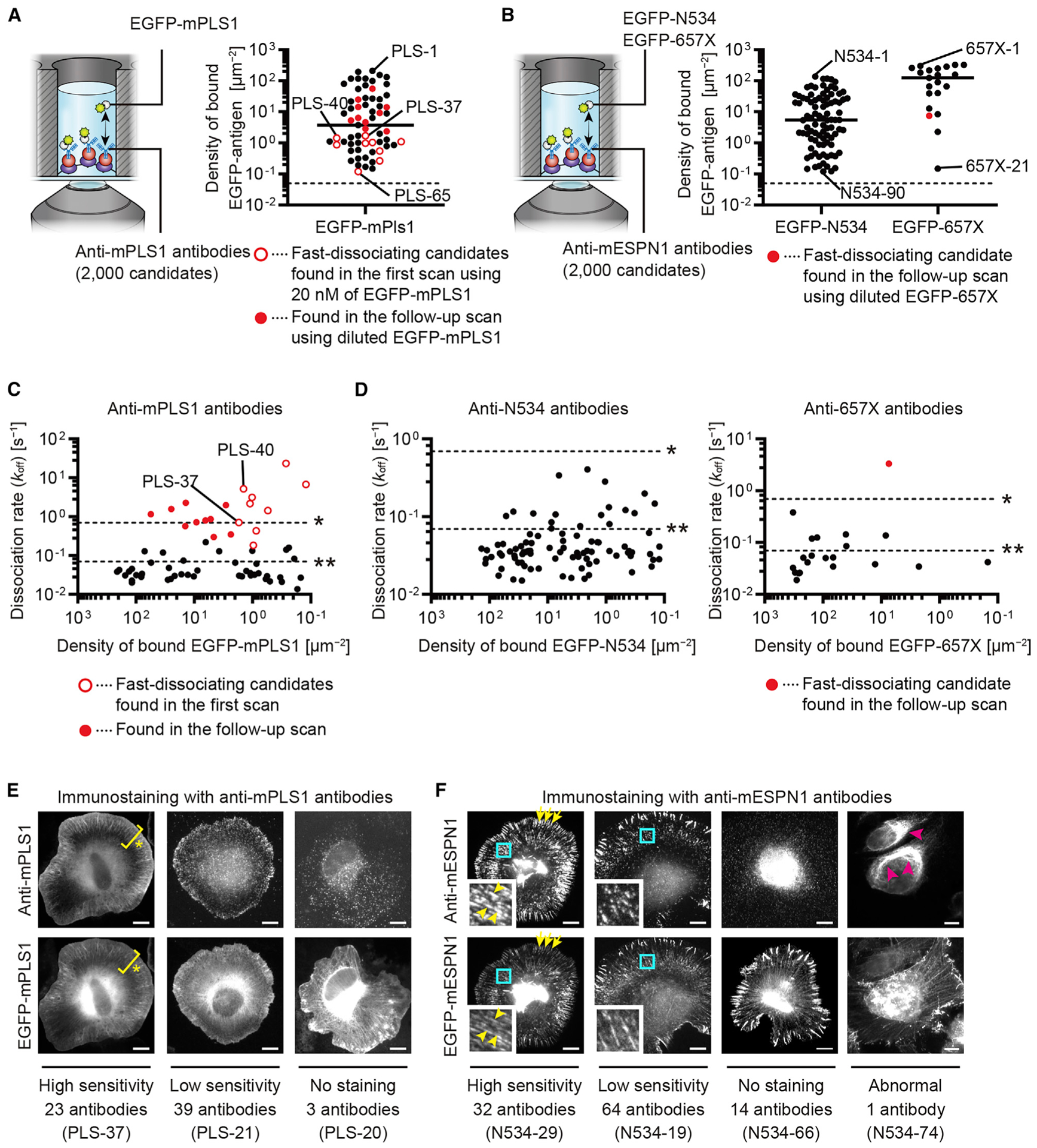
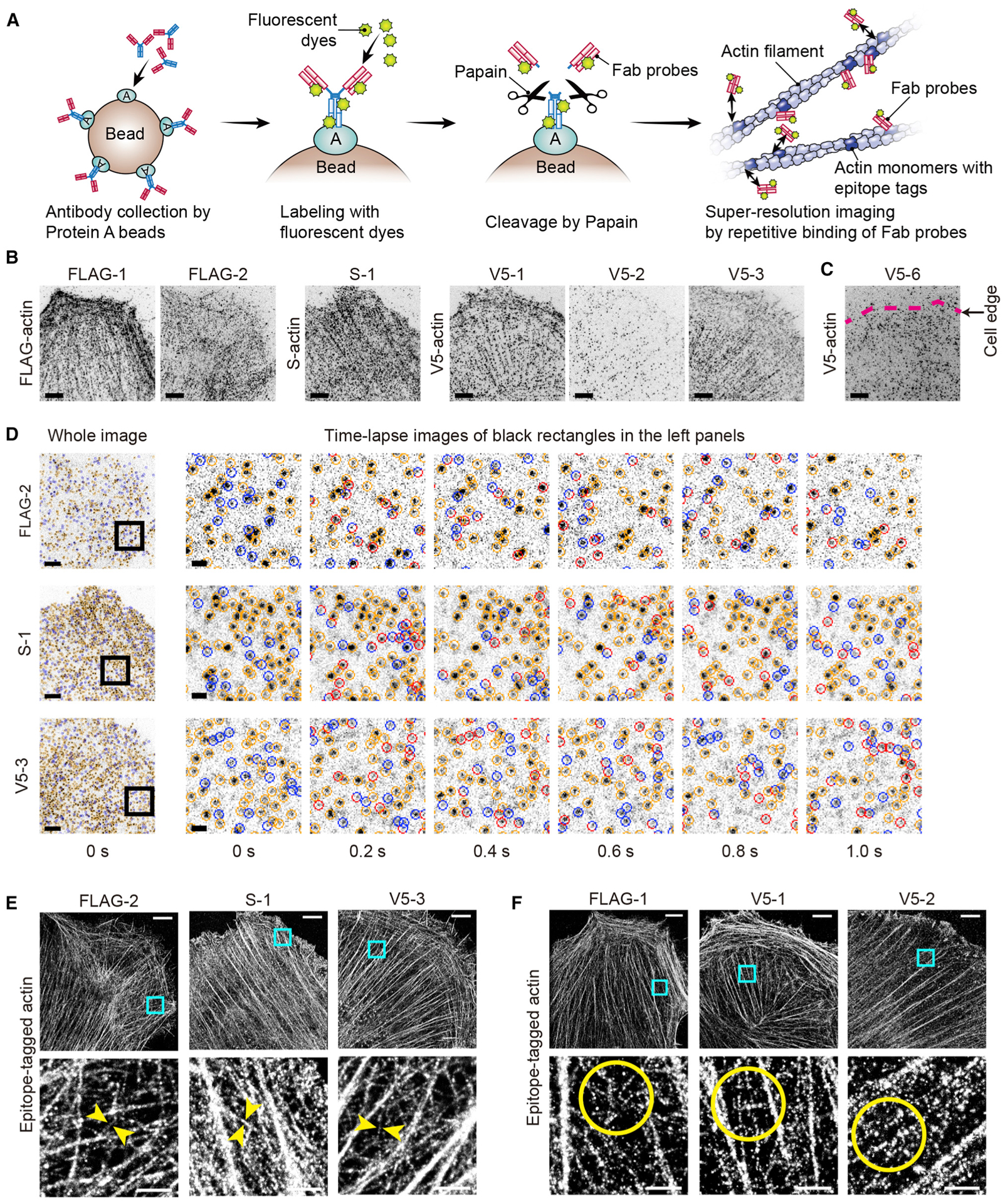
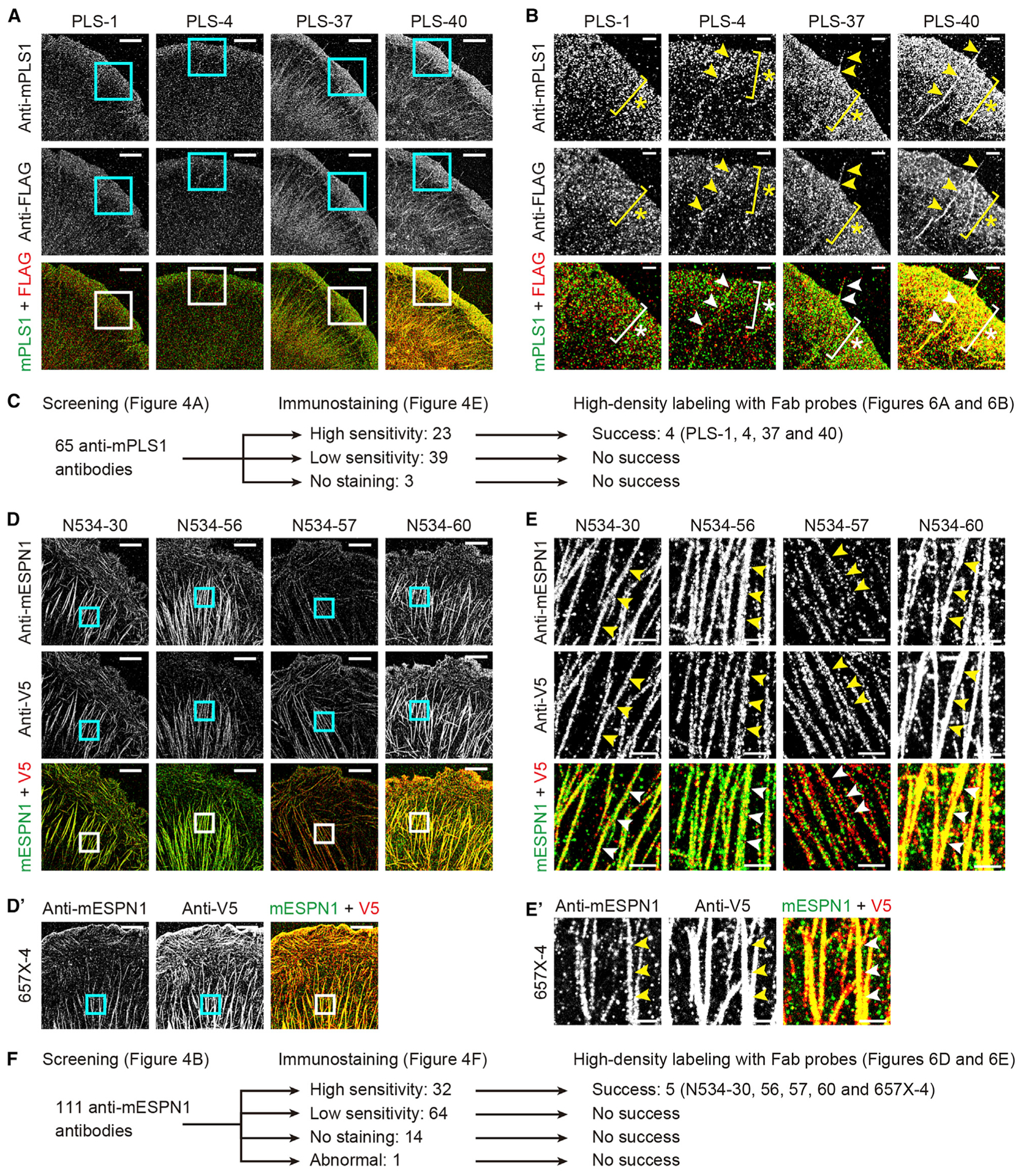
Fast-dissociating, specific antibodies are single-molecule imaging probes that transiently interact with their targets and are used in biological applications including image reconstruction by integrating exchangeable single-molecule localization (IRIS), a multiplexable super-resolution microscopy technique. Here, we introduce a semi-automated screen based on single-molecule total internal reflection fluorescence (TIRF) microscopy of antibody-antigen binding, which allows for identification of fast-dissociating monoclonal antibodies directly from thousands of hybridoma cultures. We develop monoclonal antibodies against three epitope tags (FLAG-tag, S-tag, and V5-tag) and two F-actin crosslinking proteins (plastin and espin). Specific antibodies show fast dissociation with half-lives ranging from 0.98 to 2.2 s. Unexpectedly, fast-dissociating yet specific antibodies are not so rare. A combination of fluorescently labeled Fab probes synthesized from these antibodies and light-sheet microscopy, such as dual-view inverted selective plane illumination microscopy (diSPIM), reveal rapid turnover of espin within long-lived F-actin cores of inner-ear sensory hair cell stereocilia, demonstrating that fast-dissociating specific antibodies can identify novel biological phenomena.
快速解离的特异性抗体是单分子成像探针,它们与目标短暂相互作用,并在生物应用中使用,包括通过可交换单分子定位(IRIS)进行图像重建,这是一种可多路复用的超分辨率显微镜技术。在这里,我们介绍了一种基于抗体-抗原结合的单分子全内反射荧光(TIRF)显微镜的半自动筛选方法,该方法可以直接从数千个杂交瘤培养物中鉴定出快速解离的单克隆抗体。我们开发了针对三个表位标签(FLAG 标签、S 标签和 V5 标签)和两个 F-肌动蛋白交联蛋白(plastin 和 espin)的单克隆抗体。特异性抗体显示快速解离,半衰期范围从 0.98 秒到 2.2 秒。出乎意料的是,快速解离的特异性抗体并不罕见。这些抗体合成的荧光标记 Fab 探针与光片显微镜(如双视倒置选择性平面照明显微镜(diSPIM))的组合,揭示了 espin 在内耳感觉毛细胞静纤毛内长寿命 F-肌动蛋白核心内的快速周转,表明快速解离的特异性抗体可以识别新的生物学现象。