Nagy Manar I, Darwish Khaled M, Kishk Safaa M, Tantawy Mohamed A, Nasr Ali M, Qushawy Mona, Swidan Shady A, Mostafa Samia M, Salama Ismail
Department of Medicinal Chemistry, Faculty of Pharmacy, Suez Canal University, Ismailia 41522, Egypt.
National Research Center, Hormones Department, Medical Research Division, Dokki, Giza 12622, Egypt.
Pharmaceuticals (Basel). 2021 Feb 1;14(2):113. doi: 10.3390/ph14020113.
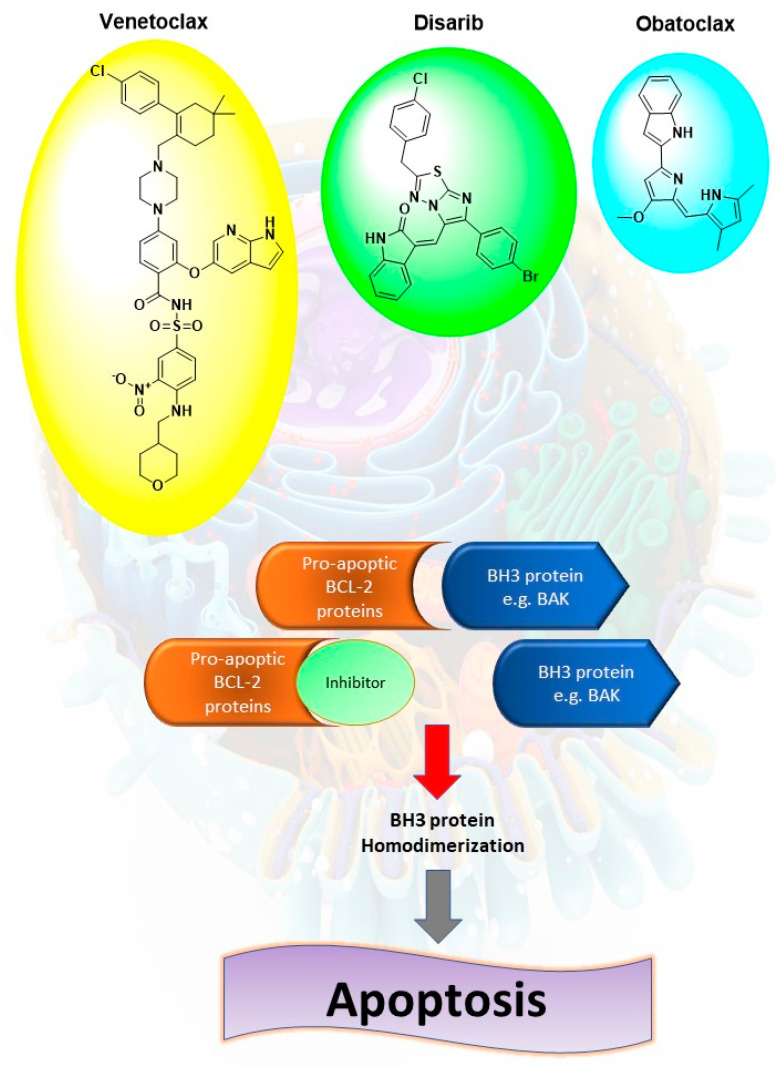
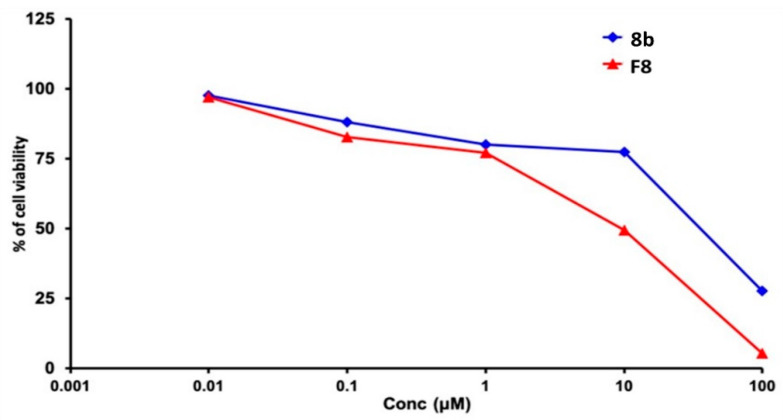
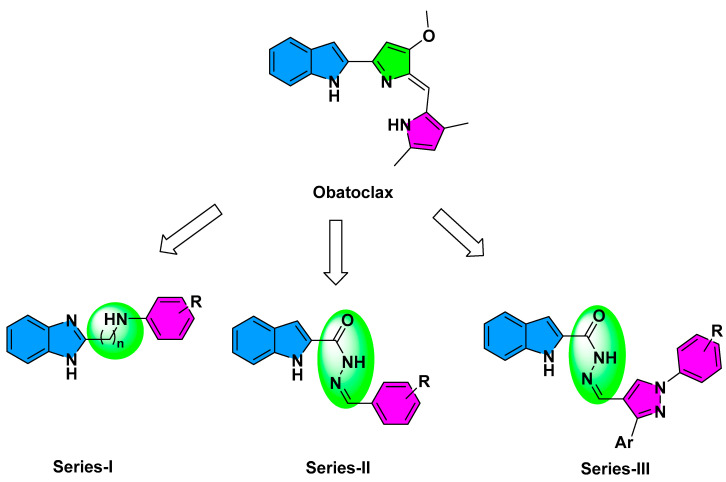
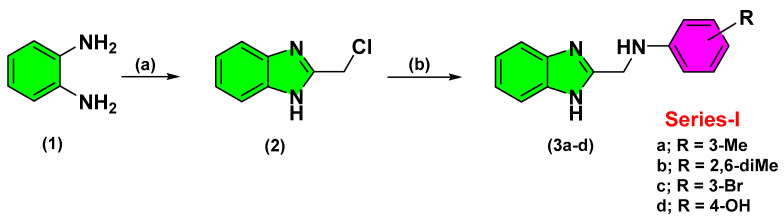
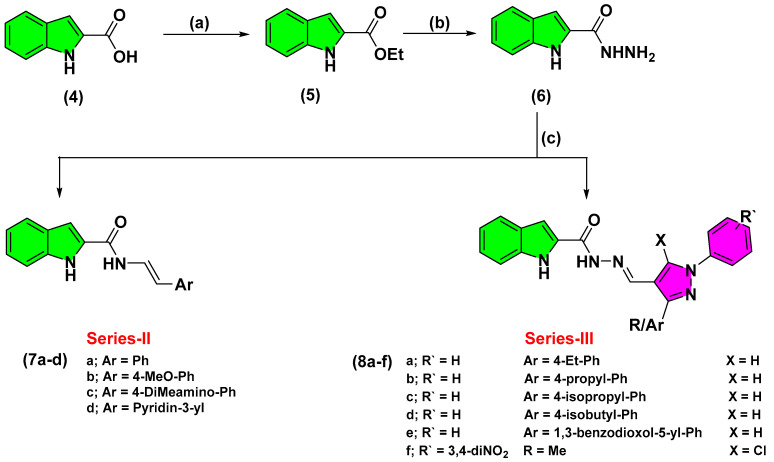
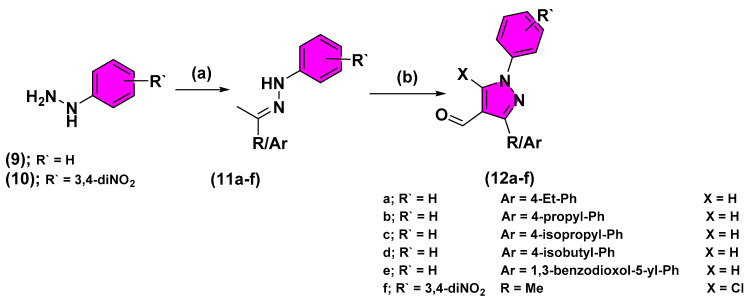
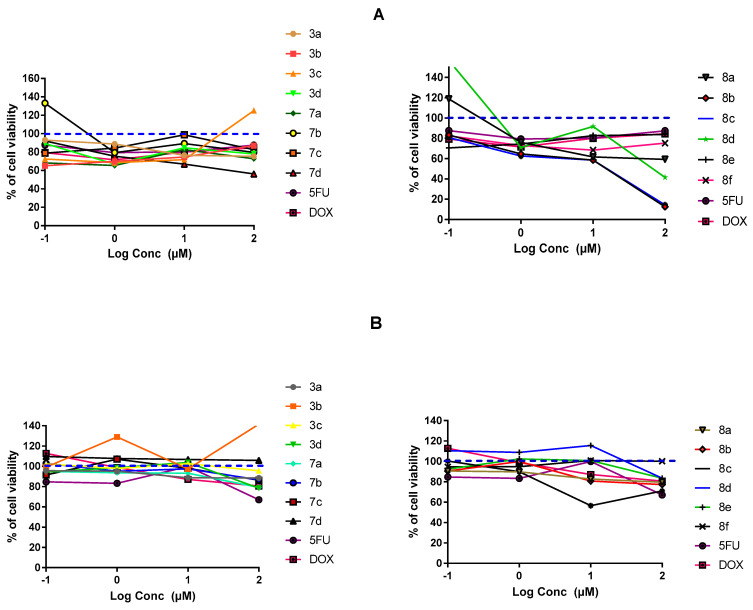
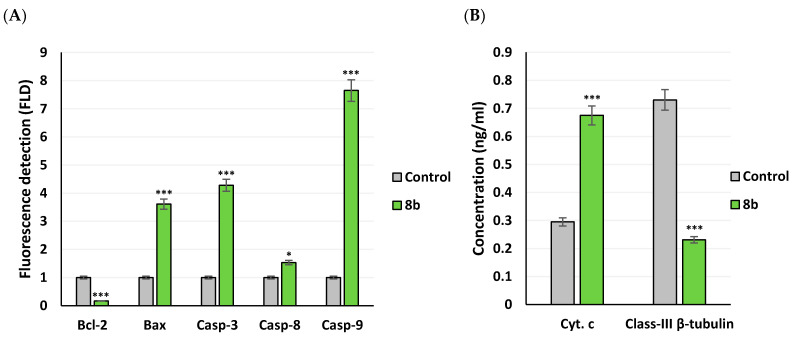
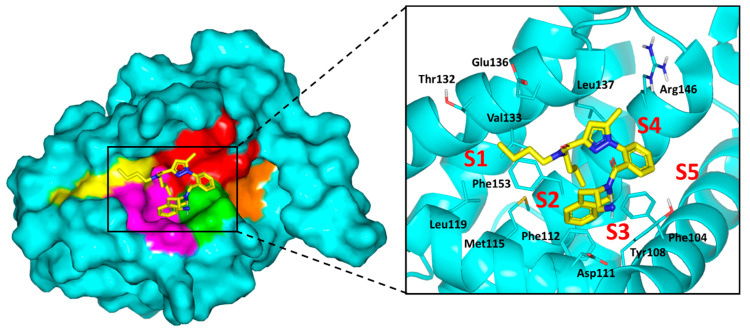
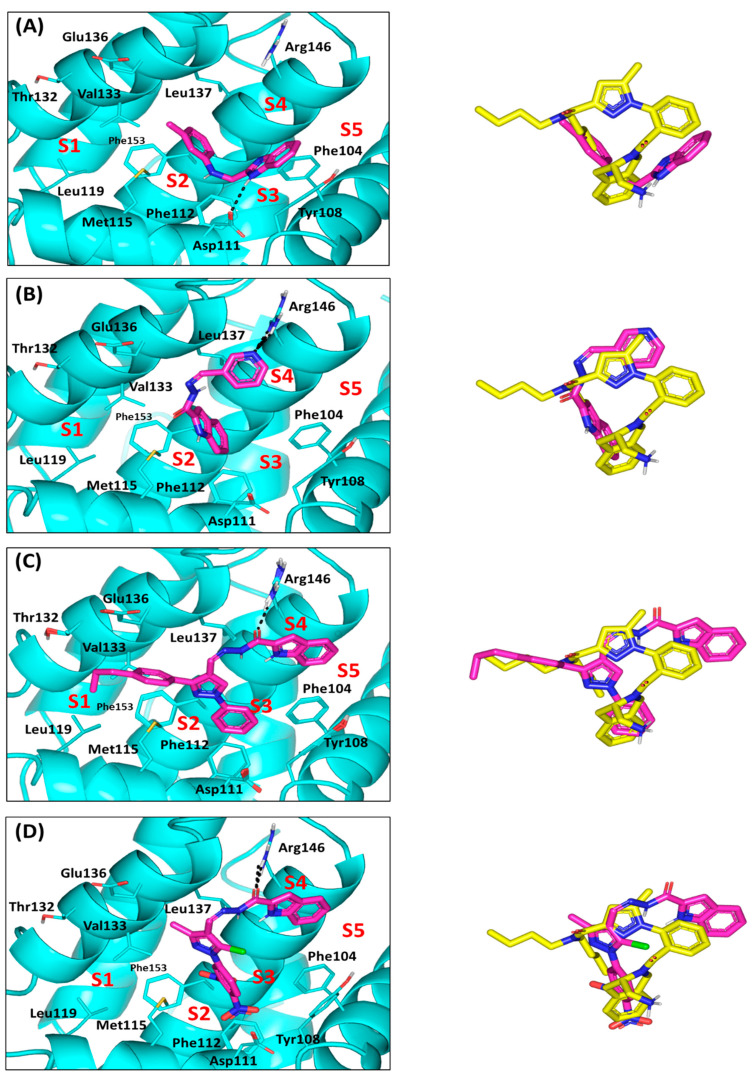
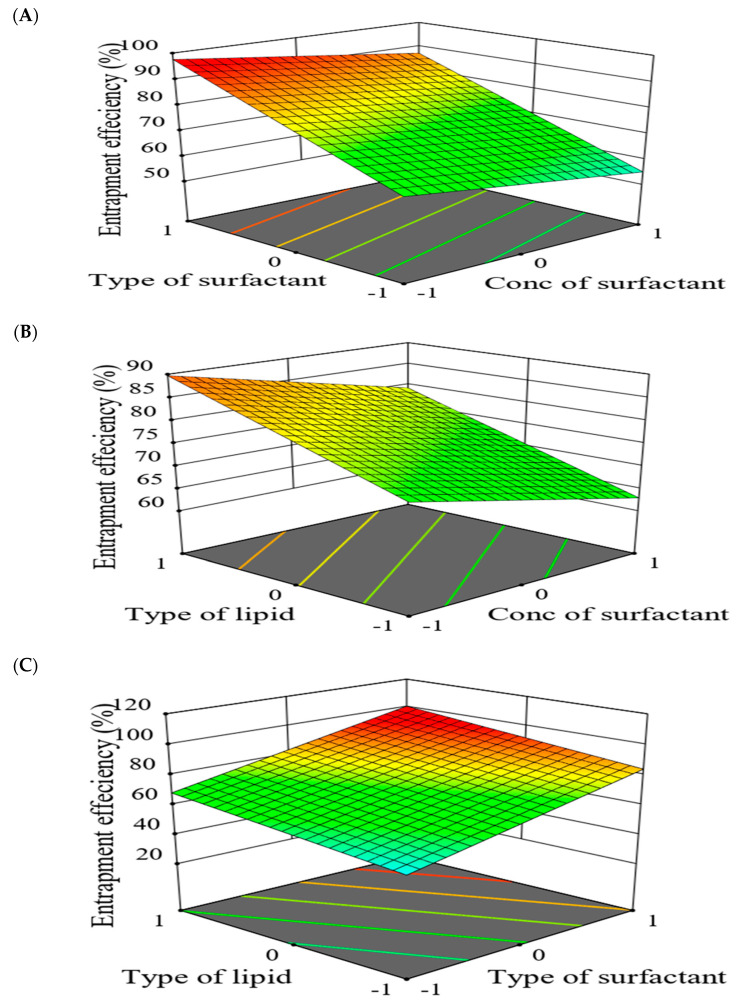
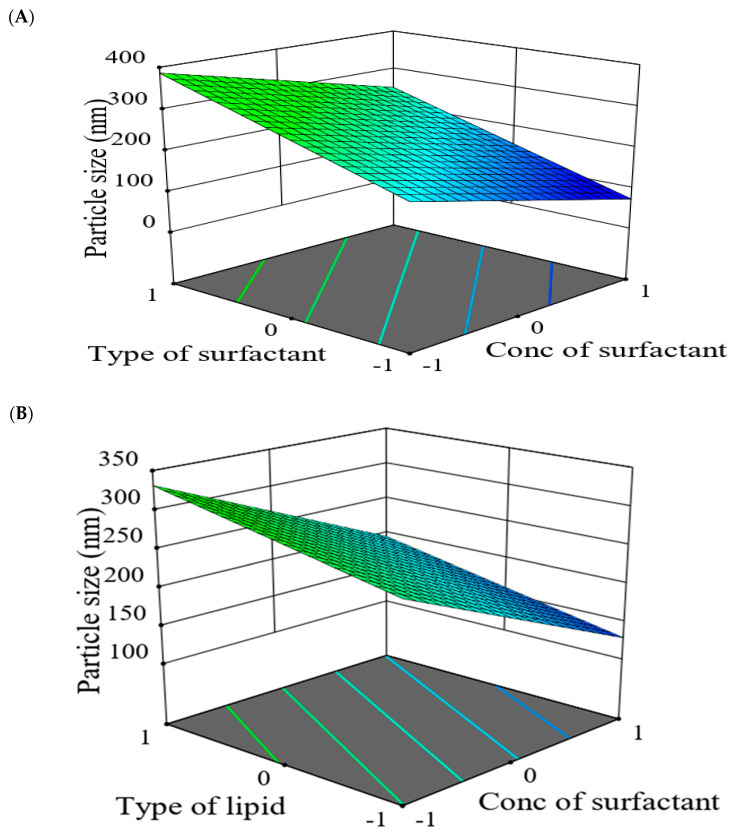
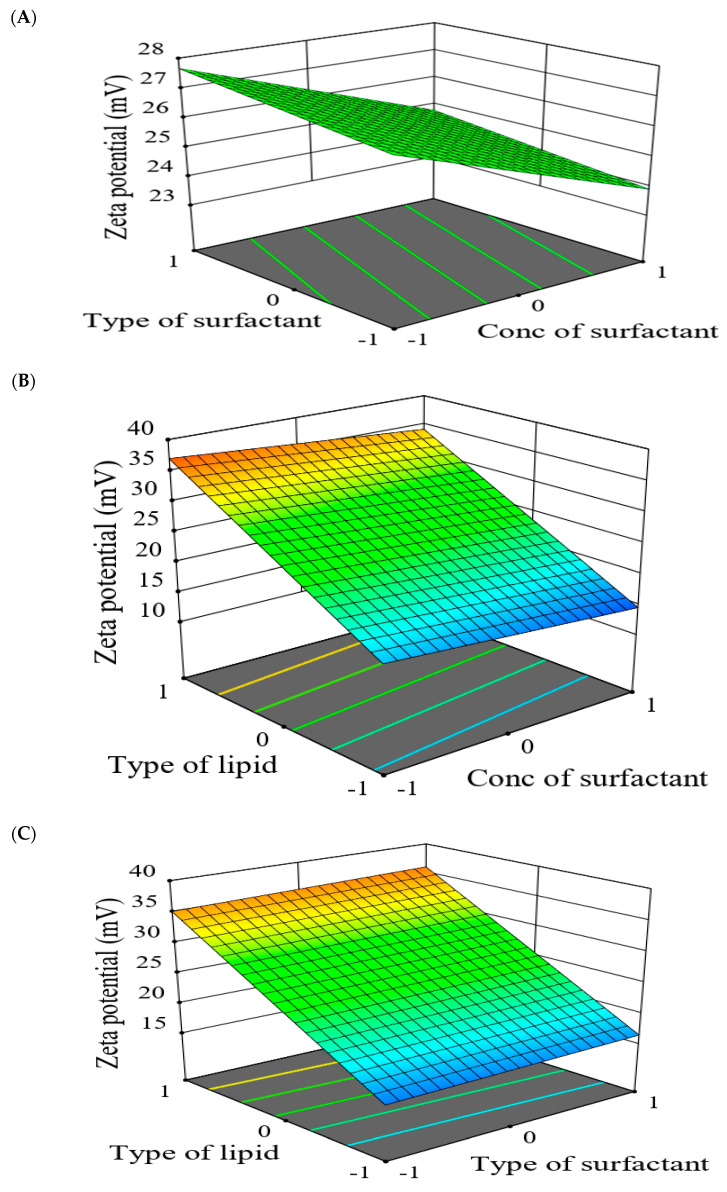
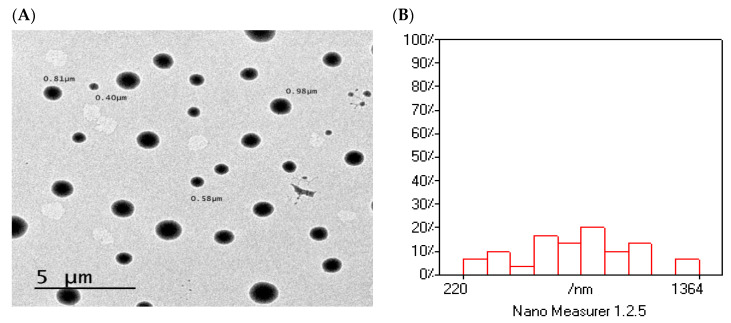
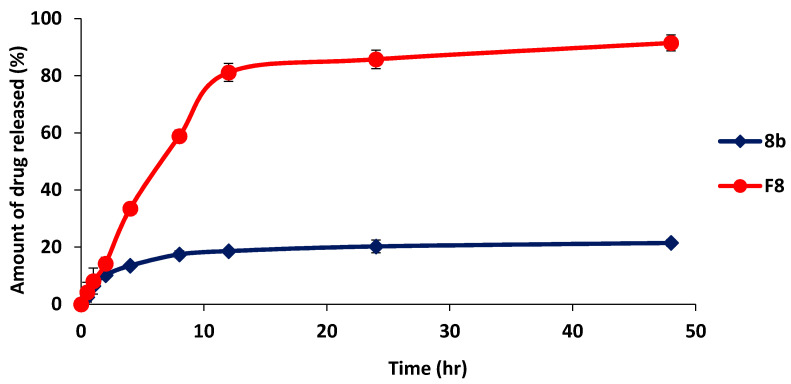
Cancer is a multifactorial disease necessitating identification of novel targets for its treatment. Inhibition of Bcl-2 for triggered pro-apoptotic signaling is considered a promising strategy for cancer treatment. Within the current work, we aimed to design and synthesize a new series of benzimidazole- and indole-based derivatives as inhibitors of Bcl-2 protein. The market pan-Bcl-2 inhibitor, obatoclax, was the lead framework compound for adopted structural modifications. The obatoclax's pyrrolylmethine linker was replaced with straight alkylamine or carboxyhydrazine methylene linkers providing the new compounds. This strategy permitted improved structural flexibility of synthesized compounds adopting favored maneuvers for better fitting at the Bcl-2 major hydrophobic pocket. Anti-cancer activity of the synthesized compounds was further investigated through MTT-cytotoxic assay, cell cycle analysis, RT-PCR, ELISA and DNA fragmentation. Cytotoxic results showed compounds , and with promising cytotoxicity against MDA-MB-231/breast cancer cells (IC = 12.69 ± 0.84 to 12.83 ± 3.50 µM), while and depicted noticeable activities against A549/lung adenocarcinoma cells (IC = 23.05 ± 1.45 and 11.63 ± 2.57 µM, respectively). The signaling Bcl-2 inhibition pathway was confirmed by molecular docking where significant docking energies and interactions with key Bcl-2 pocket residues were depicted. Moreover, the top active compound, , showed significant upregulated expression levels of pro-apoptotic/anti-apoptotic of genes; , , , , and through RT-PCR assay. Improving the compound's pharmaceutical profile was undertaken by introducing within drug-solid/lipid nanoparticle formulation prepared by hot melting homogenization technique and evaluated for encapsulation efficiency, particle size, and zeta potential. Significant improvement was seen at the compound's cytotoxic activity. In conclusion, is introduced as a promising anti-cancer lead candidate that worth future fine-tuned lead optimization and development studies while exploring its potentiality through in-vivo preclinical investigation.
癌症是一种多因素疾病,需要确定新的治疗靶点。抑制Bcl-2以触发促凋亡信号被认为是一种有前景的癌症治疗策略。在当前工作中,我们旨在设计并合成一系列基于苯并咪唑和吲哚的新型衍生物,作为Bcl-2蛋白的抑制剂。市售的泛Bcl-2抑制剂奥巴托克斯是用于结构修饰的先导骨架化合物。用直链烷基胺或羧基肼亚甲基连接体取代奥巴托克斯的吡咯基亚甲基连接体,从而得到新的化合物。该策略提高了合成化合物的结构灵活性,使其能够采用有利的构象更好地契合Bcl-2的主要疏水口袋。通过MTT细胞毒性试验、细胞周期分析、逆转录-聚合酶链反应(RT-PCR)、酶联免疫吸附测定(ELISA)和DNA片段化进一步研究了合成化合物的抗癌活性。细胞毒性结果显示,化合物 、 和 对MDA-MB-231乳腺癌细胞具有良好的细胞毒性(IC = 12.69 ± 0.84至12.83 ± 3.50 μM),而 和 对A549肺腺癌细胞表现出显著活性(IC分别为23.05 ± 1.45和11.63 ± 2.57 μM)。分子对接证实了Bcl-2抑制信号通路,其中显示出显著的对接能量以及与Bcl-2口袋关键残基的相互作用。此外,活性最高的化合物 通过RT-PCR试验显示促凋亡/抗凋亡基因 、 、 、 和 的表达水平显著上调。通过采用热熔均质技术制备药物-固体/脂质纳米颗粒制剂并评估其包封效率、粒径和zeta电位,改善了化合物的药学性质。化合物的细胞毒性活性有显著提高。总之, 被作为一种有前景的抗癌先导候选物引入,值得未来进行进一步的先导优化和开发研究,并通过体内临床前研究探索其潜力。