• 文献检索
  • 文档翻译
  • 深度研究
  • 学术资讯
  • Suppr Zotero 插件Zotero 插件
  • 邀请有礼
  • 套餐&价格
  • 历史记录
应用&插件
Suppr Zotero 插件Zotero 插件浏览器插件Mac 客户端Windows 客户端微信小程序
定价
高级版会员购买积分包购买API积分包
服务
文献检索文档翻译深度研究API 文档MCP 服务
关于我们
关于 Suppr公司介绍联系我们用户协议隐私条款
关注我们

Suppr 超能文献

核心技术专利:CN118964589B侵权必究
粤ICP备2023148730 号-1Suppr @ 2026

文献检索

告别复杂PubMed语法,用中文像聊天一样搜索,搜遍4000万医学文献。AI智能推荐,让科研检索更轻松。

立即免费搜索

文件翻译

保留排版,准确专业,支持PDF/Word/PPT等文件格式,支持 12+语言互译。

免费翻译文档

深度研究

AI帮你快速写综述,25分钟生成高质量综述,智能提取关键信息,辅助科研写作。

立即免费体验

结合可穿戴设备和移动调查研究马拉维儿童和青少年发展:多模式方法的实施研究。

Combining Wearable Devices and Mobile Surveys to Study Child and Youth Development in Malawi: Implementation Study of a Multimodal Approach.

机构信息

Department of Economics, University of Zurich, Zurich, Switzerland.

College of Medicine, University of Malawi, Lilongwe, Malawi.

出版信息

JMIR Public Health Surveill. 2021 Mar 5;7(3):e23154. doi: 10.2196/23154.

DOI:10.2196/23154
PMID:33536159
原文链接:https://pmc.ncbi.nlm.nih.gov/articles/PMC7980111/
Abstract

BACKGROUND

Multimodal approaches have been shown to be a promising way to collect data on child development at high frequency, combining different data inputs (from phone surveys to signals from noninvasive biomarkers) to understand children's health and development outcomes more integrally from multiple perspectives.

OBJECTIVE

The aim of this work was to describe an implementation study using a multimodal approach combining noninvasive biomarkers, social contact patterns, mobile surveying, and face-to-face interviews in order to validate technologies that help us better understand child development in poor countries at a high frequency.

METHODS

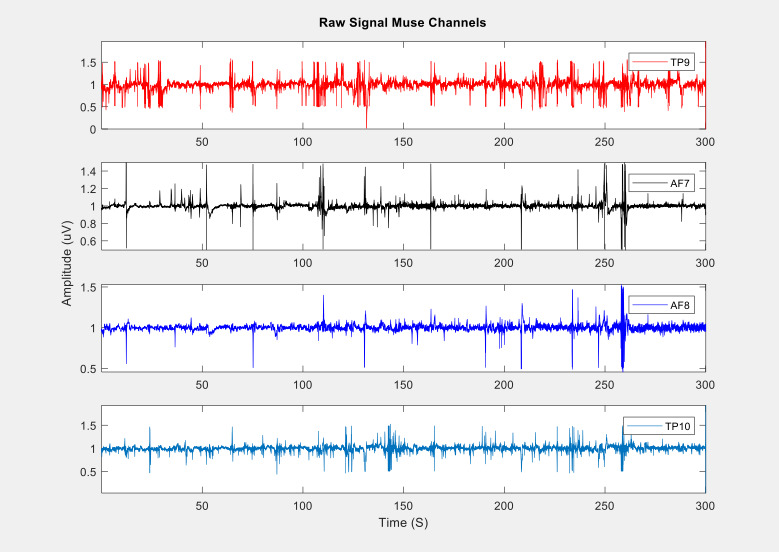
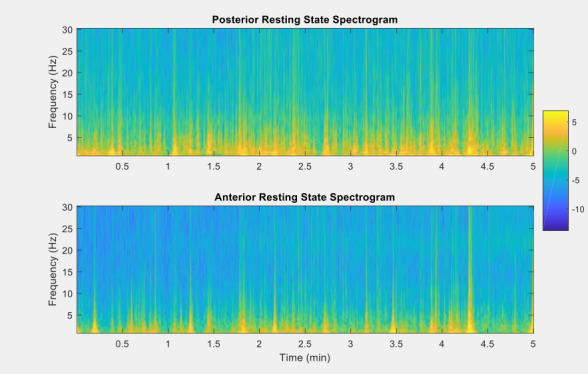
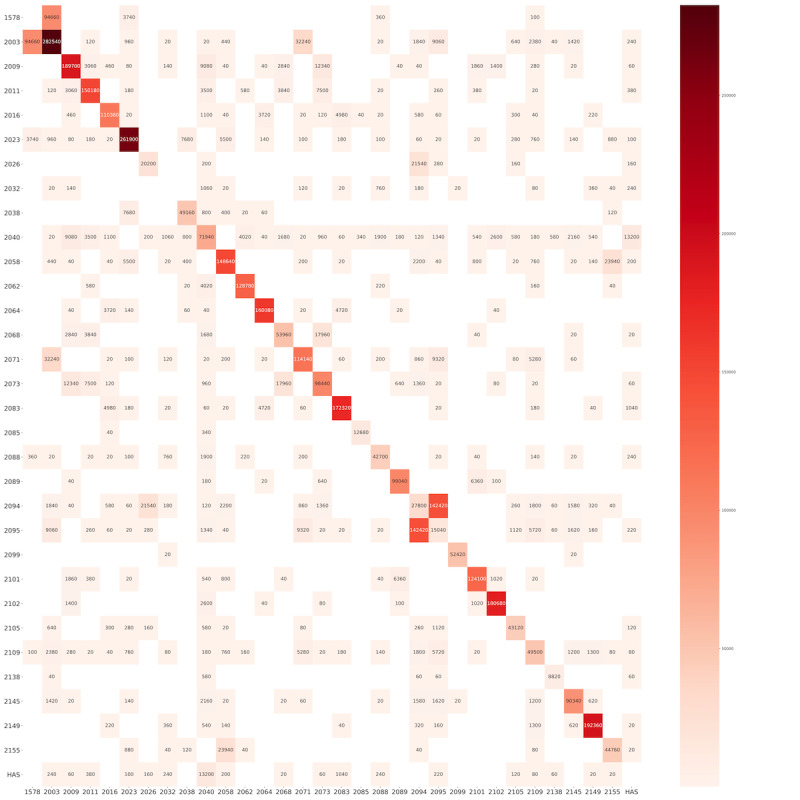
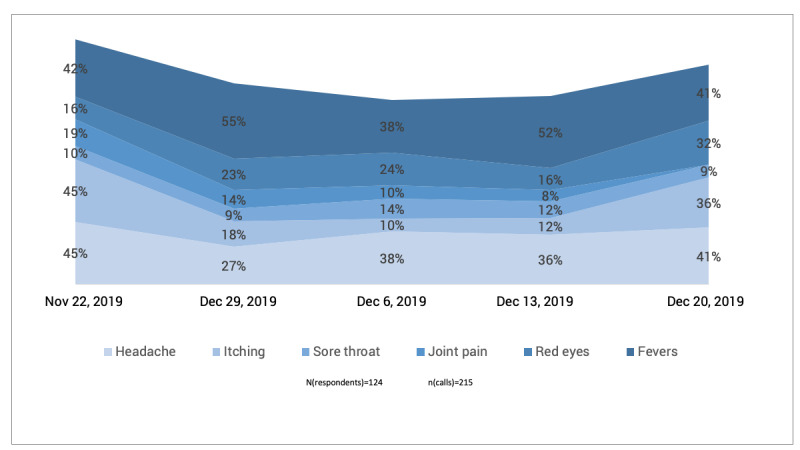
We carried out a mixed study based on a transversal descriptive analysis and a longitudinal prospective analysis in Malawi. In each village, children were sampled to participate in weekly sessions in which data signals were collected through wearable devices (electrocardiography [ECG] hand pads and electroencephalography [EEG] headbands). Additionally, wearable proximity sensors to elicit the social network were deployed among children and their caregivers. Mobile surveys using interactive voice response calls were also used as an additional layer of data collection. An end-line face-to-face survey was conducted at the end of the study.

RESULTS

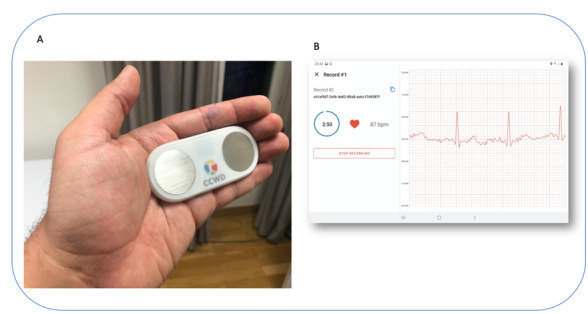
During the implementation, 82 EEG/ECG data entry points were collected across four villages. The sampled children for EEG/ECG were 0 to 5 years old. EEG/ECG data were collected once a week. In every session, children wore the EEG headband for 5 minutes and the ECG hand pad for 3 minutes. In total, 3531 calls were sent over 5 weeks, with 2291 participants picking up the calls and 984 of those answering the consent question. In total, 585 people completed the surveys over the course of 5 weeks.

CONCLUSIONS

This study achieved its objective of demonstrating the feasibility of generating data through the unprecedented use of a multimodal approach for tracking child development in Malawi, which is one of the poorest countries in the world. Above and beyond its multiple dimensions, the dynamics of child development are complex. It is the case not only that no data stream in isolation can accurately characterize it, but also that even if combined, infrequent data might miss critical inflection points and interactions between different conditions and behaviors. In turn, combining different modes at a sufficiently high frequency allows researchers to make progress by considering contact patterns, reported symptoms and behaviors, and critical biomarkers all at once. This application showcases that even in developing countries facing multiple constraints, complementary technologies can leverage and accelerate the digitalization of health, bringing benefits to populations that lack new tools for understanding child well-being and development.

摘要

背景

多模态方法已被证明是一种很有前途的方法,可以高频收集儿童发展数据,结合不同的数据输入(从电话调查到无创生物标志物信号),从多个角度更全面地了解儿童的健康和发展结果。

目的

本研究旨在描述一项使用多模态方法的实施研究,该方法结合了无创生物标志物、社会接触模式、移动调查和面对面访谈,以验证有助于我们更频繁地了解贫困国家儿童发展的技术。

方法

我们在马拉维进行了一项混合研究,基于横断面描述性分析和纵向前瞻性分析。在每个村庄,抽取儿童参加每周一次的会议,通过可穿戴设备(心电图[ECG]手垫和脑电图[EEG]头带)收集数据信号。此外,还在儿童及其照顾者之间部署了可穿戴式接近传感器来引出社交网络。还使用交互式语音应答电话进行移动调查作为额外的数据收集层。在研究结束时进行了面对面的终线调查。

结果

在实施过程中,在四个村庄共采集了 82 个 EEG/ECG 数据录入点。接受 EEG/ECG 采样的儿童年龄在 0 至 5 岁之间。每周采集一次 EEG/ECG 数据。在每次会议中,儿童佩戴 EEG 头带 5 分钟,佩戴 ECG 手垫 3 分钟。总共发送了 3531 个电话,有 2291 名参与者接听了电话,其中 984 人回答了同意问题。在 5 周的时间里,共有 585 人完成了调查。

结论

本研究实现了其目标,即在马拉维展示了通过前所未有的多模态方法跟踪儿童发展的可行性,马拉维是世界上最贫穷的国家之一。儿童发展的动态不仅复杂,而且没有任何单一数据流可以准确描述它,即使结合在一起,不频繁的数据也可能错过关键的转折点以及不同条件和行为之间的相互作用。相反,以足够高的频率结合不同的模式可以让研究人员通过同时考虑接触模式、报告的症状和行为以及关键生物标志物来取得进展。本应用展示了即使在面临多种限制的发展中国家,互补技术也可以利用和加速健康的数字化,为缺乏了解儿童福祉和发展新工具的人群带来益处。
https://cdn.ncbi.nlm.nih.gov/pmc/blobs/b272/7980111/3109ca782de8/publichealth_v7i3e23154_fig12.jpg
https://cdn.ncbi.nlm.nih.gov/pmc/blobs/b272/7980111/ee2a686aae90/publichealth_v7i3e23154_fig1.jpg
https://cdn.ncbi.nlm.nih.gov/pmc/blobs/b272/7980111/3e006d24afc9/publichealth_v7i3e23154_fig2.jpg
https://cdn.ncbi.nlm.nih.gov/pmc/blobs/b272/7980111/7cb8b573b788/publichealth_v7i3e23154_fig3.jpg
https://cdn.ncbi.nlm.nih.gov/pmc/blobs/b272/7980111/8de0df0afa9f/publichealth_v7i3e23154_fig4.jpg
https://cdn.ncbi.nlm.nih.gov/pmc/blobs/b272/7980111/99eadff6ed79/publichealth_v7i3e23154_fig5.jpg
https://cdn.ncbi.nlm.nih.gov/pmc/blobs/b272/7980111/9302d790f0c0/publichealth_v7i3e23154_fig6.jpg
https://cdn.ncbi.nlm.nih.gov/pmc/blobs/b272/7980111/648163884e1b/publichealth_v7i3e23154_fig7.jpg
https://cdn.ncbi.nlm.nih.gov/pmc/blobs/b272/7980111/559e658c3c29/publichealth_v7i3e23154_fig8.jpg
https://cdn.ncbi.nlm.nih.gov/pmc/blobs/b272/7980111/03cb743b42a3/publichealth_v7i3e23154_fig9.jpg
https://cdn.ncbi.nlm.nih.gov/pmc/blobs/b272/7980111/d57f2f2ba60e/publichealth_v7i3e23154_fig10.jpg
https://cdn.ncbi.nlm.nih.gov/pmc/blobs/b272/7980111/49b03158211c/publichealth_v7i3e23154_fig11.jpg
https://cdn.ncbi.nlm.nih.gov/pmc/blobs/b272/7980111/3109ca782de8/publichealth_v7i3e23154_fig12.jpg
https://cdn.ncbi.nlm.nih.gov/pmc/blobs/b272/7980111/ee2a686aae90/publichealth_v7i3e23154_fig1.jpg
https://cdn.ncbi.nlm.nih.gov/pmc/blobs/b272/7980111/3e006d24afc9/publichealth_v7i3e23154_fig2.jpg
https://cdn.ncbi.nlm.nih.gov/pmc/blobs/b272/7980111/7cb8b573b788/publichealth_v7i3e23154_fig3.jpg
https://cdn.ncbi.nlm.nih.gov/pmc/blobs/b272/7980111/8de0df0afa9f/publichealth_v7i3e23154_fig4.jpg
https://cdn.ncbi.nlm.nih.gov/pmc/blobs/b272/7980111/99eadff6ed79/publichealth_v7i3e23154_fig5.jpg
https://cdn.ncbi.nlm.nih.gov/pmc/blobs/b272/7980111/9302d790f0c0/publichealth_v7i3e23154_fig6.jpg
https://cdn.ncbi.nlm.nih.gov/pmc/blobs/b272/7980111/648163884e1b/publichealth_v7i3e23154_fig7.jpg
https://cdn.ncbi.nlm.nih.gov/pmc/blobs/b272/7980111/559e658c3c29/publichealth_v7i3e23154_fig8.jpg
https://cdn.ncbi.nlm.nih.gov/pmc/blobs/b272/7980111/03cb743b42a3/publichealth_v7i3e23154_fig9.jpg
https://cdn.ncbi.nlm.nih.gov/pmc/blobs/b272/7980111/d57f2f2ba60e/publichealth_v7i3e23154_fig10.jpg
https://cdn.ncbi.nlm.nih.gov/pmc/blobs/b272/7980111/49b03158211c/publichealth_v7i3e23154_fig11.jpg
https://cdn.ncbi.nlm.nih.gov/pmc/blobs/b272/7980111/3109ca782de8/publichealth_v7i3e23154_fig12.jpg

相似文献

1
Combining Wearable Devices and Mobile Surveys to Study Child and Youth Development in Malawi: Implementation Study of a Multimodal Approach.结合可穿戴设备和移动调查研究马拉维儿童和青少年发展:多模式方法的实施研究。
JMIR Public Health Surveill. 2021 Mar 5;7(3):e23154. doi: 10.2196/23154.
2
Folic acid supplementation and malaria susceptibility and severity among people taking antifolate antimalarial drugs in endemic areas.在流行地区,服用抗叶酸抗疟药物的人群中,叶酸补充剂与疟疾易感性和严重程度的关系。
Cochrane Database Syst Rev. 2022 Feb 1;2(2022):CD014217. doi: 10.1002/14651858.CD014217.
3
Identifying Objective Physiological Markers and Modifiable Behaviors for Self-Reported Stress and Mental Health Status Using Wearable Sensors and Mobile Phones: Observational Study.使用可穿戴传感器和手机识别自我报告的压力和心理健康状况的客观生理标志物及可改变行为:观察性研究
J Med Internet Res. 2018 Jun 8;20(6):e210. doi: 10.2196/jmir.9410.
4
Testing the validity and feasibility of using a mobile phone-based method to assess the strength of implementation of family planning programs in Malawi.测试基于手机的方法评估马拉维计划生育项目实施力度的有效性和可行性。
BMC Health Serv Res. 2020 Mar 17;20(1):221. doi: 10.1186/s12913-020-5066-1.
5
Evaluating Users' Experiences of a Child Multimodal Wearable Device: Mixed Methods Approach.评估儿童多模态可穿戴设备的用户体验:混合方法研究
JMIR Hum Factors. 2024 Feb 8;11:e49316. doi: 10.2196/49316.
6
Participatory Disease Surveillance for the Early Detection of Cholera-Like Diarrheal Disease Outbreaks in Rural Villages in Malawi: Prospective Cohort Study.参与式疾病监测在马拉维农村地区霍乱样腹泻疾病暴发早期检测中的应用:前瞻性队列研究。
JMIR Public Health Surveill. 2024 Jul 16;10:e49539. doi: 10.2196/49539.
7
Micro-planning in a wide age range measles rubella (MR) campaign using mobile phone app, a case of Kenya, 2016.2016年肯尼亚利用手机应用程序在广泛年龄范围开展麻疹风疹(MR)疫苗接种活动的微观规划实例
Pan Afr Med J. 2017 Jun 22;27(Suppl 3):16. doi: 10.11604/pamj.supp.2017.27.3.11939. eCollection 2017.
8
Assessing the feasibility of mobile phones for follow-up of acutely unwell children presenting to village clinics in rural northern Malawi.评估在马拉维北部农村地区,利用手机对前往乡村诊所就诊的急性病患儿进行随访的可行性。
Malawi Med J. 2017 Mar;29(1):53-54. doi: 10.4314/mmj.v29i1.10.
9
Social and Behavior Change Communication Interventions Delivered Face-to-Face and by a Mobile Phone to Strengthen Vaccination Uptake and Improve Child Health in Rural India: Randomized Pilot Study.面对面和通过移动电话实施的社会和行为改变沟通干预措施,以加强印度农村地区的疫苗接种率并改善儿童健康:随机试点研究。
JMIR Mhealth Uhealth. 2020 Sep 21;8(9):e20356. doi: 10.2196/20356.
10
Multimodal Human and Environmental Sensing for Longitudinal Behavioral Studies in Naturalistic Settings: Framework for Sensor Selection, Deployment, and Management.自然环境下纵向行为研究的多模态人类与环境感知:传感器选择、部署与管理框架
J Med Internet Res. 2019 Aug 20;21(8):e12832. doi: 10.2196/12832.

引用本文的文献

1
School-informed risk calculator tool for reducing the spread of respiratory viral infection among school-aged children.用于减少学龄儿童呼吸道病毒感染传播的学校通知风险计算器工具。
Indoor Environ. 2025 Jun;2(2). doi: 10.1016/j.indenv.2025.100090. Epub 2025 Mar 27.
2
Implementation of mobile EEG for resting-state and visual evoked potentials in young children in rural Ethiopia.在埃塞俄比亚农村幼儿中实施用于静息态和视觉诱发电位的移动脑电图技术。
Front Hum Neurosci. 2025 Jun 10;19:1552410. doi: 10.3389/fnhum.2025.1552410. eCollection 2025.
3
Data Parameters From Participatory Surveillance Systems in Human, Animal, and Environmental Health From Around the Globe: Descriptive Analysis.

本文引用的文献

1
Participatory Surveillance Based on Crowdsourcing During the Rio 2016 Olympic Games Using the Guardians of Health Platform: Descriptive Study.基于众包的参与式监测在 2016 年里约奥运会期间使用健康守护者平台:描述性研究。
JMIR Public Health Surveill. 2020 Apr 7;6(2):e16119. doi: 10.2196/16119.
2
Food Insecurity, Maternal Mental Health, and Domestic Violence: A Call for a Syndemic Approach to Research and Interventions.食物不安全、产妇心理健康和家庭暴力:呼吁采用综合征方法进行研究和干预。
Matern Child Health J. 2020 Apr;24(4):401-404. doi: 10.1007/s10995-019-02872-8.
3
Trends in socioeconomic inequalities in stunting prevalence in Latin America and the Caribbean countries: differences between quintiles and deciles.
全球人类、动物和环境卫生参与性监测系统的数据参数:描述性分析
JMIR Public Health Surveill. 2025 Mar 26;11:e55356. doi: 10.2196/55356.
4
Advancing mHealth Research in Low-Resource Settings: Young Women's Insights and Implementation Challenges with Wearable Smartwatch Devices in Uganda.在资源匮乏环境中推进移动医疗研究:乌干达年轻女性对可穿戴智能手表设备的见解和实施挑战。
Sensors (Basel). 2024 Aug 29;24(17):5591. doi: 10.3390/s24175591.
5
Collective Intelligence-Based Participatory COVID-19 Surveillance in Accra, Ghana: Pilot Mixed Methods Study.基于集体智慧的加纳阿克拉市新冠肺炎参与式监测:试点混合方法研究。
JMIR Infodemiology. 2024 Aug 12;4:e50125. doi: 10.2196/50125.
6
Participatory Disease Surveillance for the Early Detection of Cholera-Like Diarrheal Disease Outbreaks in Rural Villages in Malawi: Prospective Cohort Study.参与式疾病监测在马拉维农村地区霍乱样腹泻疾病暴发早期检测中的应用:前瞻性队列研究。
JMIR Public Health Surveill. 2024 Jul 16;10:e49539. doi: 10.2196/49539.
7
Healthcare-seeking behaviours of patients with acute respiratory infection: a cross-sectional survey in a rural area of southwest China.急性呼吸道感染患者的就医行为:中国西南农村地区的横断面调查。
BMJ Open. 2024 Feb 15;14(2):e077224. doi: 10.1136/bmjopen-2023-077224.
8
From the lab to the field: acceptability of using electroencephalography with Indian preschool children.从实验室到实地:印度学龄前儿童使用脑电图的可接受性
Wellcome Open Res. 2023 Oct 12;7:99. doi: 10.12688/wellcomeopenres.17334.2. eCollection 2022.
9
Participatory Surveillance for COVID-19 Trend Detection in Brazil: Cross-sectional Study.参与式监测在巴西 COVID-19 趋势检测中的应用:一项横断面研究。
JMIR Public Health Surveill. 2023 Apr 26;9:e44517. doi: 10.2196/44517.
10
The Acceptability, Feasibility, and Utility of Portable Electroencephalography to Study Resting-State Neurophysiology in Rural Communities.便携式脑电图在农村社区研究静息态神经生理学中的可接受性、可行性和实用性。
Front Hum Neurosci. 2022 Mar 21;16:802764. doi: 10.3389/fnhum.2022.802764. eCollection 2022.
拉丁美洲和加勒比国家发育迟缓流行率的社会经济不平等趋势:五分位组和十分位组之间的差异。
Int J Equity Health. 2019 Oct 15;18(1):156. doi: 10.1186/s12939-019-1046-7.
4
Procedures to Select Digital Sensing Technologies for Passive Data Collection With Children and Their Caregivers: Qualitative Cultural Assessment in South Africa and Nepal.为与儿童及其照顾者进行被动数据收集选择数字传感技术的程序:南非和尼泊尔的定性文化评估
JMIR Pediatr Parent. 2019 Jan 16;2(1):e12366. doi: 10.2196/12366.
5
Study design and protocol for investigating social network patterns in rural and urban schools and households in a coastal setting in Kenya using wearable proximity sensors.使用可穿戴式接近传感器调查肯尼亚沿海地区农村和城市学校及家庭社交网络模式的研究设计与方案。
Wellcome Open Res. 2019 Aug 22;4:84. doi: 10.12688/wellcomeopenres.15268.2. eCollection 2019.
6
Exploring the association between sick child healthcare utilisation and health facility quality in Malawi: a cross-sectional study.探讨马拉维儿童因病就医利用情况与医疗机构质量之间的关联:一项横断面研究。
BMJ Open. 2019 Jul 27;9(7):e029631. doi: 10.1136/bmjopen-2019-029631.
7
Introduction to special issue on global child development studies.特刊介绍:全球儿童发展研究
Dev Sci. 2019 Sep;22(5):e12888. doi: 10.1111/desc.12888.
8
Community perspectives of second-generation alcohol misuse and HIV risk in rural Kenya: A gendered syndemic lens.肯尼亚农村地区第二代酒精滥用和艾滋病毒风险的社区观点:基于性别特定的综合征视角。
Glob Public Health. 2019 Dec;14(12):1733-1743. doi: 10.1080/17441692.2019.1638958. Epub 2019 Jul 10.
9
Evolution of the wealth gap in child development and mediating pathways: Evidence from a longitudinal study in Bogota, Colombia.儿童发展中贫富差距的演变及其中介途径:来自哥伦比亚波哥大的纵向研究证据。
Dev Sci. 2019 Sep;22(5):e12810. doi: 10.1111/desc.12810. Epub 2019 Mar 22.
10
Wrist-Based Accelerometer Cut-Points to Identify Sedentary Time in 5⁻11-Year-Old Children.基于手腕的加速度计切点用于识别5至11岁儿童的久坐时间
Children (Basel). 2018 Sep 26;5(10):137. doi: 10.3390/children5100137.