Bai Peng, Li Yongzheng, Zhou Qiuping, Xia Jiaqi, Wei Peng-Cheng, Deng Hexiang, Wu Min, Chan Sanny K, Kappler John W, Zhou Yu, Tran Eric, Marrack Philippa, Yin Lei
State Key Laboratory of Virology, Hubei Key Laboratory of Cell Homeostasis, College of Life Sciences, Wuhan University, Wuhan, China.
Department of Biomedical Research, National Jewish Health, Denver, USA.
Oncoimmunology. 2021 Jan 15;10(1):1868130. doi: 10.1080/2162402X.2020.1868130.
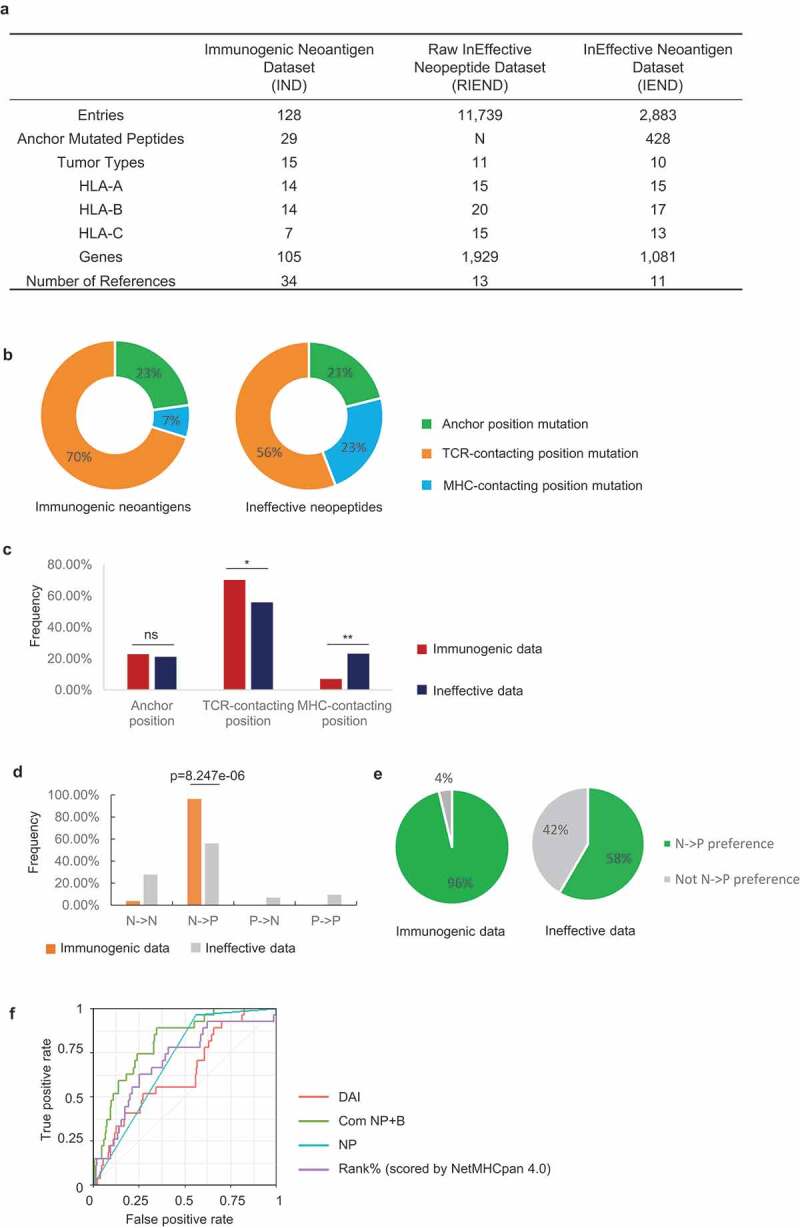
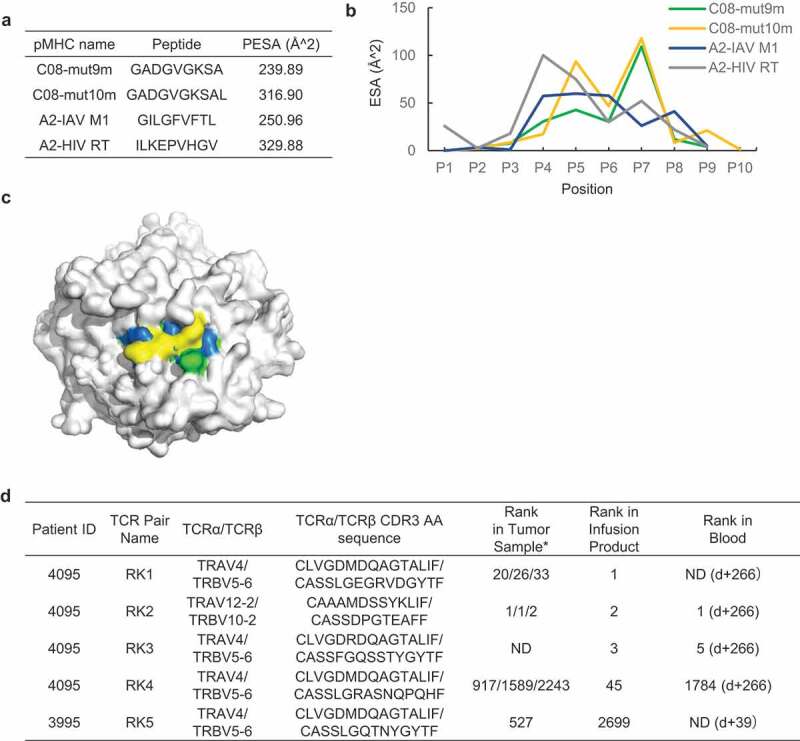
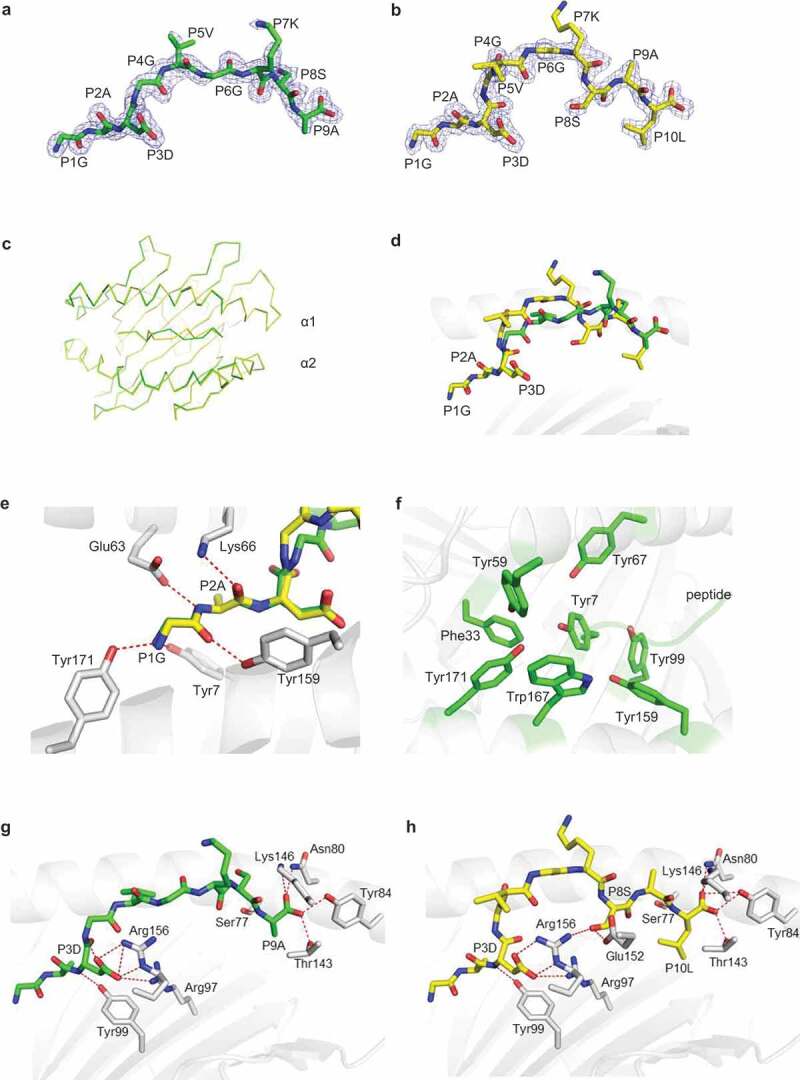
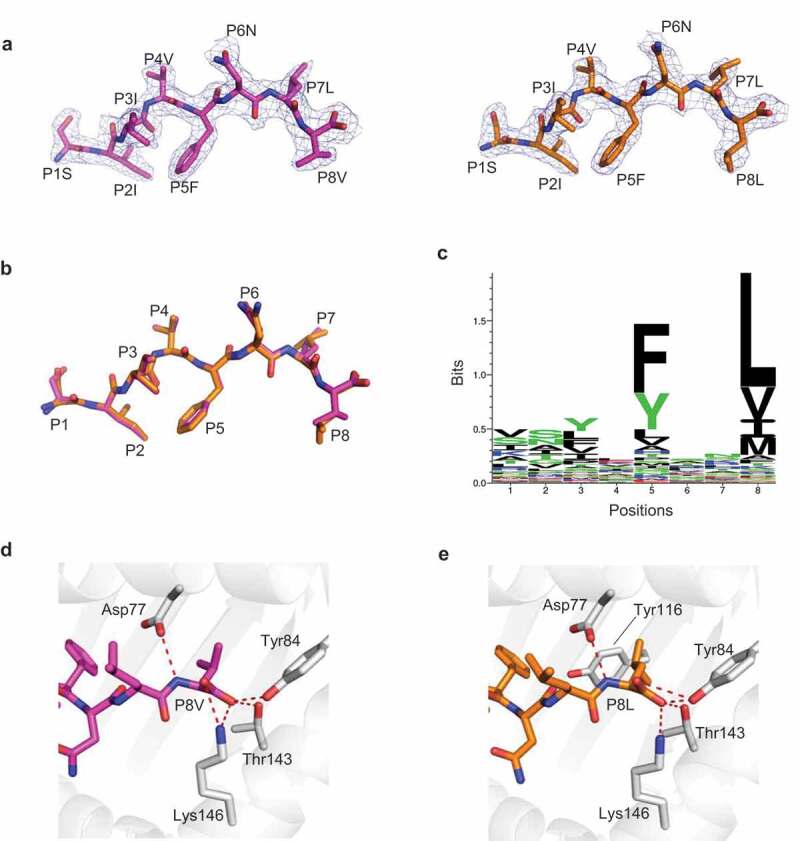
Genetic mutations lead to the production of mutated proteins from which peptides are presented to T cells as cancer neoantigens. Evidence suggests that T cells that target neoantigens are the main mediators of effective cancer immunotherapies. Although algorithms have been used to predict neoantigens, only a minority are immunogenic. The factors that influence neoantigen immunogenicity are not completely understood. Here, we classified human neoantigen/neopeptide data into three categories based on their TCR-pMHC binding events. We observed a conservative mutant orientation of the anchor residue from immunogenic neoantigens which we termed the "NP" rule. By integrating this rule with an existing prediction algorithm, we found improved performance in neoantigen prioritization. To better understand this rule, we solved several neoantigen/MHC structures. These structures showed that neoantigens that follow this rule not only increase peptide-MHC binding affinity but also create new TCR-binding features. These molecular insights highlight the value of immune-based classification in neoantigen studies and may enable the design of more effective cancer immunotherapies.
基因突变导致突变蛋白的产生,这些蛋白衍生的肽段作为癌症新抗原呈递给T细胞。有证据表明,靶向新抗原的T细胞是有效癌症免疫疗法的主要介导因素。尽管已使用算法来预测新抗原,但只有少数具有免疫原性。影响新抗原免疫原性的因素尚未完全了解。在此,我们根据TCR-pMHC结合事件将人类新抗原/新肽数据分为三类。我们观察到来自免疫原性新抗原的锚定残基存在保守的突变方向,我们将其称为“NP”规则。通过将此规则与现有的预测算法相结合,我们发现在新抗原优先级排序方面性能有所提高。为了更好地理解此规则,我们解析了几种新抗原/MHC结构。这些结构表明,遵循此规则的新抗原不仅增加了肽-MHC结合亲和力,还创造了新的TCR结合特征。这些分子见解突出了基于免疫的分类在新抗原研究中的价值,并可能有助于设计更有效的癌症免疫疗法。