Ye Xianglai, Wei Xiujuan, Liao Jing, Chen Peipei, Li Xueyun, Chen Yulong, Yang Yue, Zhao Qiongya, Sun Hongwei, Pan Liming, Chen Guorong, He Xujun, Lyu Jianxin, Fang Hezhi
Key Laboratory of Laboratory Medicine, Ministry of Education, Wenzhou Medical University, Wenzhou, China.
Zhejiang Provincial Key Laboratory of Medical Genetics, Department of Cell Biology and Medical Genetics, Wenzhou Medical University, Wenzhou, China.
Front Oncol. 2021 Jan 18;10:617190. doi: 10.3389/fonc.2020.617190. eCollection 2020.
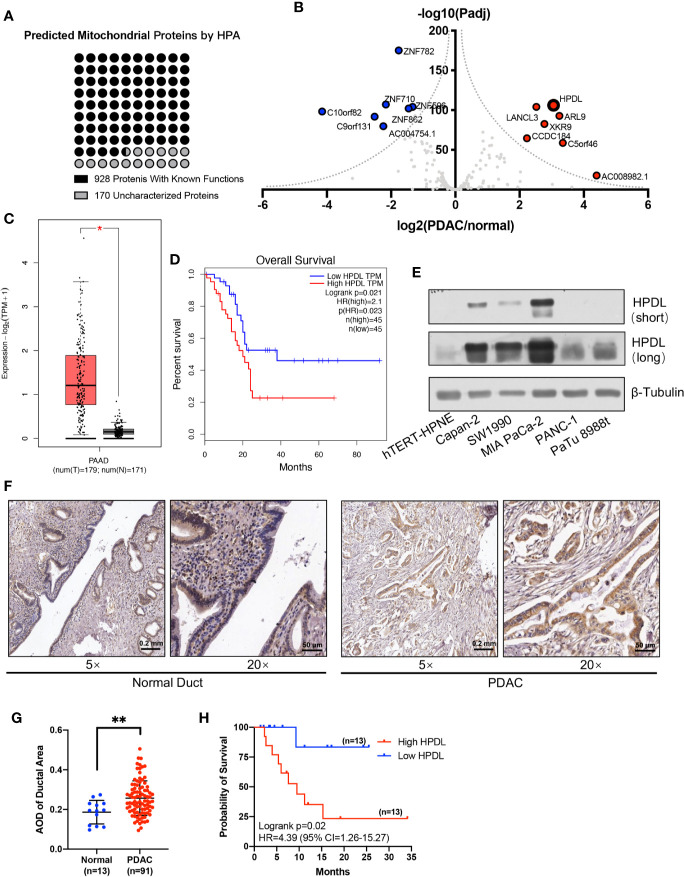
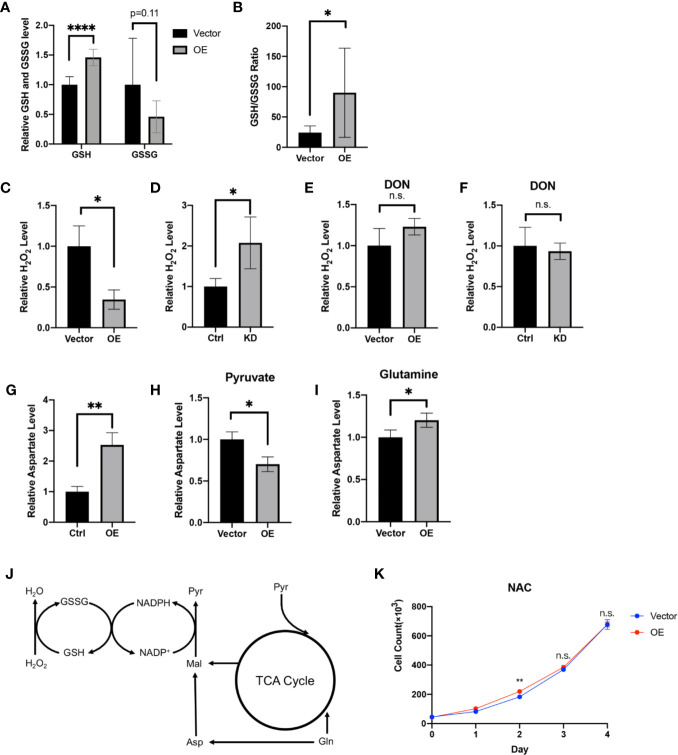
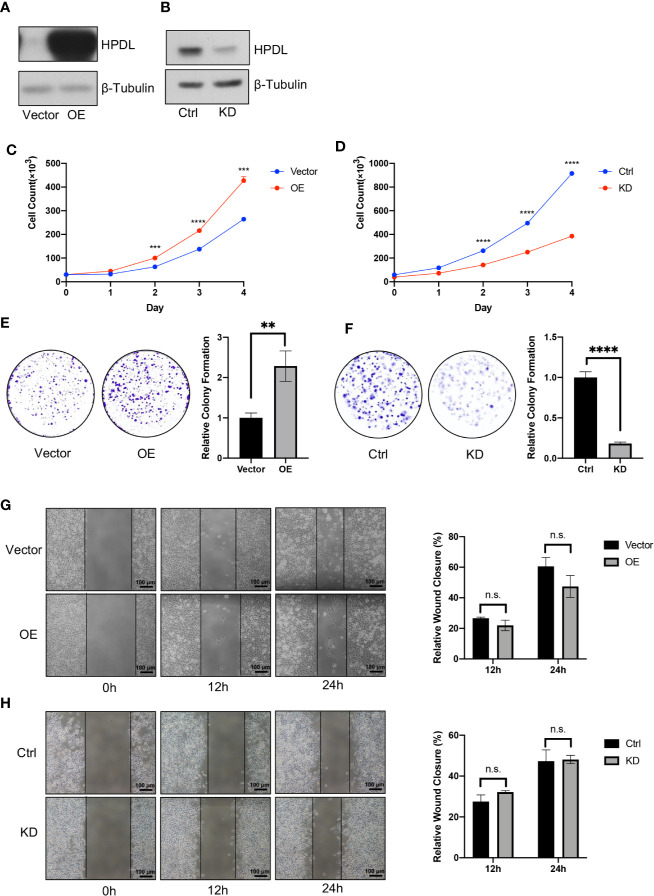
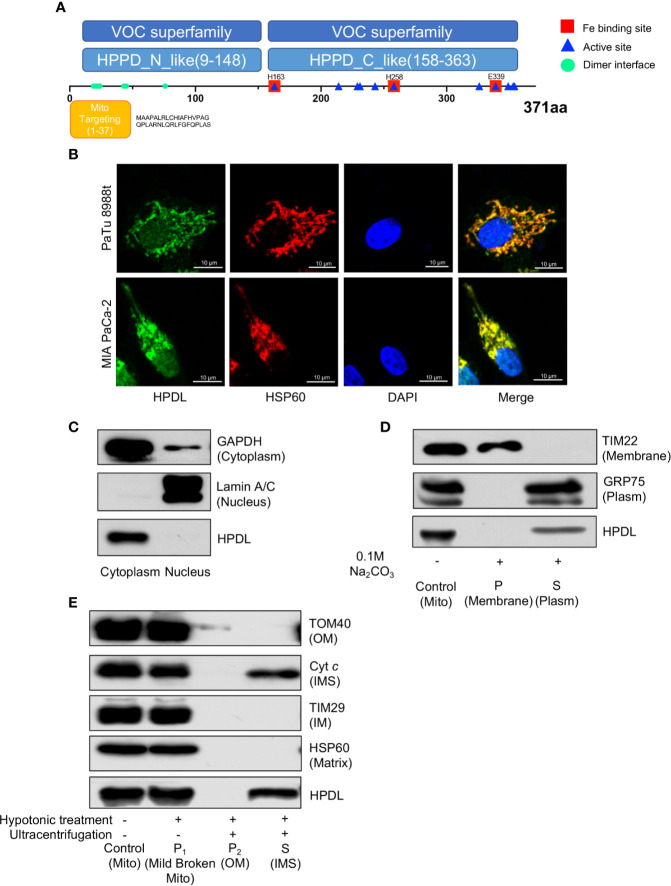
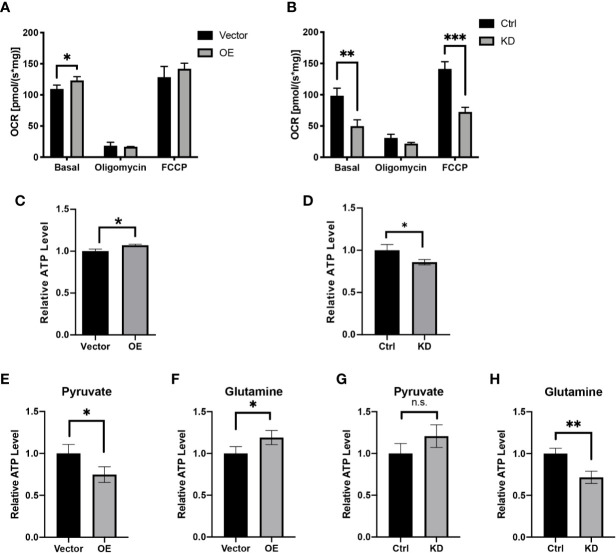
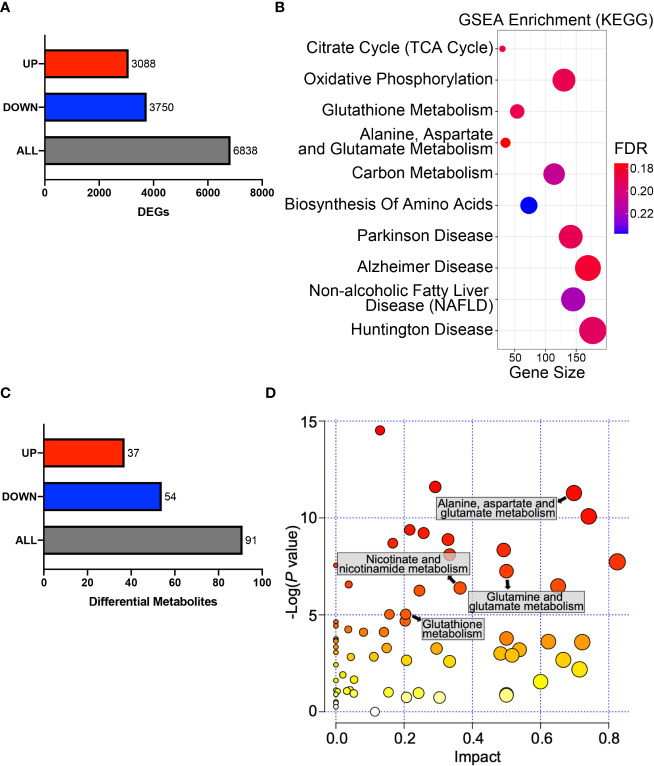
Tumor cells develop a series of metabolic reprogramming mechanisms to meet the metabolic needs for tumor progression. As metabolic hubs in cells, mitochondria play a significant role in this process, including energy production, biosynthesis, and redox hemostasis. In this study, we show that 4-hydroxyphenylpyruvate dioxygenase-like protein (HPDL), a previously uncharacterized protein, is positively associated with the development of pancreatic ductal adenocarcinoma (PDAC) and disease prognosis. We found that overexpression of HPDL in PDAC cells promotes tumorigenesis , whereas knockdown of HPDL inhibits cell proliferation and colony formation. Mechanistically, we found that HPDL is a mitochondrial intermembrane space localized protein that positively regulates mitochondrial bioenergetic processes and adenosine triphosphate (ATP) generation in a glutamine dependent manner. Our results further reveal that HPDL protects cells from oxidative stress by reprogramming the metabolic profile of PDAC cells toward glutamine metabolism. In short, we conclude that HPDL promotes PDAC likely through its effects on glutamine metabolism and redox balance.
肿瘤细胞会形成一系列代谢重编程机制,以满足肿瘤进展所需的代谢需求。作为细胞中的代谢枢纽,线粒体在此过程中发挥着重要作用,包括能量产生、生物合成和氧化还原稳态。在本研究中,我们发现4-羟基苯丙酮酸双加氧酶样蛋白(HPDL),一种此前未被描述的蛋白,与胰腺导管腺癌(PDAC)的发展及疾病预后呈正相关。我们发现,PDAC细胞中HPDL的过表达促进肿瘤发生,而HPDL的敲低则抑制细胞增殖和集落形成。从机制上来说,我们发现HPDL是一种定位于线粒体外膜间隙的蛋白,它以谷氨酰胺依赖的方式正向调节线粒体生物能量过程和三磷酸腺苷(ATP)的生成。我们的结果进一步揭示,HPDL通过将PDAC细胞的代谢谱重编程为谷氨酰胺代谢,从而保护细胞免受氧化应激。简而言之,我们得出结论,HPDL可能通过其对谷氨酰胺代谢和氧化还原平衡的影响来促进PDAC。