Larsen Terje S, Jansen Kirsten M
Department of Medical Biology, The Health Sciences Faculty, UiT The Arctic University of Norway, Tromsø, Norway.
J Lipid Atheroscler. 2021 Jan;10(1):8-23. doi: 10.12997/jla.2021.10.1.8. Epub 2020 Nov 10.
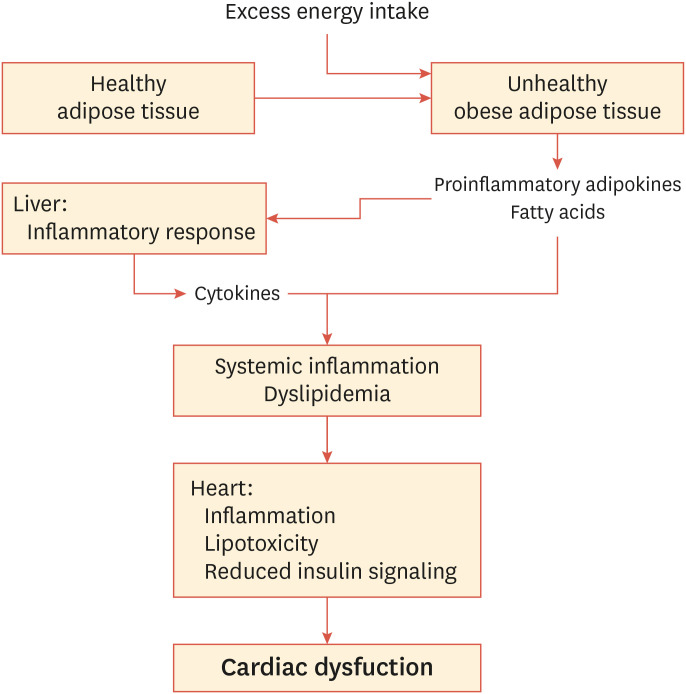
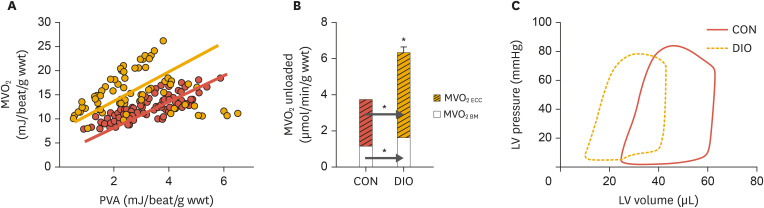
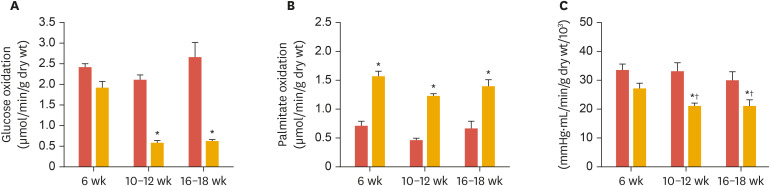
This review focuses on the role of adipose tissue in obese individuals in the development of metabolic diseases, and their consequences for metabolic and functional derangements in the heart. The general idea is that the expansion of adipocytes during the development of obesity gives rise to unhealthy adipose tissue, characterized by low-grade inflammation and the release of proinflammatory adipokines and fatty acids (FAs). This condition, in turn, causes systemic inflammation and elevated FA concentrations in the circulation, which links obesity to several pathologies, including impaired insulin signaling in cardiac muscle and a subsequent shift in myocardial substrate oxidation in favor of FAs and reduced cardiac efficiency. This review also argues that efforts to prevent obesity-related cardiometabolic disease should focus on anti-obesogenic strategies to restore normal adipose tissue metabolism.
本综述聚焦于肥胖个体中脂肪组织在代谢性疾病发展中的作用,以及这些疾病对心脏代谢和功能紊乱的影响。总体观点是,肥胖发展过程中脂肪细胞的扩张会产生不健康的脂肪组织,其特征为低度炎症以及促炎脂肪因子和脂肪酸(FAs)的释放。这种情况进而导致全身炎症以及循环中FA浓度升高,这将肥胖与多种病理状况联系起来,包括心肌中胰岛素信号受损以及随后心肌底物氧化向有利于FAs的方向转变,进而降低心脏效率。本综述还认为,预防肥胖相关心脏代谢疾病的努力应集中在抗肥胖策略上,以恢复正常的脂肪组织代谢。