Weisel John W, Litvinov Rustem I
Department of Cell and Developmental Biology University of Pennsylvania Perelman School of Medicine Philadelphia PA USA.
Res Pract Thromb Haemost. 2021 Jan 6;5(1):38-50. doi: 10.1002/rth2.12469. eCollection 2021 Jan.
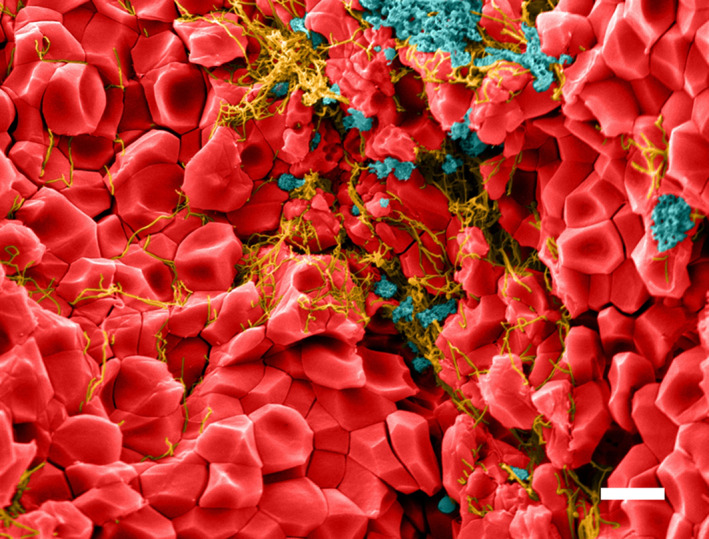
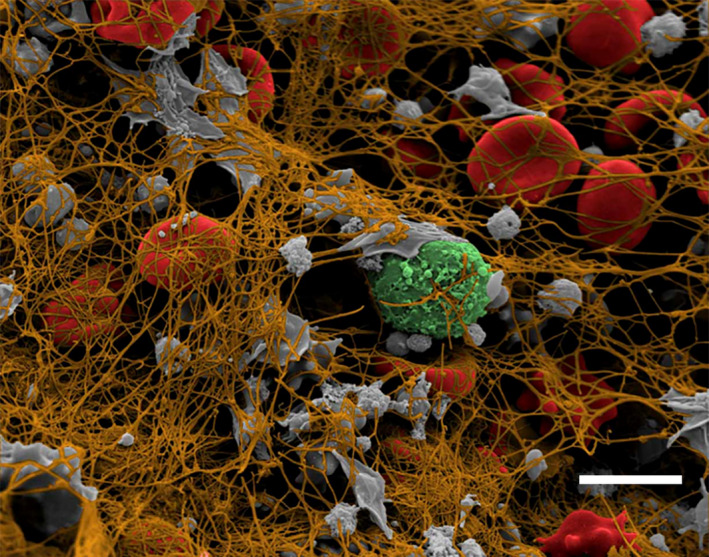
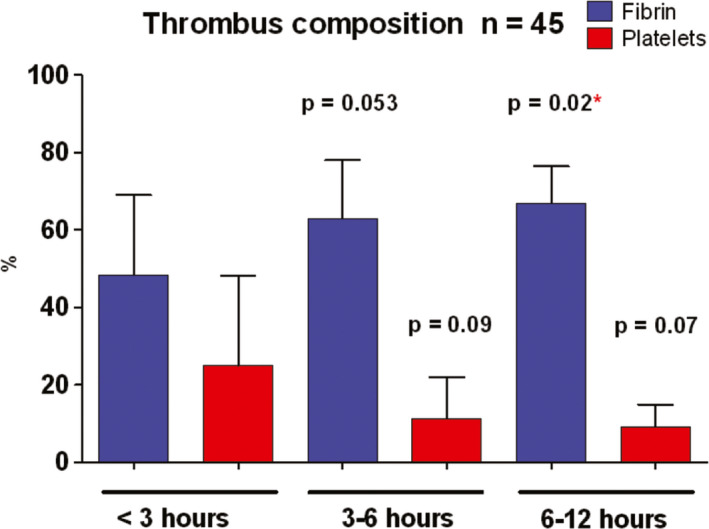
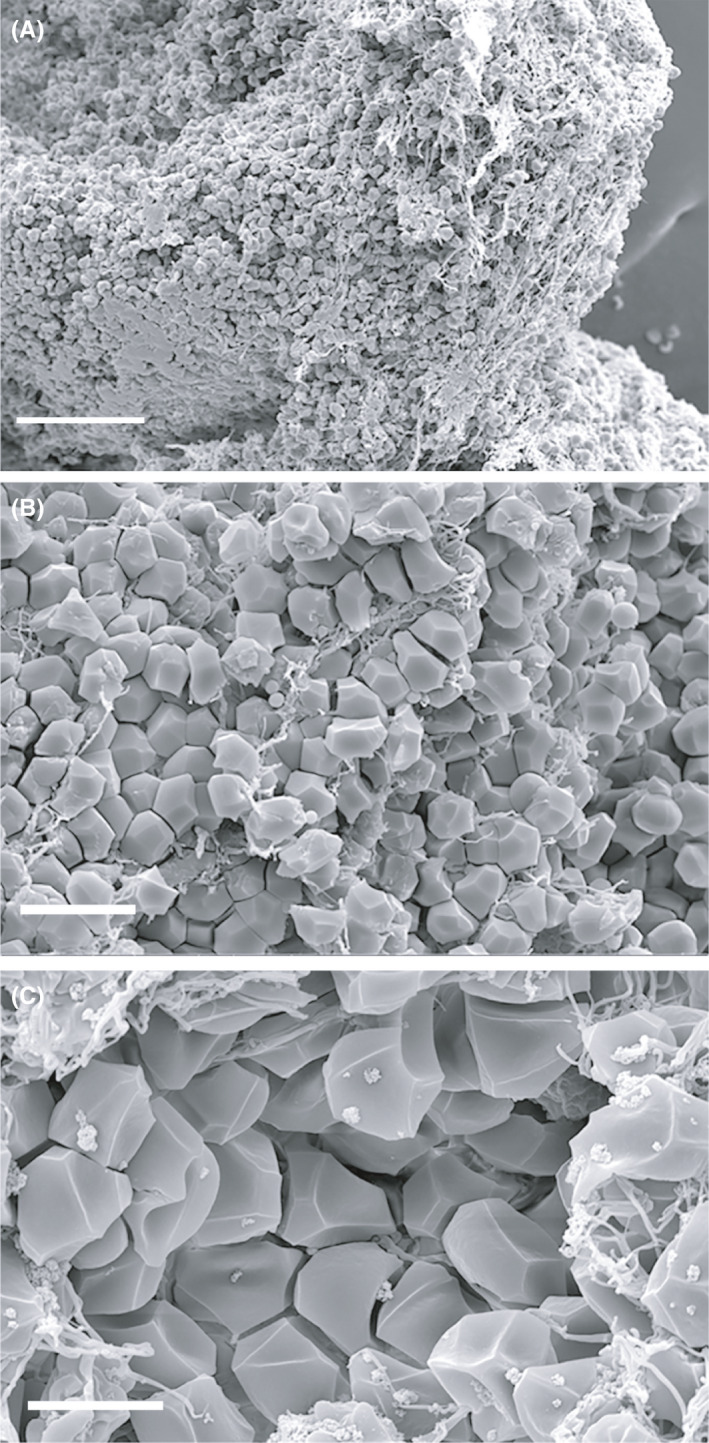
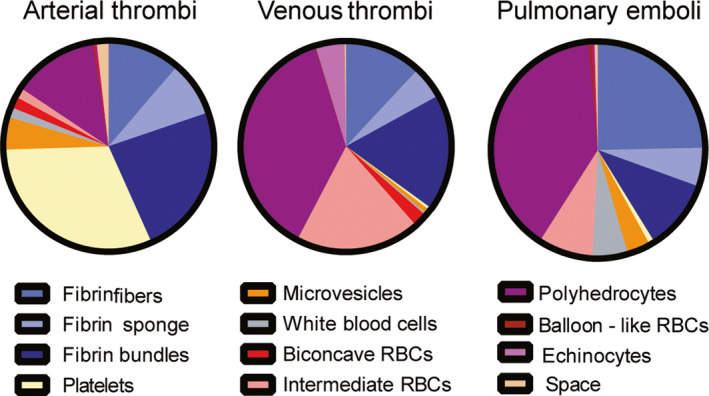
The severity, course, and outcomes of thrombosis are determined mainly by the size and location of the thrombus, but studying thrombus structure and composition has been an important but challenging task. The substantial progress in determination of thrombus morphology has become possible due to new intravital imaging methodologies in combination with mechanical thrombectomy, which allows extraction of a fresh thrombus from a patient followed by microscopy. Thrombi have been found to contain various structural forms of fibrin along with platelet aggregates, leukocytes, and red blood cells, many of which acquire a polyhedral shape (polyhedrocytes) as a result of intravital platelet-driven contraction. The relative volume fractions of thrombus components and their structural forms vary substantially, depending on the clinical and pathogenic characteristics. This review summarizes recent research that describes quantitative and qualitative morphologic characteristics of arterial and venous thrombi that are relevant for the pathogenesis, prophylaxis, diagnosis, and treatment of thrombosis.
血栓形成的严重程度、病程及转归主要取决于血栓的大小和位置,但研究血栓的结构和组成一直是一项重要却具有挑战性的任务。由于新的活体成像方法与机械血栓切除术相结合,使得确定血栓形态取得了实质性进展,该方法可从患者体内取出新鲜血栓并进行显微镜检查。已发现血栓含有各种结构形式的纤维蛋白,以及血小板聚集体、白细胞和红细胞,其中许多由于活体中血小板驱动的收缩而呈现多面体形状(多面体红细胞)。血栓成分及其结构形式的相对体积分数因临床和致病特征而异。本综述总结了最近的研究,这些研究描述了与血栓形成的发病机制、预防、诊断和治疗相关的动脉和静脉血栓的定量和定性形态学特征。