Fragoso-Morales Leticia Guadalupe, Correa-Basurto José, Rosales-Hernández Martha Cecilia
Laboratorio de Biofísica y Biocatálisis, Escuela Superior de Medicina, Instituto Politécnico Nacional, Plan de San Luis y Díaz Mirón s/n, Mexico City 11340, Mexico.
Laboratorio de Diseño y Desarrollo de Nuevos Fármacos e Innovación Biotecnológica, Escuela Superior de Medicina, Instituto Politécnico Nacional, Plan de San Luis y Díaz Mirón, Mexico City 11340, Mexico.
Antioxidants (Basel). 2021 Feb 2;10(2):218. doi: 10.3390/antiox10020218.
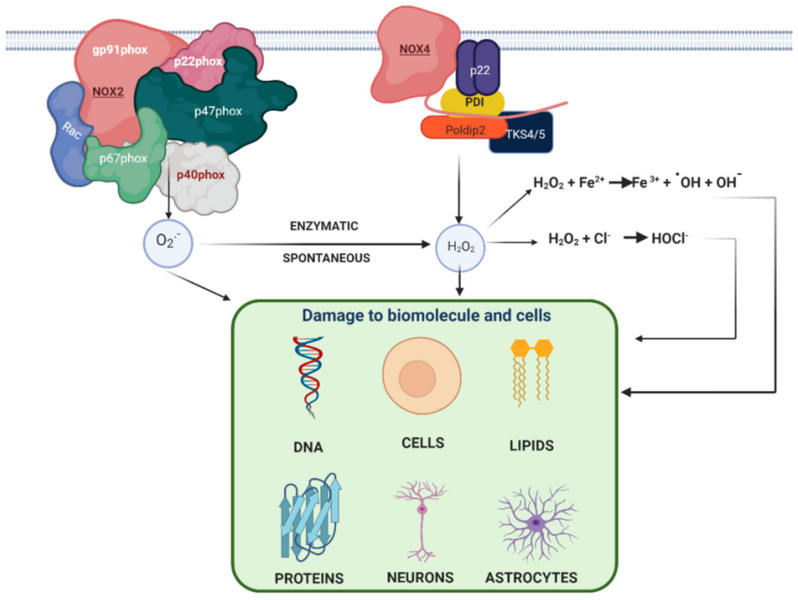
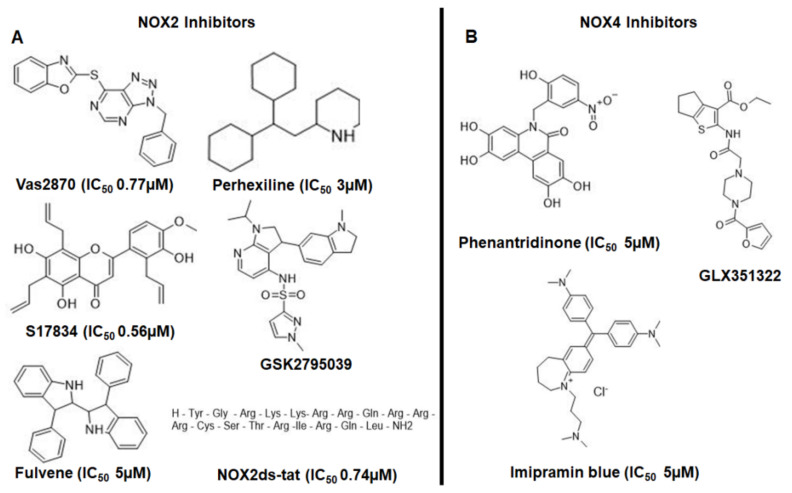
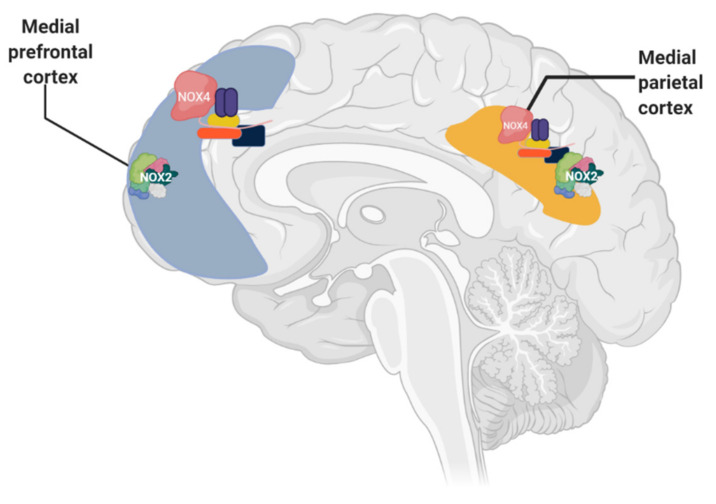
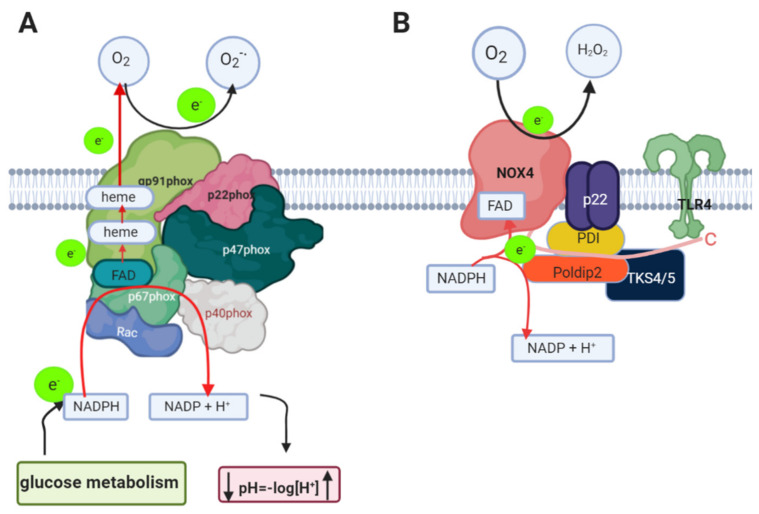
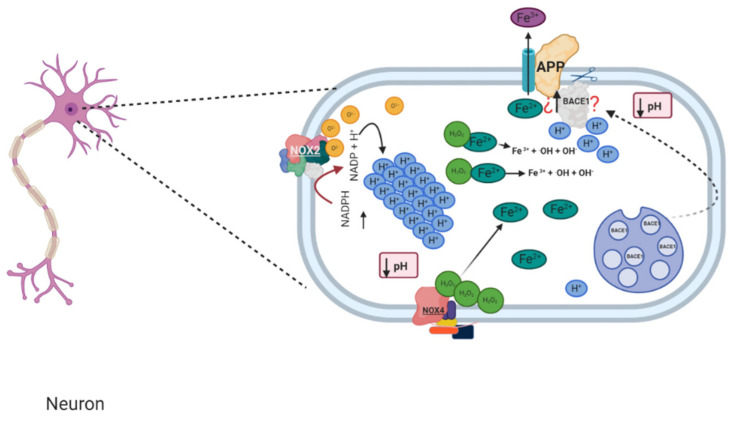
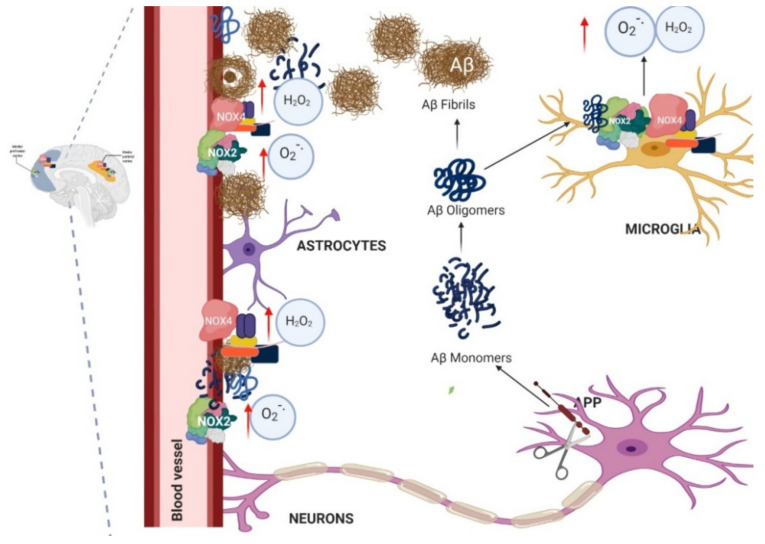
Alzheimer's disease (AD) is one of the main human dementias around the world which is constantly increasing every year due to several factors (age, genetics, environment, etc.) and there are no prevention or treatment options to cure it. AD is characterized by memory loss associated with oxidative stress (OS) in brain cells (neurons, astrocytes, microglia, etc.). OS can be produced by amyloid beta (Aβ) protein aggregation and its interaction with metals, mitochondrial damage and alterations between antioxidants and oxidant enzymes such as nicotinamide adenine dinucleotide phosphate (NADPH) oxidase. NADPH oxidase produces reactive oxygen species (ROS) and it is overexpressed in AD, producing large amounts of superoxide anions and hydrogen peroxide which damage brain cells and the vasculature. In addition, it has been reported that NADPH oxidase causes an imbalance of pH which could also influence in the amyloid beta (Aβ) production. Therefore, NADPH oxidase had been proposed as a therapeutic target in AD. However, there are no drugs for AD treatment such as an NADPH oxidase inhibitor despite great efforts made to stabilize the ROS production using antioxidant molecules. So, in this work, we will focus our attention on NADPH oxidase (NOX2 and NOX4) in AD as well as in AD models and later discuss the use of NADPH oxidase inhibitor compounds in AD.
阿尔茨海默病(AD)是全球主要的人类痴呆症之一,由于多种因素(年龄、遗传、环境等),其发病率逐年持续上升,并且目前尚无预防或治愈的治疗方法。AD的特征是与脑细胞(神经元、星形胶质细胞、小胶质细胞等)中的氧化应激(OS)相关的记忆丧失。OS可由β-淀粉样蛋白(Aβ)的蛋白质聚集及其与金属的相互作用、线粒体损伤以及抗氧化剂和氧化酶(如烟酰胺腺嘌呤二核苷酸磷酸(NADPH)氧化酶)之间的失衡产生。NADPH氧化酶产生活性氧(ROS),并且在AD中过度表达,产生大量超氧阴离子和过氧化氢,从而损害脑细胞和脉管系统。此外,据报道,NADPH氧化酶会导致pH失衡,这也可能影响β-淀粉样蛋白(Aβ)的产生。因此,NADPH氧化酶已被提议作为AD的治疗靶点。然而,尽管人们为使用抗氧化分子稳定ROS的产生付出了巨大努力,但目前尚无用于AD治疗的药物,如NADPH氧化酶抑制剂。所以,在这项工作中,我们将把注意力集中在AD以及AD模型中的NADPH氧化酶(NOX2和NOX4)上,随后讨论NADPH氧化酶抑制剂化合物在AD中的应用。