Department of Public Health, History of Medicine and Gynecology, University Miguel Hernández, 03550 Alicante, Spain.
Spanish Consortium for Research on Epidemiology and Public Health (CIBERESP), 28029 Madrid, Spain.
Int J Environ Res Public Health. 2021 Feb 3;18(4):1432. doi: 10.3390/ijerph18041432.
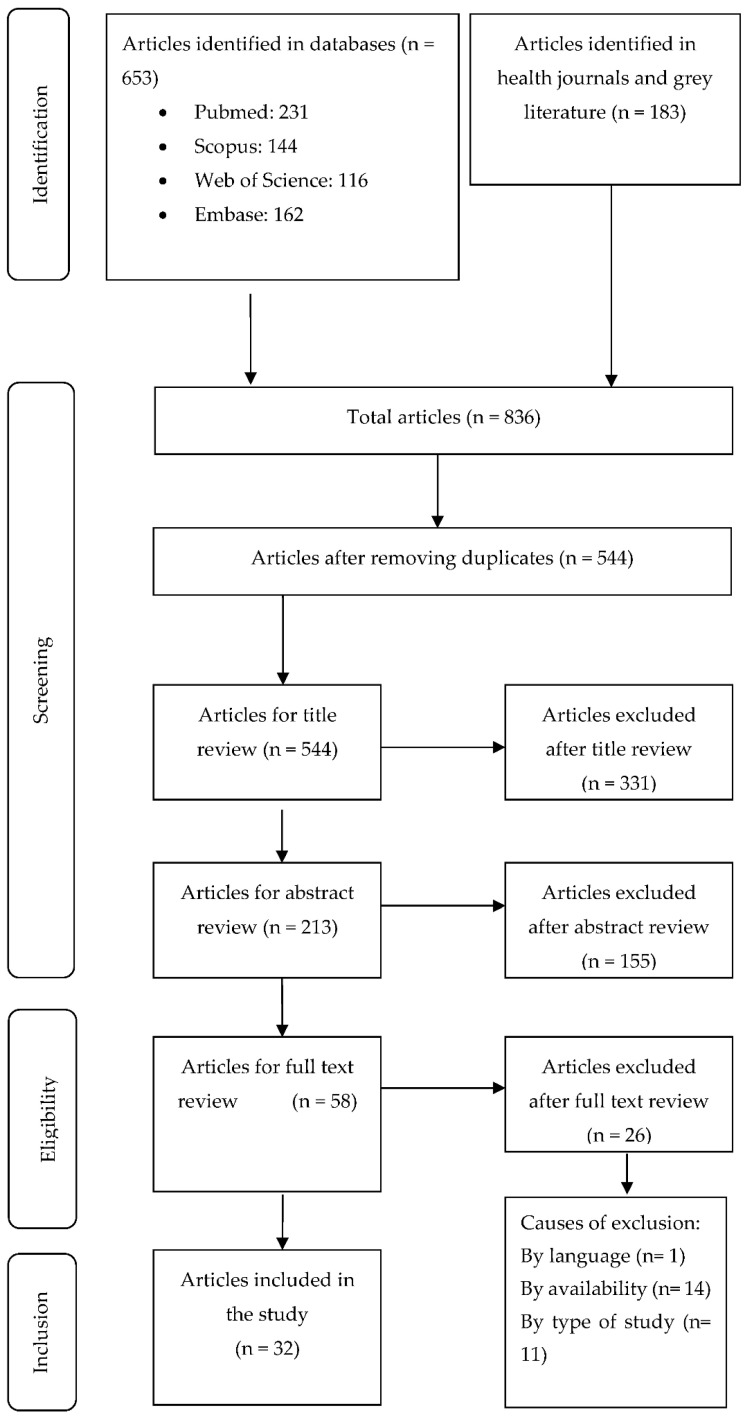
This scoping review aims to describe occupational therapy interventions carried out with multiple sclerosis (MS) and amyotrophic lateral sclerosis (ALS) patients in occupational therapy. A peer review of the literature was conducted in different databases: Pubmed, Scopus, Web of Science and Embase, and in some occupational therapy journals. A search of the literature published was carried out before December 2019. The inclusion criteria were as follows: (1) articles evaluating the intervention of occupational therapy in MS or ALS including experimental, randomized, nonrandomized and exploratory studies; (2) written in English or Spanish; (3) adult population (over 18 years old). The initial search identified 836 articles of which we included 32 divided into four areas of intervention: fatigue-targeted interventions, cognitive interventions, physical interventions and others. Only 16 studies were carried out exclusively by occupational therapists. Most occupational therapy interventions are aimed at fatigue and physical rehabilitation. The majority of the studies in our review included MS patients, with little representation from the ALS population. These interventions have shown an improvement in perceived fatigue, manual dexterity, falls prevention and improvement in cognitive aspects such as memory, communication, depression and quality of life in the MS and ALS populations.
这篇范围界定综述旨在描述职业治疗师在职业治疗中对多发性硬化症 (MS) 和肌萎缩侧索硬化症 (ALS) 患者进行的干预措施。我们在不同的数据库中进行了同行评议的文献回顾:Pubmed、Scopus、Web of Science 和 Embase,以及一些职业治疗杂志。文献检索工作于 2019 年 12 月前完成。纳入标准如下:(1) 评估职业治疗干预 MS 或 ALS 的文章,包括实验、随机、非随机和探索性研究;(2) 用英语或西班牙语书写;(3) 成年人群(18 岁以上)。最初的搜索确定了 836 篇文章,其中我们纳入了 32 篇,分为四个干预领域:针对疲劳的干预、认知干预、身体干预和其他干预。只有 16 项研究是由职业治疗师专门进行的。大多数职业治疗干预措施旨在治疗疲劳和身体康复。我们综述中的大多数研究都包括 MS 患者,而 ALS 患者的代表性较少。这些干预措施在 MS 和 ALS 患者中显示出对感知疲劳、手的灵巧性、跌倒预防以及认知方面(如记忆力、沟通、抑郁和生活质量)的改善。