Jenke Robert, Reßing Nina, Hansen Finn K, Aigner Achim, Büch Thomas
University Cancer Center Leipzig (UCCL), University Hospital Leipzig, D-04103 Leipzig, Germany.
Clinical Pharmacology, Rudolf-Boehm-Institute for Pharmacology and Toxicology, Medical Faculty, University of Leipzig, D-04107 Leipzig, Germany.
Cancers (Basel). 2021 Feb 5;13(4):634. doi: 10.3390/cancers13040634.
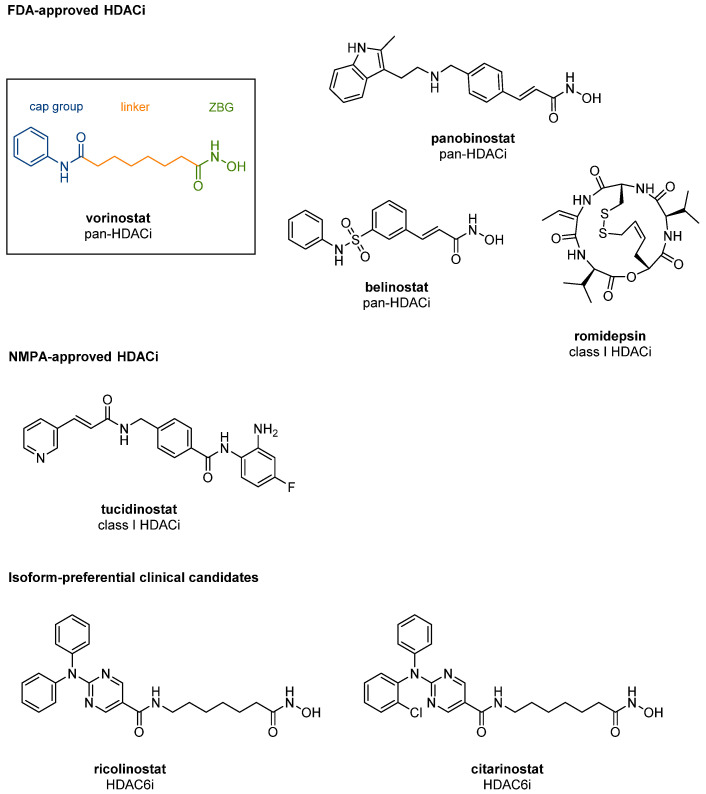
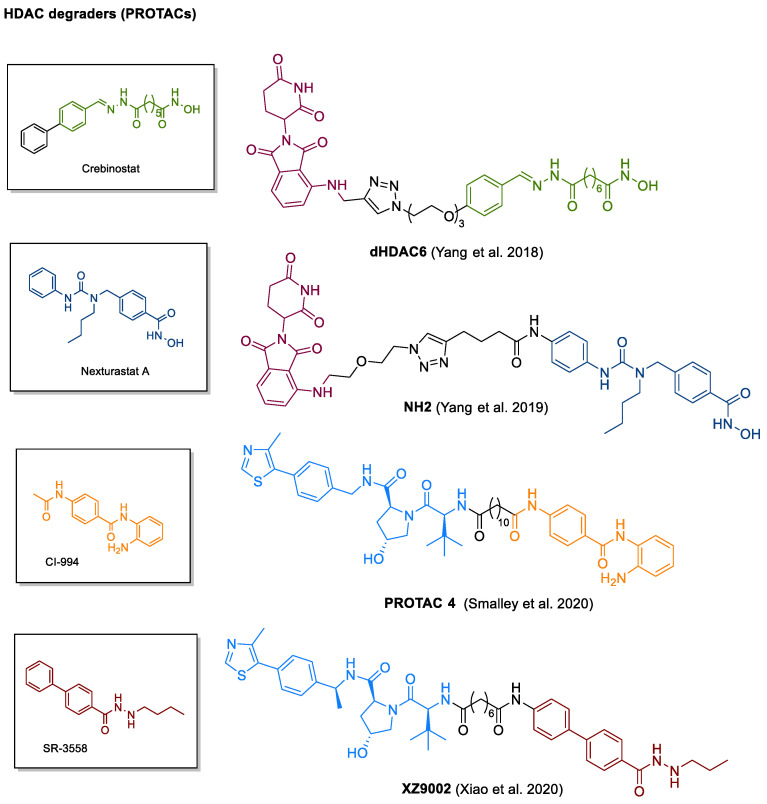
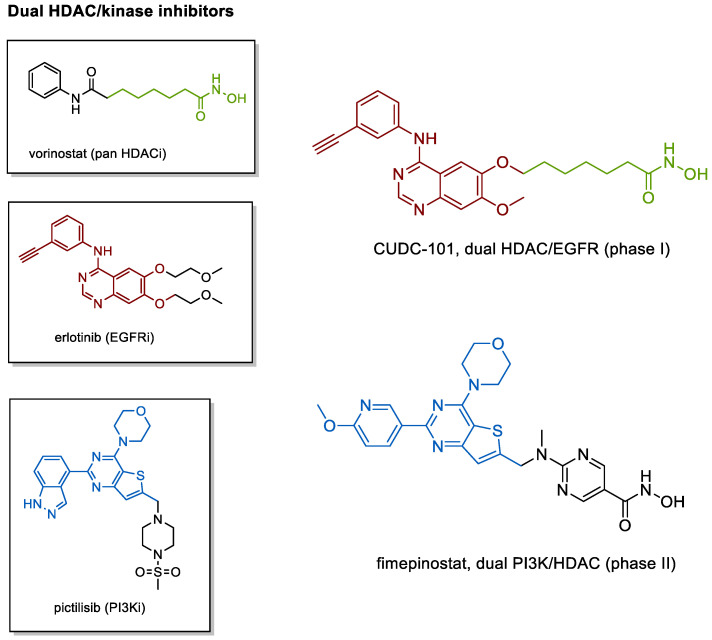
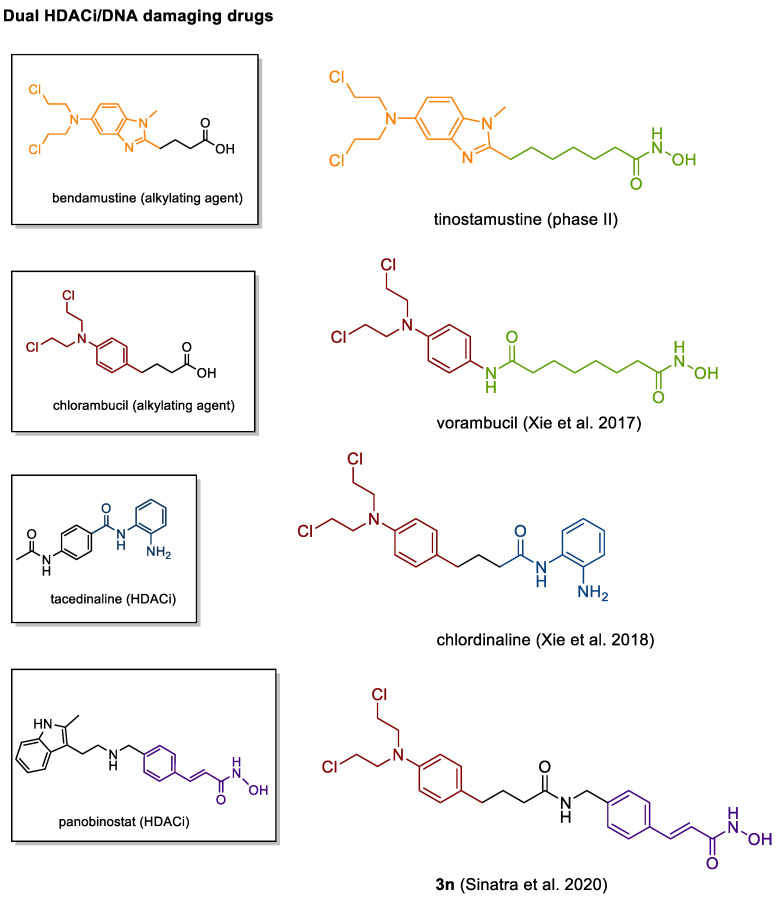
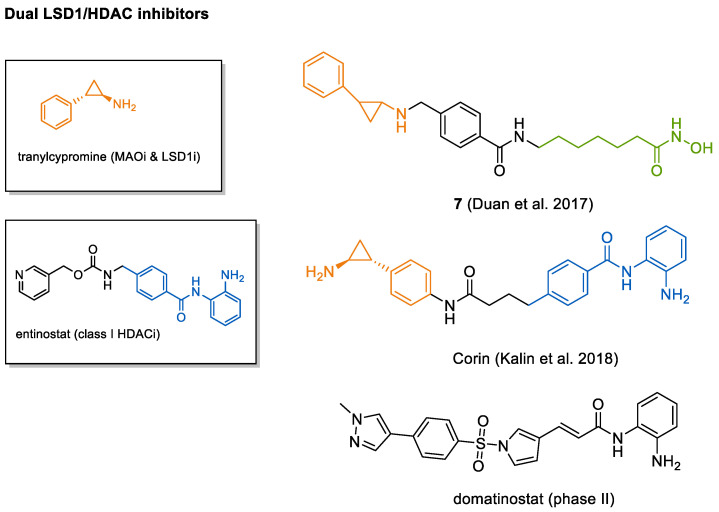
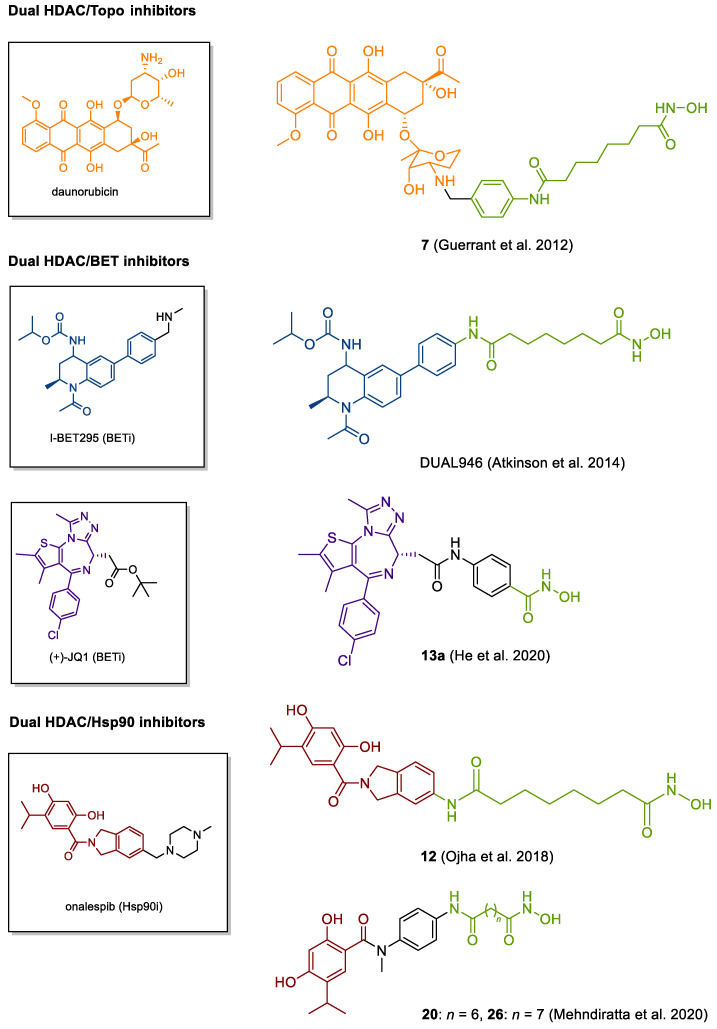
The increasing knowledge of molecular drivers of tumorigenesis has fueled targeted cancer therapies based on specific inhibitors. Beyond "classic" oncogene inhibitors, epigenetic therapy is an emerging field. Epigenetic alterations can occur at any time during cancer progression, altering the structure of the chromatin, the accessibility for transcription factors and thus the transcription of genes. They rely on post-translational histone modifications, particularly the acetylation of histone lysine residues, and are determined by the inverse action of histone acetyltransferases (HATs) and histone deacetylases (HDACs). Importantly, HDACs are often aberrantly overexpressed, predominantly leading to the transcriptional repression of tumor suppressor genes. Thus, histone deacetylase inhibitors (HDACis) are powerful drugs, with some already approved for certain hematological cancers. Albeit HDACis show activity in solid tumors as well, further refinement and the development of novel drugs are needed. This review describes the capability of HDACis to influence various pathways and, based on this knowledge, gives a comprehensive overview of various preclinical and clinical studies on solid tumors. A particular focus is placed on strategies for achieving higher efficacy by combination therapies, including phosphoinositide 3-kinase (PI3K)-EGFR inhibitors and hormone- or immunotherapy. This also includes new bifunctional inhibitors as well as novel approaches for HDAC degradation via PROteolysis-TArgeting Chimeras (PROTACs).
对肿瘤发生分子驱动因素的认识不断增加,推动了基于特定抑制剂的靶向癌症治疗的发展。除了“经典”的癌基因抑制剂外,表观遗传治疗是一个新兴领域。表观遗传改变可在癌症进展的任何阶段发生,改变染色质结构、转录因子的可及性,进而影响基因转录。它们依赖于翻译后组蛋白修饰,特别是组蛋白赖氨酸残基的乙酰化,由组蛋白乙酰转移酶(HATs)和组蛋白去乙酰化酶(HDACs)的相反作用决定。重要的是,HDACs常常异常过表达,主要导致肿瘤抑制基因的转录抑制。因此,组蛋白去乙酰化酶抑制剂(HDACis)是强有力的药物,其中一些已被批准用于某些血液系统癌症。尽管HDACis在实体瘤中也显示出活性,但仍需要进一步改进和开发新药。本文综述了HDACis影响各种信号通路的能力,并基于这些知识,全面概述了实体瘤的各种临床前和临床研究。特别关注通过联合治疗提高疗效的策略,包括磷酸肌醇3激酶(PI3K)-表皮生长因子受体(EGFR)抑制剂以及激素或免疫治疗。这还包括新型双功能抑制剂以及通过蛋白酶靶向嵌合体(PROTACs)降解HDAC的新方法。