Tan Jianye, Liang Haofeng, Yang Bingsheng, Zhu Shuang, Wu Guofeng, Li Lutao, Liu Zhengwei, Li Lin, Qi Weizhong, Li Sijing, Lin Lijun
Department of Orthopedics, Zhujiang Hospital, Southern Medical University, Guangzhou, Guangdong, China.
Department of Orthopedics, Huizhou Municipal Central Hospital, Huizhou, Guangdong, China.
J Oncol. 2021 Jan 30;2021:6646459. doi: 10.1155/2021/6646459. eCollection 2021.
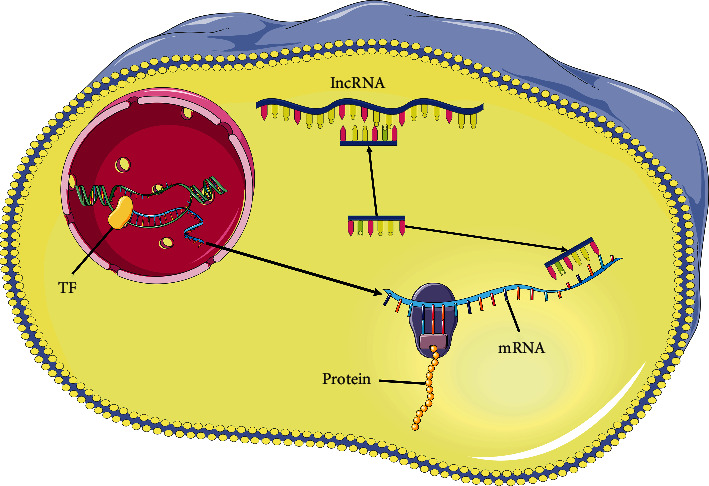
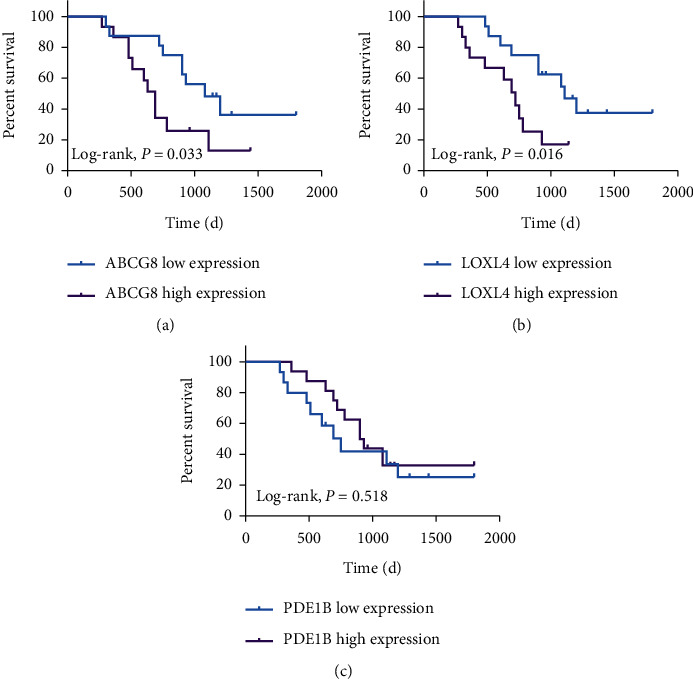
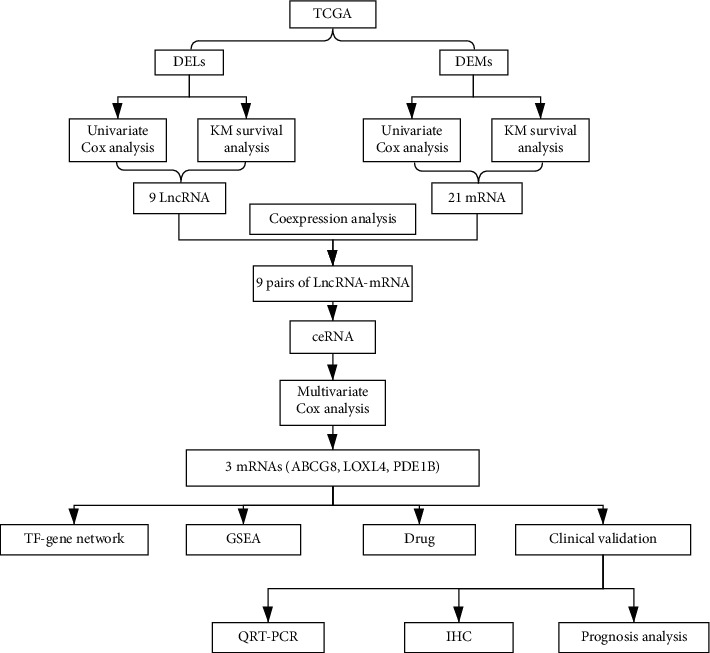
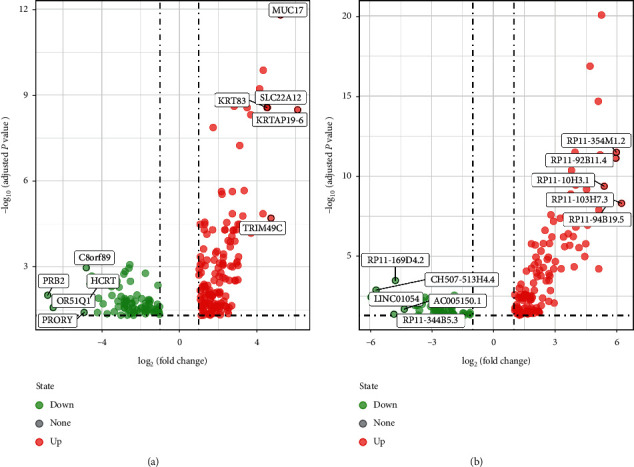
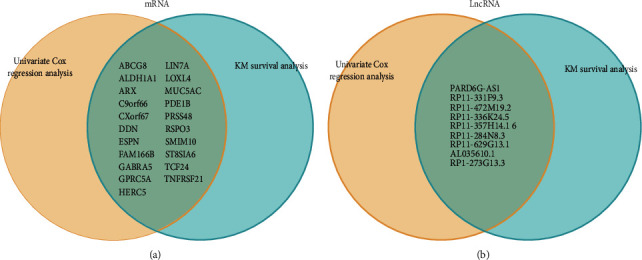
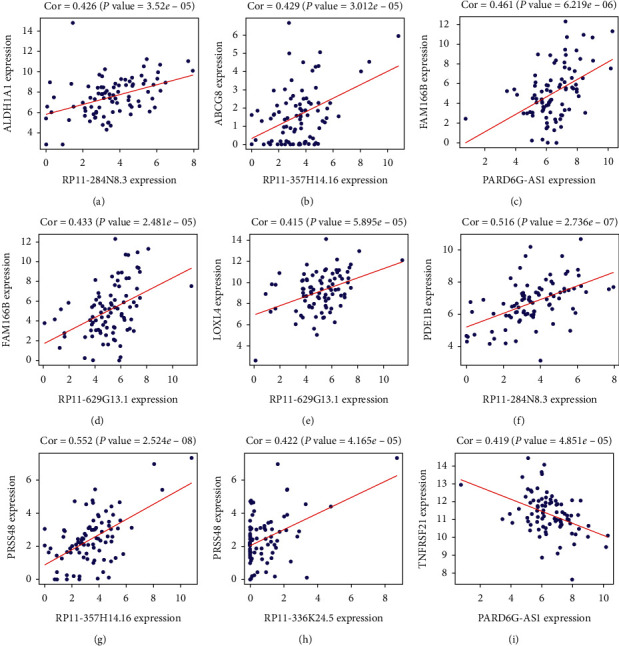
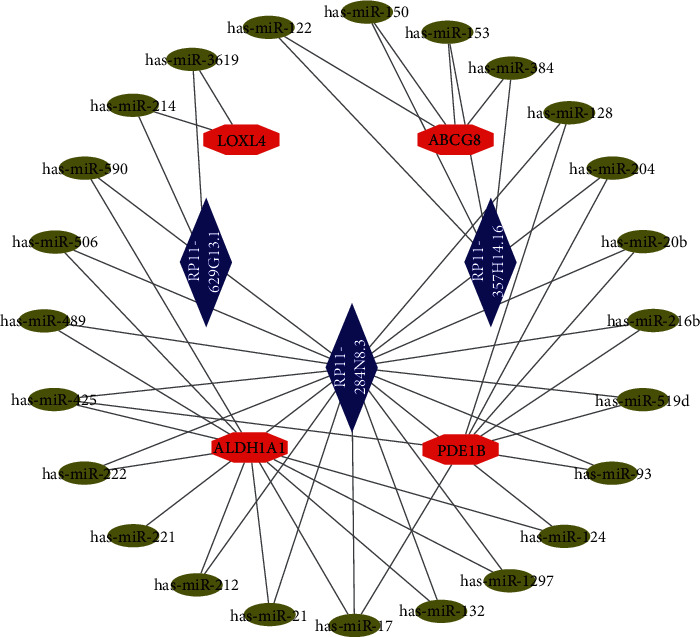
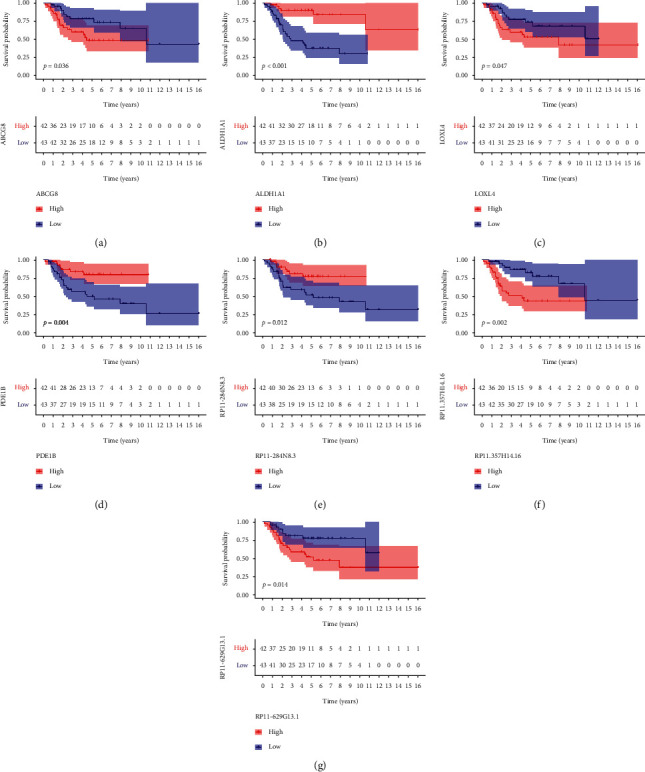
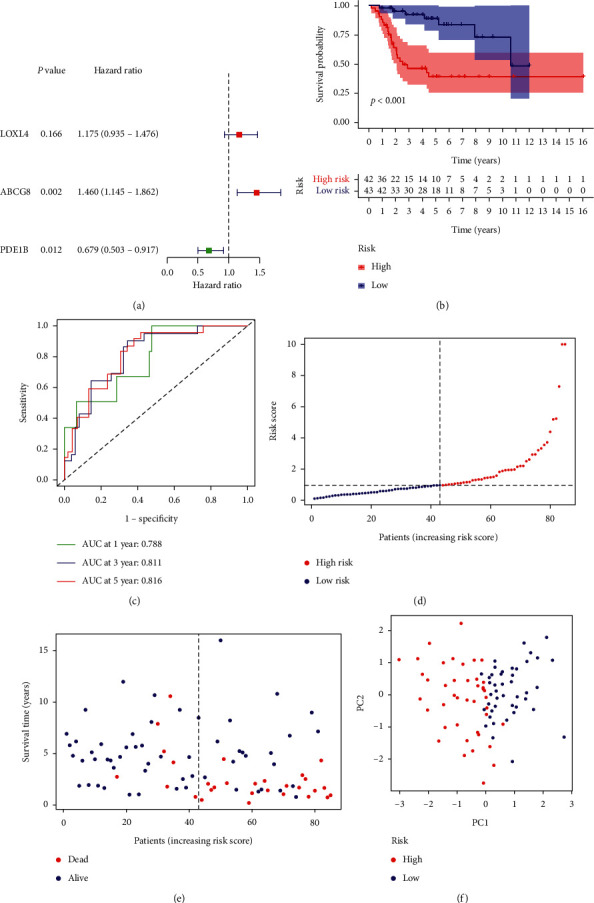
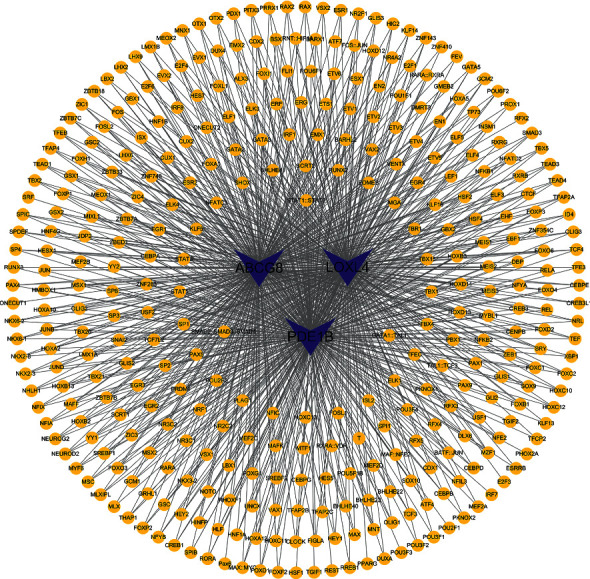
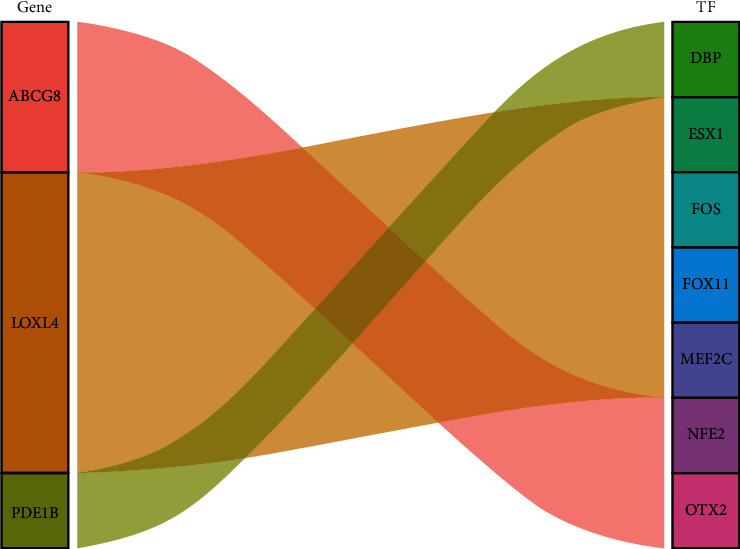
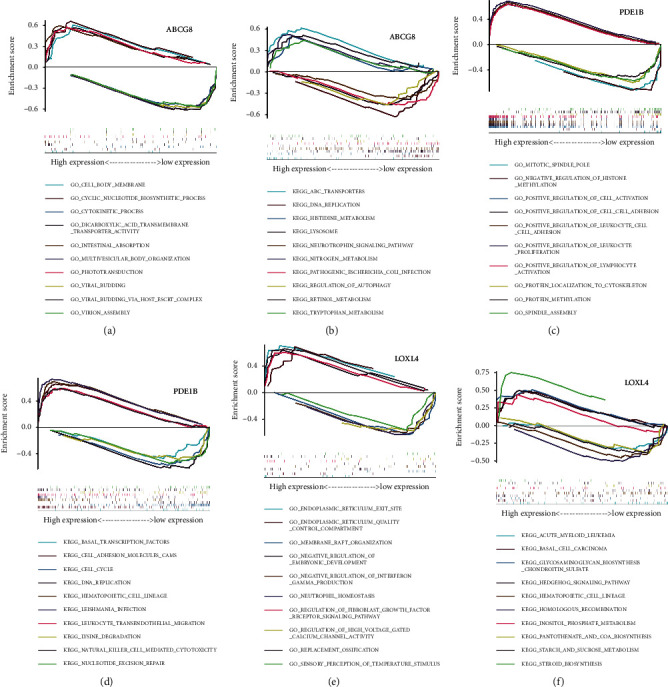
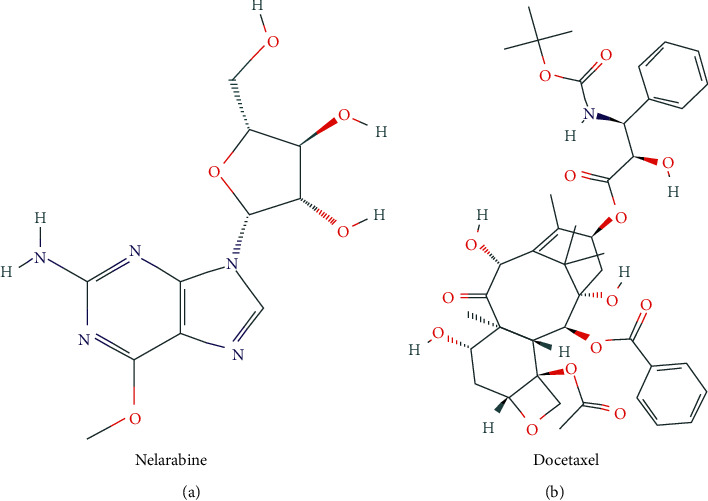
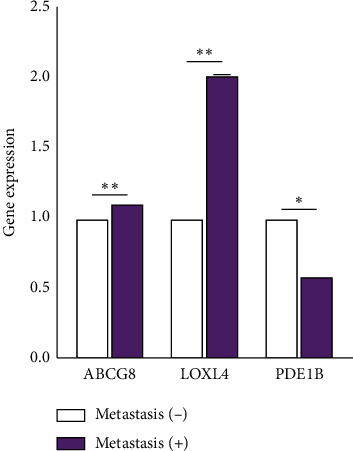
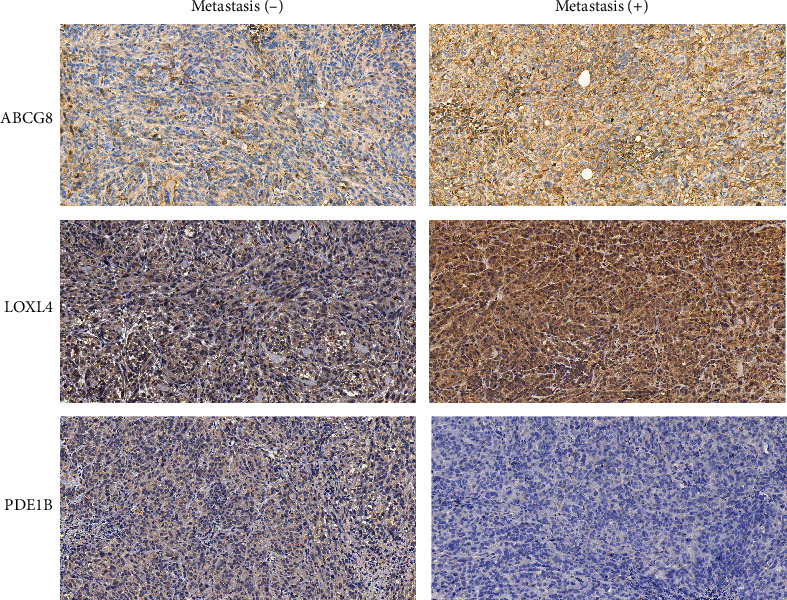
Osteosarcoma (OS) often occurs in children and often undergoes metastasis, resulting in lower survival rates. Information on the complexity and pathogenic mechanism of OS is limited, and thus, the development of treatments involving alternative molecular and genetic targets is hampered. We categorized transcriptome data into metastasis and nonmetastasis groups, and 400 differential RNAs (230 messenger RNAs (mRNAs) and 170 long noncoding RNAs (lncRNAs)) were obtained by the edgeR package. Prognostic genes were identified by performing univariate Cox regression analysis and the Kaplan-Meier (KM) survival analysis. We then examined the correlation between the expression level of prognostic lncRNAs and mRNAs. Furthermore, microRNAs (miRNAs) corresponding to the coexpression of lncRNA-mRNA was predicted, which was used to construct a competitive endogenous RNA (ceRNA) regulatory network. Finally, multivariate Cox proportional risk regression analysis was used to identify hub prognostic genes. Three hub prognostic genes (ABCG8, LOXL4, and PDE1B) were identified as potential prognostic biomarkers and therapeutic targets for OS. Furthermore, transcriptions factors (TFs) (DBP, ESX1, FOS, FOXI1, MEF2C, NFE2, and OTX2) and lncRNAs (RP11-357H14.16, RP11-284N8.3, and RP11-629G13.1) that were able to affect the expression levels of genes before and after transcription were found to regulate the prognostic hub genes. In addition, we identified drugs related to the prognostic hub genes, which may have potential clinical applications. Immunohistochemistry (IHC) and quantitative real-time polymerase chain reaction (qRT-PCR) confirmed that the expression levels of ABCG8, LOXL4, and PDE1B coincided with the results of bioinformatics analysis. Moreover, the relationship between the hub prognostic gene expression and patient prognosis was also validated. Our study elucidated the roles of three novel prognostic biomarkers in the pathogenesis of OS as well as presenting a potential clinical treatment for OS.
骨肉瘤(OS)常发生于儿童,且常发生转移,导致生存率较低。关于骨肉瘤的复杂性和致病机制的信息有限,因此,涉及替代分子和基因靶点的治疗方法的开发受到阻碍。我们将转录组数据分为转移组和非转移组,通过edgeR软件包获得了400个差异RNA(230个信使RNA(mRNA)和170个长链非编码RNA(lncRNA))。通过单变量Cox回归分析和Kaplan-Meier(KM)生存分析确定预后基因。然后,我们研究了预后lncRNA和mRNA表达水平之间的相关性。此外,预测了与lncRNA-mRNA共表达相对应的微小RNA(miRNA),用于构建竞争性内源RNA(ceRNA)调控网络。最后,使用多变量Cox比例风险回归分析来确定核心预后基因。三个核心预后基因(ABCG8、LOXL4和PDE1B)被确定为骨肉瘤的潜在预后生物标志物和治疗靶点。此外,还发现能够在转录前后影响基因表达水平的转录因子(TFs)(DBP、ESX1、FOS、FOXI1、MEF2C、NFE2和OTX2)和lncRNA(RP11-357H14.16、RP11-284N8.3和RP11-629G13.1)可调节预后核心基因。此外,我们还确定了与预后核心基因相关的药物,这些药物可能具有潜在的临床应用价值。免疫组织化学(IHC)和定量实时聚合酶链反应(qRT-PCR)证实,ABCG8、LOXL4和PDE1B的表达水平与生物信息学分析结果一致。此外,核心预后基因表达与患者预后之间的关系也得到了验证。我们的研究阐明了三种新型预后生物标志物在骨肉瘤发病机制中的作用,并提出了骨肉瘤的潜在临床治疗方法。