Malloy Shannon M, Sanchez Karl, Cho Jonathan, Mulcahy Sarah E, Labow Brian I
Adolescent Breast Center, Boston Children's Hospital, Boston, Mass.
Department of Plastic and Oral Surgery, Boston Children's Hospital, Harvard Medical School, Boston, Mass.
Plast Reconstr Surg Glob Open. 2021 Jan 25;9(1):e3333. doi: 10.1097/GOX.0000000000003333. eCollection 2021 Jan.
Graduate medical education (GME) programs are vital to developing future plastic surgeons. However, their cost-efficiency has yet to be contextualized. This cohort quality improvement (QI) project aimed to measure the indirect costs an institution assumes in training surgical residents, by comparing the differences in operative time and procedural charges between a resident and a physician assistant (PA) first-assisting during adolescent reduction mammaplasty.
From 2013 to 2019, adolescent bilateral reduction mammaplasty procedures first-assisted by either a resident or physician assistant were considered for analysis. Financial data, including all hospital and physician expenditures and operation duration, patient demographics, and outcomes data were retrospectively collected.
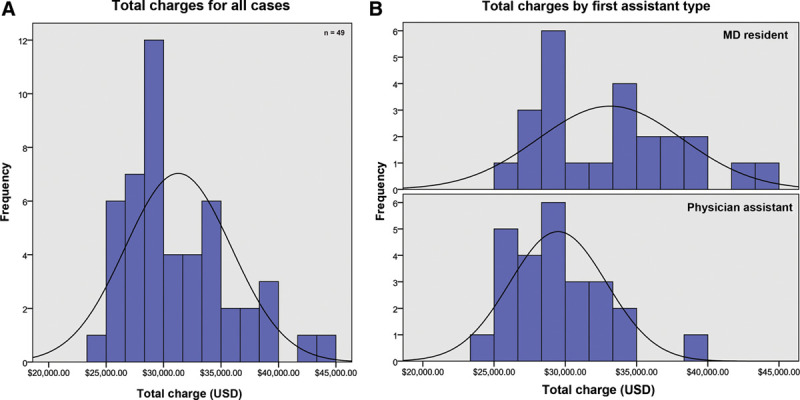
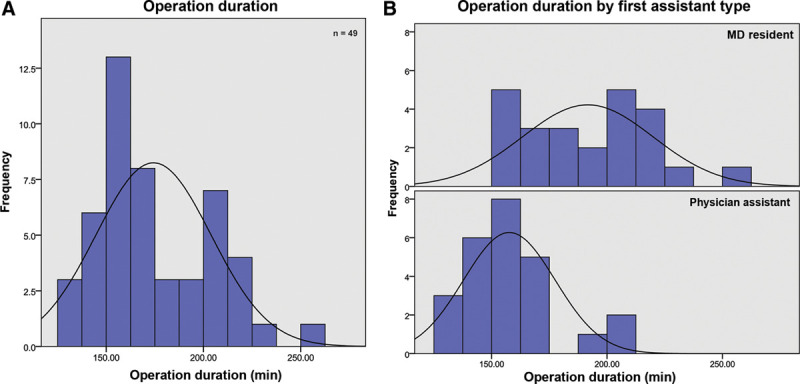
A total of 49 reduction mammaplasty cases were included for analysis. Residents had an average of 5.9 ± 1.5 years of post-graduate surgical training, whereas the PA had 2 years of surgical experience. Procedures first-assisted by a surgical resident took a mean/median of 34 minutes longer and were $3750 more expensive, respectively, than cases first-assisted by a PA ( < 0.01, both).
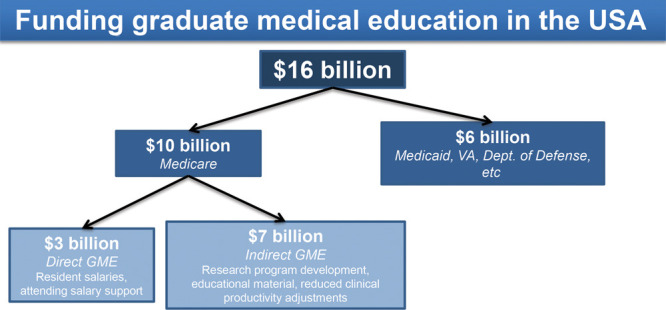
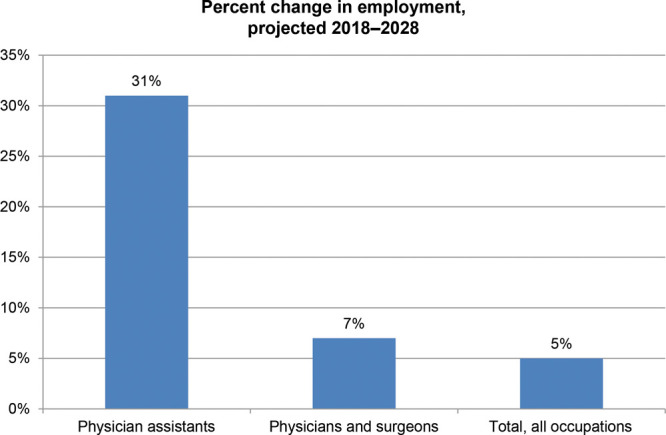
Reduction mammaplasty procedures were longer and accrued higher charges when first-assisted by a surgical resident than by a PA. Although Graduate Medical Education programs are necessary to train the next generation of surgeons, they may result in unintended opportunity costs for teaching hospitals. Federal support to academic medical centers aims to cushion the cost of residential training, but is insufficient to compensate for resident inefficiency. Hospitals may consider incorporating PAs into the Graduate Medical Education paradigm to alleviate administrative burden, lower operational charges, and enhance resident training curricula.
研究生医学教育(GME)项目对于培养未来的整形外科医生至关重要。然而,其成本效益尚未得到具体分析。本队列质量改进(QI)项目旨在通过比较青少年缩乳术中住院医师与医师助理(PA)首次协助手术时的手术时间和手术费用差异,来衡量机构在培训外科住院医师时承担的间接成本。
对2013年至2019年期间由住院医师或医师助理首次协助的青少年双侧缩乳术进行分析。回顾性收集财务数据,包括所有医院和医生支出、手术时长、患者人口统计学数据及结果数据。
共纳入49例缩乳术病例进行分析。住院医师平均有5.9±1.5年的毕业后外科培训经历,而医师助理有2年外科经验。由外科住院医师首次协助的手术平均/中位数比由医师助理首次协助的手术分别长34分钟,费用高3750美元(两者均P<0.01)。
青少年缩乳术由外科住院医师首次协助时,手术时间更长,费用更高。虽然研究生医学教育项目对于培养下一代外科医生是必要的,但它们可能给教学医院带来意外的机会成本。联邦对学术医疗中心的支持旨在减轻住院医师培训的成本,但不足以弥补住院医师的低效率。医院可考虑将医师助理纳入研究生医学教育模式,以减轻管理负担、降低运营费用并加强住院医师培训课程。