H. Lee Moffitt Cancer Center, Tampa, FL.
Wistar Institute, Philadelphia, PA.
J Exp Med. 2021 Apr 5;218(4). doi: 10.1084/jem.20201803.
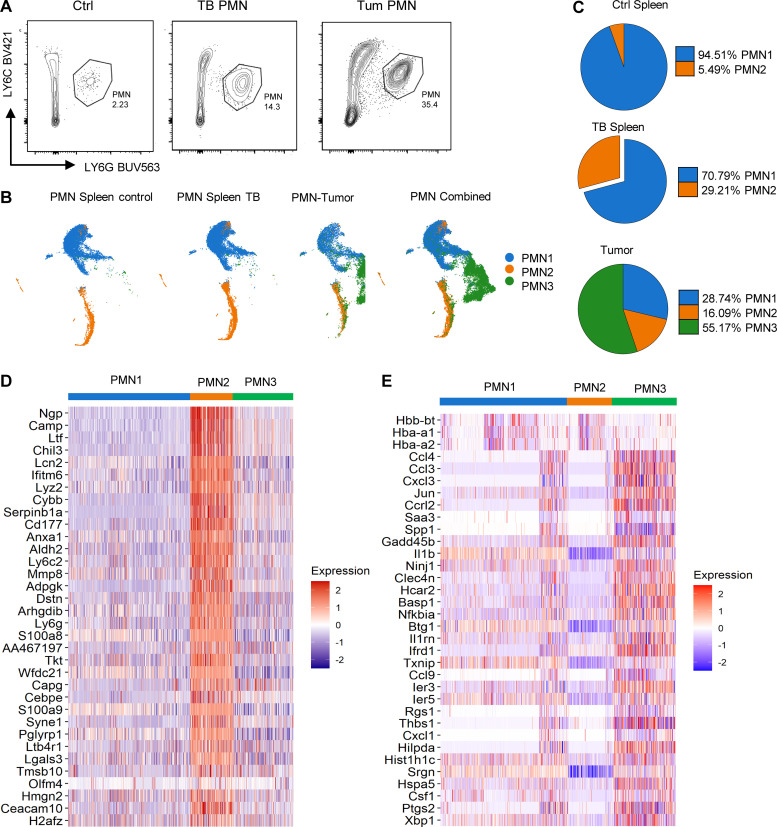
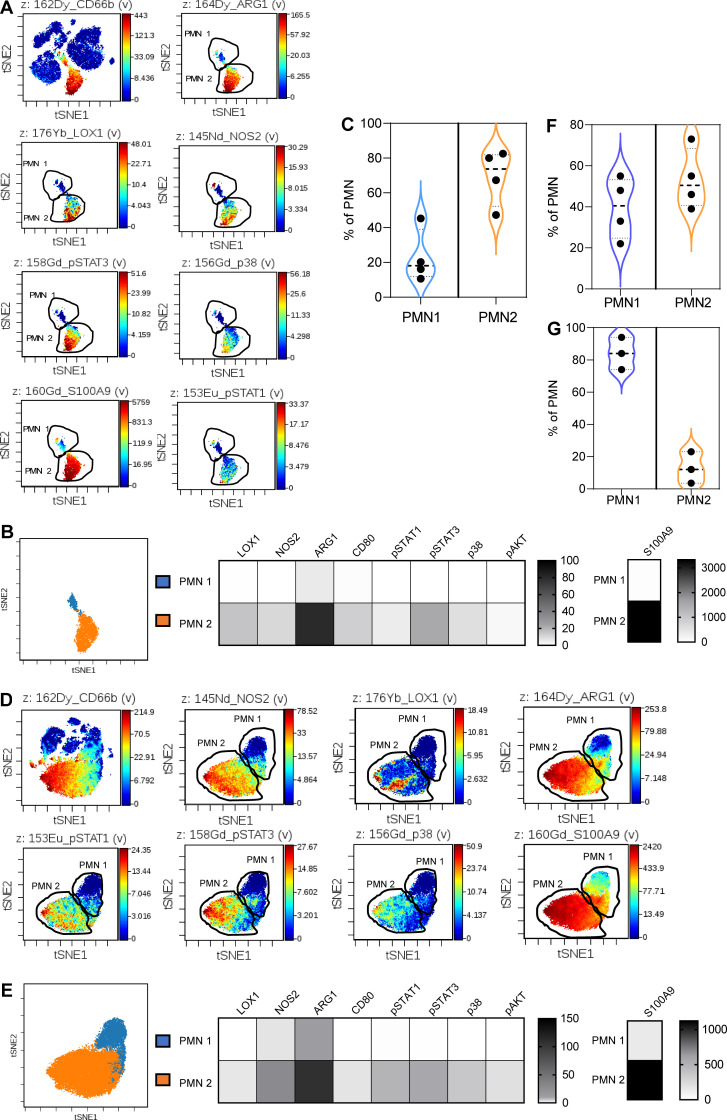
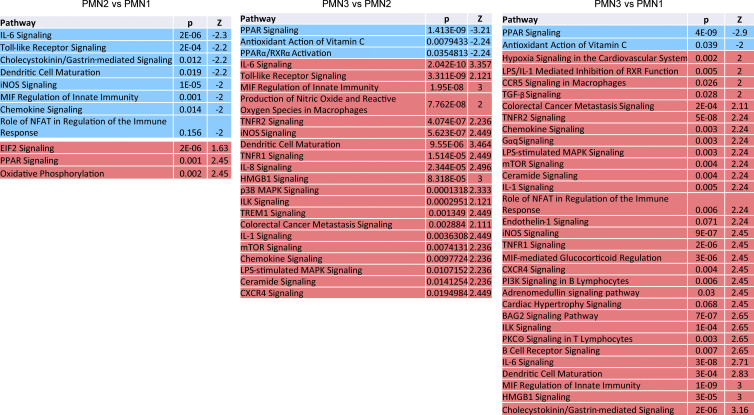
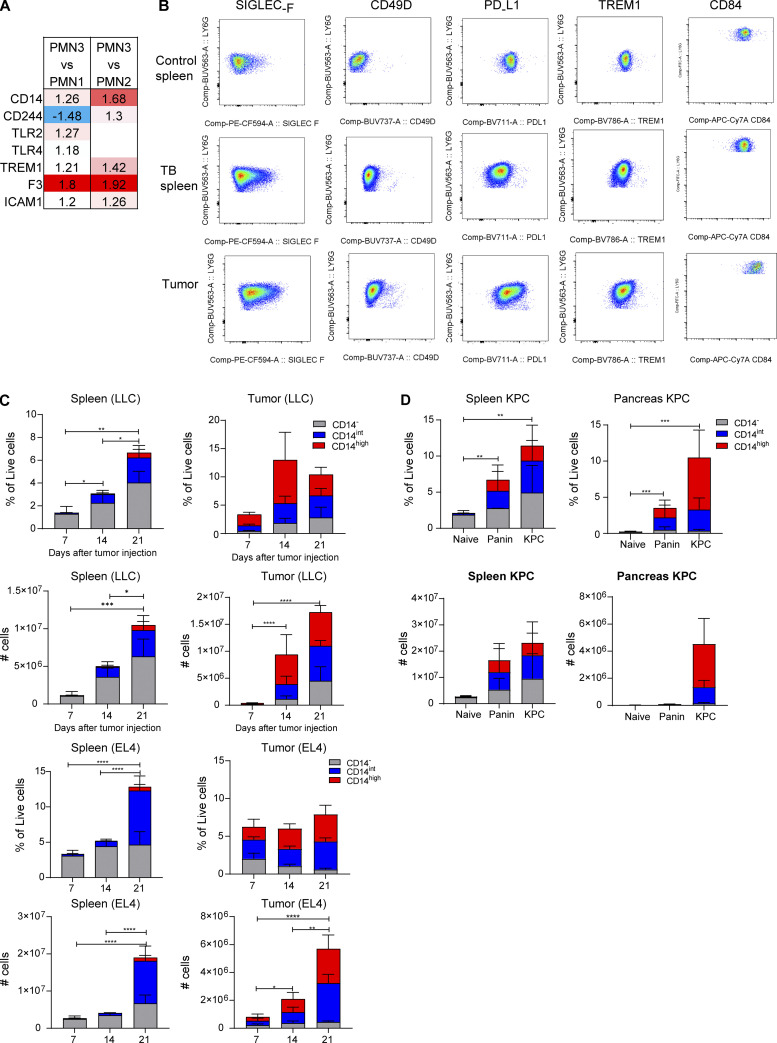
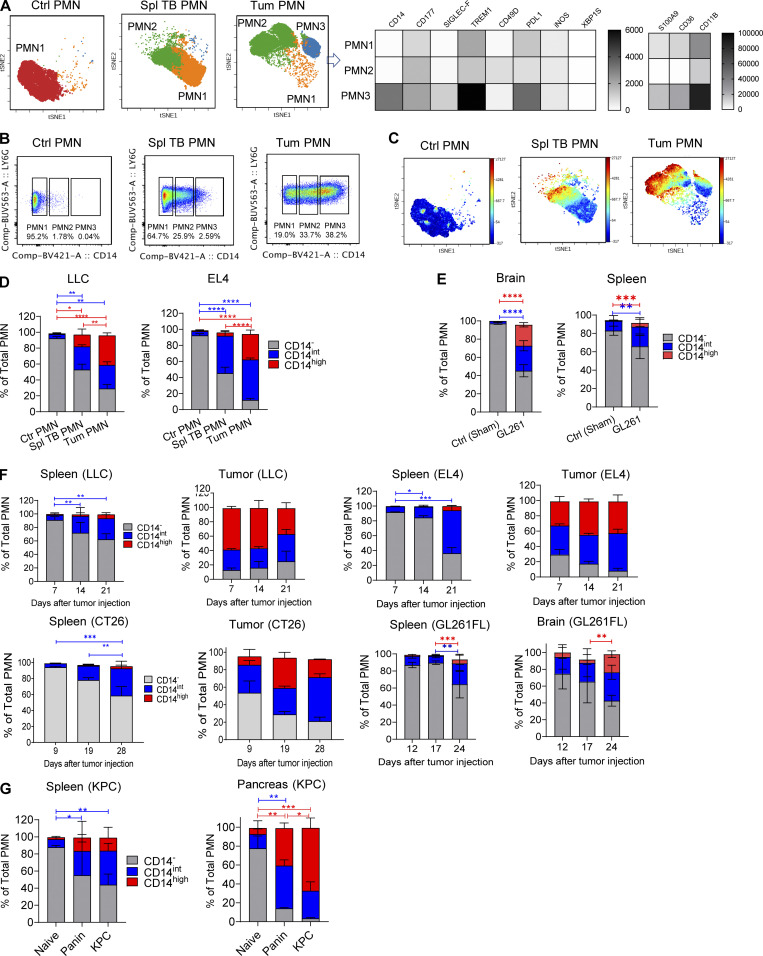
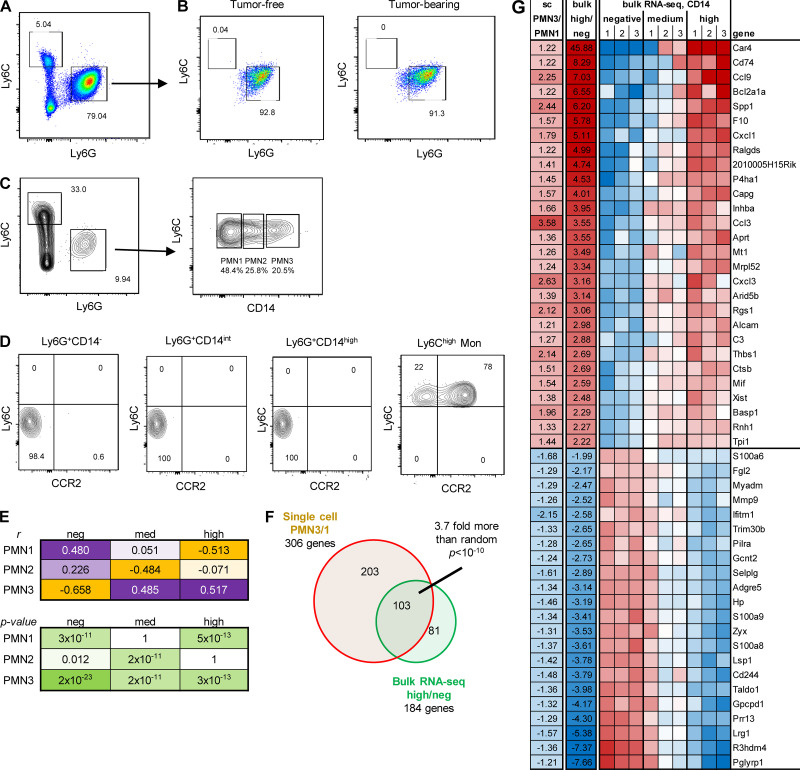
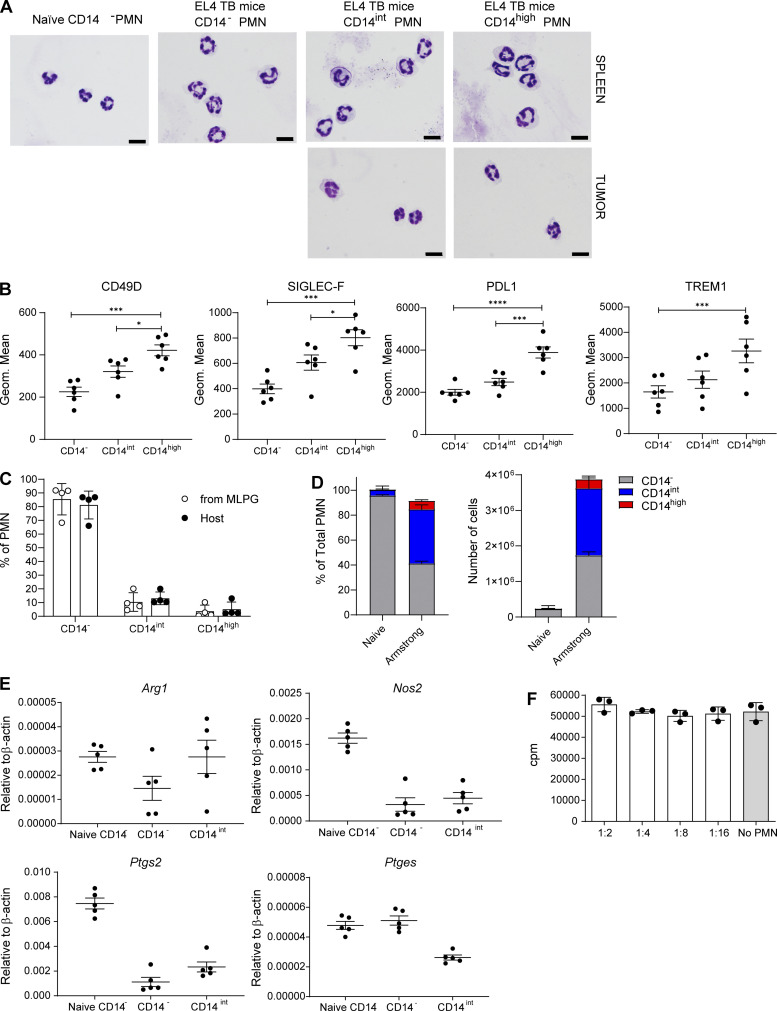
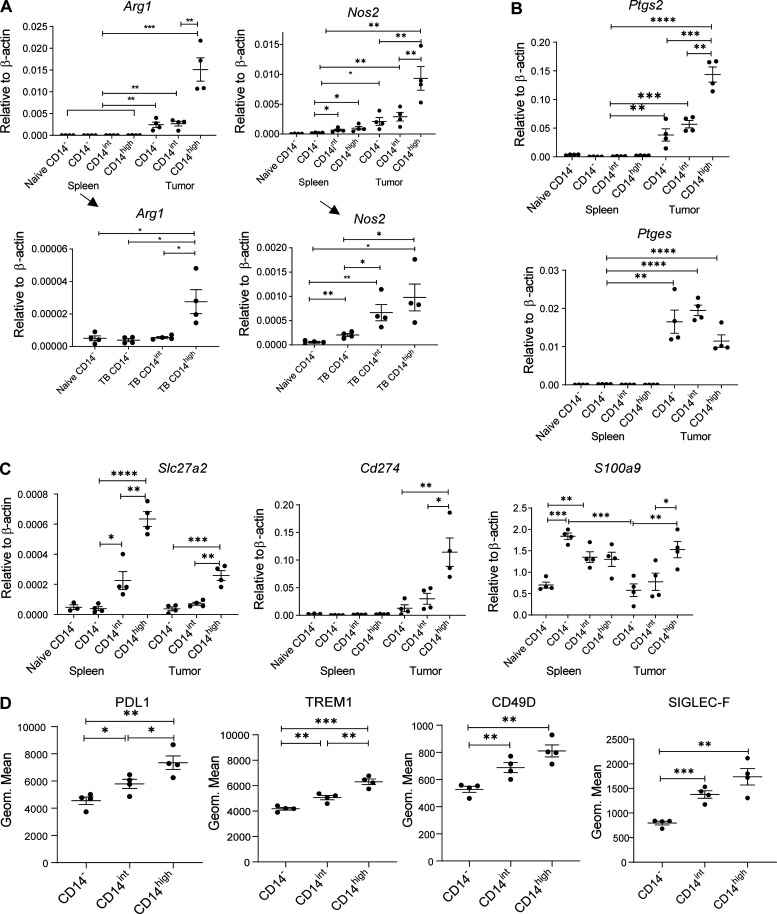
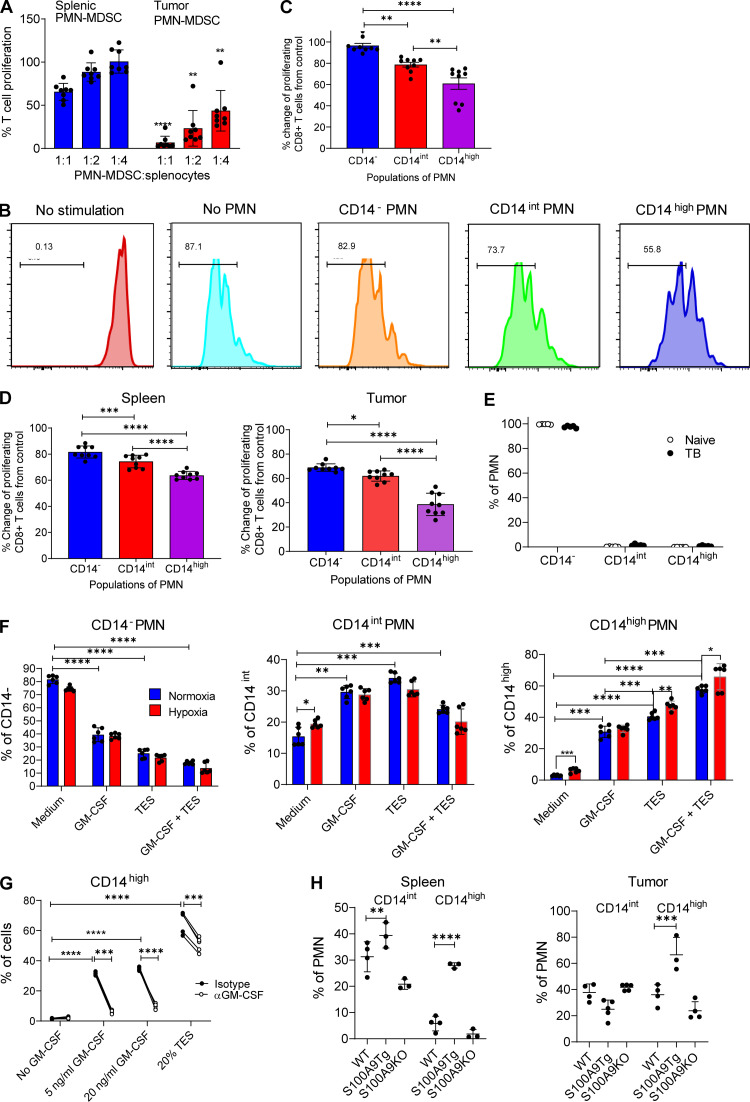
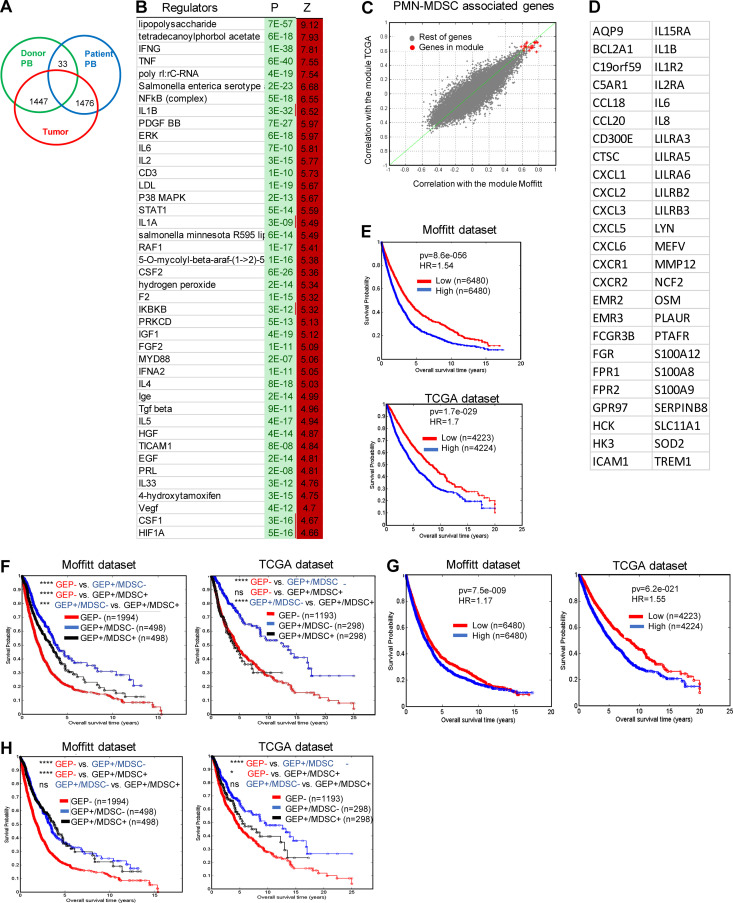
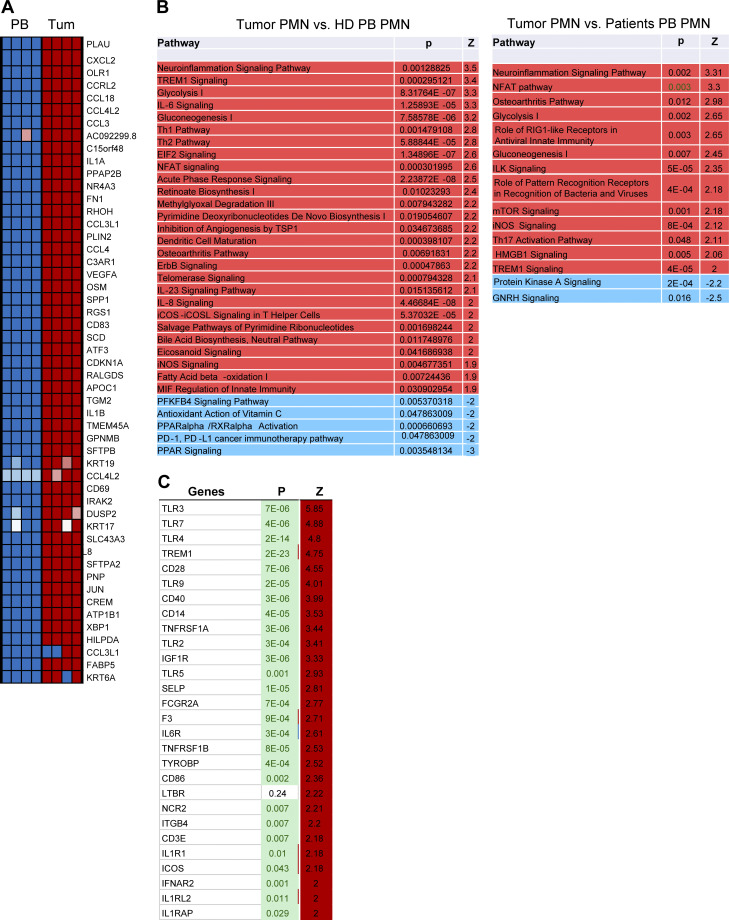
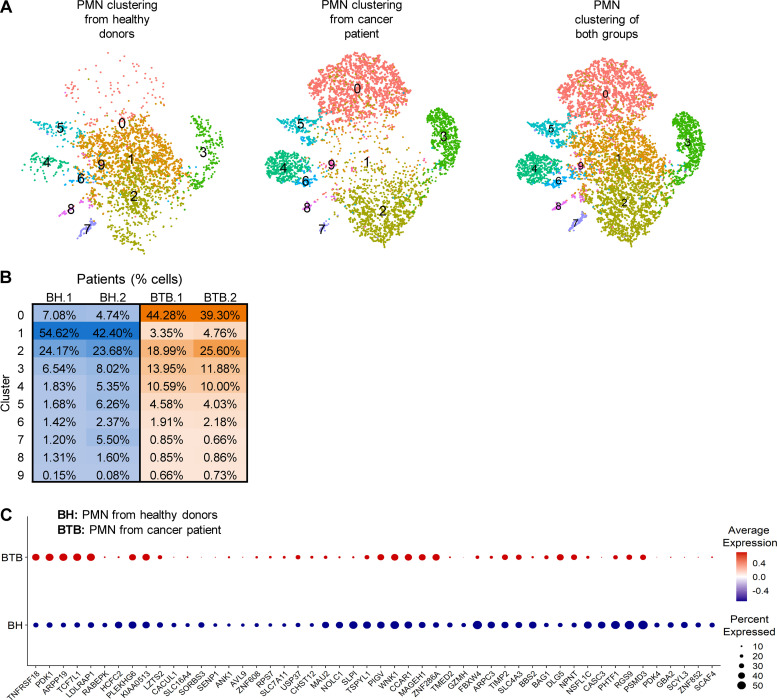
In this study, using single-cell RNA-seq, cell mass spectrometry, flow cytometry, and functional analysis, we characterized the heterogeneity of polymorphonuclear neutrophils (PMNs) in cancer. We describe three populations of PMNs in tumor-bearing mice: classical PMNs, polymorphonuclear myeloid-derived suppressor cells (PMN-MDSCs), and activated PMN-MDSCs with potent immune suppressive activity. In spleens of mice, PMN-MDSCs gradually replaced PMNs during tumor progression. Activated PMN-MDSCs were found only in tumors, where they were present at the very early stages of the disease. These populations of PMNs in mice could be separated based on the expression of CD14. In peripheral blood of cancer patients, we identified two distinct populations of PMNs with characteristics of classical PMNs and PMN-MDSCs. The gene signature of tumor PMN-MDSCs was similar to that in mouse activated PMN-MDSCs and was closely associated with negative clinical outcome in cancer patients. Thus, we provide evidence that PMN-MDSCs are a distinct population of PMNs with unique features and potential for selective targeting opportunities.
在这项研究中,我们使用单细胞 RNA 测序、细胞质谱分析、流式细胞术和功能分析,对癌症中的多形核中性粒细胞 (PMN) 异质性进行了表征。我们描述了荷瘤小鼠中三种 PMN 群体:经典 PMN、多形核髓系来源的抑制细胞 (PMN-MDSC) 和具有强大免疫抑制活性的活化 PMN-MDSC。在小鼠脾脏中,PMN-MDSC 随着肿瘤进展逐渐取代 PMN。活化的 PMN-MDSC 仅在肿瘤中发现,且在疾病的早期阶段就存在。这些 PMN 群体可以基于 CD14 的表达进行分离。在癌症患者的外周血中,我们鉴定出两种具有经典 PMN 和 PMN-MDSC 特征的不同 PMN 群体。肿瘤 PMN-MDSC 的基因特征与小鼠活化 PMN-MDSC 相似,与癌症患者的不良临床结局密切相关。因此,我们提供了证据表明 PMN-MDSC 是具有独特特征和潜在选择性靶向机会的 PMN 独特群体。