Urbina Fabio L, Menon Shalini, Goldfarb Dennis, Edwards Reginald, Ben Major M, Brennwald Patrick, Gupton Stephanie L
Department of Cell Biology and Physiology, University of North Carolina at Chapel Hill, Chapel Hill, NC 27599, USA.
Department of Cell Biology and Physiology, University of North Carolina at Chapel Hill, Chapel Hill, NC 27599, USA; Lineberger Comprehensive Cancer Center, University of North Carolina at Chapel Hill, Chapel Hill, NC 27599, USA; Department of Cell Biology and Physiology, Washington University School of Medicine, St. Louis, MO 63110, USA; Institute for Informatics, Washington University in St. Louis, St. Louis, MO 63110, USA.
Cell Rep. 2021 Feb 9;34(6):108743. doi: 10.1016/j.celrep.2021.108743.
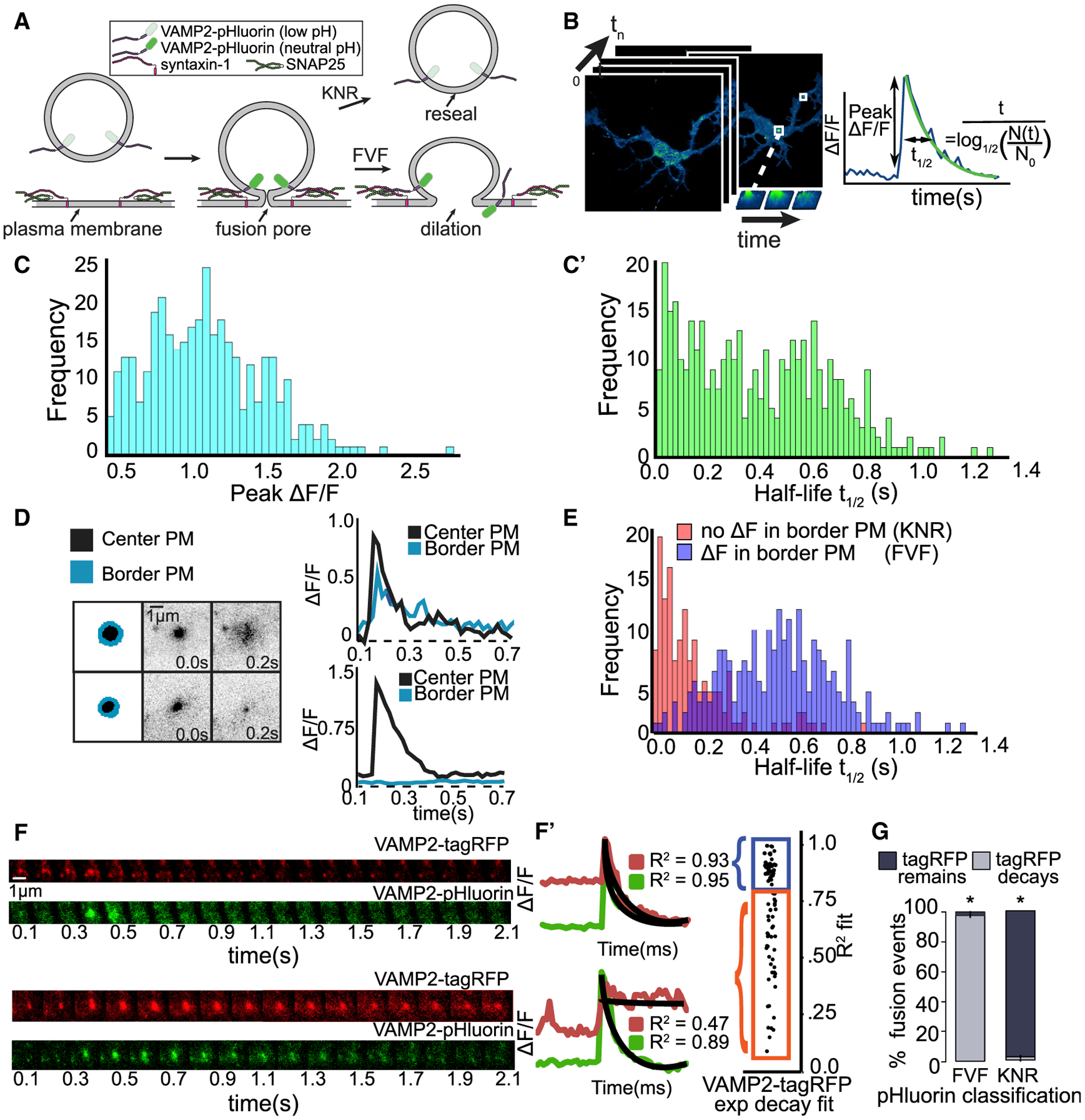
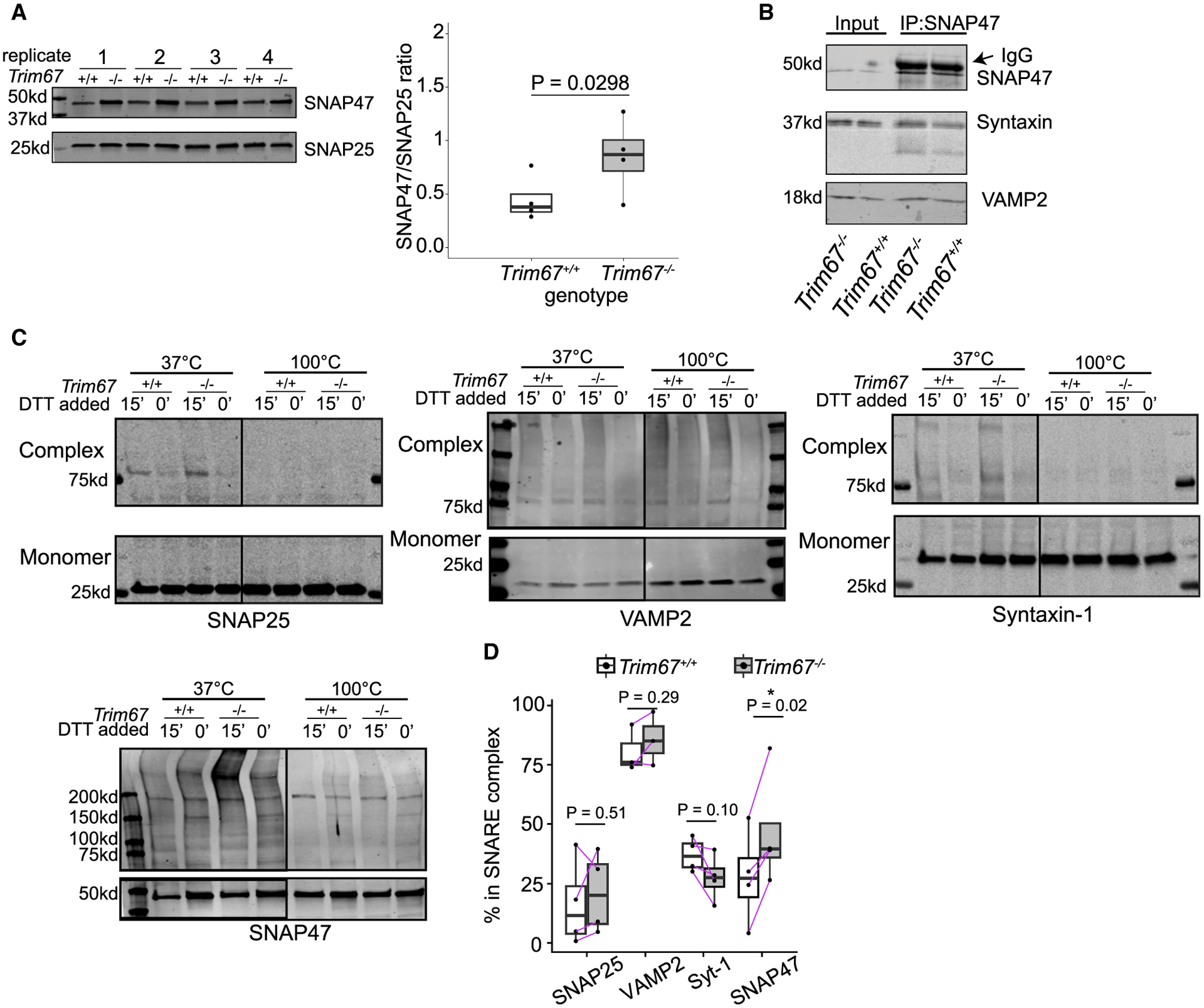
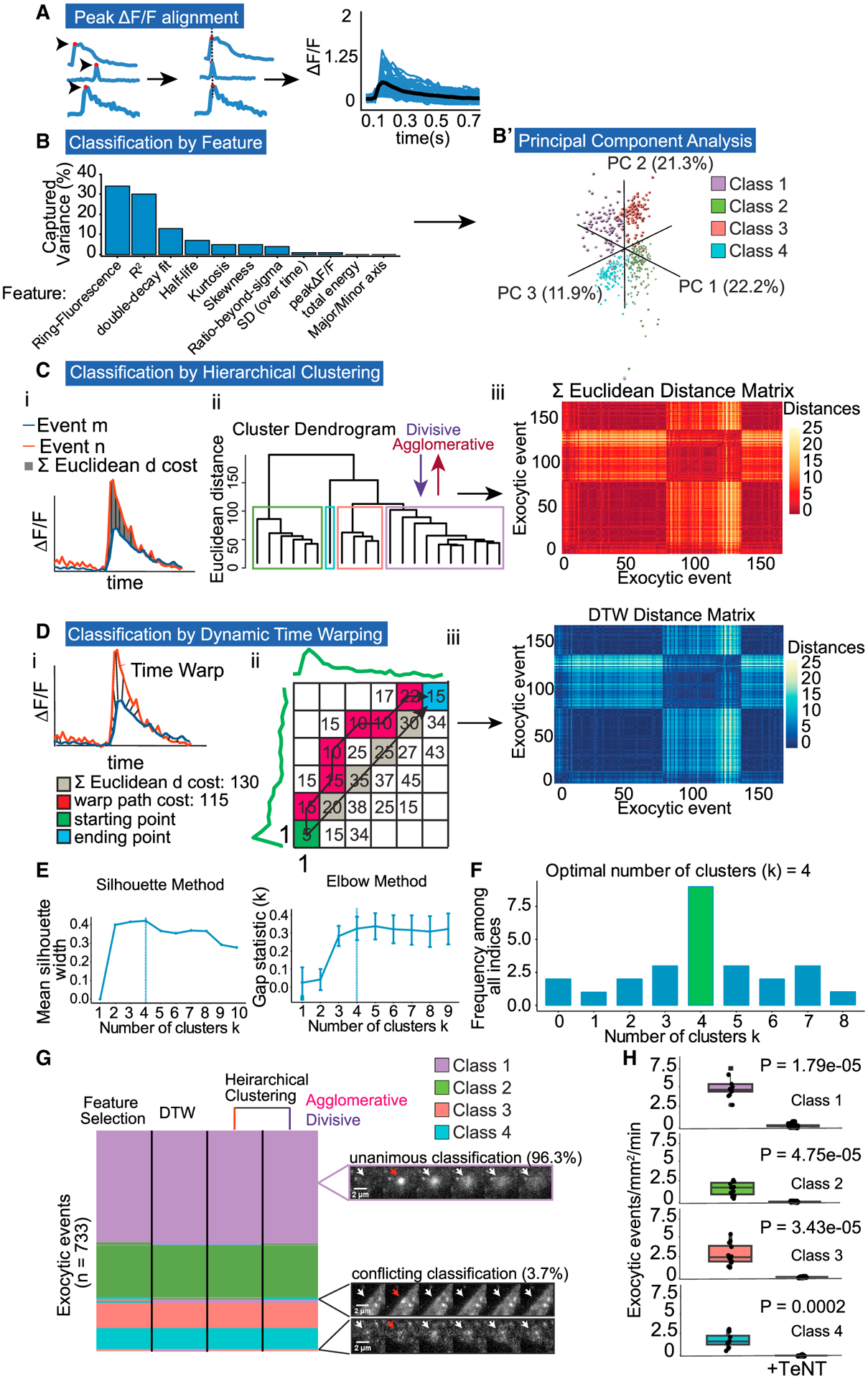
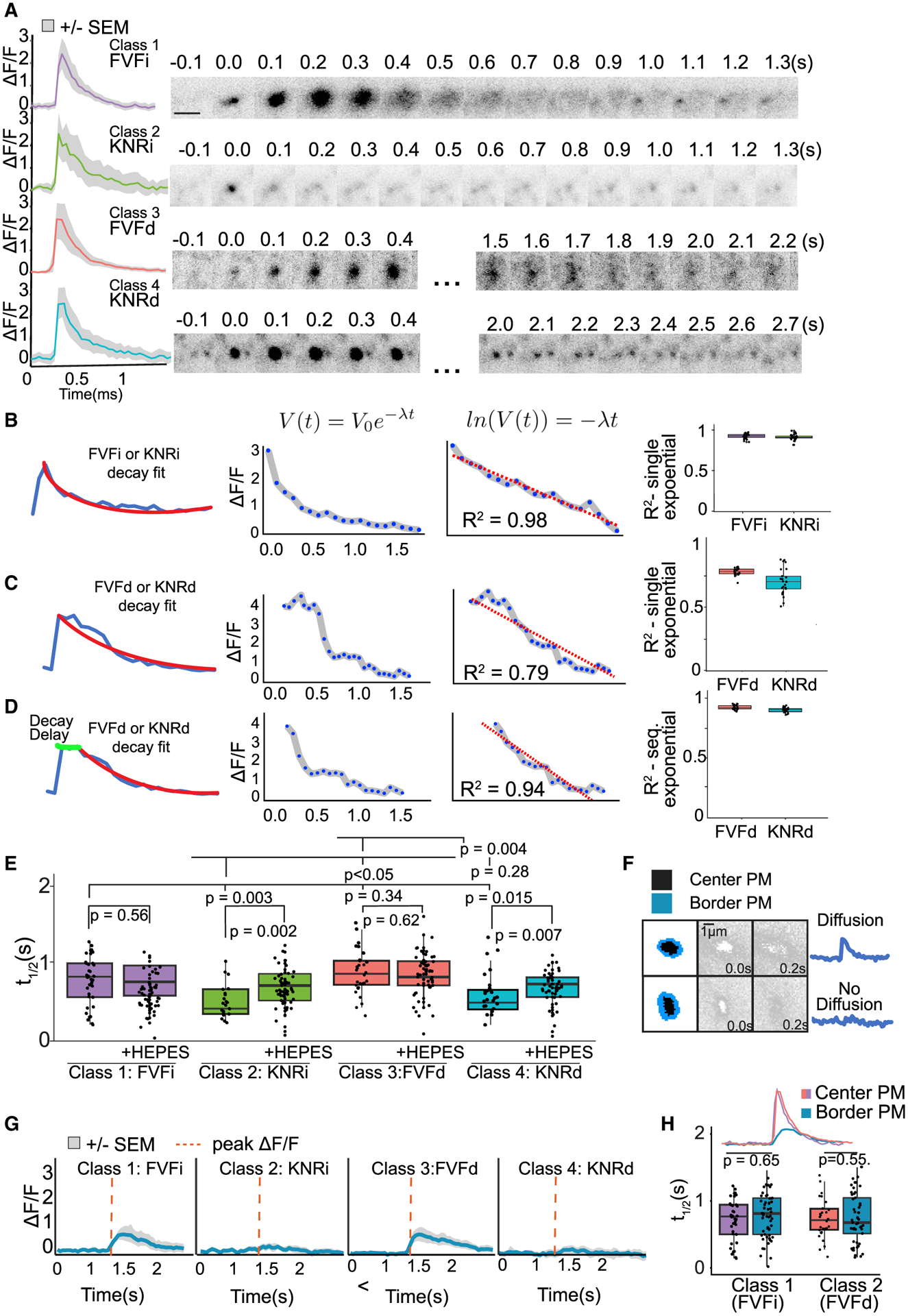
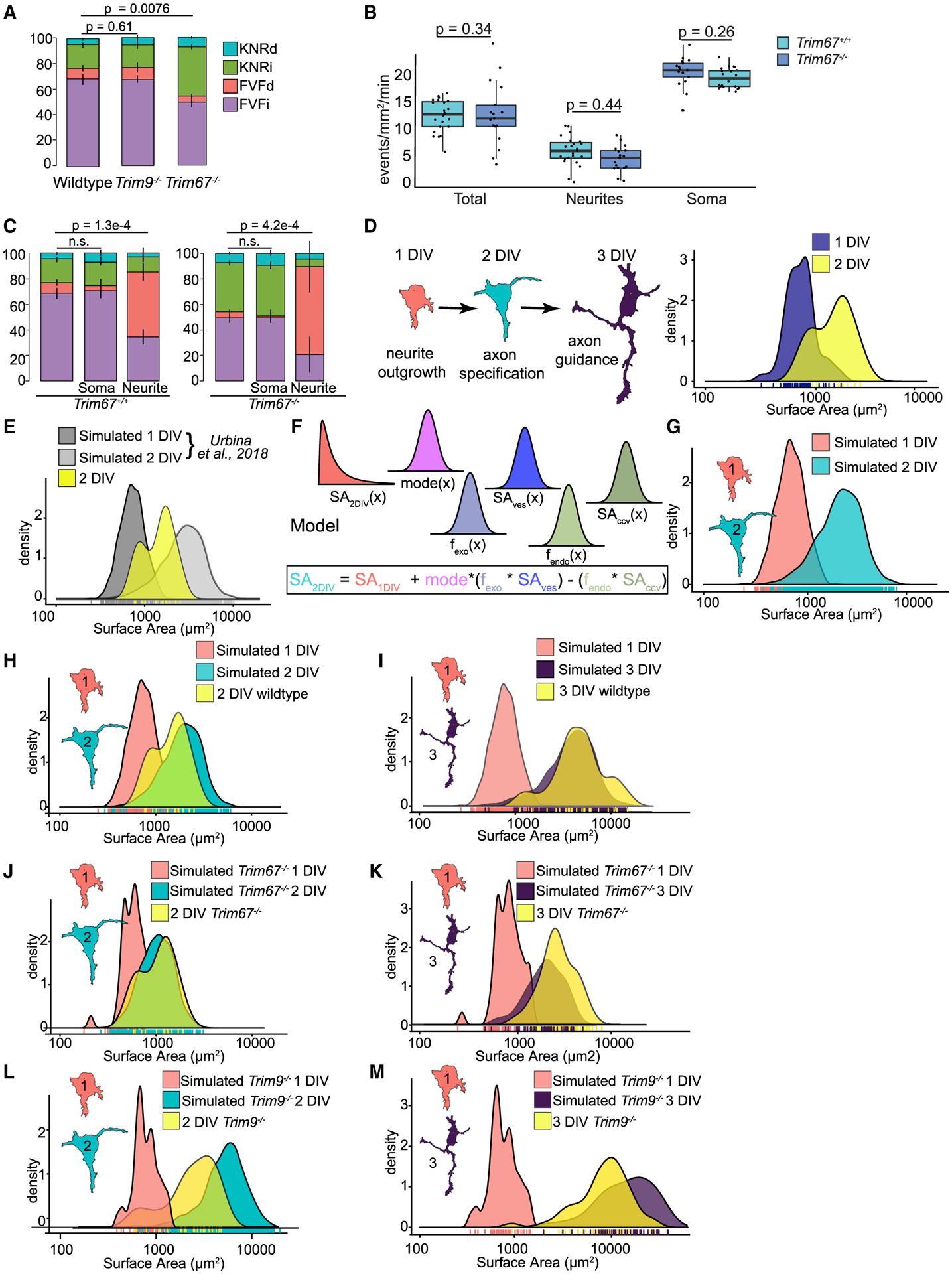
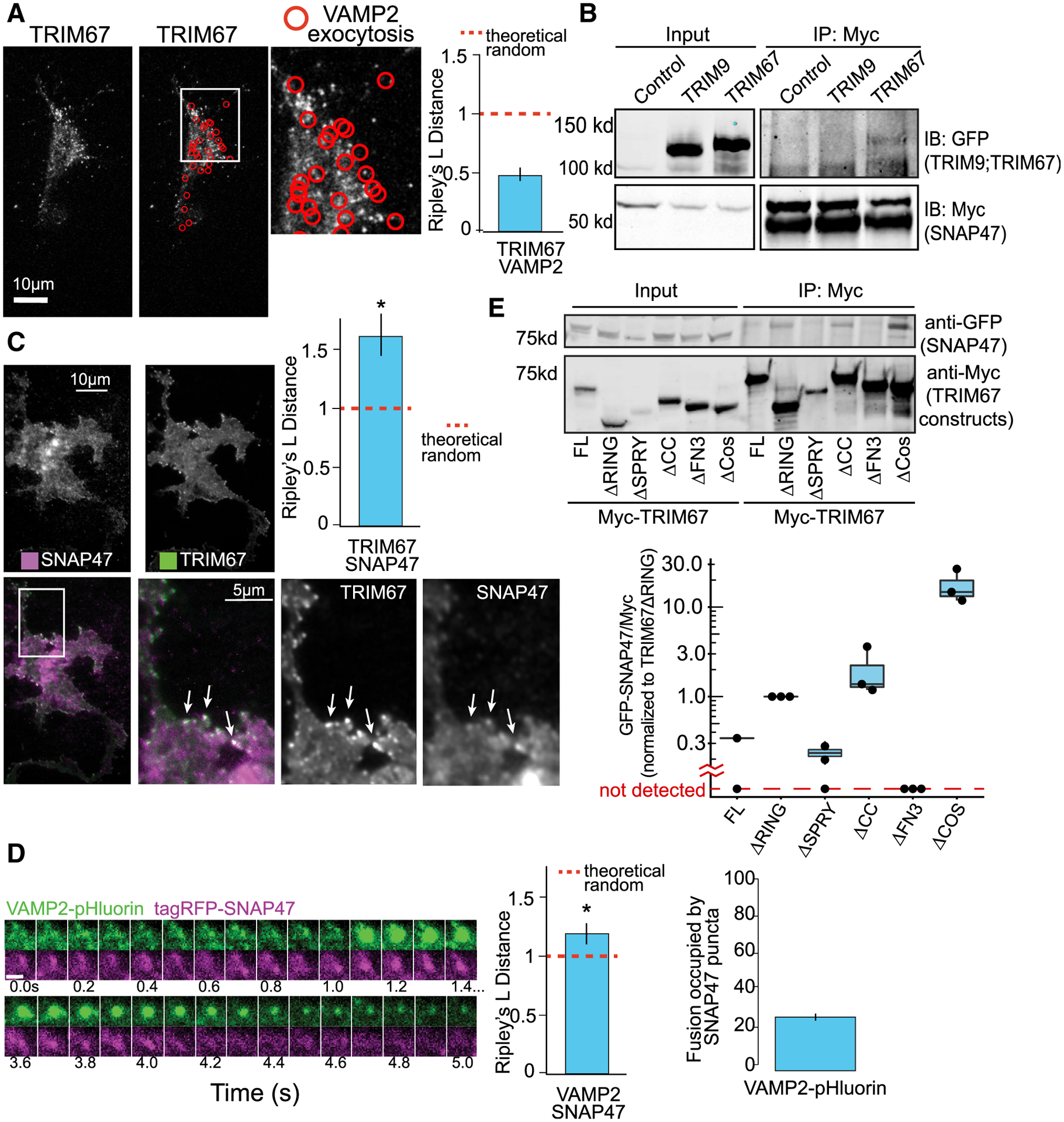
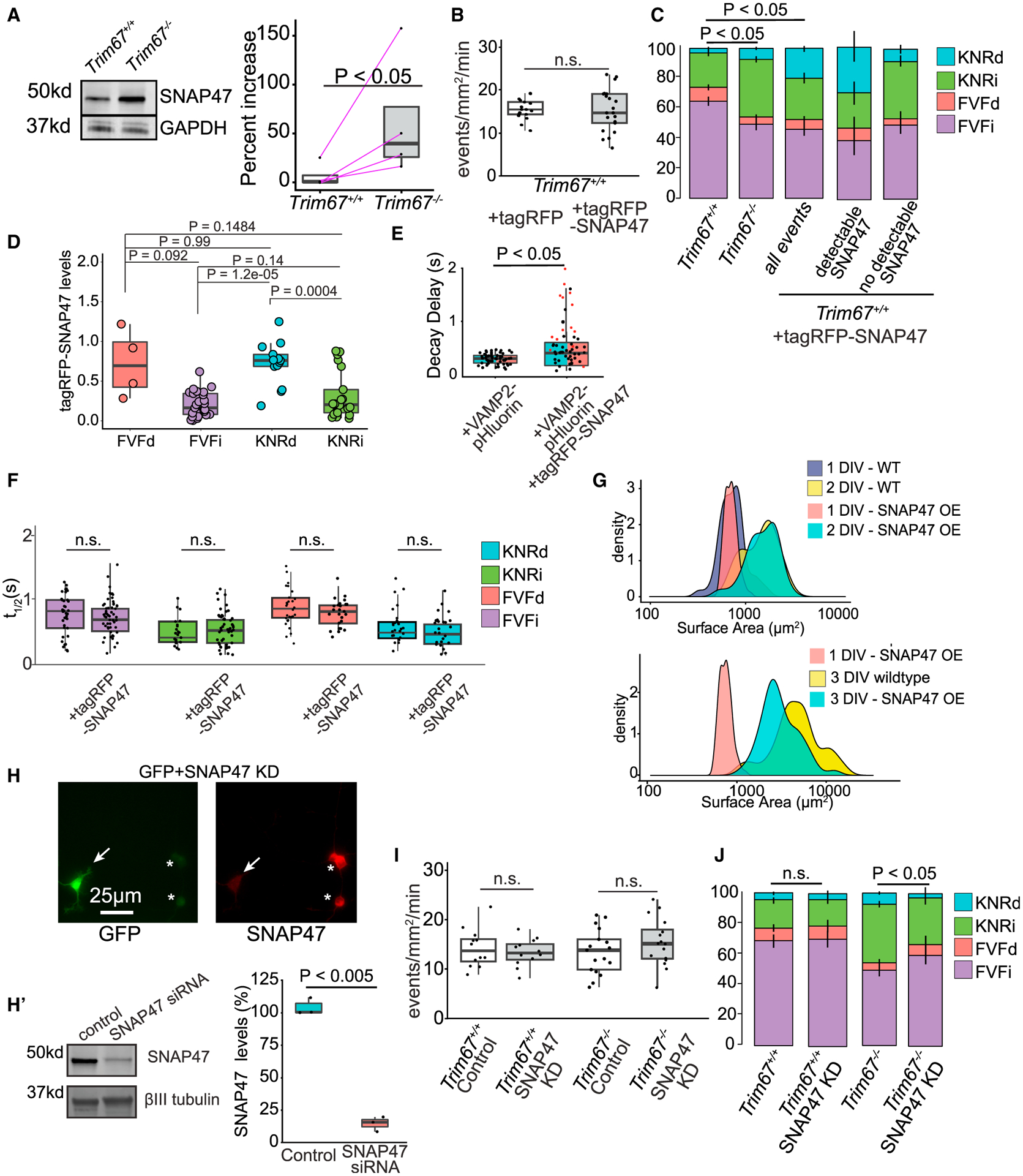
Neuronal morphogenesis involves dramatic plasma membrane expansion, fueled by soluble N-ethylmaleimide-sensitive factor attachment protein eceptors (SNARE)-mediated exocytosis. Distinct fusion modes described at synapses include full-vesicle fusion (FVF) and kiss-and-run fusion (KNR). During FVF, lumenal cargo is secreted and vesicle membrane incorporates into the plasma membrane. During KNR, a transient fusion pore secretes cargo but closes without membrane addition. In contrast, fusion modes are not described in developing neurons. Here, we resolve individual exocytic events in developing murine cortical neurons and use classification tools to identify four distinguishable fusion modes: two FVF-like modes that insert membrane material and two KNR-like modes that do not. Discrete fluorescence profiles suggest distinct behavior of the fusion pore. Simulations and experiments agree that FVF-like exocytosis provides sufficient membrane material for morphogenesis. We find the E3 ubiquitin ligase TRIM67 promotes FVF-like exocytosis in part by limiting incorporation of the Qb/Qc SNARE SNAP47 into SNARE complexes and, thus, SNAP47 involvement in exocytosis.
神经元形态发生涉及显著的质膜扩张,这由可溶性N - 乙基马来酰亚胺敏感因子附着蛋白受体(SNARE)介导的胞吐作用提供动力。在突触处描述的不同融合模式包括全囊泡融合(FVF)和吻痕 - 跑融合(KNR)。在FVF过程中,腔内货物被分泌,囊泡膜并入质膜。在KNR过程中,一个瞬时融合孔分泌货物但在不添加膜的情况下关闭。相比之下,在发育中的神经元中尚未描述融合模式。在这里,我们解析了发育中的小鼠皮质神经元中的单个胞吐事件,并使用分类工具识别出四种可区分的融合模式:两种插入膜材料的FVF样模式和两种不插入膜材料的KNR样模式。离散的荧光图谱表明融合孔的行为不同。模拟和实验一致表明,FVF样胞吐作用为形态发生提供了足够的膜材料。我们发现E3泛素连接酶TRIM67部分通过限制Qb/Qc SNARE SNAP47掺入SNARE复合体,从而限制SNAP47参与胞吐作用,来促进FVF样胞吐作用。