Division of Endocrinology, University of Colorado School of Medicine, Aurora, Colorado, USA.
Division of Center for Women's Health Research, Department of Medicine, University of Colorado School of Medicine, Aurora, Colorado, USA.
J Physiol. 2022 Feb;600(4):963-978. doi: 10.1113/JP280603. Epub 2021 Mar 5.
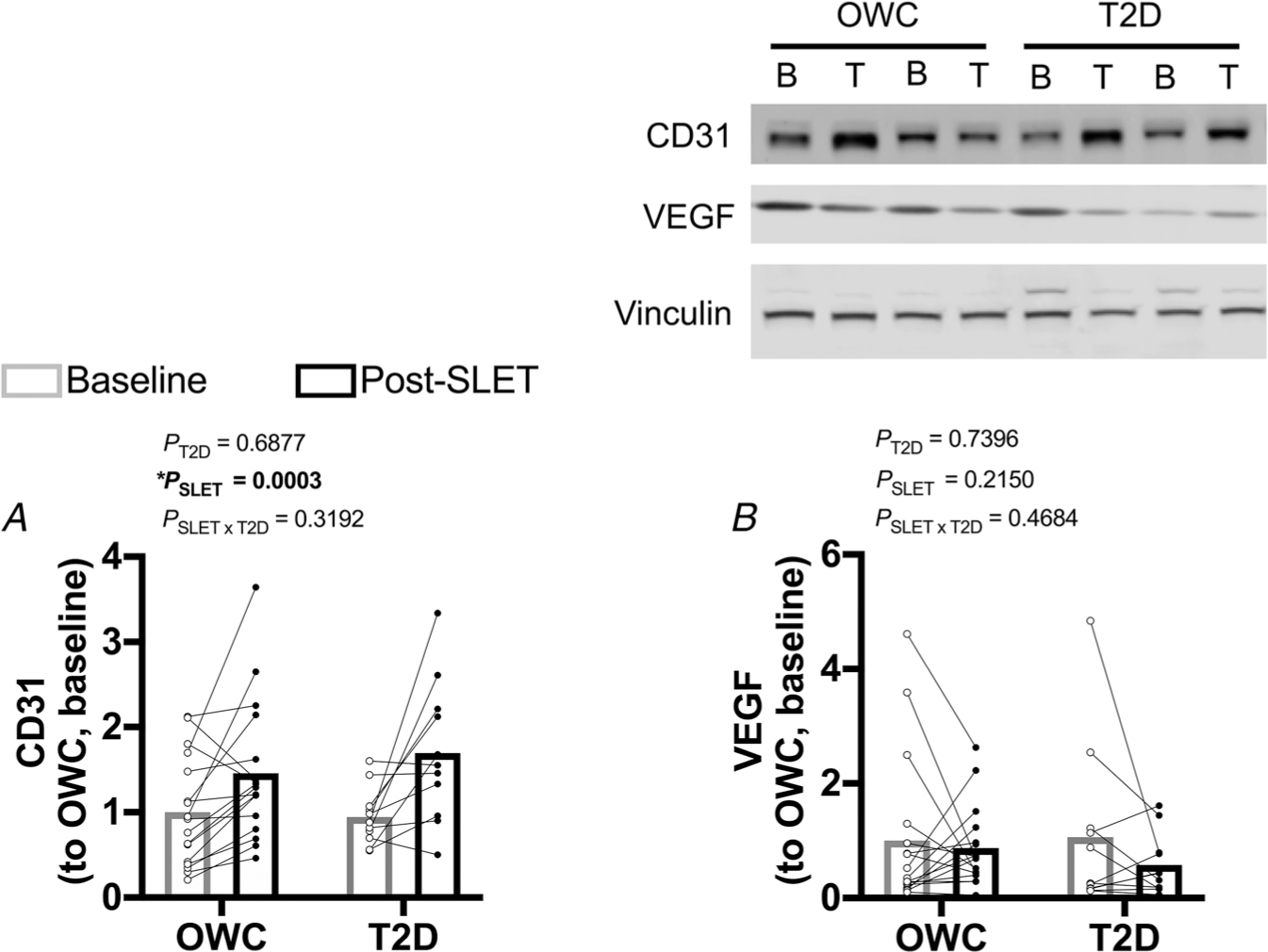
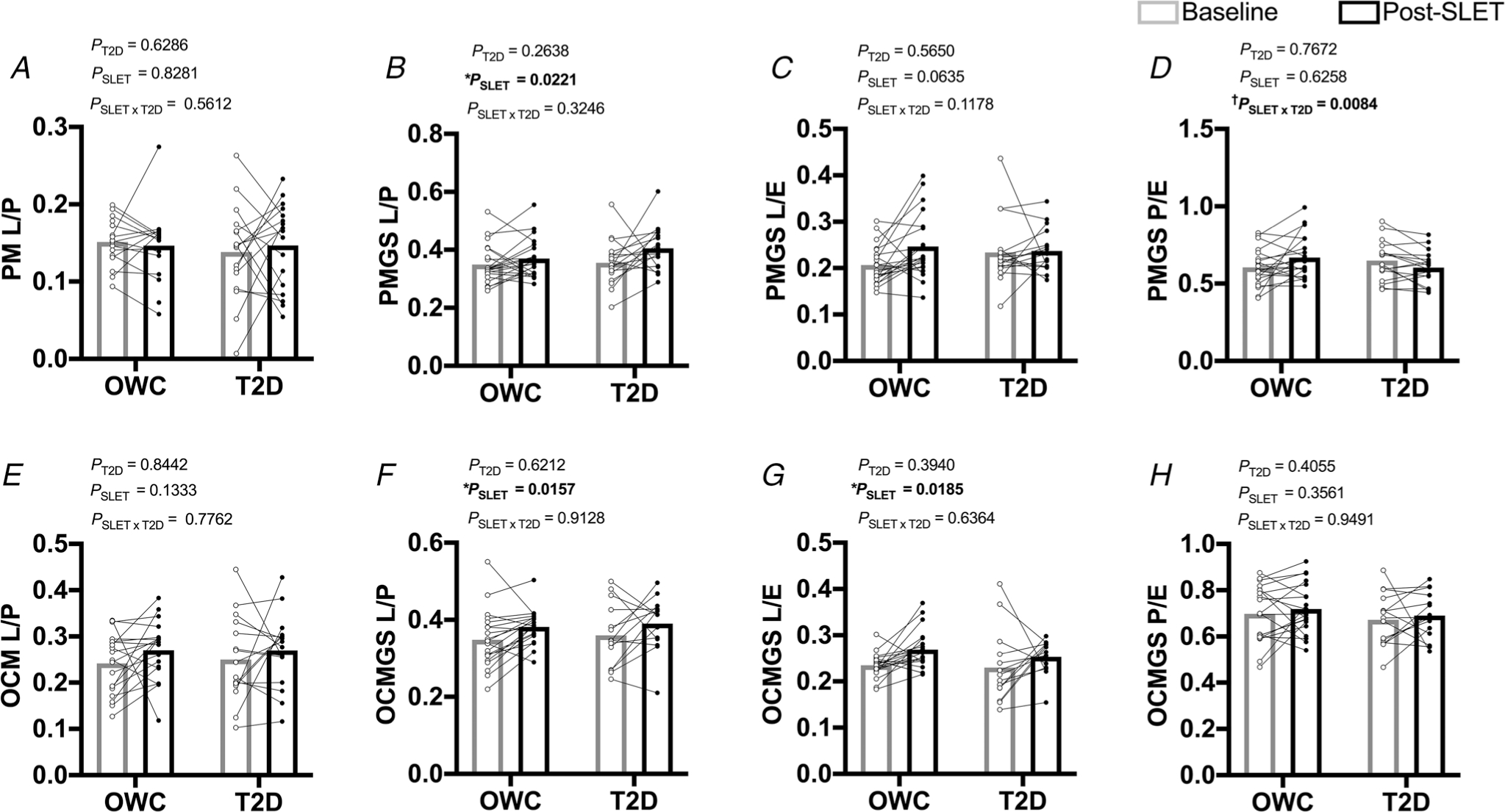
People with type 2 diabetes (T2D) have impaired skeletal muscle oxidative flux due to limited oxygen delivery. In the current study, this impairment in oxidative flux in people with T2D was abrogated with a single-leg exercise training protocol. Additionally, single-leg exercise training increased skeletal muscle CD31 content, calf blood flow and state 4 mitochondrial respiration in all participants.
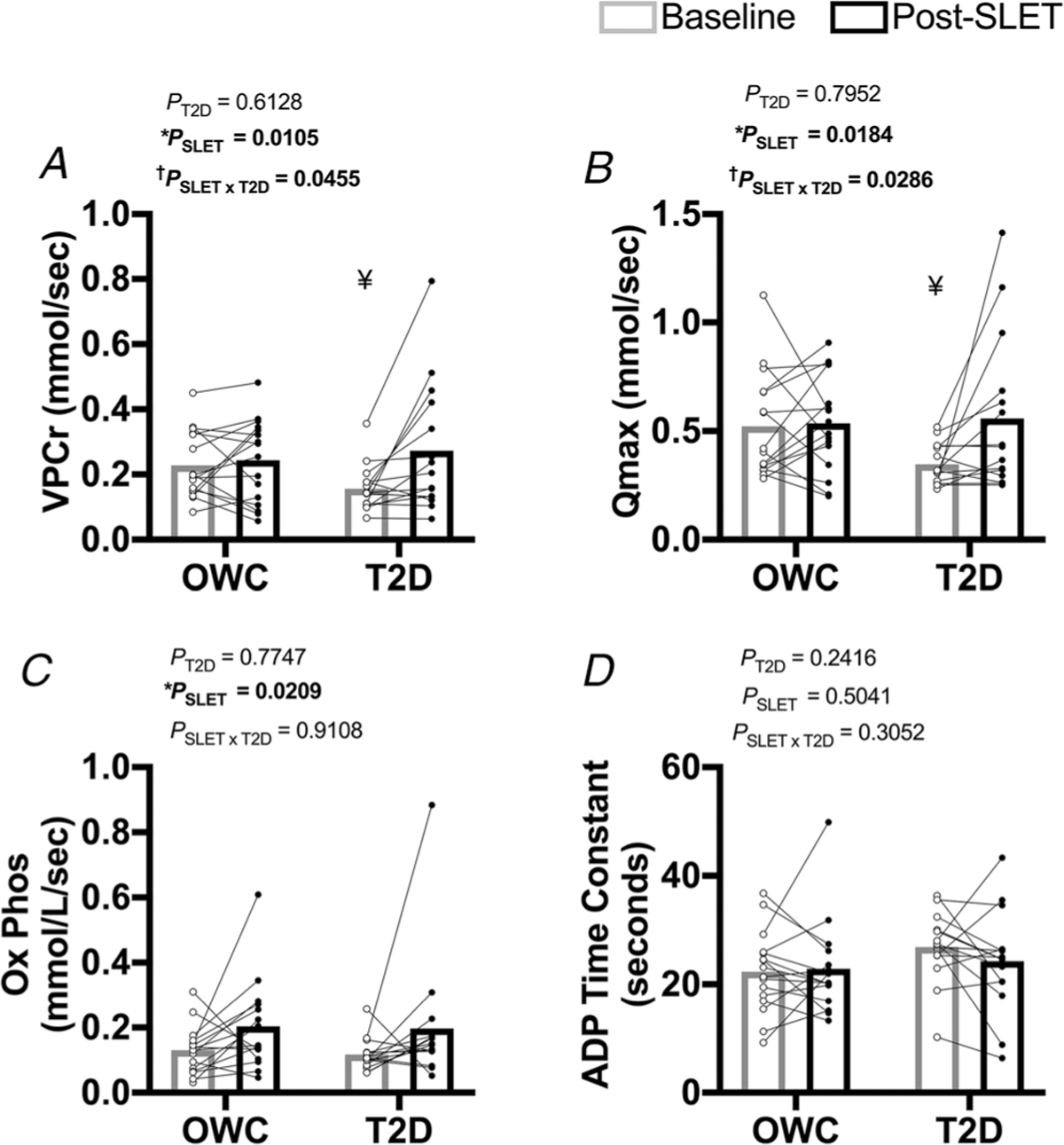
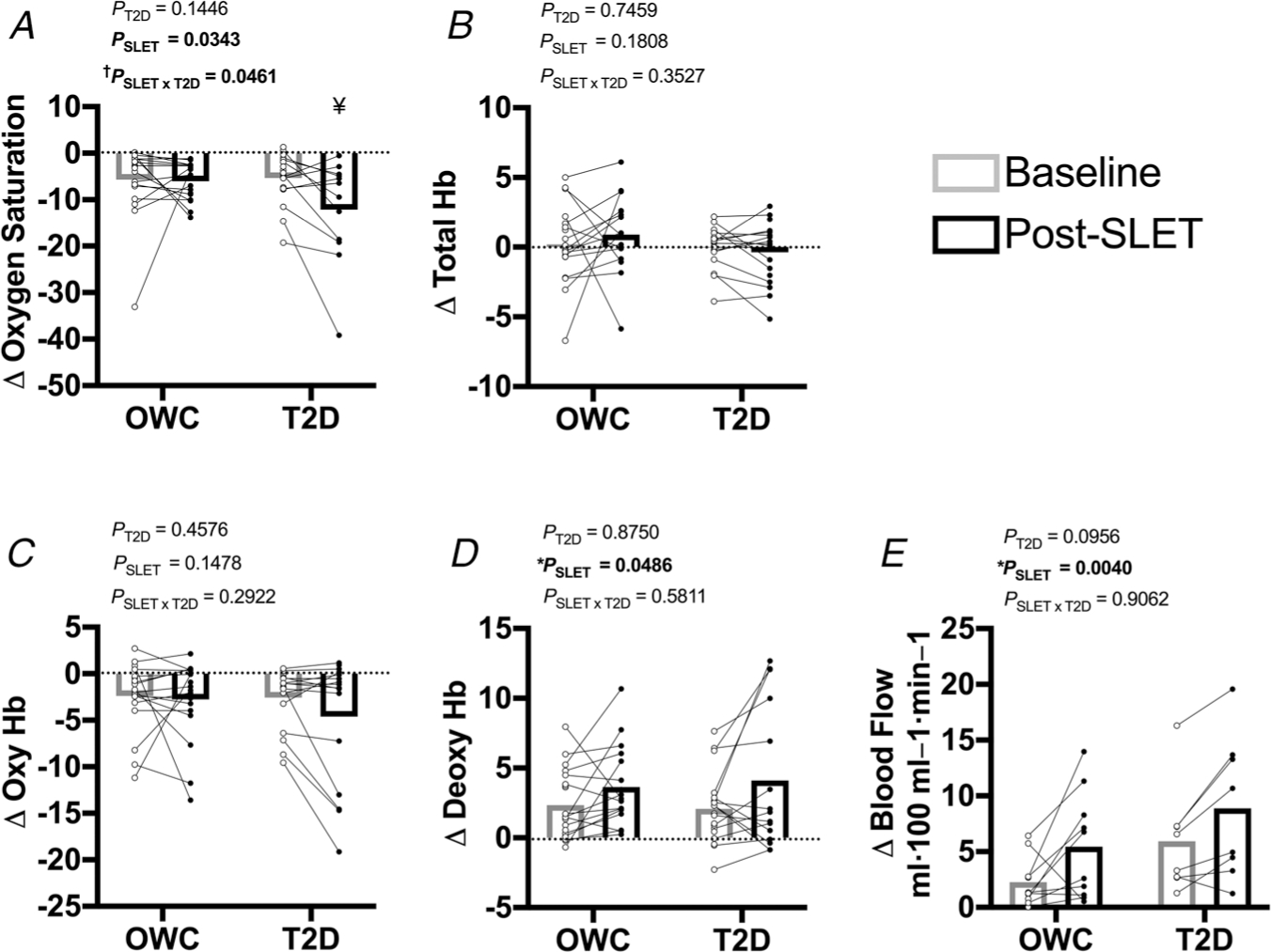
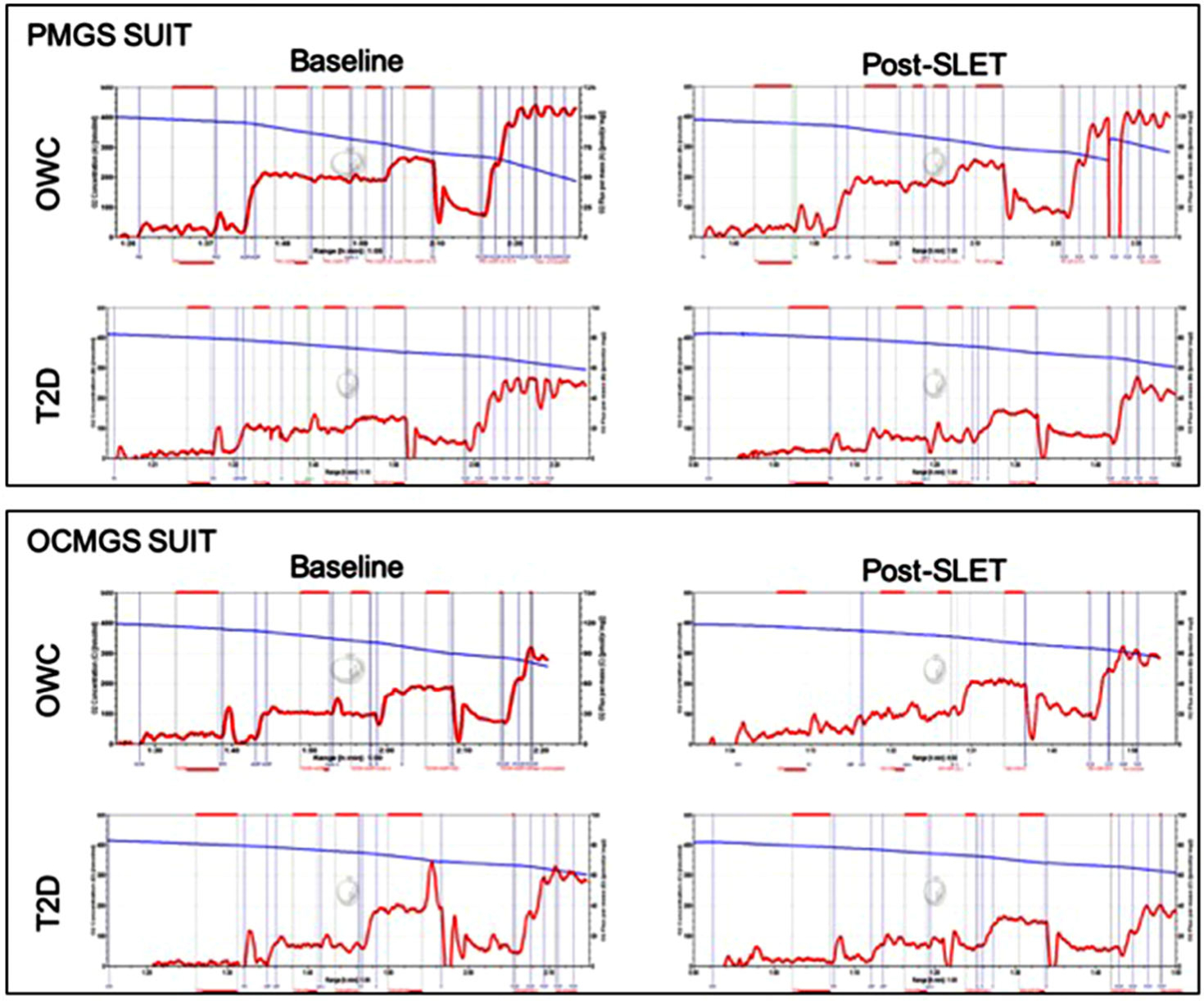
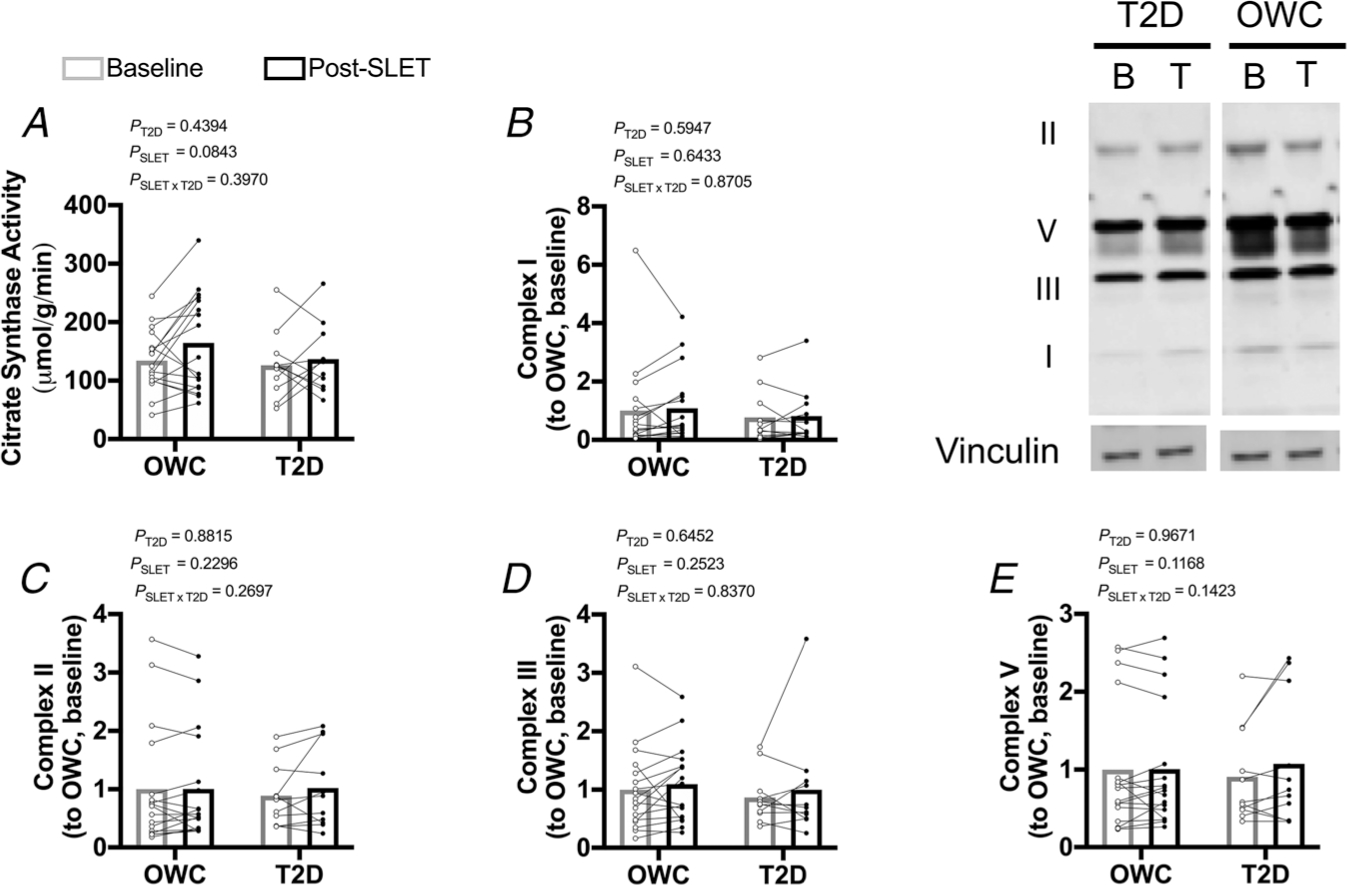
Cardiorespiratory fitness is impaired in type 2 diabetes (T2D), conferring significant cardiovascular risk in this population; interventions are needed. Previously, we reported that a T2D-associated decrement in skeletal muscle oxidative flux is ameliorated with acute use of supplemental oxygen, suggesting that skeletal muscle oxygenation is rate-limiting to in vivo mitochondrial oxidative flux during exercise in T2D. We hypothesized that single-leg exercise training (SLET) would improve the T2D-specific impairment in in vivo mitochondrial oxidative flux during exercise. Adults with (n = 19) and without T2D (n = 22) with similar body mass indexes and levels of physical activity participated in two weeks of SLET. Following SLET, in vivo oxidative flux measured by P-MRS increased in participants with T2D, but not people without T2D, measured by the increase in initial phosphocreatine synthesis (P = 0.0455 for the group × exercise interaction) and maximum rate of oxidative ATP synthesis (P = 0.0286 for the interaction). Additionally, oxidative phosphorylation increased in all participants with SLET (P = 0.0209). After SLET, there was no effect of supplemental oxygen on any of the in vivo oxidative flux measurements in either group (P > 0.02), consistent with resolution of the T2D-associated oxygen limitation previously observed at baseline in subjects with T2D. State 4 mitochondrial respiration also improved in muscle fibres ex vivo. Skeletal muscle vasculature content and calf blood flow increased in all participants with SLET (P < 0.0040); oxygen extraction in the calf increased only in T2D (P = 0.0461). SLET resolves the T2D-associated impairment of skeletal muscle in vivo mitochondrial oxidative flux potentially through improved effective blood flow/oxygen delivery.
2 型糖尿病(T2D)患者由于氧气输送受限,其骨骼肌氧化流量受损。在当前研究中,通过单腿运动训练方案可消除 T2D 患者氧化流量的这种损伤。此外,单腿运动训练增加了所有参与者的骨骼肌 CD31 含量、小腿血流量和状态 4 线粒体呼吸。
2 型糖尿病(T2D)患者的心肺功能受损,使该人群面临重大心血管风险;需要进行干预。此前,我们报告称,T2D 患者骨骼肌氧化流量的下降与急性补充氧气有关,这表明在 T2D 患者运动期间,骨骼肌的氧合作用是限制体内线粒体氧化流量的关键因素。我们假设单腿运动训练(SLET)将改善 T2D 患者在运动中体内线粒体氧化流量的特异性损伤。具有相似体重指数和身体活动水平的 T2D 患者(n=19)和非 T2D 患者(n=22)参加了两周的 SLET。SLET 后,通过初始磷酸肌酸合成(P=0.0455,组×运动交互作用)和最大氧化 ATP 合成率(P=0.0286,交互作用)的增加,T2D 患者的体内氧化流量通过 P-MRS 测量得到增加,而非 T2D 患者则没有增加(P=0.0455 对于组×运动的相互作用)。此外,SLET 后所有参与者的氧化磷酸化均增加(P=0.0209)。SLET 后,补充氧气对两组任何体内氧化流量测量均无影响(P>0.02),与之前在 T2D 患者基线时观察到的 T2D 相关氧气限制的解决情况一致。体外肌纤维的状态 4 线粒体呼吸也得到了改善。所有接受 SLET 的参与者的骨骼肌血管含量和小腿血流量均增加(P<0.0040);仅 T2D 患者的小腿氧提取增加(P=0.0461)。SLET 可能通过改善有效血流/氧气输送来解决 T2D 相关的骨骼肌体内线粒体氧化流量损伤。