Dipla Konstantina, Zafeiridis Andreas, Mintziori Gesthimani, Boutou Afroditi K, Goulis Dimitrios G, Hackney Anthony C
Laboratory of Exercise Physiology and Biochemistry, Department of Physical Education and Sports Science at Serres, Aristotle University of Thessaloniki, 621 22 Serres, Greece.
Unit of Reproductive Endocrinology, First Department of Obstetrics and Gynecology, School of Medicine, Aristotle University of Thessaloniki, "Papageorgiou" General Hospital, 56429 Thessaloniki, Greece.
Endocrines. 2021 Jun;2(2):65-78. doi: 10.3390/endocrines2020007. Epub 2021 Mar 26.
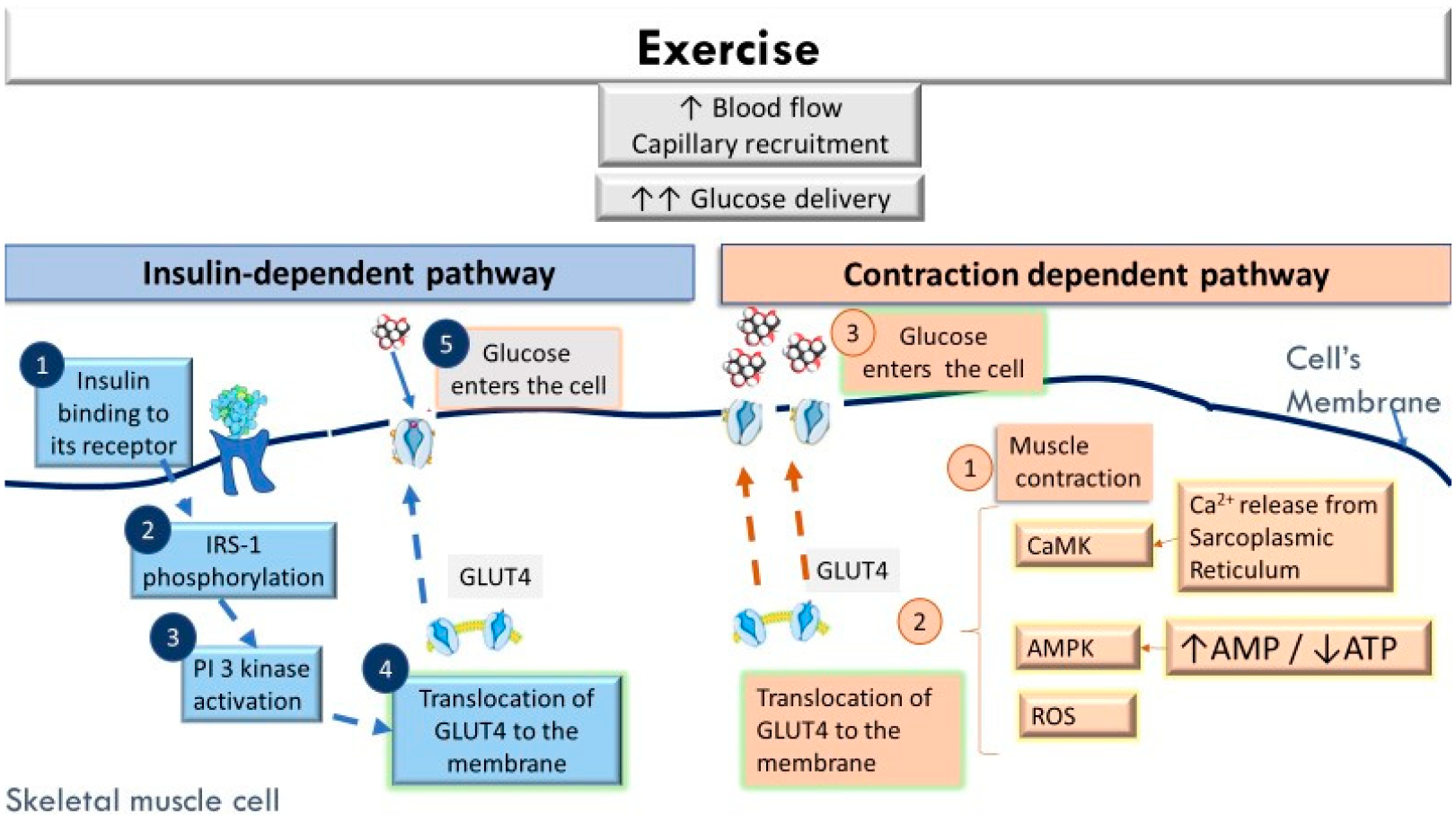
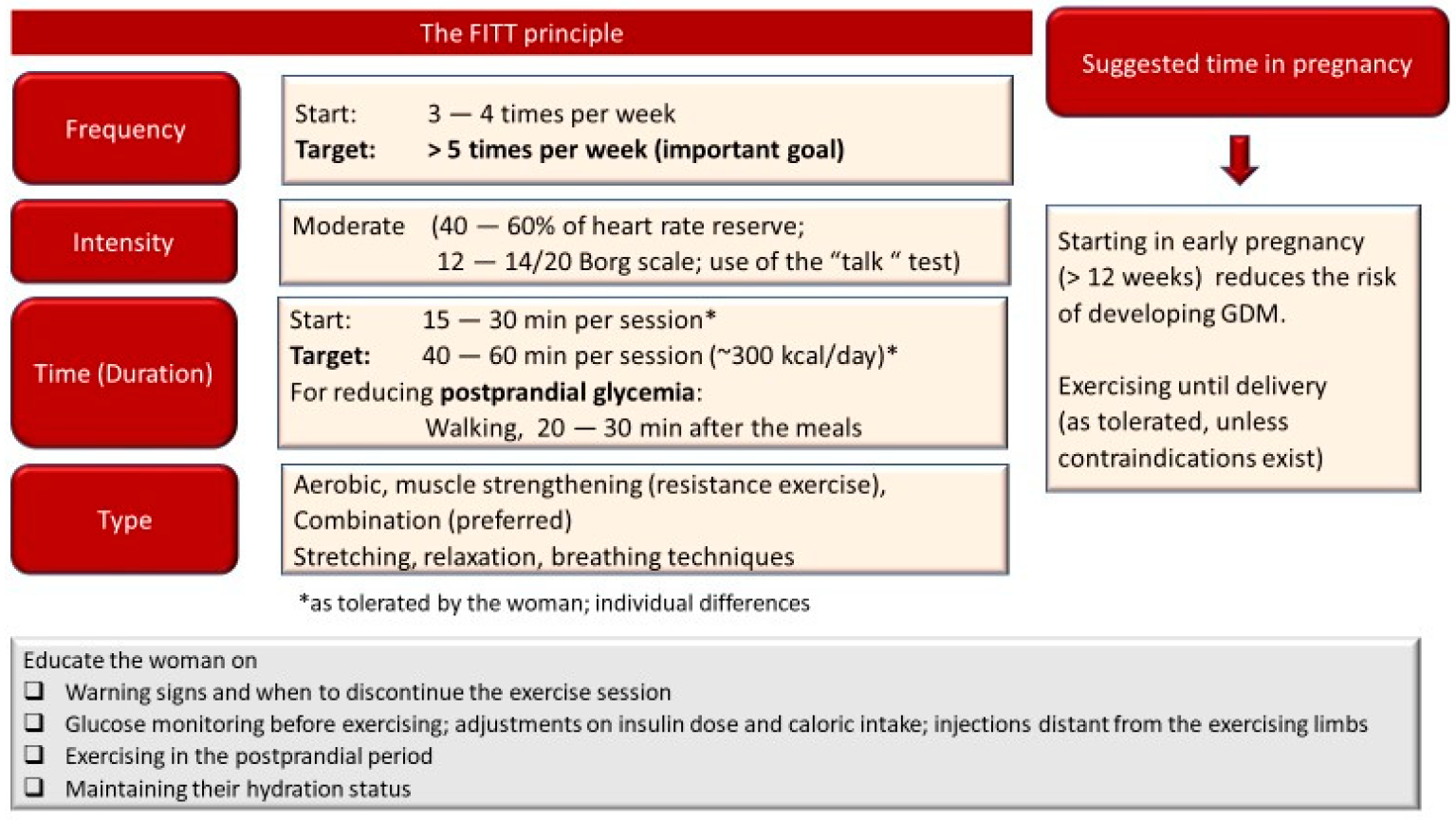
Gestational Diabetes Mellitus (GDM) is defined as any degree of glucose intolerance with onset or first recognition during pregnancy. Regular exercise is important for a healthy pregnancy and can lower the risk of developing GDM. For women with GDM, exercise is safe and can affect the pregnancy outcomes beneficially. A single exercise bout increases skeletal muscle glucose uptake, minimizing hyperglycemia. Regular exercise training promotes mitochondrial biogenesis, improves oxidative capacity, enhances insulin sensitivity and vascular function, and reduces systemic inflammation. Exercise may also aid in lowering the insulin dose in insulin-treated pregnant women. Despite these benefits, women with GDM are usually inactive or have poor participation in exercise training. Attractive individualized exercise programs that will increase adherence and result in optimal maternal and offspring benefits are needed. However, as women with GDM have a unique physiology, more attention is required during exercise prescription. This review (i) summarizes the cardiovascular and metabolic adaptations due to pregnancy and outlines the mechanisms through which exercise can improve glycemic control and overall health in insulin resistance states, (ii) presents the pathophysiological alterations induced by GDM that affect exercise responses, and (iii) highlights cardinal points of an exercise program for women with GDM.
妊娠期糖尿病(GDM)被定义为在妊娠期间出现或首次被识别的任何程度的葡萄糖不耐受。规律运动对健康妊娠很重要,并且可以降低患妊娠期糖尿病的风险。对于患有妊娠期糖尿病的女性,运动是安全的,并且可以对妊娠结局产生有益影响。单次运动可增加骨骼肌对葡萄糖的摄取,使高血糖最小化。规律的运动训练可促进线粒体生物合成,改善氧化能力,增强胰岛素敏感性和血管功能,并减轻全身炎症。运动还可能有助于降低接受胰岛素治疗的孕妇的胰岛素剂量。尽管有这些益处,但患有妊娠期糖尿病的女性通常不活跃或很少参与运动训练。需要有吸引人的个性化运动方案,以提高依从性并为母婴带来最佳益处。然而,由于患有妊娠期糖尿病的女性具有独特的生理特点,在制定运动处方时需要更多关注。本综述(i)总结了妊娠引起的心血管和代谢适应性变化,并概述了运动可改善胰岛素抵抗状态下血糖控制和整体健康的机制,(ii)介绍了妊娠期糖尿病引起的影响运动反应的病理生理改变,以及(iii)强调了针对患有妊娠期糖尿病女性的运动方案的要点。