Department of Production Animal Health, Faculty of Veterinary Medicine, University of Calgary, Calgary, AB T2N4N1, Canada.
Genes (Basel). 2021 Jan 29;12(2):198. doi: 10.3390/genes12020198.
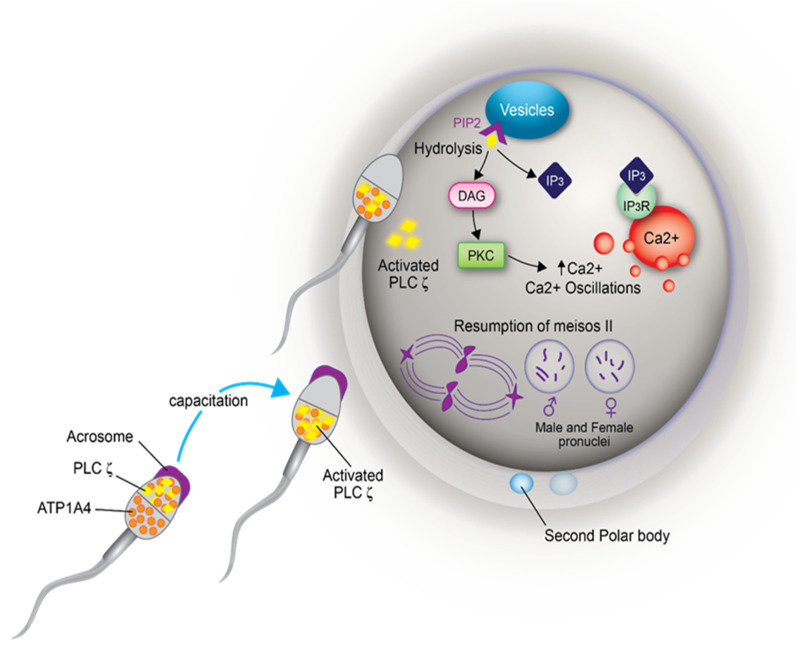
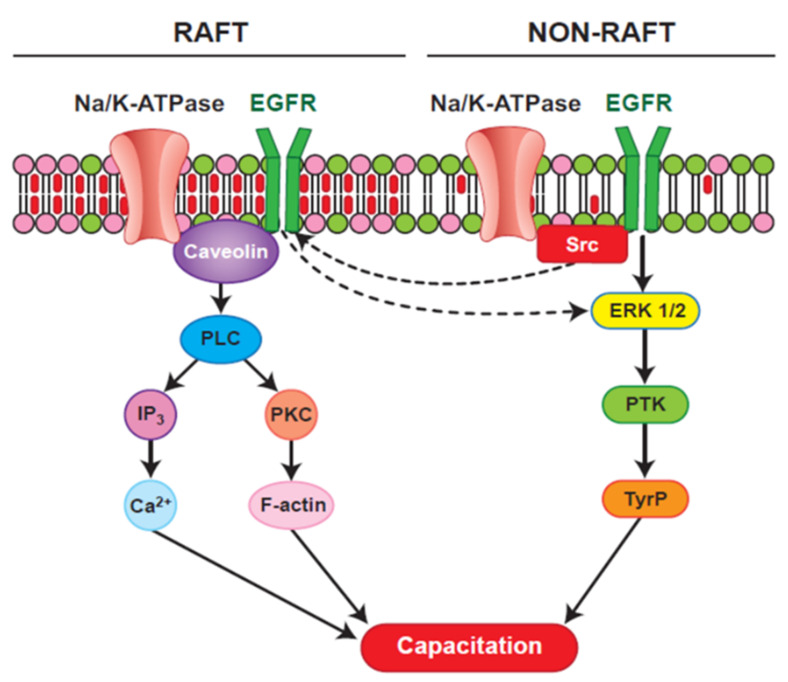
Intracytoplasmic sperm injection (ICSI) involves the microinjection of sperm into a matured oocyte. Although this reproductive technology is successfully used in humans and many animal species, the efficiency of this procedure is low in the bovine species mainly due to failed oocyte activation following sperm microinjection. This review discusses various reasons for the low efficiency of ICSI in cattle, potential solutions, and future directions for research in this area, emphasizing the contributions of testis-specific isoforms of Na/K-ATPase (ATP1A4) and phospholipase C zeta (PLC ζ). Improving the efficiency of bovine ICSI would benefit the cattle breeding industries by effectively utilizing semen from elite sires at their earliest possible age.
胞质内精子注射 (ICSI) 涉及将精子微注射到成熟的卵母细胞中。尽管这项生殖技术在人类和许多动物物种中得到了成功应用,但在牛种中,该程序的效率很低,主要是由于精子微注射后卵母细胞激活失败。本综述讨论了牛种 ICSI 效率低下的各种原因、潜在的解决方案以及该领域的未来研究方向,强调了睾丸特异性 Na/K-ATPase(ATP1A4)和磷脂酶 C ζ(PLC ζ)同工型的贡献。提高牛 ICSI 的效率将通过在尽可能早的年龄有效利用优秀种公牛的精液,使牛的繁殖产业受益。