Azad Taha, Singaravelu Ragunath, Taha Zaid, Jamieson Taylor R, Boulton Stephen, Crupi Mathieu J F, Martin Nikolas T, Fekete Emily E F, Poutou Joanna, Ghahremani Mina, Pelin Adrian, Nouri Kazem, Rezaei Reza, Marshall Christopher Boyd, Enomoto Masahiro, Arulanandam Rozanne, Alluqmani Nouf, Samson Reuben, Gingras Anne-Claude, Cameron D William, Greer Peter A, Ilkow Carolina S, Diallo Jean-Simon, Bell John C
Center for Innovative Cancer Therapeutics, Ottawa Hospital Research Institute, Ottawa, ON K1H 8L6, Canada; Department of Biochemistry, Microbiology and Immunology, University of Ottawa, Ottawa, ON K1H 8M5, Canada.
Department of Biology, University of Ottawa, Ottawa, ON K1N 6N5, Canada.
Mol Ther. 2021 Jun 2;29(6):1984-2000. doi: 10.1016/j.ymthe.2021.02.007. Epub 2021 Feb 10.
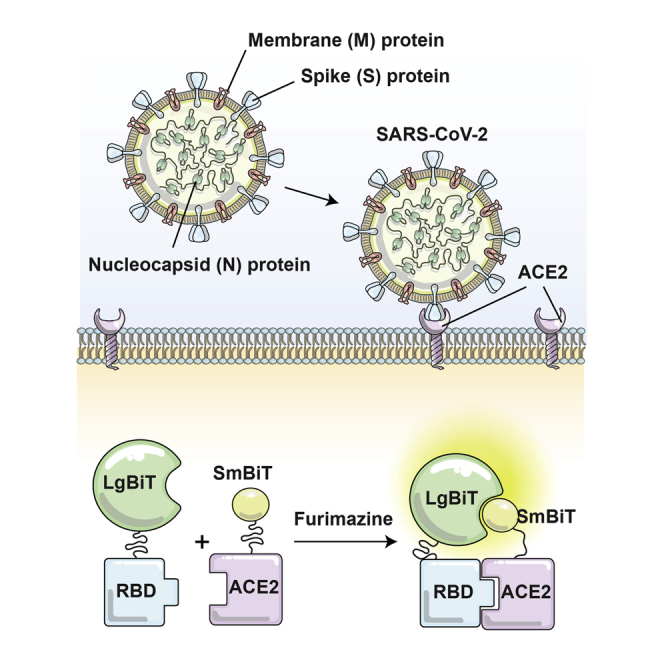
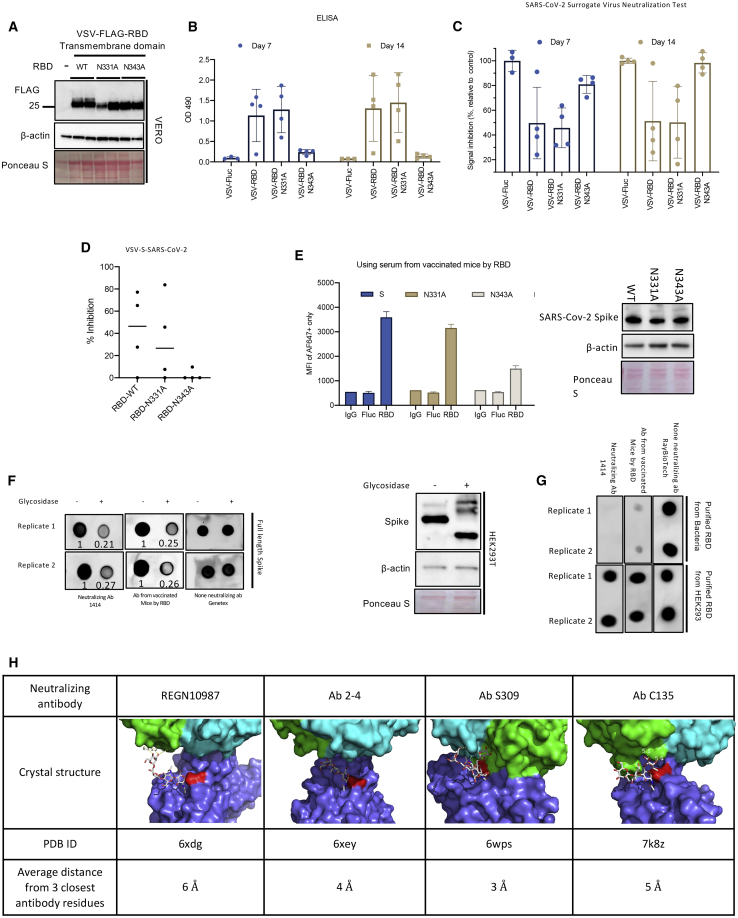
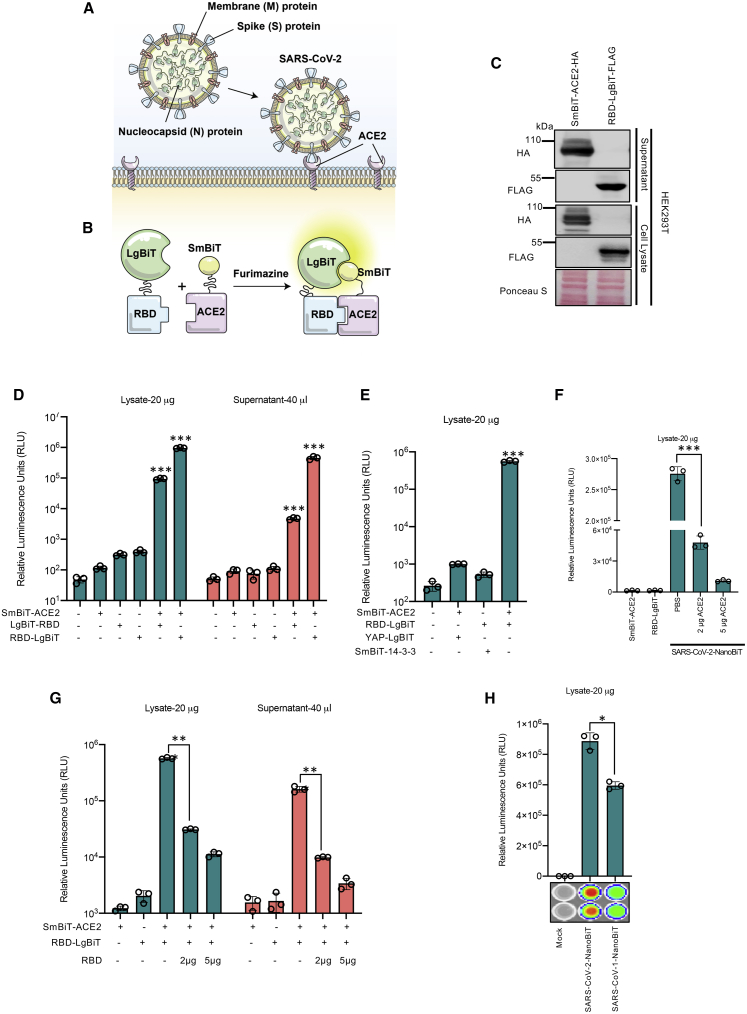
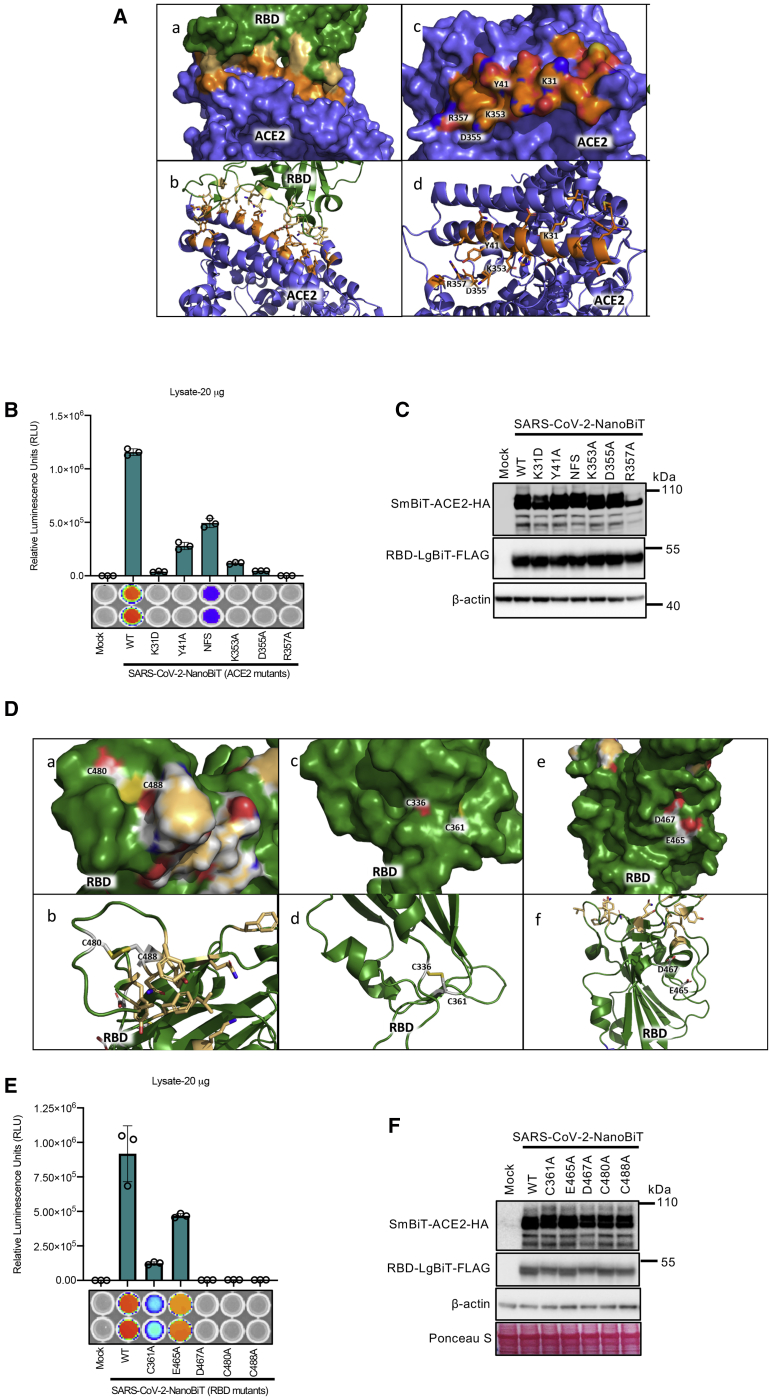
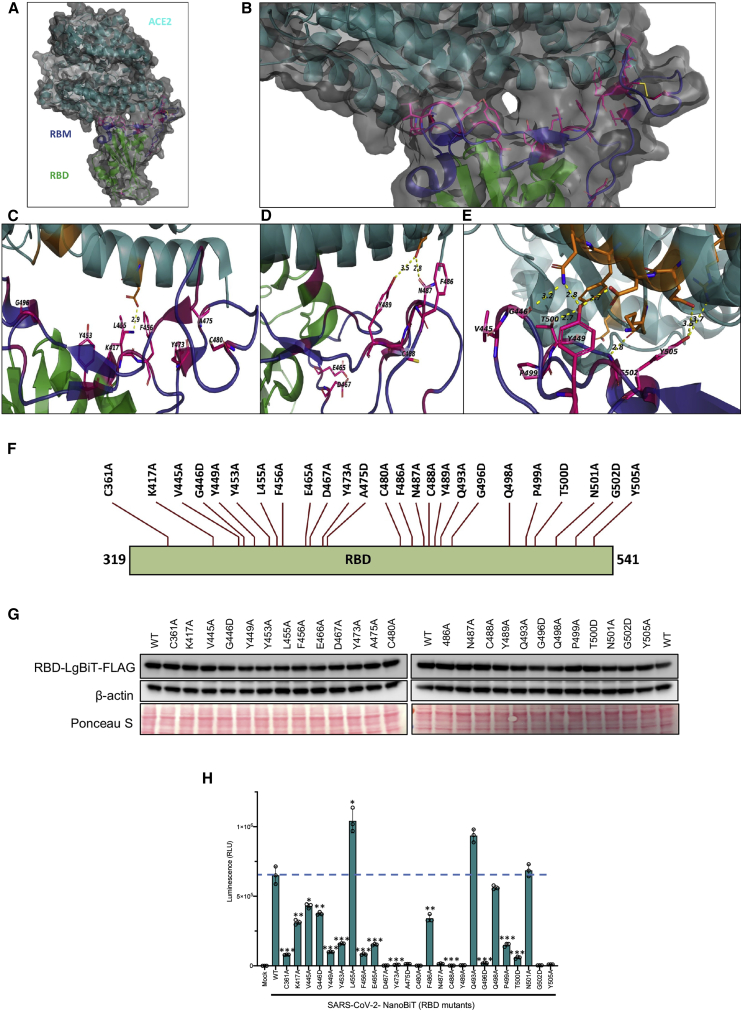
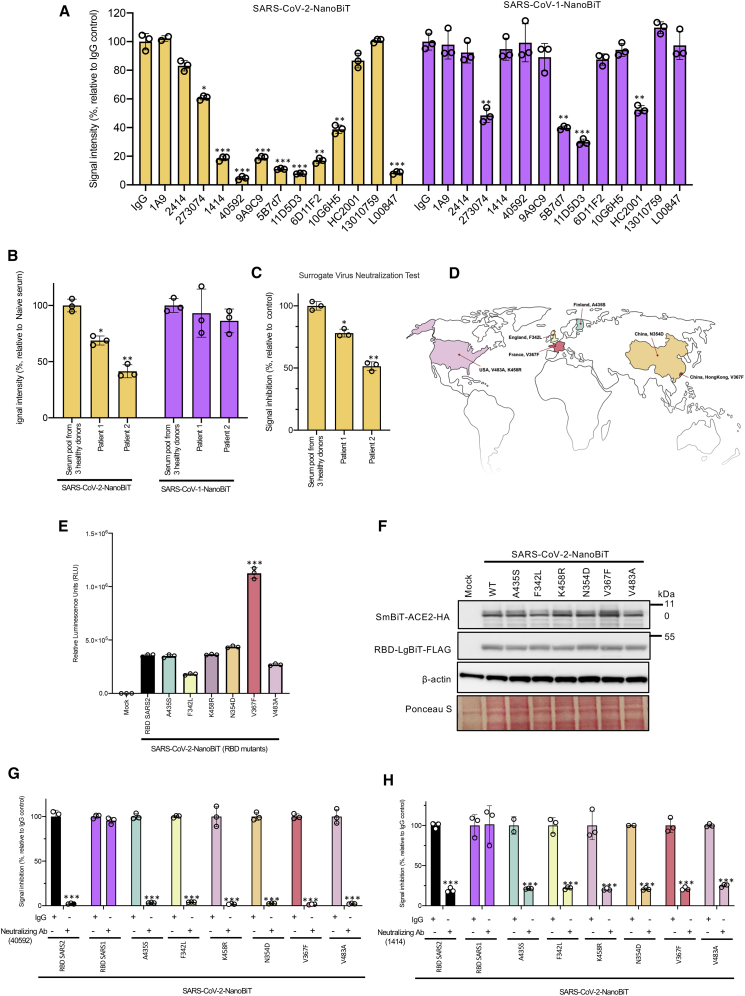
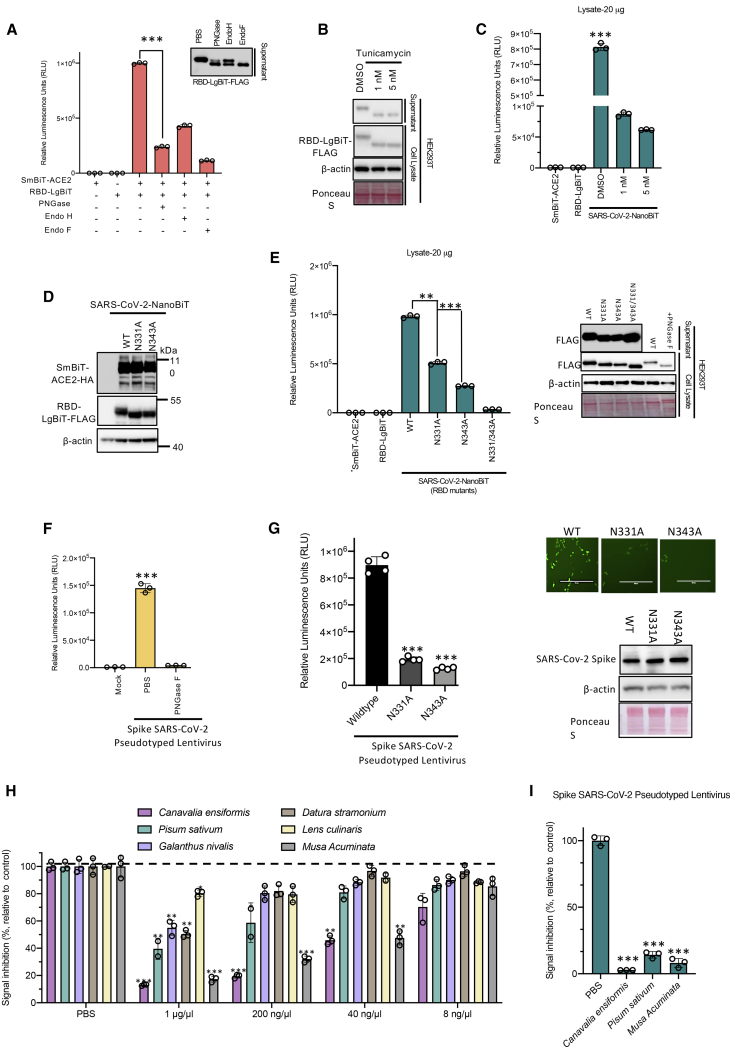
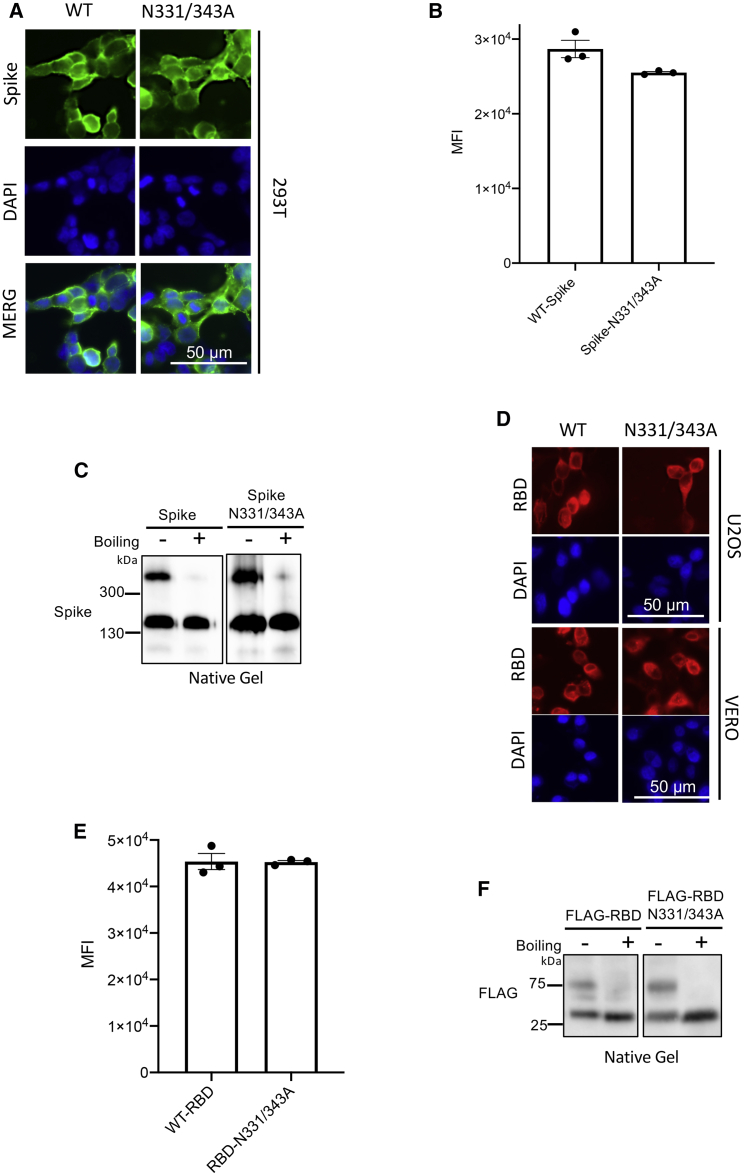
The ongoing COVID-19 pandemic has highlighted the immediate need for the development of antiviral therapeutics targeting different stages of the SARS-CoV-2 life cycle. We developed a bioluminescence-based bioreporter to interrogate the interaction between the SARS-CoV-2 viral spike (S) protein and its host entry receptor, angiotensin-converting enzyme 2 (ACE2). The bioreporter assay is based on a nanoluciferase complementation reporter, composed of two subunits, large BiT and small BiT, fused to the S receptor-binding domain (RBD) of the SARS-CoV-2 S protein and ACE2 ectodomain, respectively. Using this bioreporter, we uncovered critical host and viral determinants of the interaction, including a role for glycosylation of asparagine residues within the RBD in mediating successful viral entry. We also demonstrate the importance of N-linked glycosylation to the RBD's antigenicity and immunogenicity. Our study demonstrates the versatility of our bioreporter in mapping key residues mediating viral entry as well as screening inhibitors of the ACE2-RBD interaction. Our findings point toward targeting RBD glycosylation for therapeutic and vaccine strategies against SARS-CoV-2.
持续的新冠疫情凸显了迫切需要开发针对严重急性呼吸综合征冠状病毒2(SARS-CoV-2)生命周期不同阶段的抗病毒疗法。我们开发了一种基于生物发光的生物报告基因,以研究SARS-CoV-2病毒刺突(S)蛋白与其宿主进入受体血管紧张素转换酶2(ACE2)之间的相互作用。该生物报告基因检测基于一种纳米荧光素酶互补报告基因,由两个亚基,即大亚基BiT和小亚基BiT组成,分别与SARS-CoV-2 S蛋白的受体结合域(RBD)和ACE2胞外域融合。利用这种生物报告基因,我们发现了相互作用的关键宿主和病毒决定因素,包括RBD中天冬酰胺残基的糖基化在介导病毒成功进入中的作用。我们还证明了N-连接糖基化对RBD抗原性和免疫原性的重要性。我们的研究证明了我们的生物报告基因在绘制介导病毒进入的关键残基以及筛选ACE2-RBD相互作用抑制剂方面的多功能性。我们的研究结果表明,针对RBD糖基化可制定针对SARS-CoV-2的治疗和疫苗策略。