Department of History, University of South Florida, SOC107 4202 E. Fowler Ave, Tampa, FL, 33620, USA.
Laboratory of Organic Mass Spectrometry, Department of Chemical Sciences, University of Catania, Viale A. Doria 6, 95125, Catania, Italy.
Amino Acids. 2021 Feb;53(2):295-312. doi: 10.1007/s00726-021-02946-4. Epub 2021 Feb 13.
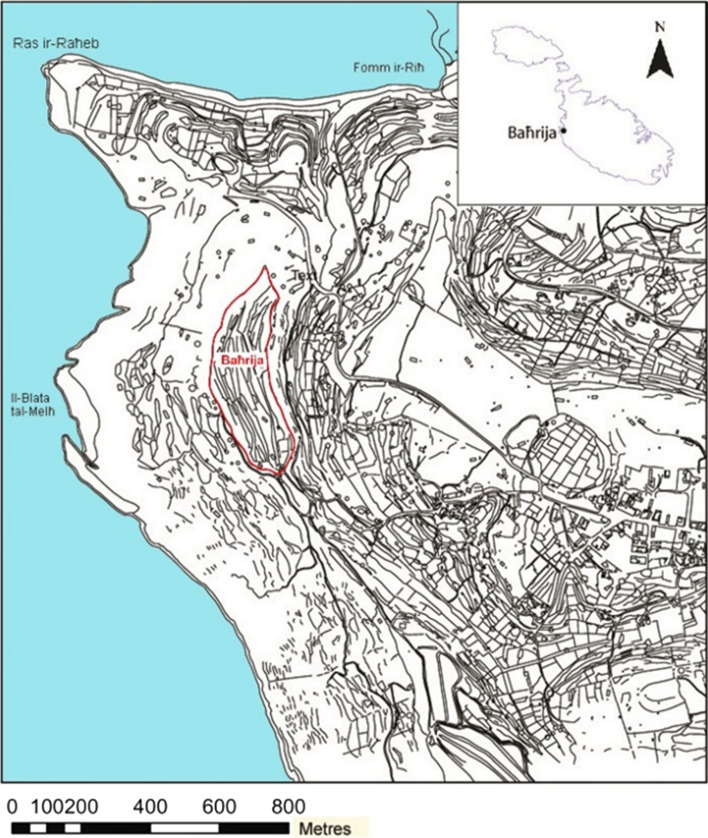
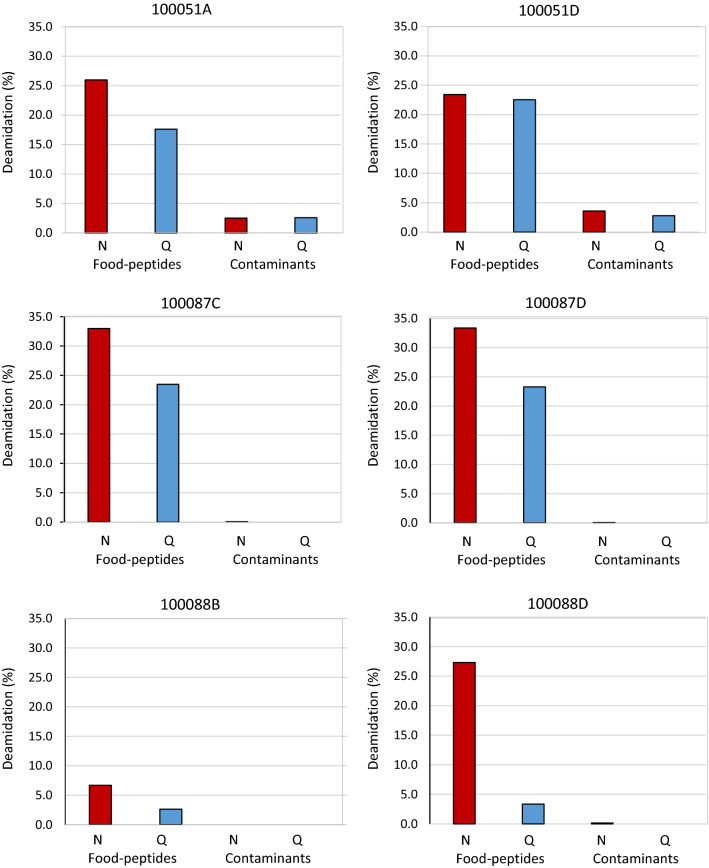
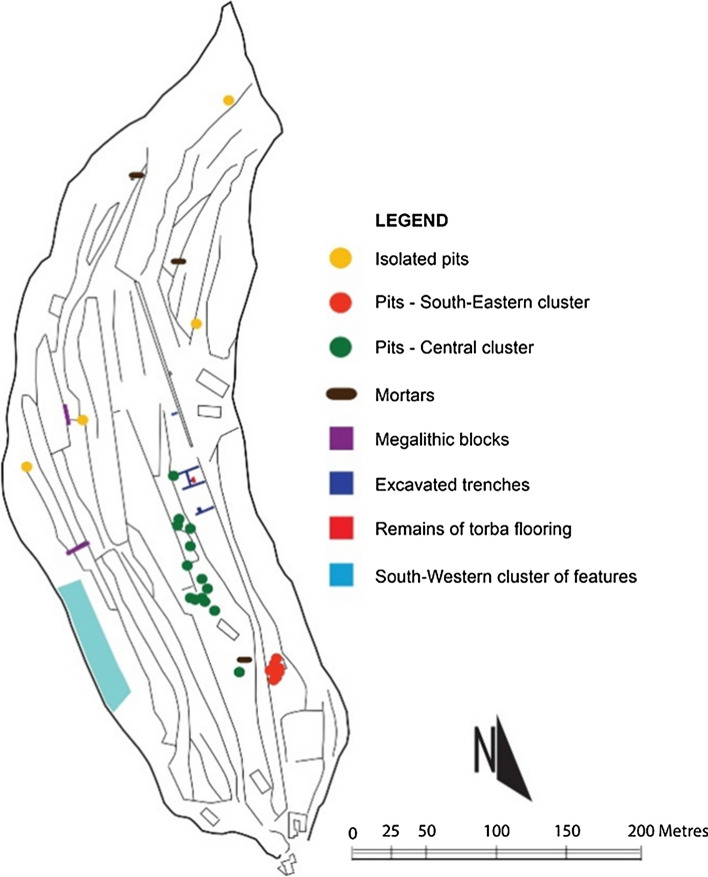
Mass spectrometry-based approaches have been successfully applied for identifying ancient proteins in bones and other tissues. On the contrary, there are relatively few examples of the successful recovery and identification of archeological protein residues from ceramic artifacts; this is because ceramics contain much lower levels of proteins which are extensively degraded by diagenetic effects. In this paper, we report the results of the characterization of proteins extracted from pottery of the Maltese site of Baħrija, the guide-site for the Baħrija period (half of 9th-second half of eighth century BCE), recently identified as the final part of the Borġ in-Nadur culture. Proteomic data here reported confirm that one of the major issue of these kind of studies is represented by contamination of animal and human agents that may complicate endogenous protein identification and authentication. The samples tested included a small group of ceramic forms, namely three tableware and six coarse ware thought to have been used in food preparation and/or storage. In this context, the limited availability of paleobotanical and archeozoological analyses may be compensated by the outcomes of the first proteomics profiling which, even if obtained on a limited selection of vessels, revealed the centrality of wheat in the diet of the ancient community of Baħrija. The data have been deposited to the ProteomeXchange with identifier < PXD022848 > .
基于质谱的方法已成功应用于鉴定骨骼和其他组织中的古代蛋白质。相反,从考古文物中成功回收和鉴定考古蛋白质残留物的例子相对较少;这是因为陶瓷中蛋白质的含量要低得多,而且这些蛋白质会受到成岩作用的广泛降解。本文报道了从马耳他 Baħrija 遗址的陶器中提取蛋白质的特征描述结果,该遗址是 Baħrija 时期(公元前 9 世纪下半叶至 8 世纪下半叶)的向导遗址,最近被确定为 Borġ in-Nadur 文化的最后一部分。本文报告的蛋白质组学数据证实,此类研究的主要问题之一是动物和人类制剂的污染,这可能会使内源性蛋白质的鉴定和鉴定复杂化。测试的样本包括一小组陶瓷制品,即三件餐具和六件粗陶器,这些陶器被认为用于食品的制备和/或储存。在这种情况下,有限的古植物学和古动物学分析结果可能会因首次蛋白质组学分析结果而得到补偿,尽管该分析是在有限的一组容器上进行的,但仍揭示了小麦在 Baħrija 古代社区饮食中的核心地位。这些数据已被存入 ProteomeXchange,标识符为 < PXD022848 > 。