Molecular Informatics and Design Laboratory, Department of Biosciences and Bioengineering, Indian Institute of Technology Guwahati, Guwahati, Assam, India.
Laboratory of Cardiovascular Science, National Institute on Aging, National Institutes of Health, Baltimore, MD, USA.
NPJ Syst Biol Appl. 2021 Feb 15;7(1):11. doi: 10.1038/s41540-021-00171-z.
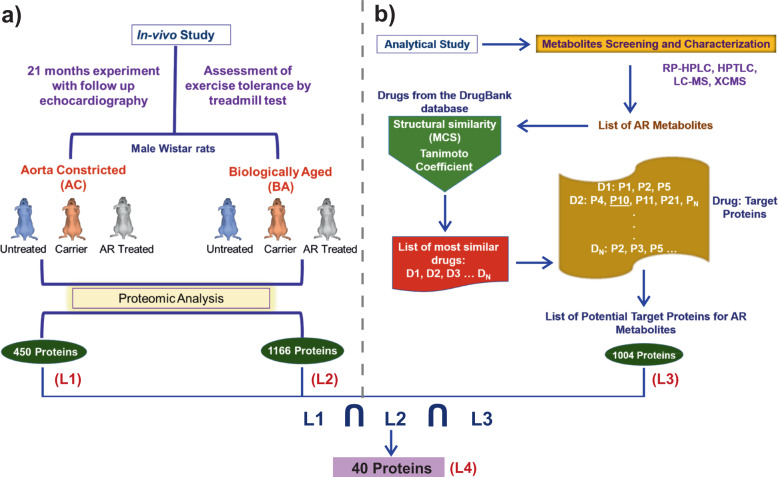
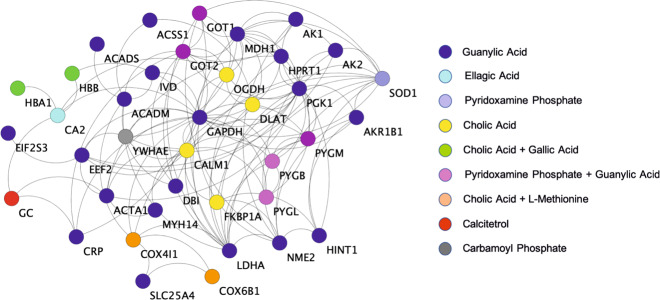
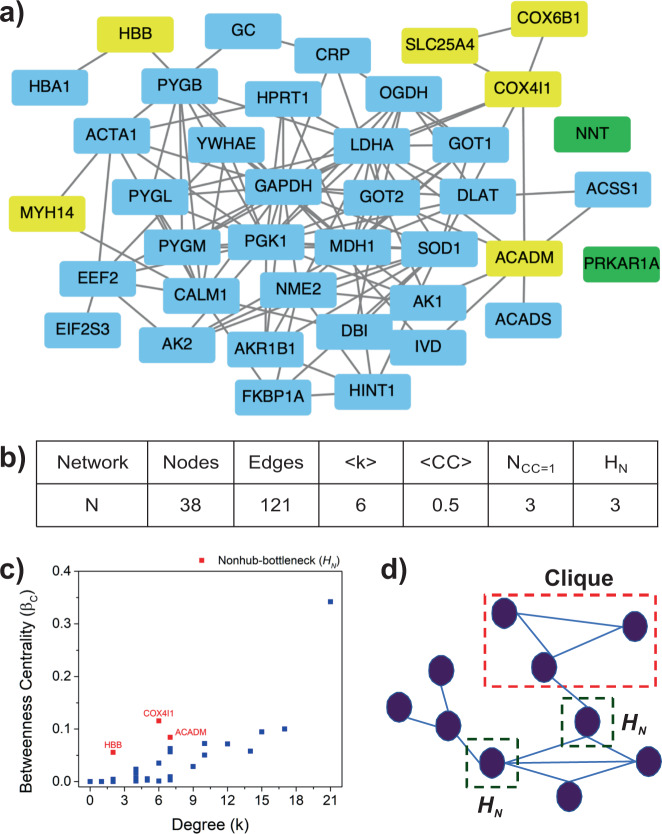
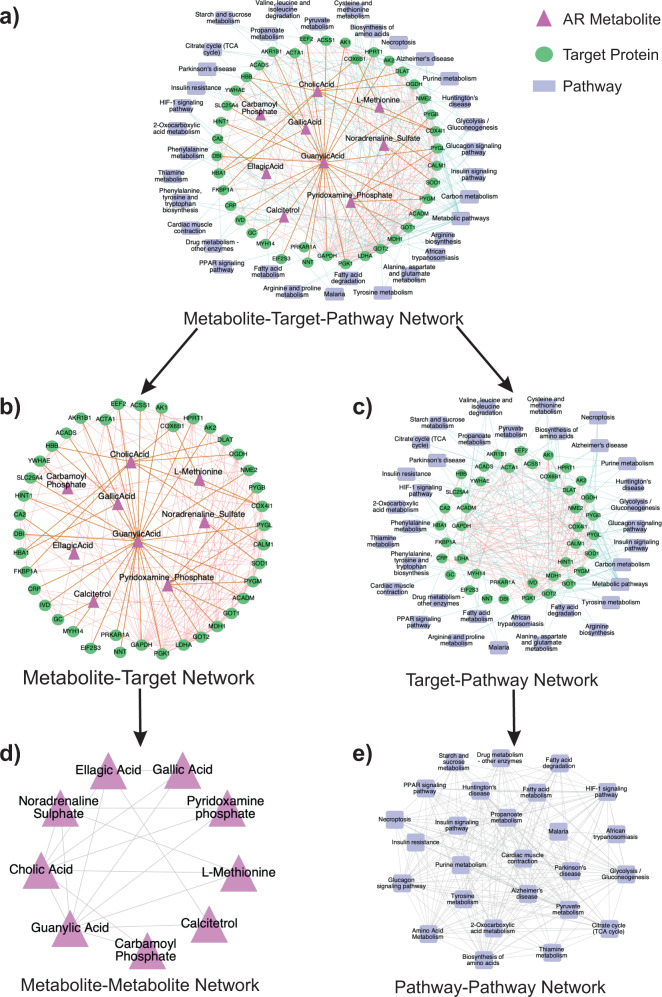
Advancements in systems biology have resulted in the development of network pharmacology, leading to a paradigm shift from "one-target, one-drug" to "target-network, multi-component therapeutics". We employ a chimeric approach involving in-vivo assays, gene expression analysis, cheminformatics, and network biology to deduce the regulatory actions of a multi-constituent Ayurvedic concoction, Amalaki Rasayana (AR) in animal models for its effect in pressure-overload cardiac hypertrophy. The proteomics analysis of in-vivo assays for Aorta Constricted and Biologically Aged rat models identify proteins expressed under each condition. Network analysis mapping protein-protein interactions and synergistic actions of AR using multi-component networks reveal drug targets such as ACADM, COX4I1, COX6B1, HBB, MYH14, and SLC25A4, as potential pharmacological co-targets for cardiac hypertrophy. Further, five out of eighteen AR constituents potentially target these proteins. We propose a distinct prospective strategy for the discovery of network pharmacological therapies and repositioning of existing drug molecules for treating pressure-overload cardiac hypertrophy.
系统生物学的进展导致了网络药理学的发展,从而实现了从“一个靶点、一种药物”到“靶点网络、多成分治疗”的范式转变。我们采用一种嵌合方法,包括体内试验、基因表达分析、化学信息学和网络生物学,以推断一种多成分的阿育吠陀制剂 Amalaki Rasayana(AR)在动物模型中的调节作用,其作用是治疗压力超负荷性心肌肥厚。体内试验主动脉缩窄和生物老化大鼠模型的蛋白质组学分析确定了每种条件下表达的蛋白质。使用多成分网络映射蛋白质-蛋白质相互作用和 AR 的协同作用的网络分析揭示了 ACADM、COX4I1、COX6B1、HBB、MYH14 和 SLC25A4 等药物靶点,作为心肌肥厚的潜在药理学共同靶点。此外,AR 的十八种成分中有五种可能针对这些蛋白质。我们为发现网络药理学治疗方法和重新定位现有药物分子治疗压力超负荷性心肌肥厚提出了一种独特的前瞻性策略。