Center for Molecular Medicine and Genetics, Wayne State University School of Medicine, Detroit, MI 48201, USA.
Department of Pathology, Northwestern University Feinberg School of Medicine, Chicago, IL 60611, USA.
Mol Metab. 2021 Jul;49:101192. doi: 10.1016/j.molmet.2021.101192. Epub 2021 Feb 13.
The endoplasmic reticulum (ER)-resident E3 ligase HRD1 and its co-activator Sel1L are major components of ER-associated degradation (ERAD) machinery. Here, we investigated the molecular mechanism and functional significance underlying the circadian regulation of HRD1/Sel1L-mediated protein degradation program in hepatic energy metabolism.
Genetically engineered animal models as well as gain- and loss-of-function studies were employed to address the circadian regulatory mechanism and functional significance. Gene expression, transcriptional activation, protein-protein interaction, and animal metabolic phenotyping analyses were performed to dissect the molecular network and metabolic pathways.
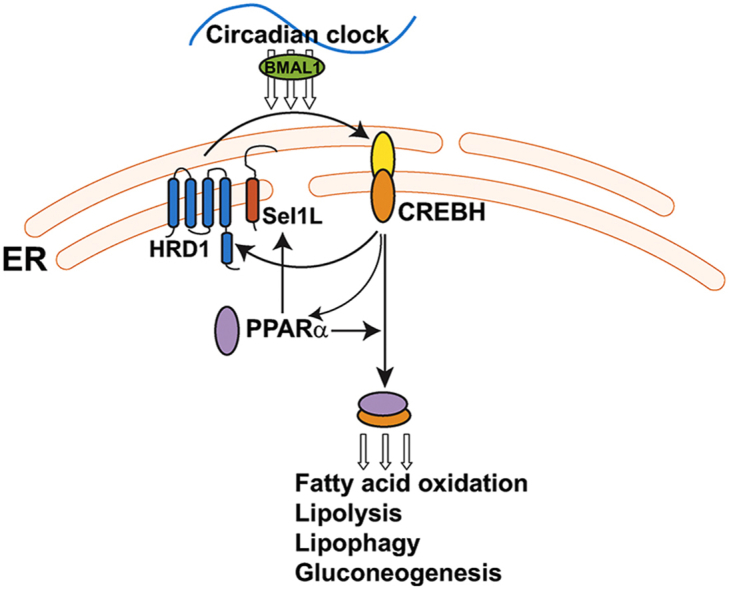
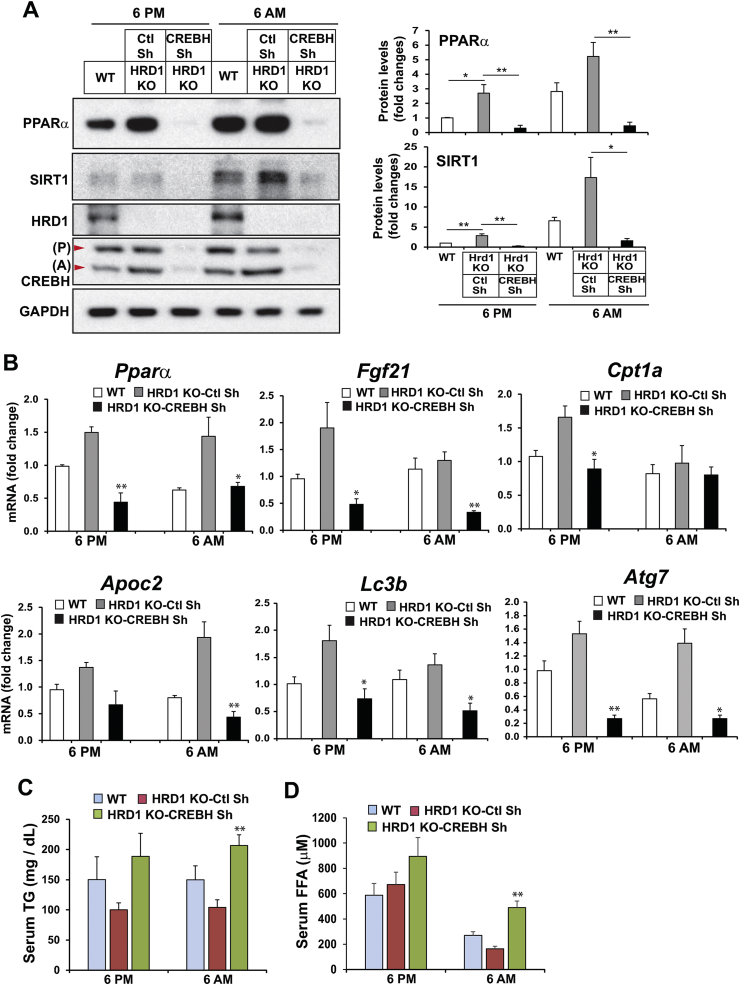
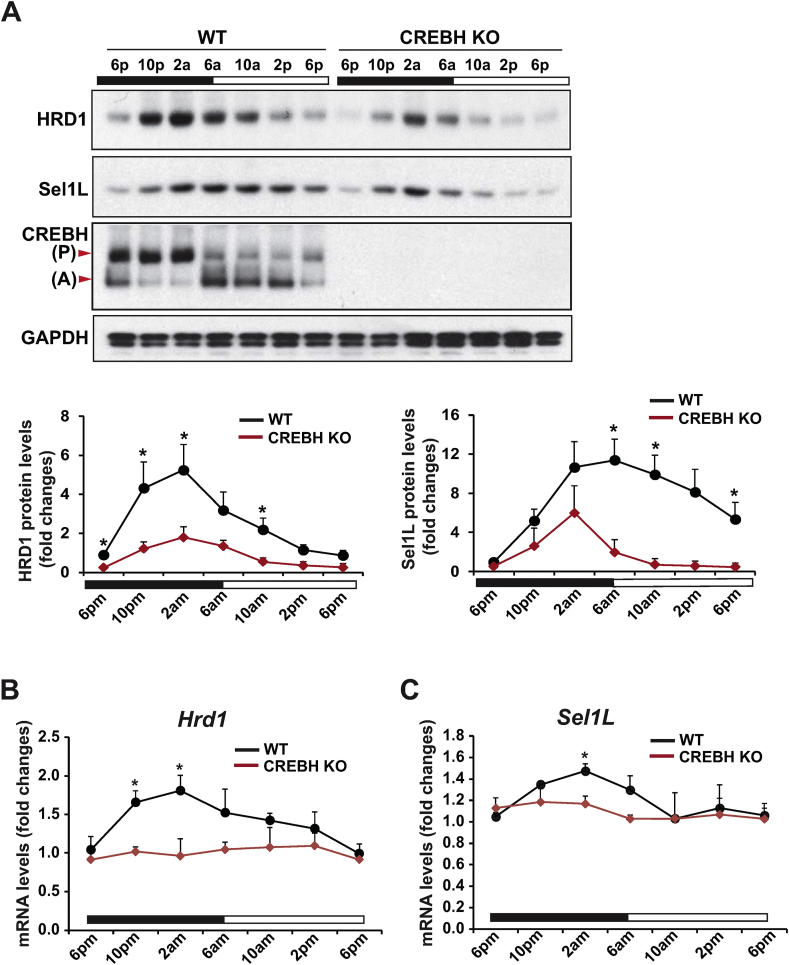
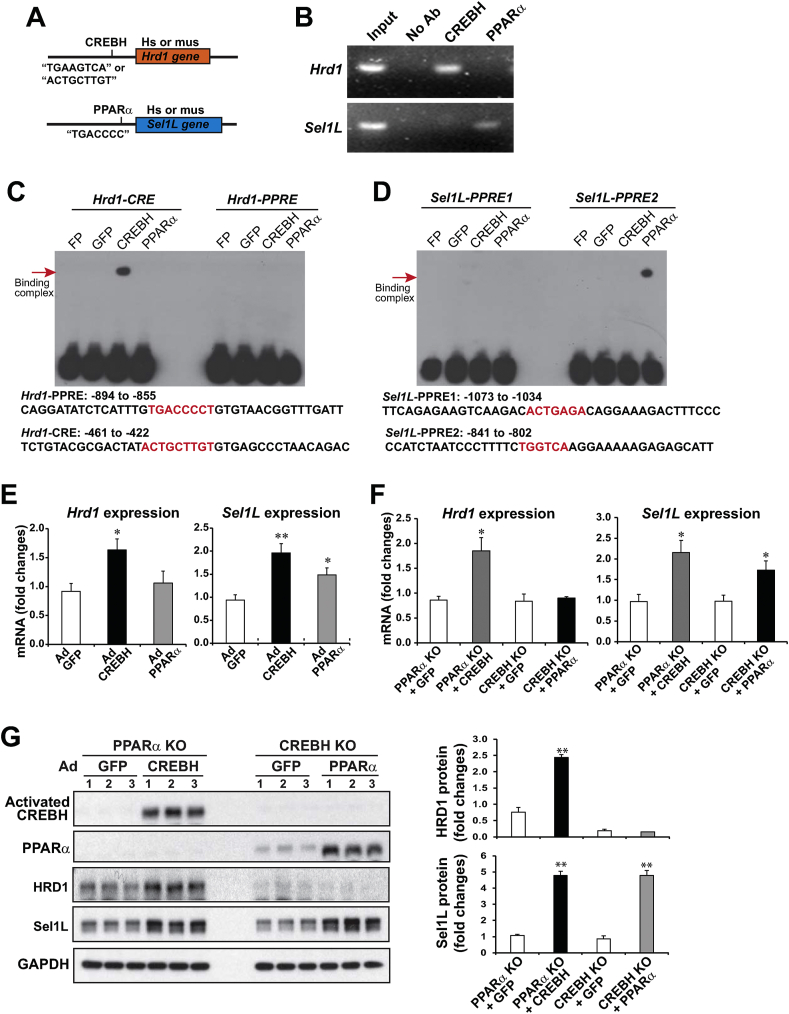
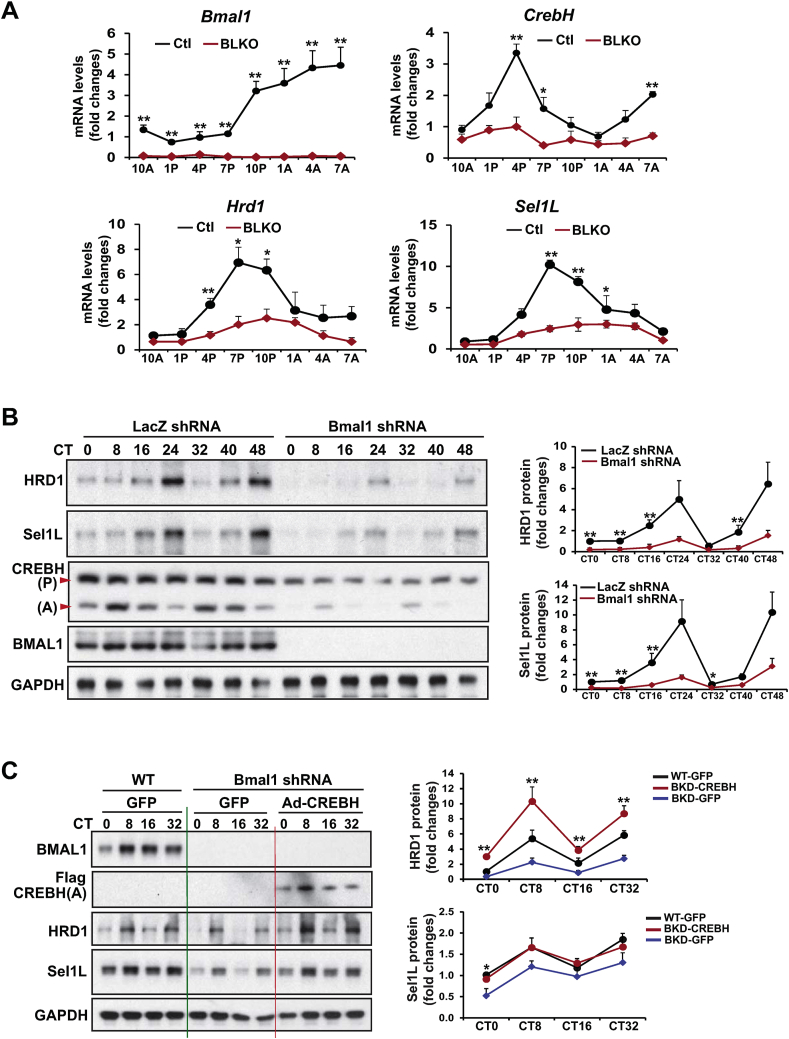
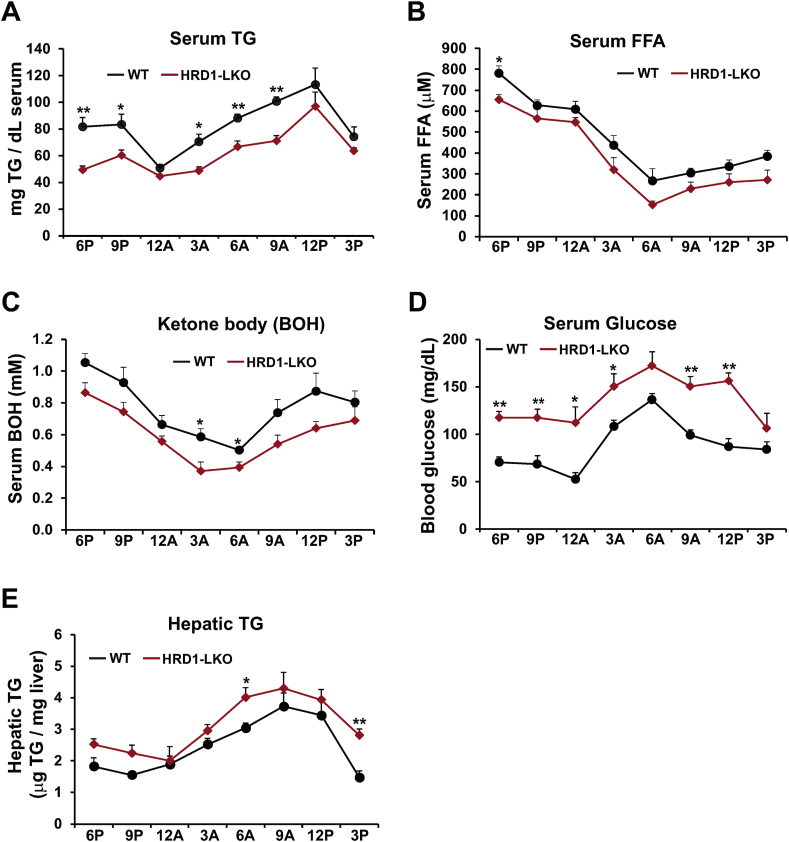
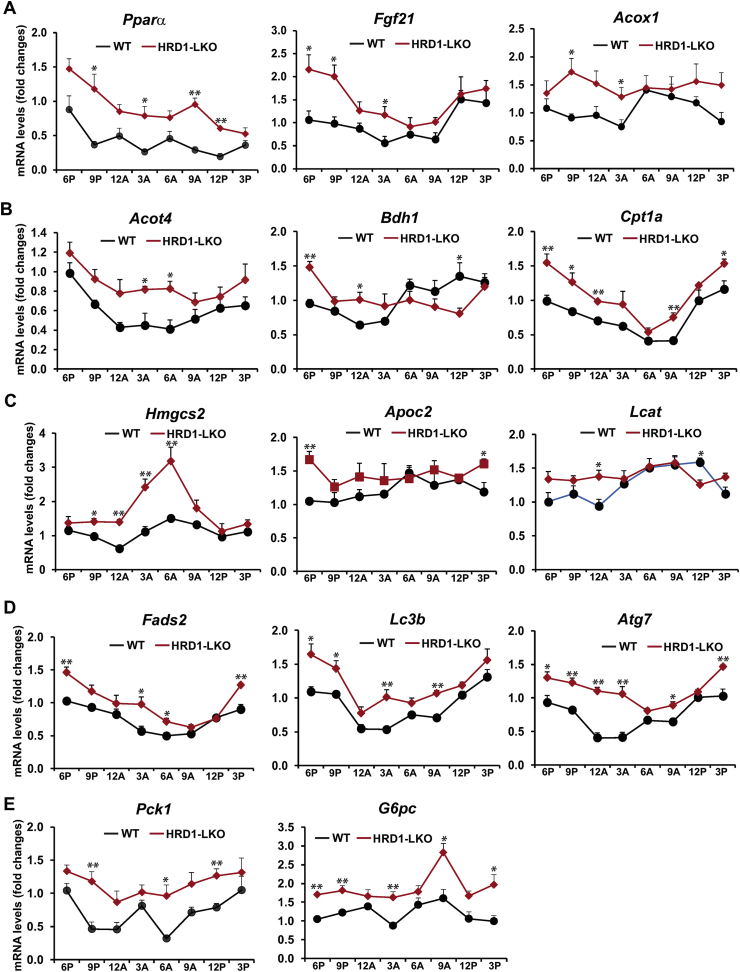
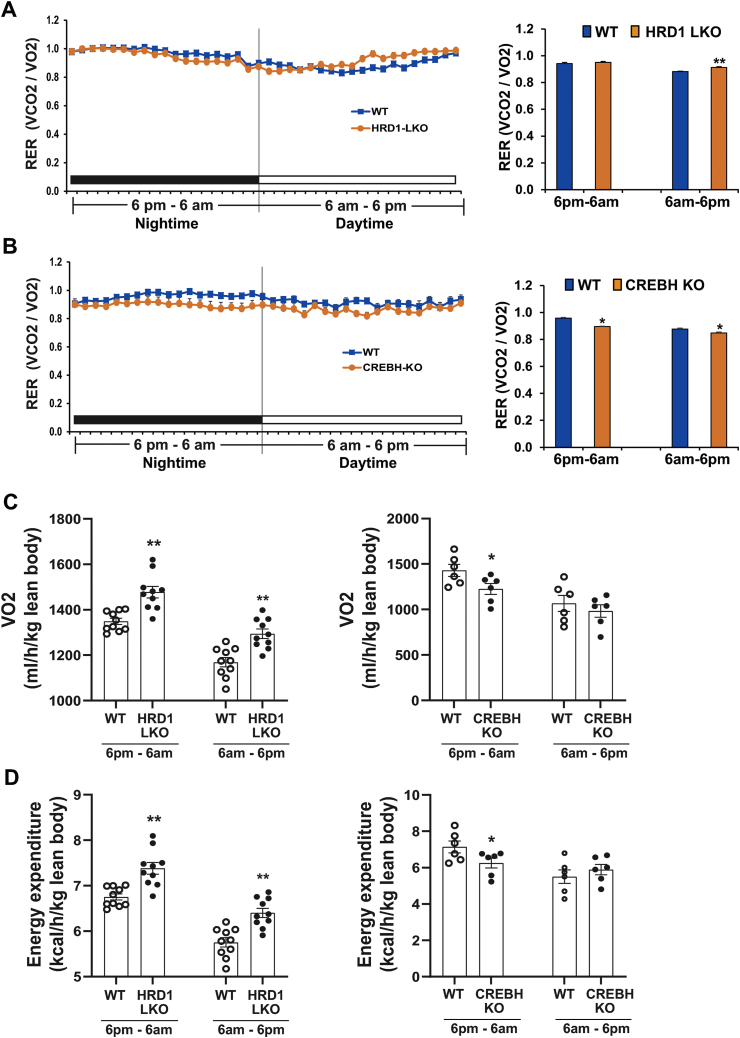
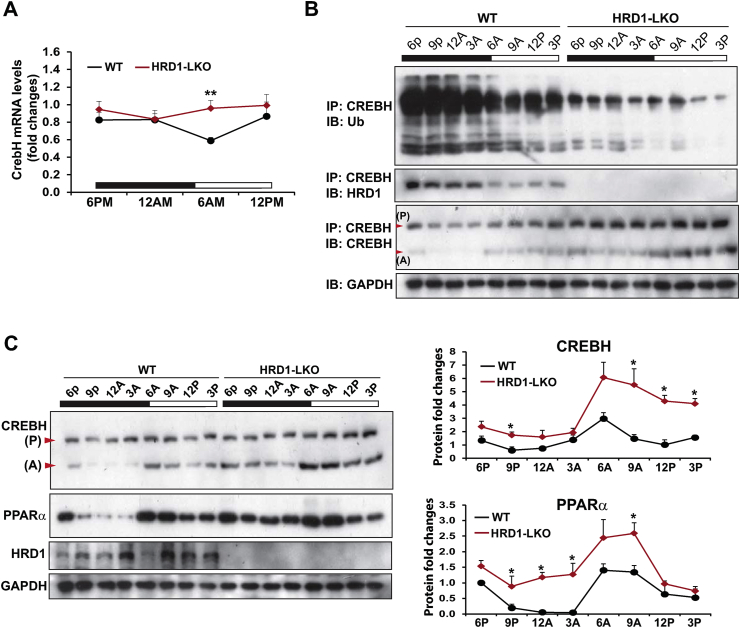
Hepatic HRD1 and Sel1L expression exhibits circadian rhythmicity that is controlled by the ER-tethered transcriptional activator CREBH, the nuclear receptor peroxisome proliferator-activated receptor α (PPARα), and the core clock oscillator BMAL1 in mouse livers. HRD1/Sel1L mediates polyubiquitination and degradation of the CREBH protein across the circadian cycle to modulate rhythmic expression of the genes encoding the rate-limiting enzymes or regulators in fatty acid (FA) oxidation, triglyceride (TG) lipolysis, lipophagy, and gluconeogenesis. HRD1 liver-specific knockout (LKO) mice displayed increased expression of the genes involved in lipid and glucose metabolism and impaired circadian profiles of circulating TG, FA, and glucose due to overproduction of CREBH. The circadian metabolic activities of HRD1 LKO mice were inversely correlated with those of CREBH KO mice. Suppressing CREBH overproduction in the livers of HRD1 LKO mice restored the diurnal levels of circulating TG and FA of HRD1 LKO mice.
Our work revealed a key circadian-regulated molecular network through which the E3 ubiquitin ligase HRD1 and its co-activator Sel1L regulate hepatic circadian metabolism.
内质网(ER)驻留 E3 连接酶 HRD1 及其共激活因子 Sel1L 是 ER 相关降解(ERAD)机制的主要组成部分。在这里,我们研究了 HRD1/Sel1L 介导的蛋白质降解程序在肝能量代谢中的昼夜节律调节的分子机制和功能意义。
采用基因工程动物模型以及增益和缺失功能研究来解决昼夜节律调节机制和功能意义。进行基因表达、转录激活、蛋白质-蛋白质相互作用以及动物代谢表型分析,以剖析分子网络和代谢途径。
肝 HRD1 和 Sel1L 的表达表现出昼夜节律性,这种节律性受 ER 连接的转录激活因子 CREBH、核受体过氧化物酶体增殖物激活受体α(PPARα)和核心时钟振荡器 BMAL1 在小鼠肝脏中的控制。HRD1/Sel1L 介导 CREBH 蛋白的多泛素化和降解,跨越昼夜周期调节脂肪酸(FA)氧化、甘油三酯(TG)脂解、脂自噬和糖异生限速酶或调节剂基因的节律表达。HRD1 肝特异性敲除(LKO)小鼠表现出脂质和葡萄糖代谢相关基因表达增加,由于 CREBH 过度产生,导致循环 TG、FA 和葡萄糖的昼夜节律谱受损。HRD1 LKO 小鼠的昼夜代谢活性与 CREBH KO 小鼠的昼夜代谢活性呈负相关。在 HRD1 LKO 小鼠的肝脏中抑制 CREBH 过度产生,可恢复 HRD1 LKO 小鼠循环 TG 和 FA 的昼夜水平。
我们的工作揭示了一个关键的昼夜节律调节分子网络,通过该网络,E3 泛素连接酶 HRD1 和其共激活因子 Sel1L 调节肝的昼夜节律代谢。