Center for Molecular Medicine and Genetics,The Wayne State University School of Medicine, Detroit, MI 48201, USA.
Hepatology. 2012 Apr;55(4):1070-82. doi: 10.1002/hep.24783. Epub 2012 Feb 9.
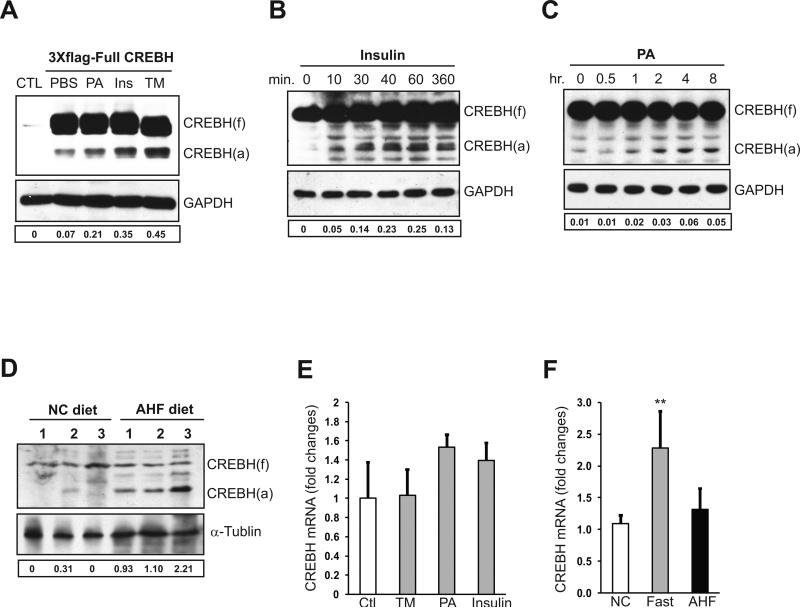
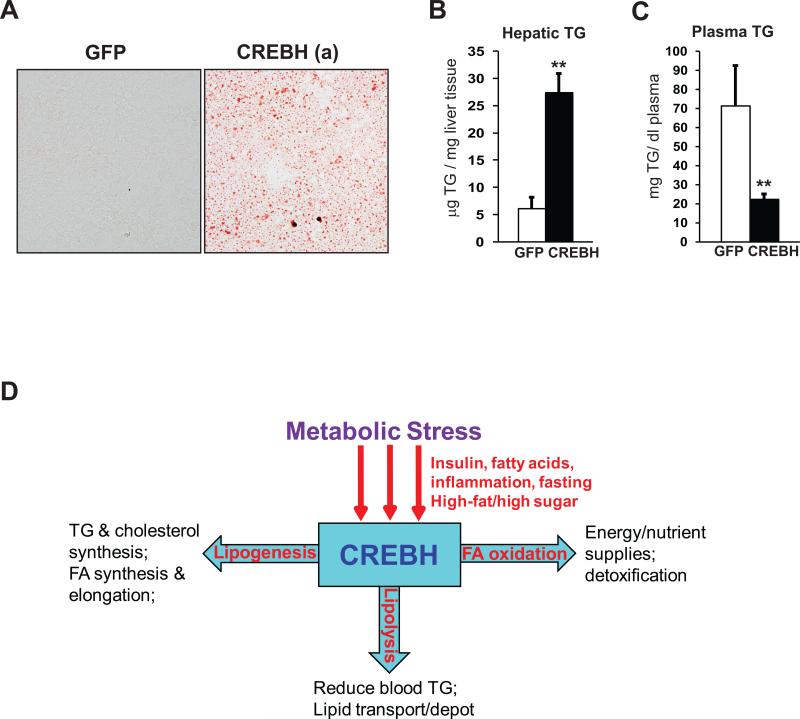
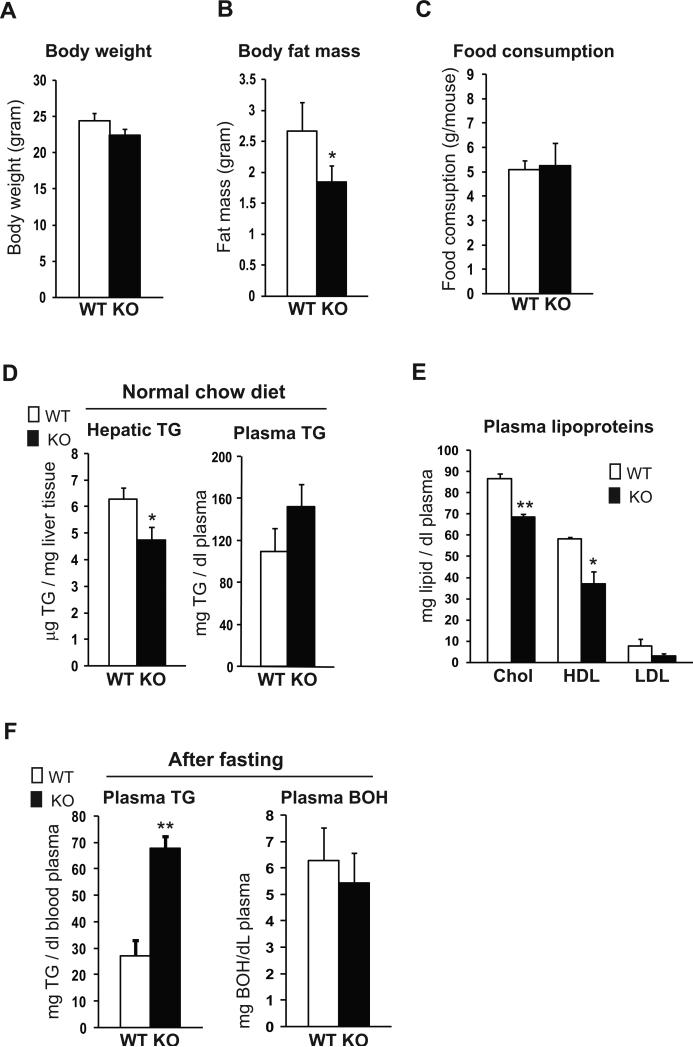
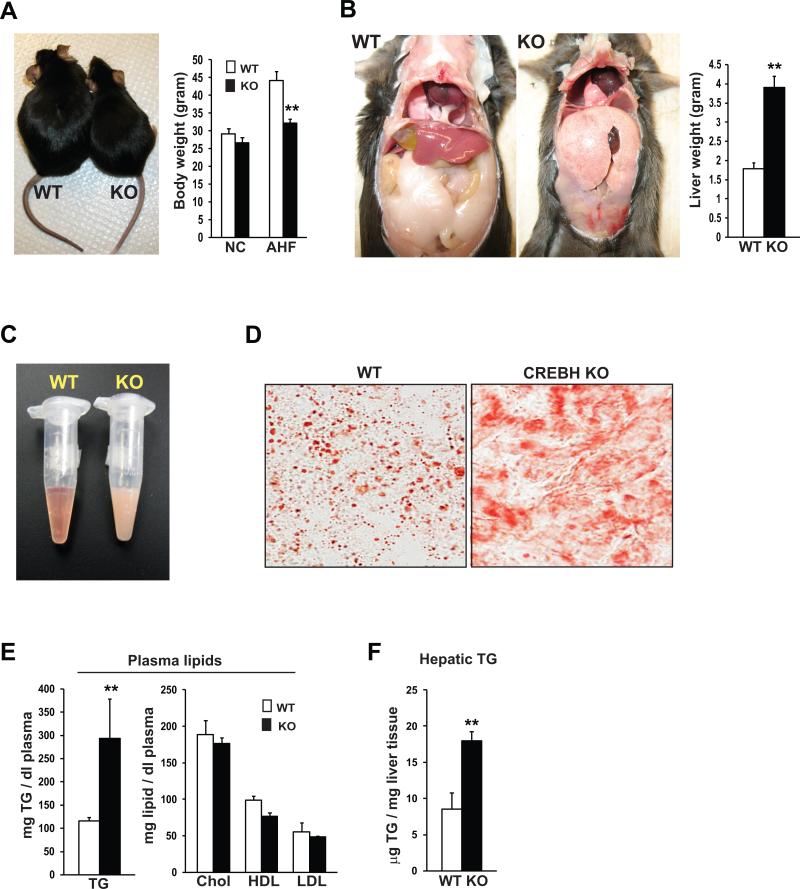
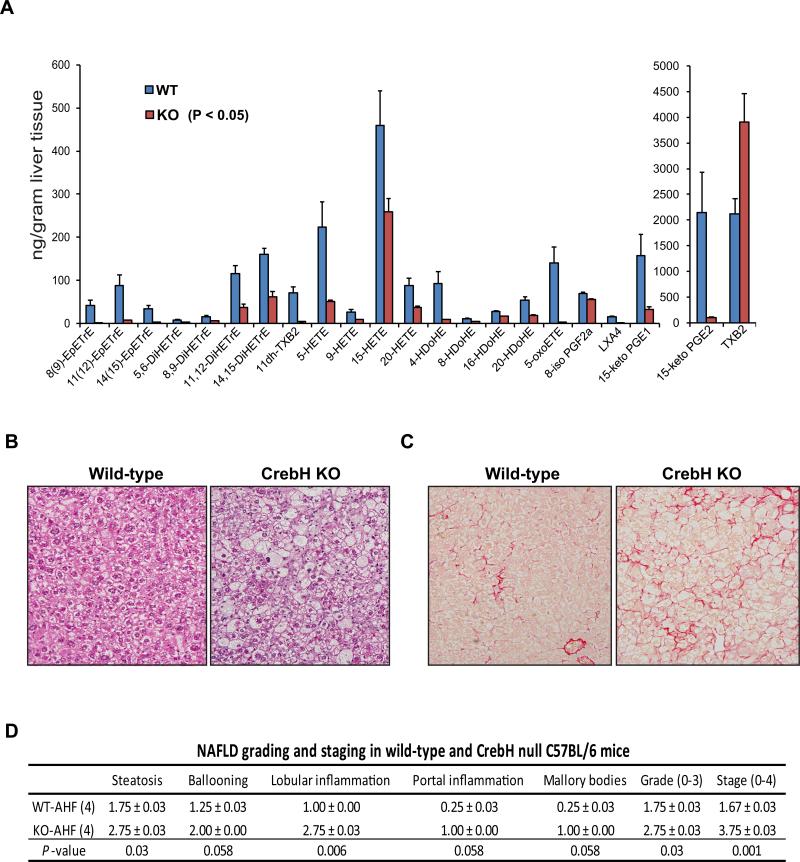
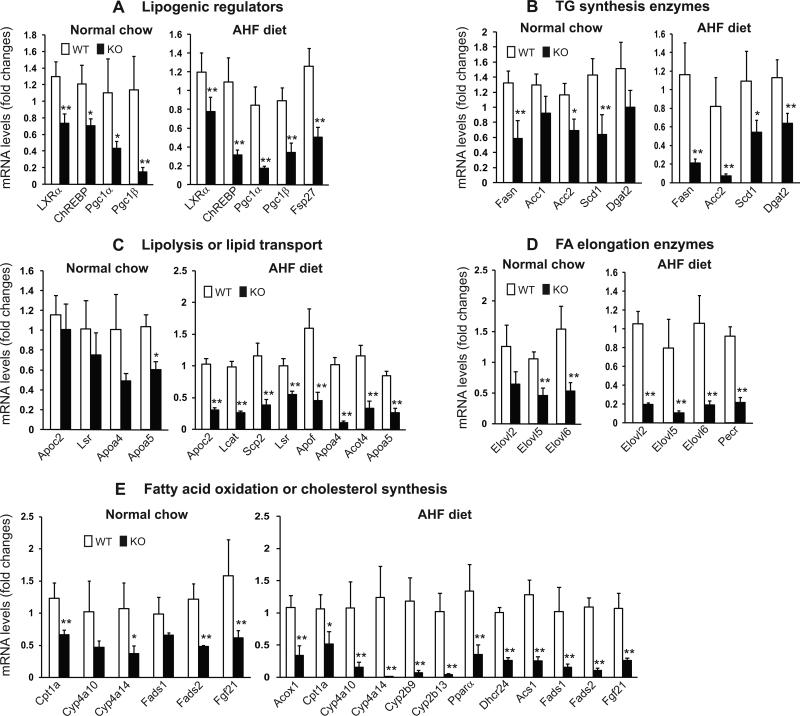
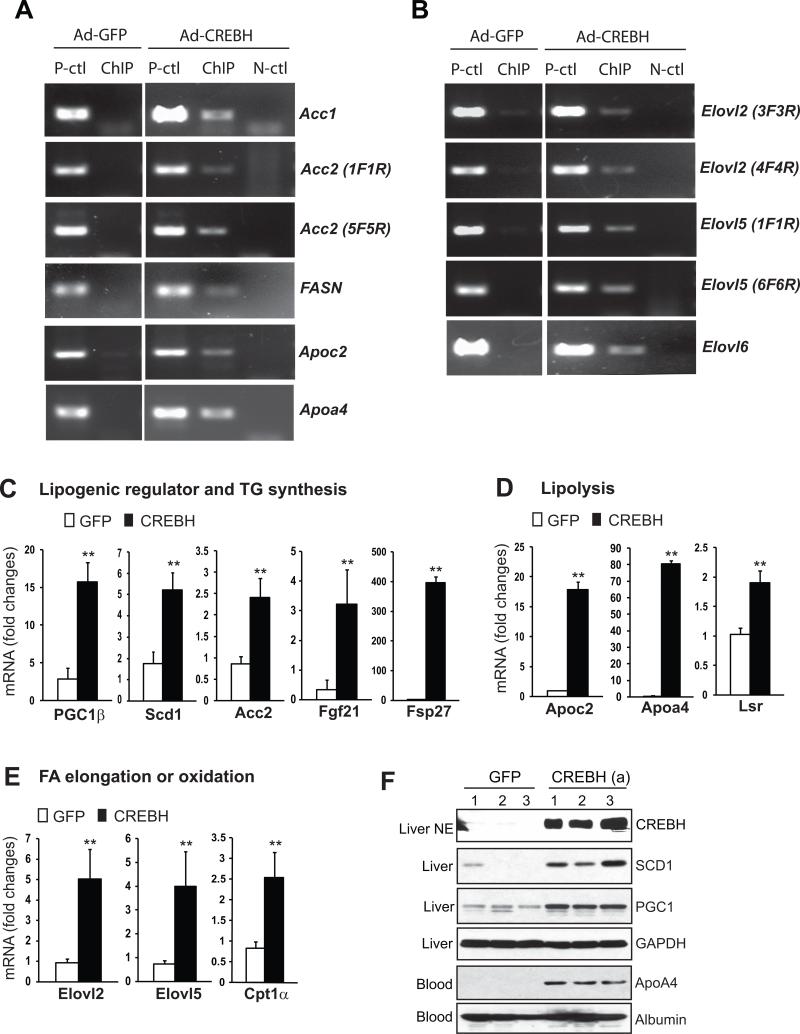
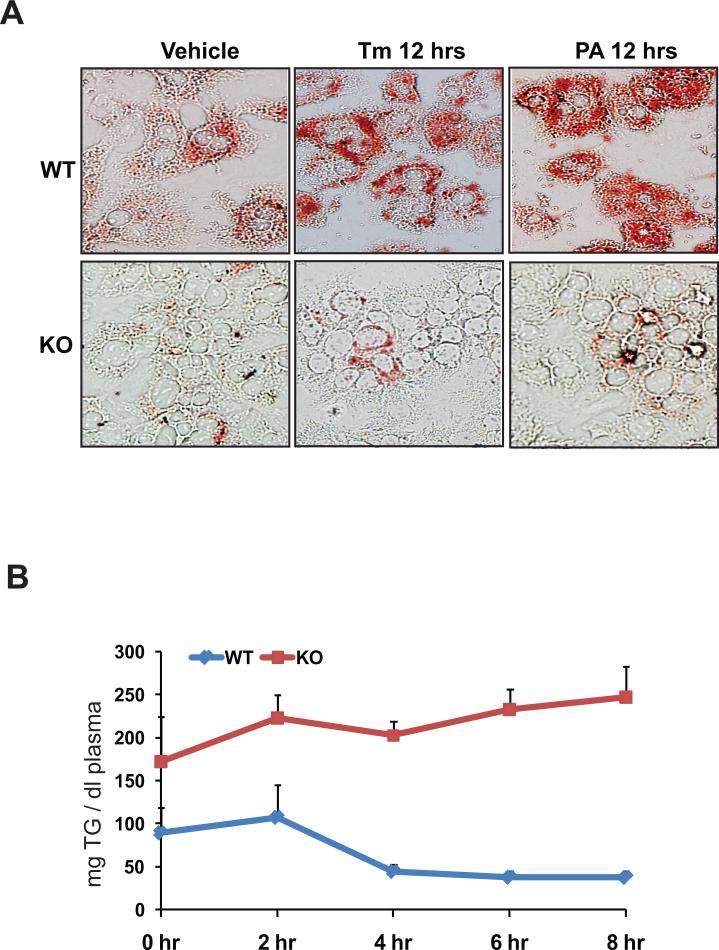
cAMP responsive element-binding protein, hepatocyte specific (CREBH), is a liver-specific transcription factor localized in the endoplasmic reticulum (ER) membrane. Our previous work demonstrated that CREBH is activated by ER stress or inflammatory stimuli to induce an acute-phase hepatic inflammation. Here, we demonstrate that CREBH is a key metabolic regulator of hepatic lipogenesis, fatty acid (FA) oxidation, and lipolysis under metabolic stress. Saturated FA, insulin signals, or an atherogenic high-fat diet can induce CREBH activation in the liver. Under the normal chow diet, CrebH knockout mice display a modest decrease in hepatic lipid contents, but an increase in plasma triglycerides (TGs). After having been fed an atherogenic high-fat (AHF) diet, massive accumulation of hepatic lipid metabolites and significant increase in plasma TG levels were observed in the CrebH knockout mice. Along with the hypertriglyceridemia phenotype, the CrebH null mice displayed significantly reduced body-weight gain, diminished abdominal fat, and increased nonalcoholic steatohepatitis activities under the AHF diet. Gene-expression analysis and chromatin-immunoprecipitation assay indicated that CREBH is required to activate the expression of the genes encoding functions involved in de novo lipogenesis, TG and cholesterol biosynthesis, FA elongation and oxidation, lipolysis, and lipid transport. Supporting the role of CREBH in lipogenesis and lipolysis, forced expression of an activated form of CREBH protein in the liver significantly increases accumulation of hepatic lipids, but reduces plasma TG levels in mice.
All together, our study shows that CREBH plays a key role in maintaining lipid homeostasis by regulating the expression of the genes involved in hepatic lipogenesis, FA oxidation, and lipolysis under metabolic stress. The identification of CREBH as a stress-inducible metabolic regulator has important implications in the understanding and treatment of metabolic disease.
cAMP 反应元件结合蛋白,肝细胞特异性(CREBH),是一种位于内质网(ER)膜中的肝特异性转录因子。我们之前的工作表明,CREBH 被 ER 应激或炎症刺激激活,从而诱导急性期肝炎症。在这里,我们证明 CREBH 是代谢应激下肝脂肪生成、脂肪酸(FA)氧化和脂肪分解的关键代谢调节剂。饱和 FA、胰岛素信号或动脉粥样硬化高脂肪饮食可诱导肝脏中 CREBH 的激活。在正常的饲料饮食下,CrebH 敲除小鼠肝脏脂质含量略有下降,但血浆甘油三酯(TGs)增加。在用动脉粥样硬化高脂肪(AHF)饮食喂养后,在 CrebH 敲除小鼠中观察到大量的肝脂质代谢物积累和显著增加的血浆 TG 水平。伴随着高甘油三酯血症表型,CrebH 缺失小鼠在 AHF 饮食下体重增加明显减少,腹部脂肪减少,非酒精性脂肪性肝炎活动度增加。基因表达分析和染色质免疫沉淀试验表明,CREBH 是激活编码参与从头脂肪生成、TG 和胆固醇生物合成、FA 延伸和氧化、脂肪分解和脂质转运的功能的基因表达所必需的。支持 CREBH 在脂肪生成和脂肪分解中的作用,在肝脏中强制表达激活形式的 CREBH 蛋白可显著增加肝脂质的积累,但降低小鼠的血浆 TG 水平。
总之,我们的研究表明,CREBH 通过调节代谢应激下参与肝脂肪生成、FA 氧化和脂肪分解的基因的表达,在维持脂质平衡中发挥关键作用。鉴定 CREBH 作为应激诱导的代谢调节剂,对理解和治疗代谢疾病具有重要意义。