Dominedò Cristina, D'Avino Emilio, Martinotti Alessandra, Cingolani Emiliano
Department of Shock and Trauma, San Camillo Forlanini Hospital, Circonvallazione Gianicolense, 87, 00152 Rome, Italy.
Cardiovascular Anesthesia and Intensive Care Unit and Department of Cardiovascular Diseases and Heart Transplantation, San Camillo Forlanini Hospital, Circonvallazione Gianicolense, 87, 00152 Rome, Italy.
Eur Heart J Case Rep. 2021 Jan 12;5(2):ytaa513. doi: 10.1093/ehjcr/ytaa513. eCollection 2021 Feb.
Pheochromocytoma is a rare catecholamine-producing tumour that classically displays clinical manifestations related to alpha-adrenergic stimulation, including paroxysmal or sustained hypertension. However, it may occasionally be complicated by life-threatening crisis, leading to refractory acute heart dysfunction in the most severe cases.
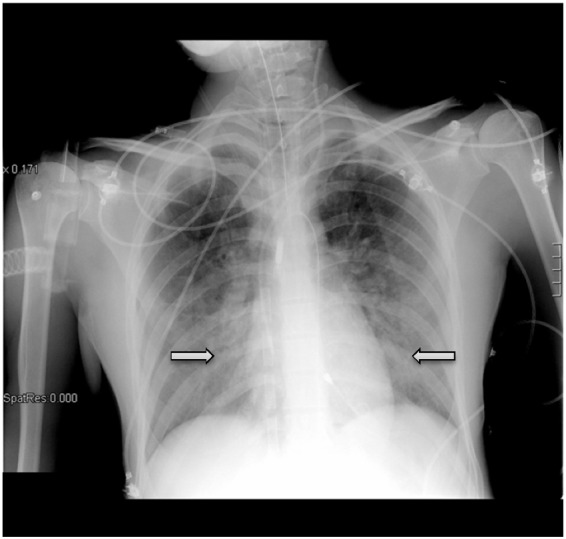
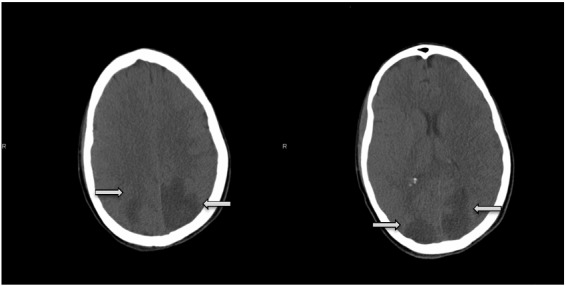
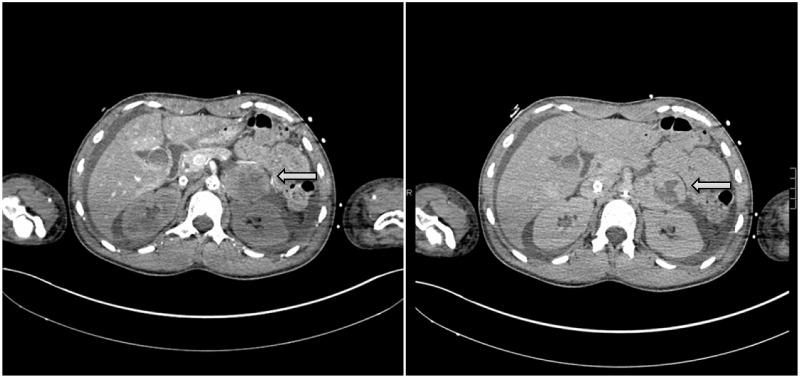
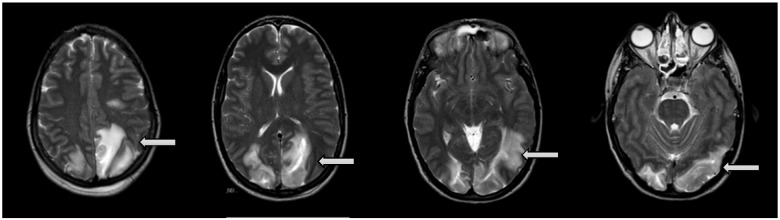
A 28-year-old woman was admitted to intensive care unit due to hypertensive crisis causing pulmonary oedema, Takotsubo cardiomyopathy, and metabolic acidosis. Due to cardiogenic shock, she required venoarterial extracorporeal membrane oxygenation and IMPELLA implantation. A computed tomography scan revealed a 5 cm tumour of the left adrenal gland compatible with pheochromocytoma The clinical course was complicated by acute kidney injury requiring renal replacement therapy and posterior reversible encephalopathy syndrome (PRES). Pharmacological treatment with alpha lityc agents (including urapidil, dexmedetomidine, and doxazosin at maximum daily dose) and beta blockers, together with left videolaparoscopic adrenalectomy, led to progressive blood pressure control and resolution of the neurological symptoms.
Pheochromocytoma crisis turned into a potential catastrophic scenario, characterized by refractory cardiogenic shock requiring circulatory supportive devices and PRES. Alpha-antagonists and beta-blockers were the gold standard pharmacological treatment. A multidisciplinary decision-algorithm was necessary to successfully manage this complex clinical setting.
嗜铬细胞瘤是一种罕见的分泌儿茶酚胺的肿瘤,典型地表现出与α-肾上腺素能刺激相关的临床表现,包括阵发性或持续性高血压。然而,它偶尔可能并发危及生命的危象,在最严重的情况下导致难治性急性心脏功能障碍。
一名28岁女性因高血压危象导致肺水肿、应激性心肌病和代谢性酸中毒入住重症监护病房。由于心源性休克,她需要进行静脉-动脉体外膜肺氧合和植入Impella左心室辅助装置。计算机断层扫描显示左肾上腺有一个5厘米的肿瘤,符合嗜铬细胞瘤表现。临床过程因急性肾损伤需要肾脏替代治疗以及后部可逆性脑病综合征(PRES)而复杂化。使用α-受体阻滞剂(包括最大日剂量的乌拉地尔、右美托咪定和多沙唑嗪)和β-受体阻滞剂进行药物治疗,同时进行左侧电视腹腔镜肾上腺切除术,使血压逐渐得到控制,神经症状得以缓解。
嗜铬细胞瘤危象演变成了一种潜在的灾难性情况,其特征为难治性心源性休克需要循环支持装置和后部可逆性脑病综合征。α-拮抗剂和β-受体阻滞剂是药物治疗的金标准。需要一个多学科决策算法来成功处理这种复杂的临床情况。